
Volumizing haircuts add lift, movement, and the appearance of fullness to thin hair without heavy styling.
When hair lacks density, the right cut can completely change how thick and healthy it looks. Strategic layers, clean edges, and the right length help create natural volume while keeping the hair light and manageable.
From blunt bobs and textured pixies to layered lobs and soft face-framing cuts, volumizing haircuts work with your natural texture to prevent flatness. These styles are easy to maintain and help hair hold shape throughout the day. In this guide, you’ll discover haircut ideas that make thin hair look fuller, more dynamic, and effortlessly styled.
Blunt Bob With Subtle Texture
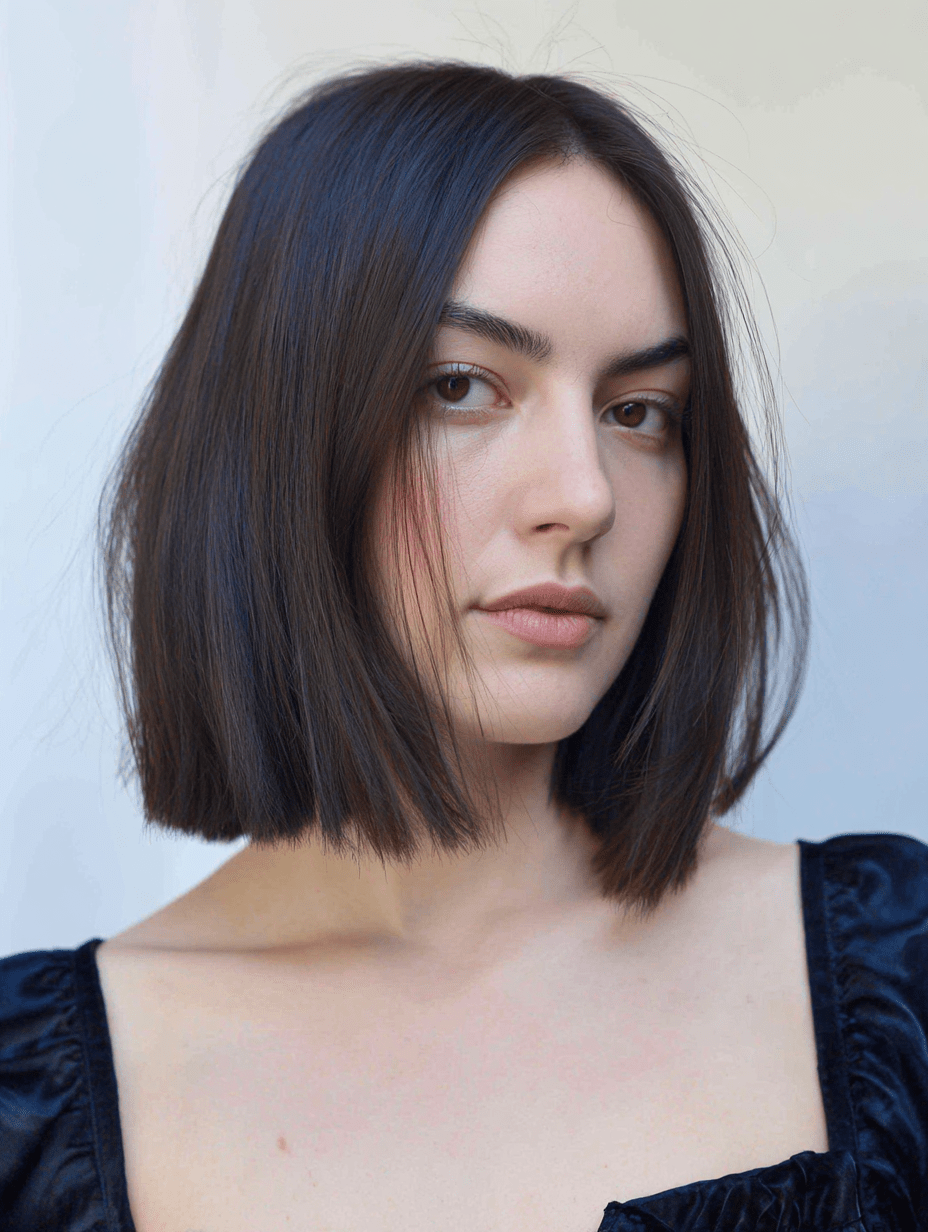
A blunt bob creates the illusion of thickness by keeping the ends full and even.
Subtle internal texture prevents the cut from looking heavy or flat, which is key for thin hair.
Length usually sits between the chin and collarbone, helping hair appear denser overall. This style works especially well for straight or slightly wavy textures.
With a light volumizing mousse and a quick blow dry, the bob holds shape easily. It feels polished without demanding daily effort.
Layered Lob With Lifted Crown

A layered lob adds volume without sacrificing length, making it a favorite for thin hair.
Soft layers are focused around the crown to create natural lift where flatness often shows.
The longer perimeter keeps the look balanced and not wispy. This haircut adapts well to casual styling or more refined finishes.
A round brush or large curling iron enhances body quickly. It suits many face shapes and grows out gracefully, which helps reduce frequent trims.
Short Pixie With Long Top Layers
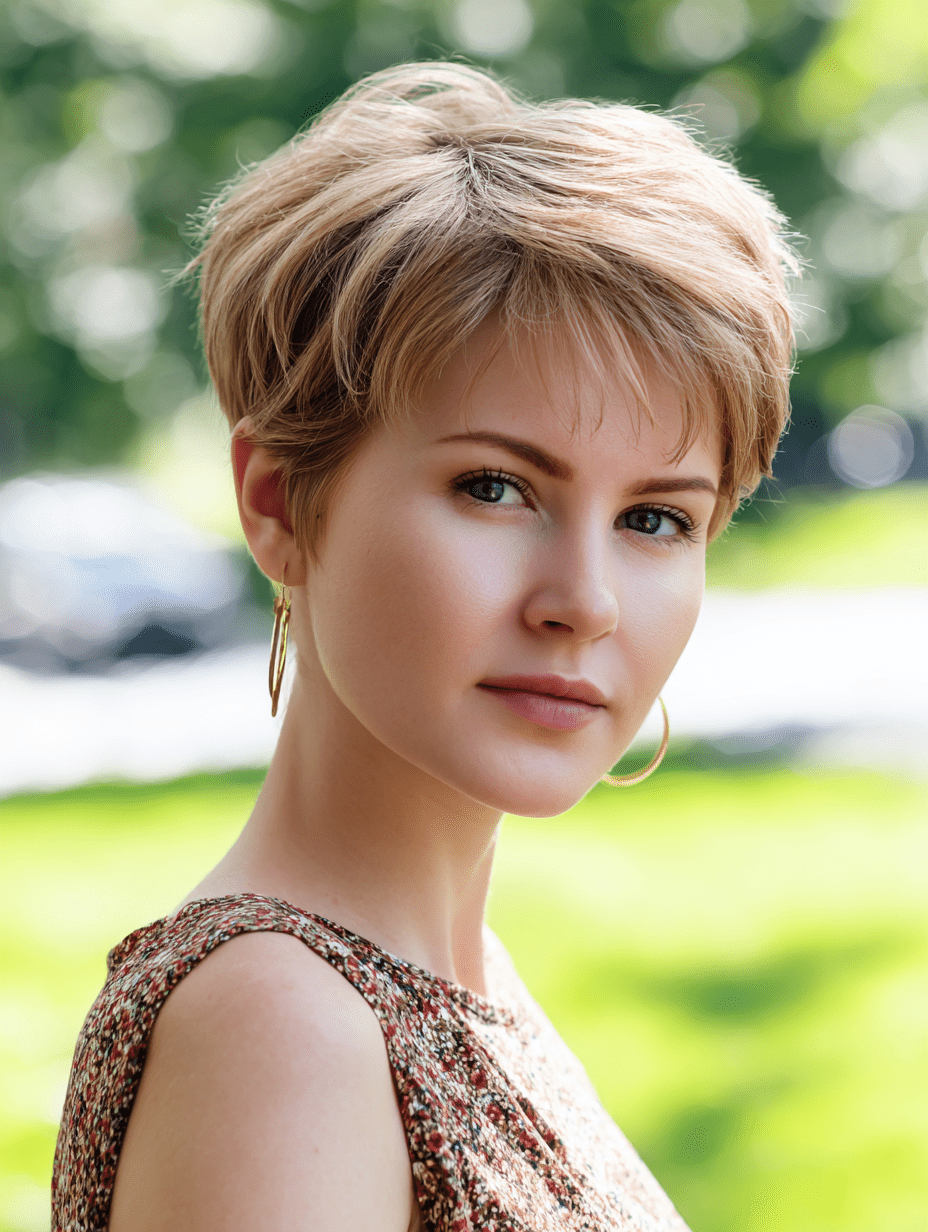
A short pixie with longer top layers delivers instant volume for thin hair.
The contrast between cropped sides and a fuller top creates height and dimension.
Styling focuses on lifting the roots rather than smoothing everything down. Lightweight texturizing products help separate strands without weighing them down.
This cut works well for people who want low maintenance but noticeable fullness. It highlights facial features while making hair appear much thicker than it actually is.
Stacked Bob For Fine Hair
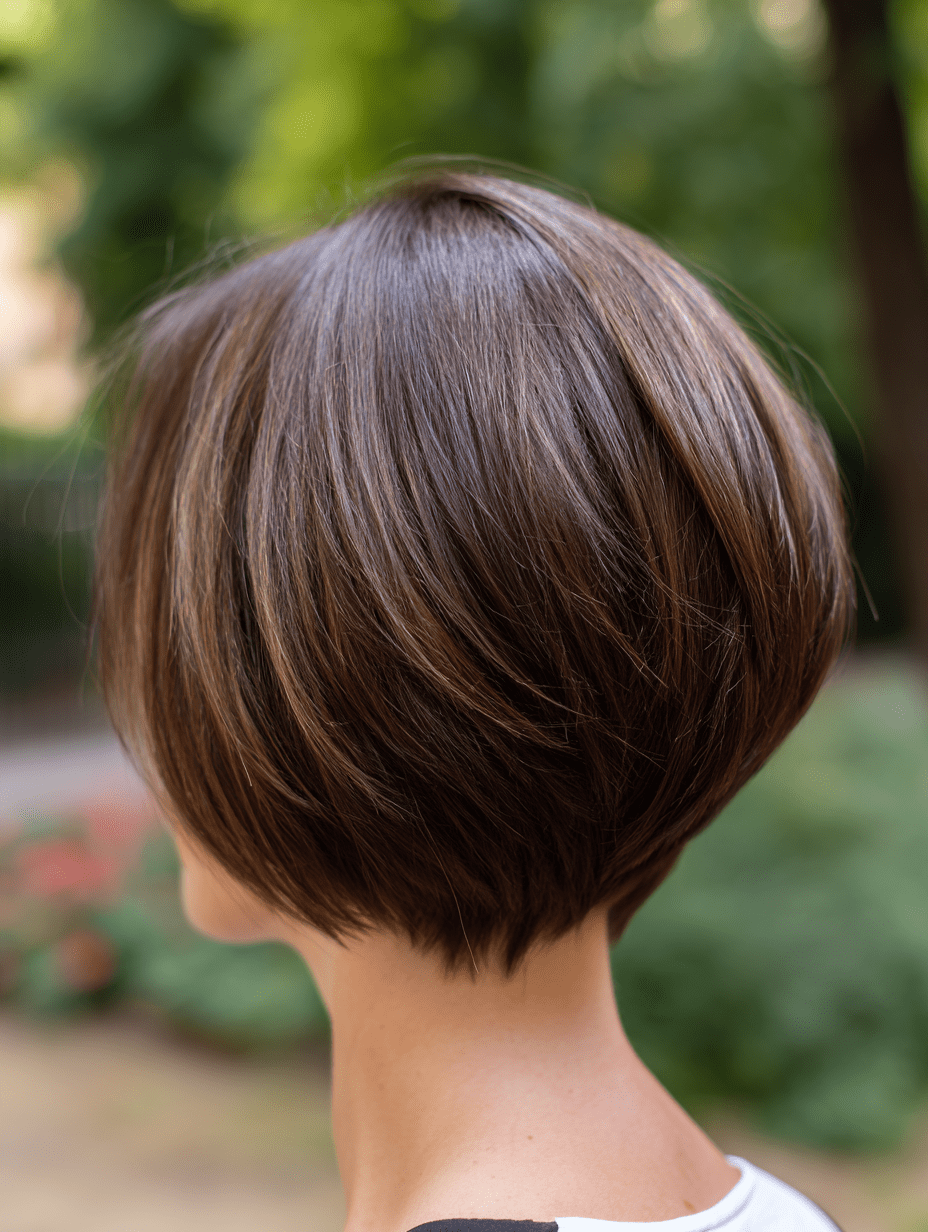
A stacked bob builds volume through its structured shape.
Shorter layers in the back create natural lift, while longer front pieces keep the style flattering and modern.
This haircut is especially effective for thin hair that struggles to hold body. Even minimal styling shows off the stacked shape.
A quick blow dry with a round brush brings out the fullness. The result looks intentional and polished, not flat or sparse.
Shoulder Length Shag With Soft Layers

A modern shag adds volume through strategic, airy layers.
For thin hair, the layers stay soft rather than choppy to avoid a stringy look.
Movement throughout the cut makes hair appear fuller and more dynamic. This style works well with natural texture, especially light waves.
Styling feels relaxed, often needing just a diffuser or texture spray. It creates body without strict structure, which keeps the look effortless and current.
Textured Bob With Side Part
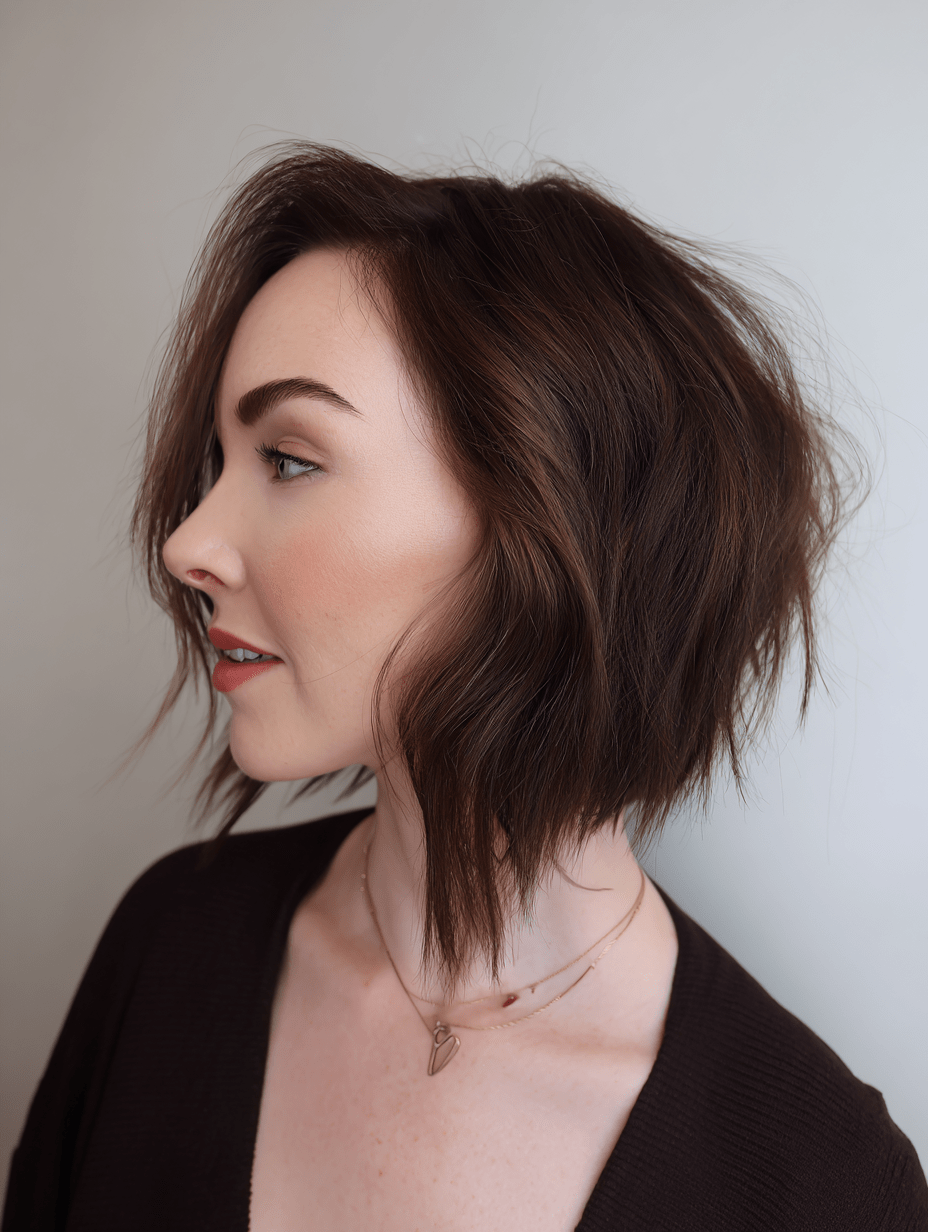
A textured bob paired with a side part instantly boosts volume for thin hair.
The side part shifts weight, making roots appear fuller at the crown.
Light texture throughout the cut adds movement without thinning out the ends. This style adapts easily to everyday routines and special occasions.
A simple blow dry or quick wave enhances the shape. It looks fresh, versatile, and noticeably more voluminous.
Long Layers With Face Framing Volume
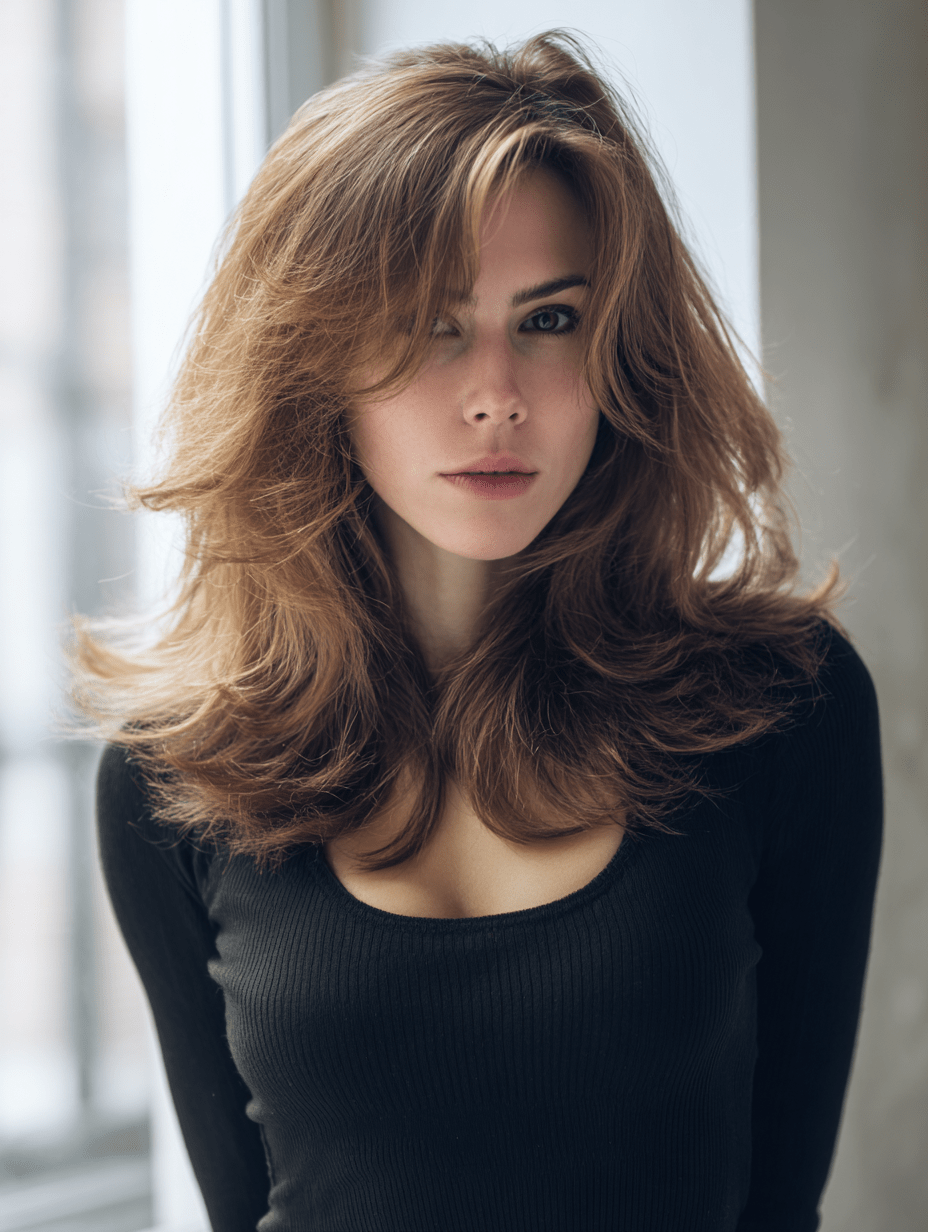
Long layers can work for thin hair when placed correctly.
The key is keeping fullness through the ends while adding gentle layers around the face. This approach avoids dragging the hair down.
Face framing pieces create lift and softness, especially when styled away from the face. A blow dry with a round brush adds noticeable body.
The result keeps length while still giving hair a thicker, healthier appearance.
Chin Length Bob With Root Lift
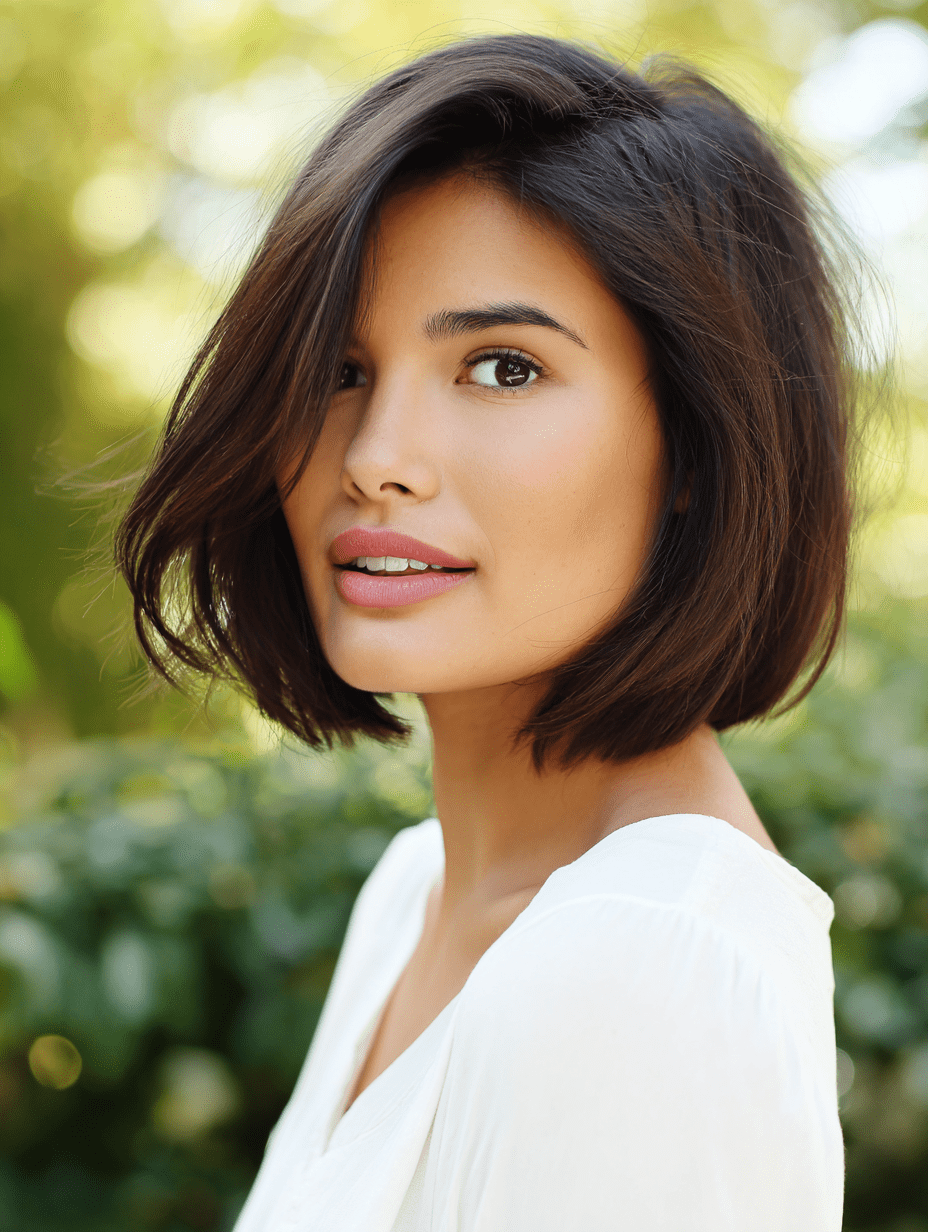
A chin length bob keeps hair light while maximizing volume.
The shorter length prevents thin hair from collapsing under its own weight. Subtle layering encourages root lift without making the cut look wispy.
This haircut works well for straight and fine textures. Styling is quick and effective with a volumizing spray.
The shape stays bouncy throughout the day, making it a reliable option for daily wear.
Feathered Mid Length Cut
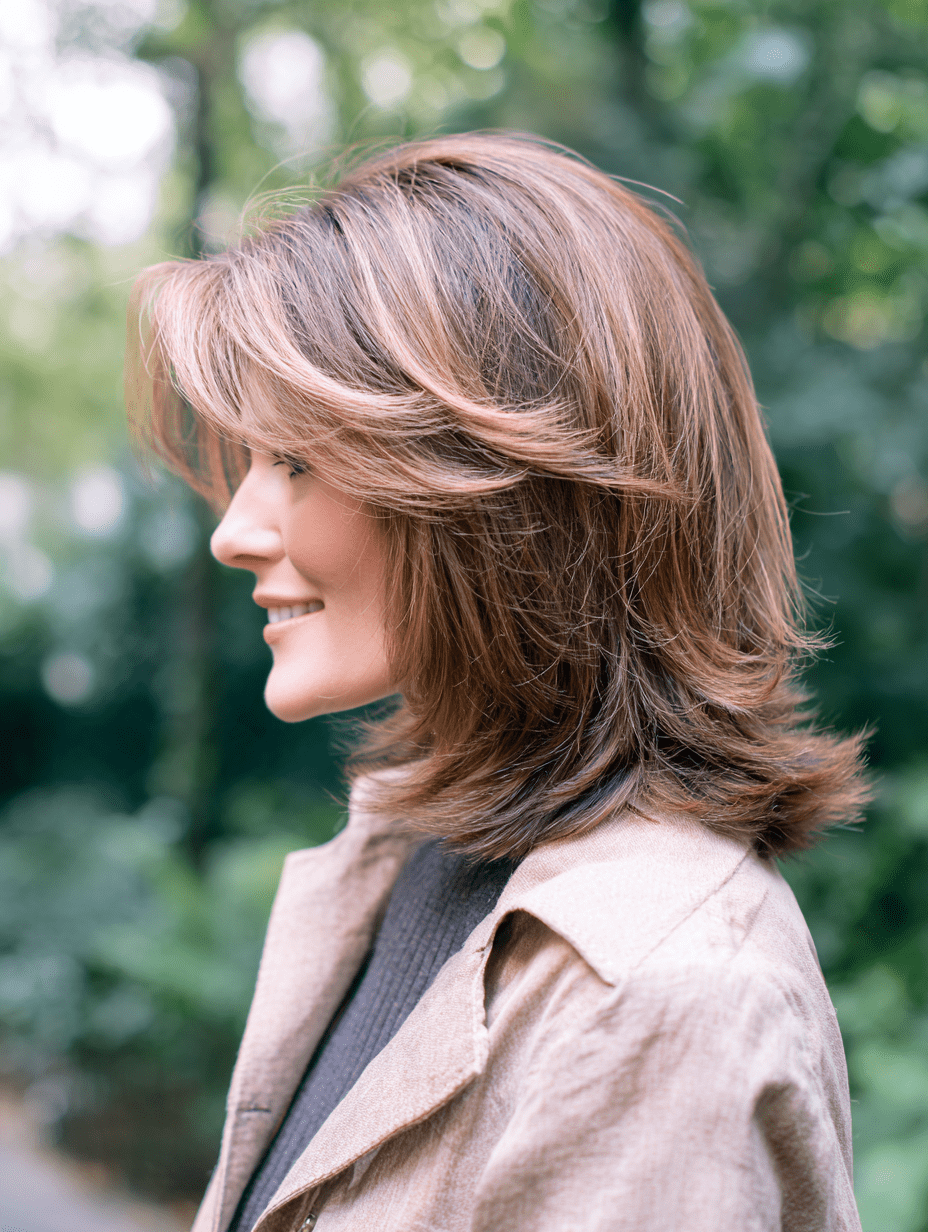
A feathered mid length cut creates volume by encouraging hair to lift and move naturally.
The layers are light and blended, which helps thin hair look fuller without appearing overstyled. This cut works especially well when paired with a soft blow dry.
Movement through the ends prevents the hair from falling flat. It feels airy and balanced, making it easy to wear daily.
Styling stays simple while still giving noticeable body and shape.
Asymmetrical Bob With Volume Boost
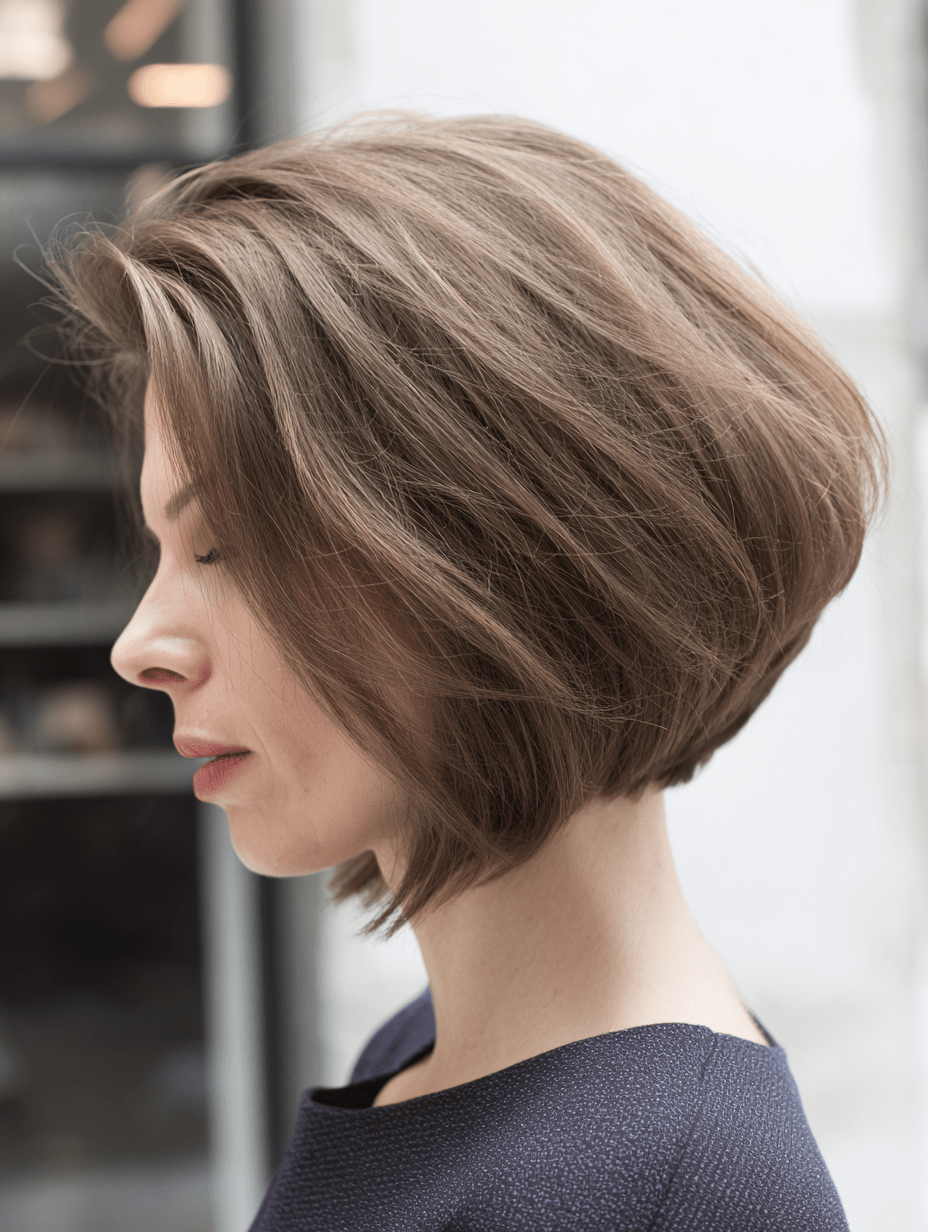
An asymmetrical bob adds visual fullness by shifting weight to one side.
The uneven length creates depth, which helps thin hair appear thicker. Subtle layers support lift at the roots without thinning the ends.
This cut feels modern and intentional rather than trendy. A side swept style enhances the volume effect quickly.
It works well for straight or lightly textured hair and holds its shape throughout the day.
Collarbone Cut With Invisible Layers
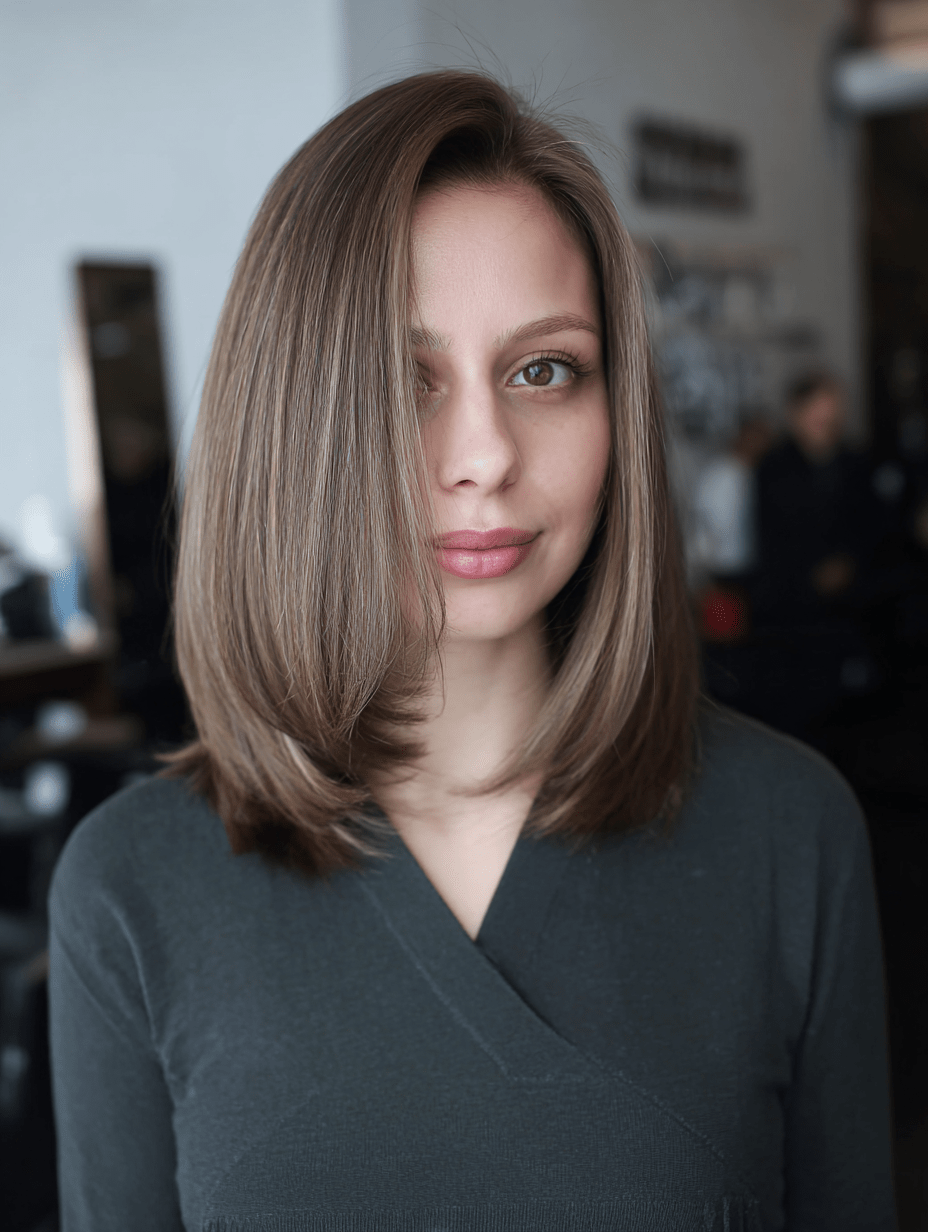
A collarbone length cut offers versatility while still supporting volume. Invisible layers are blended within the cut to add lift without disrupting fullness.
Thin hair benefits from this hidden structure because it avoids wispy ends. The length allows for multiple styling options, from smooth to softly waved.
A light volumizing product makes a noticeable difference. This haircut grows out well and stays flattering between trims.
Tousled Short Shag
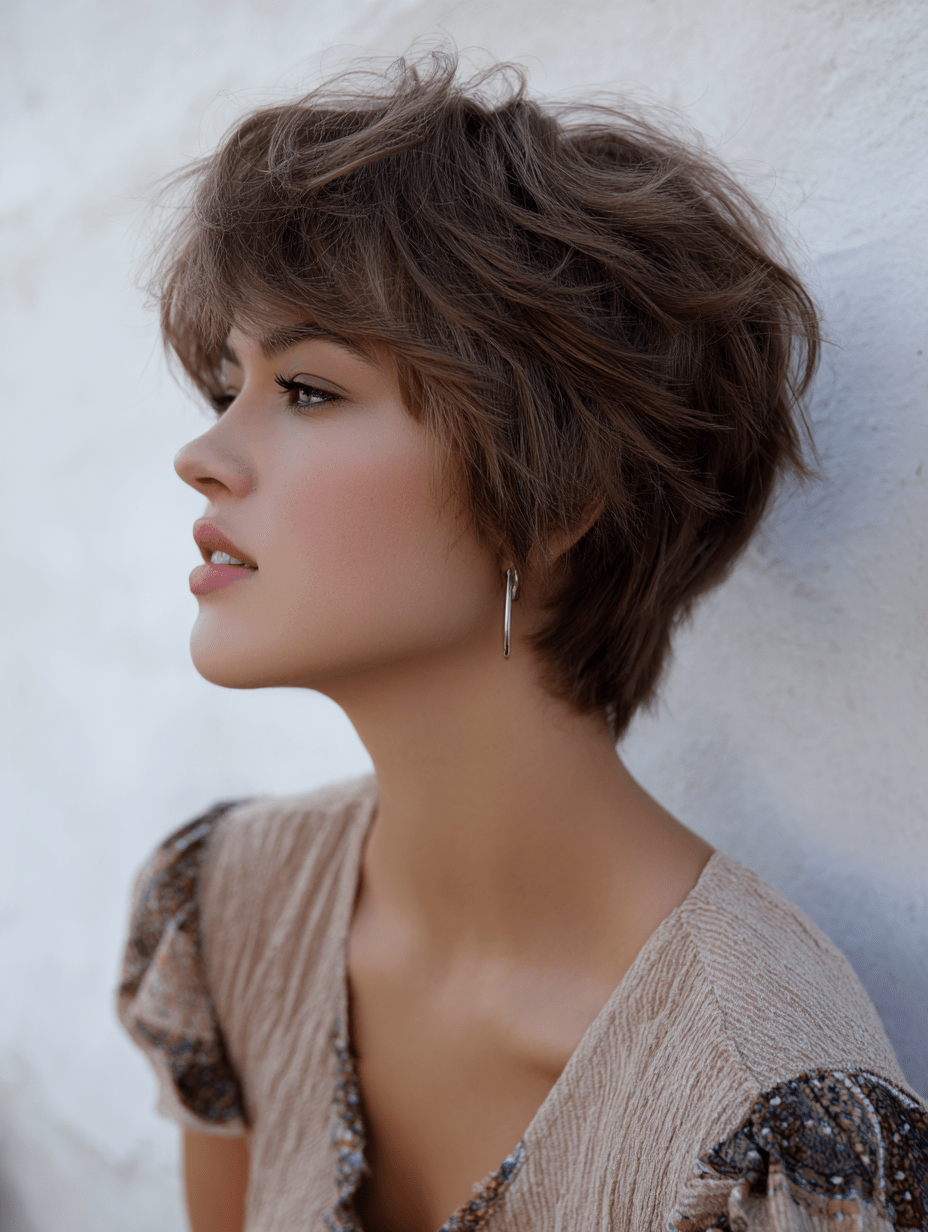
A short shag creates volume through relaxed layering and texture.
For thin hair, the layers are carefully placed to avoid excess thinning. The tousled finish gives the appearance of density and movement.
Styling often involves minimal effort, using fingers instead of brushes.
This cut works especially well for slightly wavy textures. It feels casual, youthful, and full of life without requiring heavy styling routines.
Graduated Bob With Soft Angles
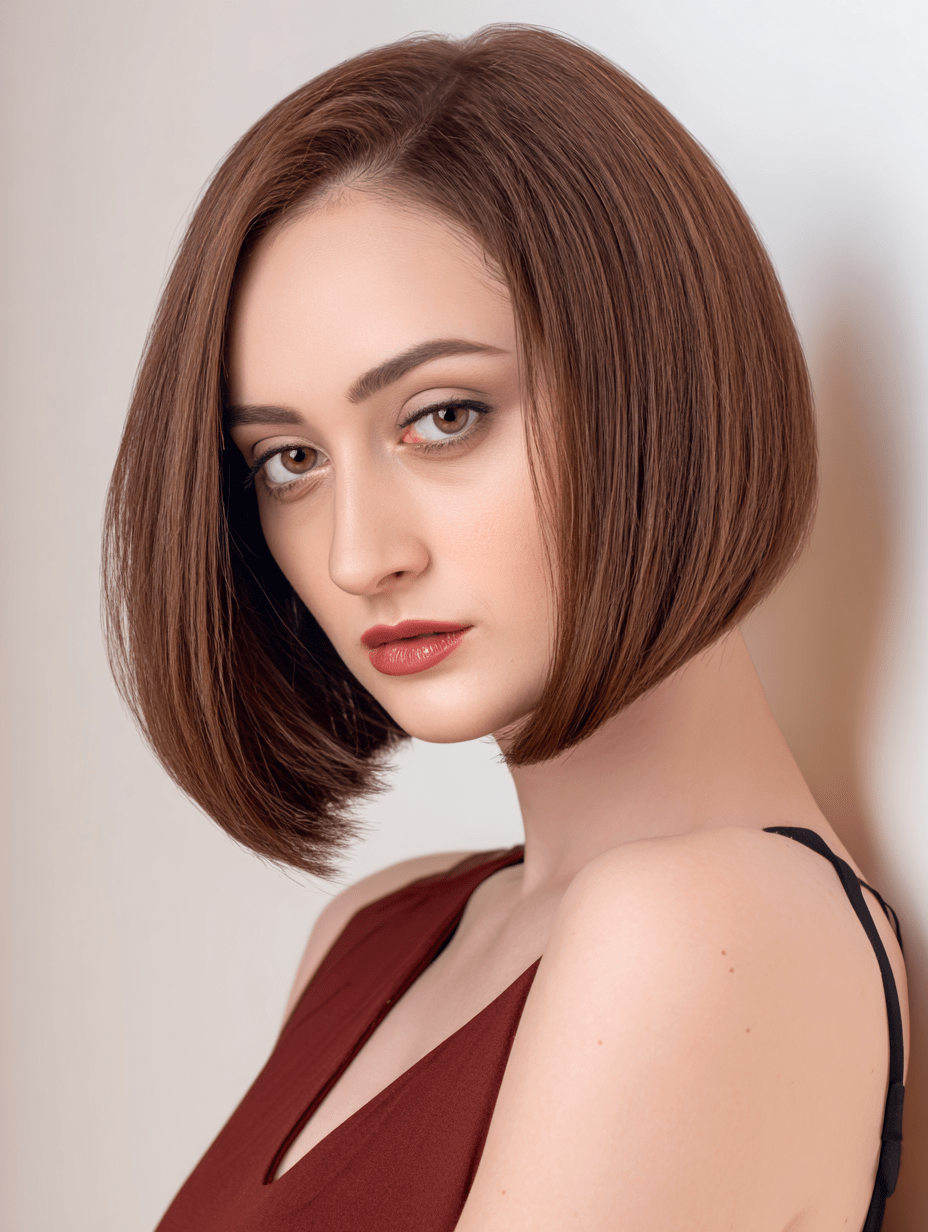
A graduated bob builds volume through its angled structure.
The back is slightly shorter, creating lift, while the front stays longer for balance. Thin hair benefits from this shape because it naturally supports fullness.
Styling enhances the graduated effect but is not strictly necessary. Even air drying can show dimension.
This cut looks polished while still feeling easy to maintain.
Long Pixie With Crown Volume
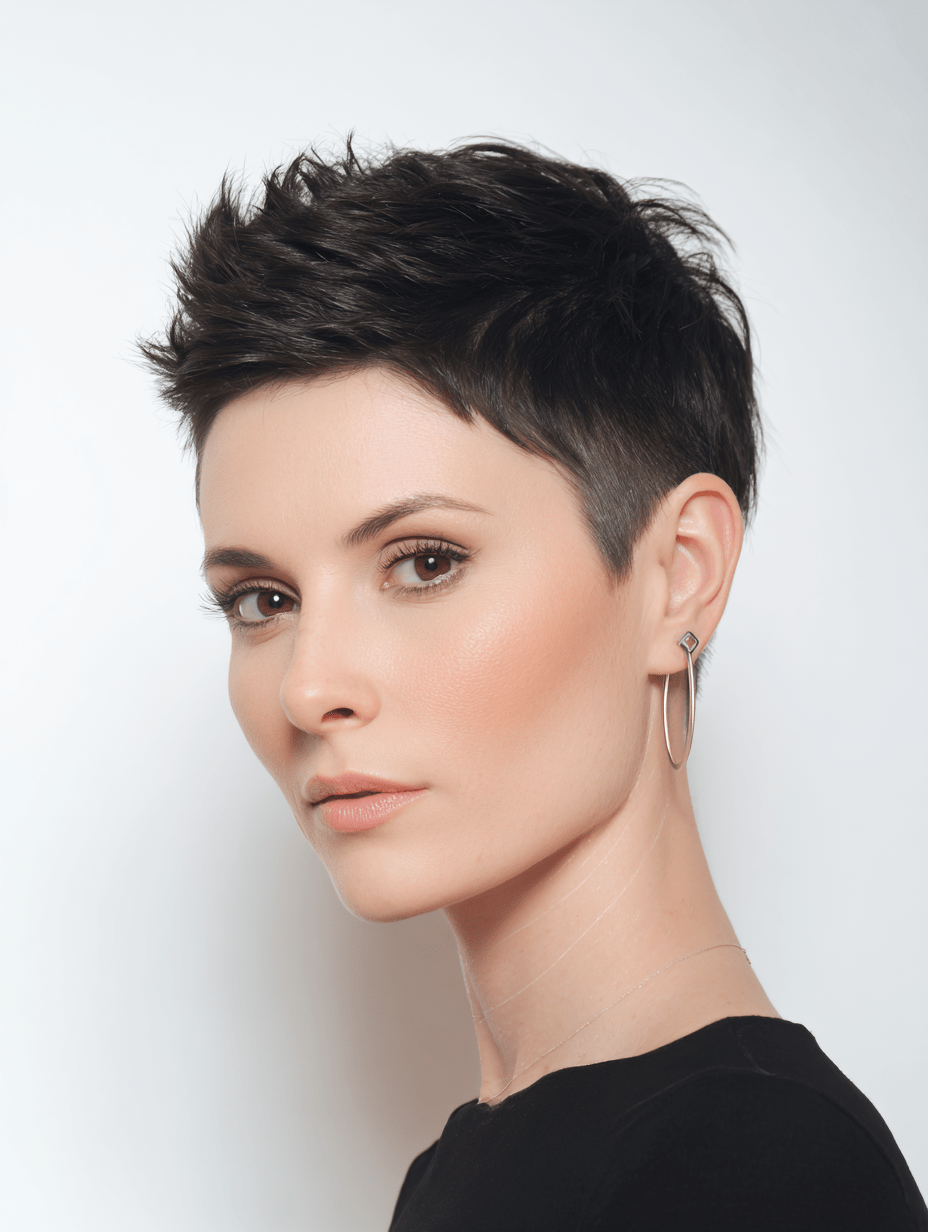
A long pixie focuses volume at the crown while keeping the overall cut lightweight.
The top layers are slightly longer, allowing hair to lift instead of laying flat.
Thin hair responds well to this design because it avoids excess bulk removal. Styling takes minimal time with a small amount of product.
The shape stays structured and full throughout the day, making it practical and flattering.
Soft Wave Lob For Thin Hair
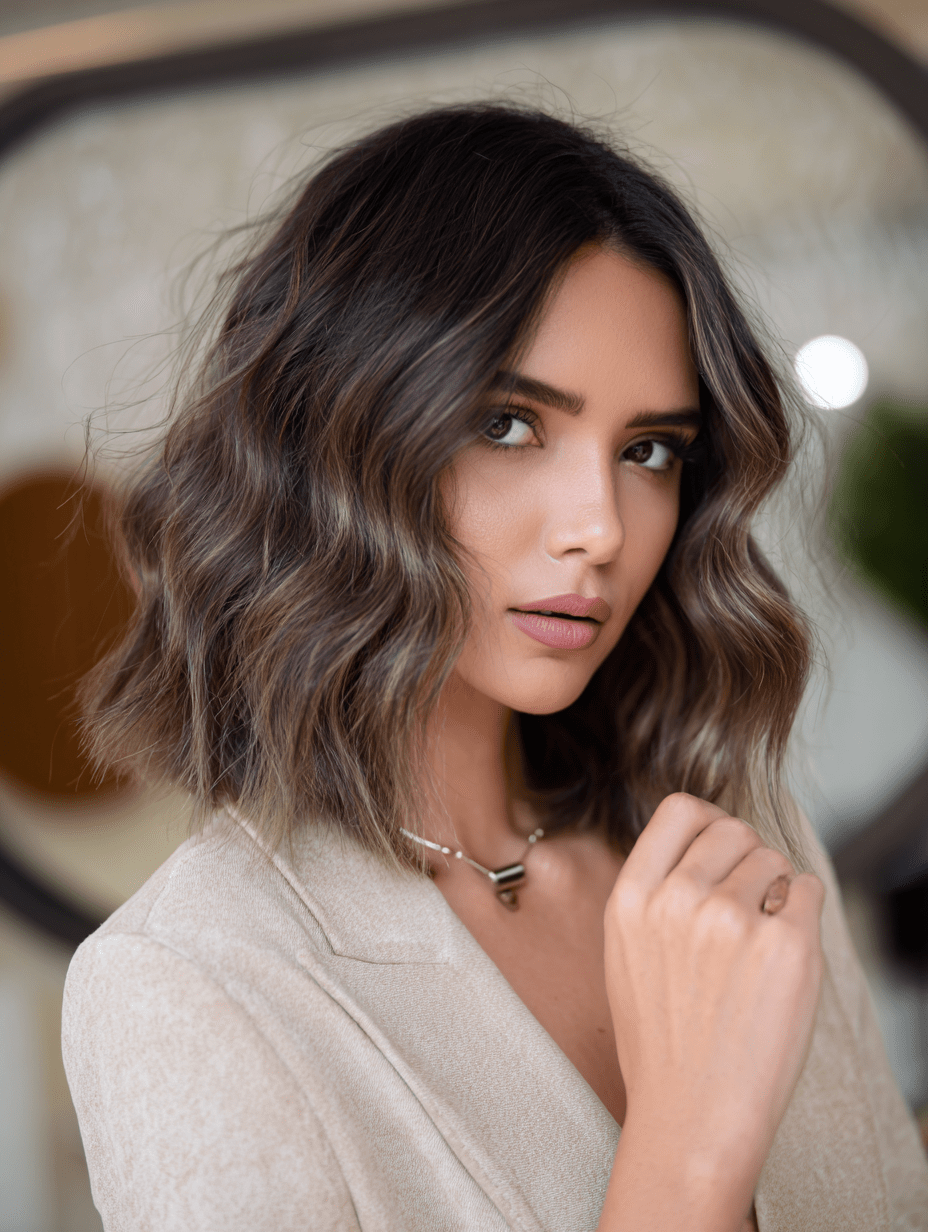
A soft wave lob gives thin hair instant body and movement.
The length keeps the hair from feeling sparse, while subtle layers support fullness.
Loose waves enhance the volumizing effect without requiring heavy heat styling. This cut works well for everyday wear and dressed up looks.
A texture spray helps maintain bounce. The result feels natural, modern, and noticeably fuller.
Rounded Bob With Full Ends
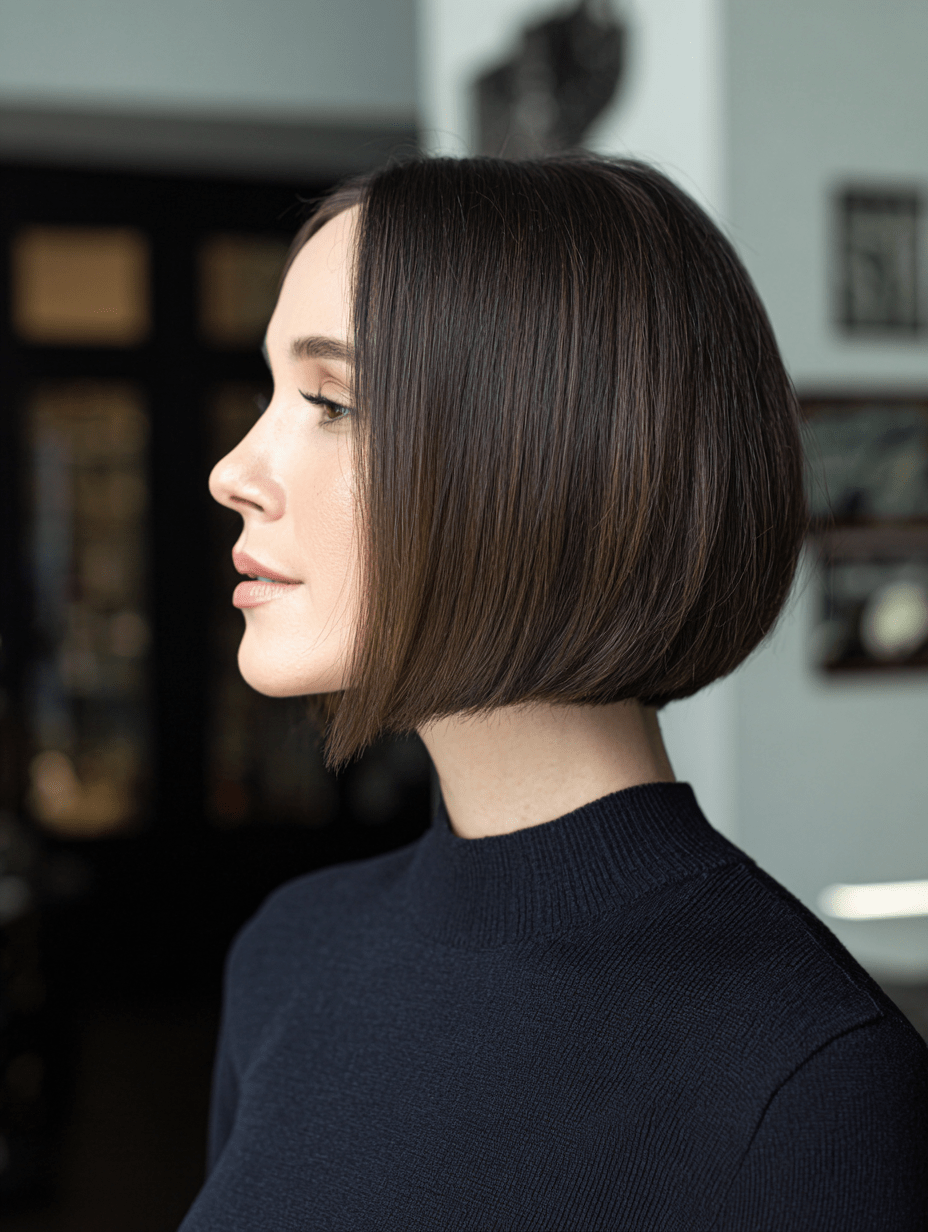
A rounded bob focuses on fullness at the ends, which helps thin hair look thicker overall.
The shape gently curves inward, preventing a flat or limp appearance.
Minimal layering keeps density intact. This haircut works well for straight hair that struggles with volume.
A smooth blow dry emphasizes the rounded shape. It feels clean, classic, and reliably voluminous.
Volumizing Wolf Cut For Fine Hair
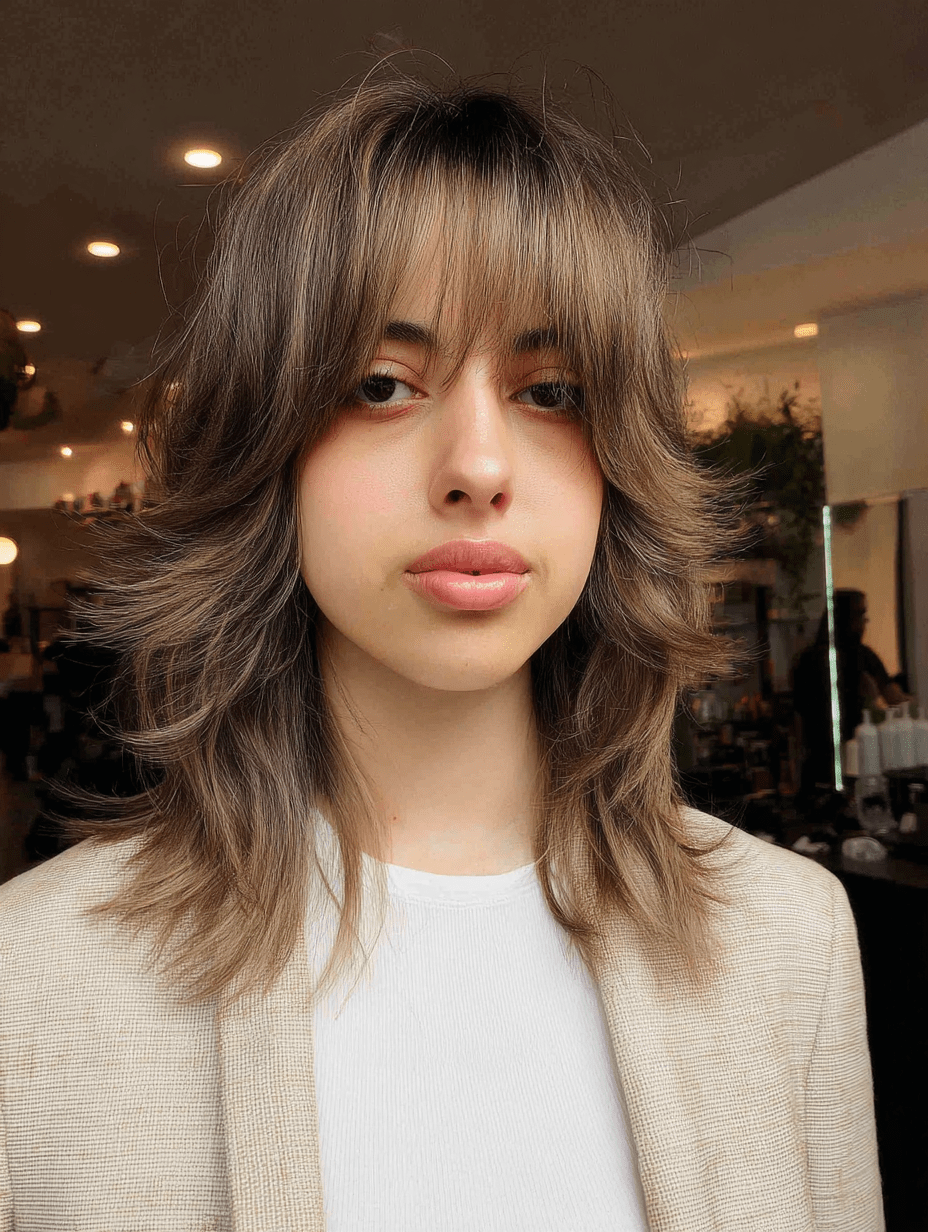
A modern wolf cut adds volume through layered contrast and controlled texture.
For thin hair, the layers stay soft and blended to avoid stringy ends. Volume concentrates at the crown and mid lengths, helping hair look fuller overall.
This cut works especially well with light waves or natural movement. Styling feels relaxed, often needing only a diffuser or texture spray.
The shape creates fullness without looking overworked or overly styled.
Short Layered Crop With Lift
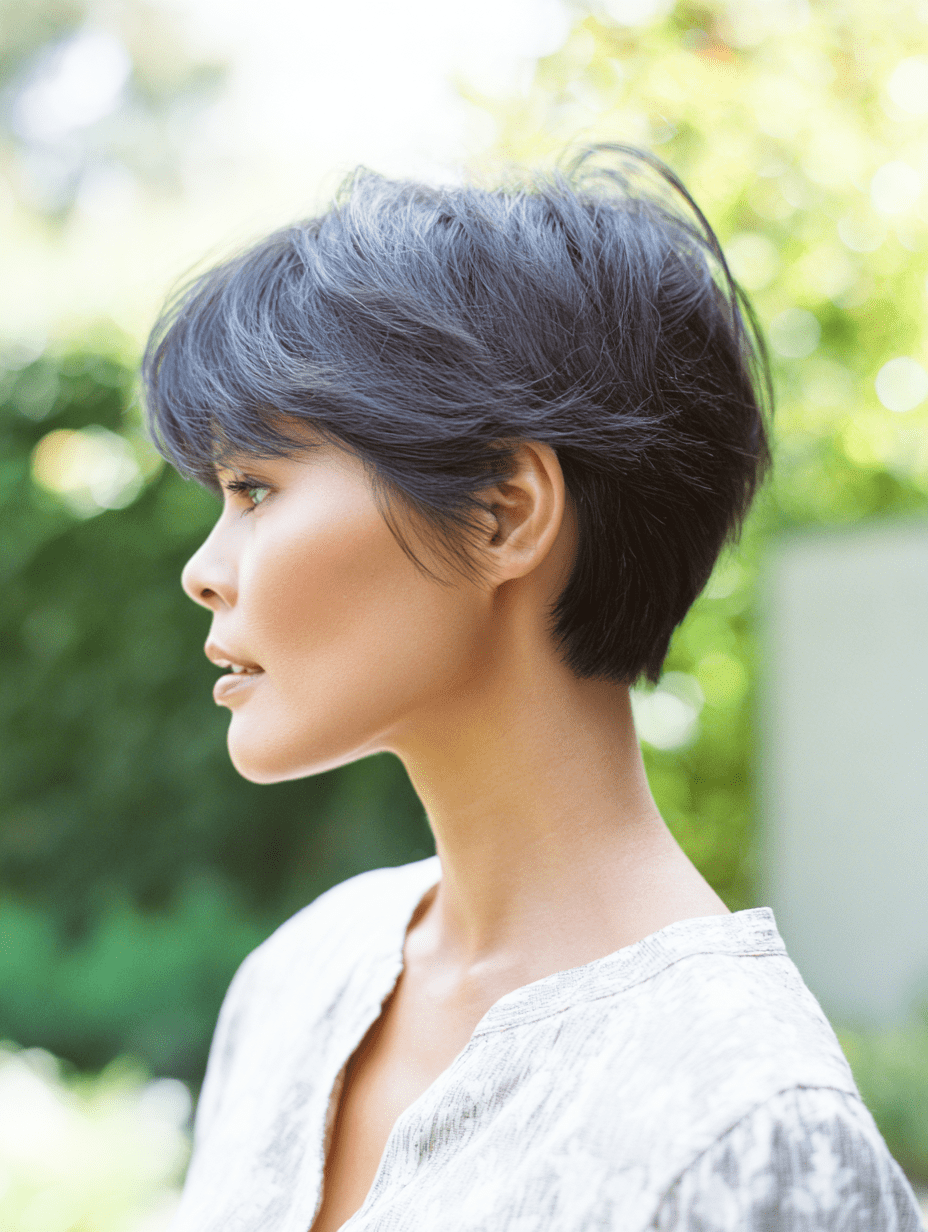
A short layered crop delivers instant volume by keeping hair light and lifted.
The layers are cut to encourage movement rather than remove density. Thin hair benefits from the compact length, which prevents flattening.
Styling usually focuses on root lift instead of smoothing. A small amount of volumizing cream adds definition.
This haircut feels fresh, practical, and easy to manage while still giving noticeable fullness.
Medium Length Cut With Curtain Bangs
Curtain bangs add volume by framing the face and lifting the front sections. When paired with a medium length cut, they create balance and movement for thin hair. The bangs blend softly into the rest of the layers, avoiding harsh lines. Styling with a round brush enhances fullness around the face. This cut feels versatile and flattering. It adds body where thin hair often looks flat.
Airy Layered Bob With Movement
An airy layered bob focuses on movement rather than heavy structure. Light layers throughout the cut help thin hair look fuller without removing bulk from the ends. The length usually sits just above the shoulders, keeping hair bouncy. Styling feels flexible, whether worn smooth or slightly waved. A lightweight texture spray enhances separation. The overall look stays soft, modern, and full of natural volume.
Cropped Bob With Volume At The Back
A cropped bob builds volume by keeping the back slightly shorter. This shape creates lift where thin hair often collapses. The front remains longer to keep the cut flattering and balanced. Minimal layering preserves density while supporting fullness. Styling is quick and effective with a simple blow dry. The haircut looks structured yet easy, making thin hair appear thicker instantly.
Long Bob With Blended Layers
A long bob with blended layers adds volume without sacrificing fullness. The layers are subtle, helping hair lift while keeping the ends strong. Thin hair benefits from this balance because it avoids a limp finish. This cut styles well straight or with loose waves. A volumizing spray at the roots makes a visible difference. It feels polished, versatile, and easy to maintain.
Soft Tapered Pixie With Texture
A soft tapered pixie adds volume by keeping texture focused on the top. The sides and back stay neat, while the crown holds lift and movement. Thin hair responds well to this structure because it avoids flatness. Styling takes very little time, using light texturizing products. The cut feels clean and modern. It highlights facial features while making hair appear fuller.
Shoulder Length Cut With Internal Layers
Internal layers add volume without changing the visible shape of the haircut. At shoulder length, this technique works well for thin hair that needs lift but not choppy ends. The layers sit beneath the surface, supporting fullness throughout. Styling feels natural and effortless. A round brush or soft waves enhance body. The result looks smooth, balanced, and noticeably thicker.
Style Guide for Volumizing Haircuts for Thin Hair
Volumizing haircuts for thin hair are about problem solving, not surface level fullness.
The right cut improves how hair sits, moves, and holds shape throughout the day.
This guide breaks down how volume actually works, how thin hair behaves, and how to choose a haircut that looks fuller without demanding constant effort.
What Are Volumizing Haircuts?
Volumizing haircuts are structured cuts designed to create the illusion of more hair through shape control. They focus on lift at the roots, balance through the mid lengths, and fullness at the ends. These cuts avoid over thinning and instead use strategic weight placement.
Unlike heavily layered styles, volumizing haircuts rely on clean sections and intentional shapes. The haircut itself does most of the work, so styling products enhance the look rather than trying to fix it.
Thin Hair vs Thick Hair Explained
Thin hair has fewer strands on the scalp, which affects how volume forms and holds. Thick hair can rely on natural bulk, while thin hair collapses easily when weight is misplaced.
Volumizing haircuts for thin hair must preserve density where the eye naturally looks, especially at the crown and perimeter. Removing too much weight can expose the scalp or make ends appear fragile, which is rarely flattering.
Hair Texture and Density Explained
Texture refers to strand thickness, while density refers to strand quantity. Both influence how volume appears and how long it lasts.
Fine textures need lighter shaping to avoid looking stringy. Medium or coarse textures with low density need stronger structure to prevent flatness. Volumizing haircuts succeed when texture and density are considered together, not treated as the same thing.
Thin Hair vs Fine Hair, Why the Difference Matters
Fine hair bends easily and loses volume quickly, even if density is average. Thin hair lacks coverage, which makes gaps more visible.
If hair is fine but not thin, layering must be minimal and controlled. If hair is thin but not fine, shape becomes more important than softness. Misreading this difference often leads to cuts that look flat within hours.
Root Lift, The Foundation of Volume
Root lift determines whether a haircut looks full or lifeless. Without lift at the scalp, even well layered styles fall flat.
Volumizing haircuts often include subtle elevation techniques near the crown. These may be internal layers or directional shaping that encourages hair to stand away from the scalp. Root lift should feel natural, not forced or stiff.
Choosing the Right Length for Volume
Length plays a major role in how hair behaves. Short to mid length cuts usually offer better volume because there is less weight pulling hair down.
Longer volumizing haircuts require stronger perimeter control and fuller ends. If hair thins toward the bottom, the style will look flat no matter how much product is used. Length should support fullness, not fight it.
Layering, Precision Over Quantity
Layers are useful only when placed with intention. Random or excessive layering weakens thin hair and reduces visible density.
Volumizing haircuts use fewer layers that support shape and lift. Internal layering adds movement without thinning the surface. Exterior layers should be subtle and purposeful to maintain fullness.
Styling Effort and Long Term Maintenance
Some volumizing haircuts perform well with air drying, while others rely on blow drying for best results. Understanding your routine matters more than how the cut looks styled once.
Shorter cuts often need regular trims to maintain structure. Medium length styles may require more daily styling but less frequent maintenance. Choose a haircut that fits your real schedule.
Do Volumizing Products Actually Help?
Volumizing products support a haircut, but they cannot create volume on their own. If the cut lacks structure, products will only offer short lived lift.
Lightweight formulas are essential for thin hair. Products that coat or weigh down strands reduce movement and collapse volume quickly. Less product, used correctly, usually works better.
Mousse vs Volumizing Sprays, Which Works Better?
Mousse adds body and hold, making it effective for blow dried volume. It works well for hair that needs structure and lift at the roots.
Volumizing sprays are lighter and better for fine textures that lose shape easily. They provide subtle lift without stiffness. Choosing between them depends on texture, not preference.
How to Choose the Right Volumizing Haircut
Start by understanding your hair’s density, texture, and behavior throughout the day. Choose a length and shape that naturally supports lift.
A good volumizing haircut should look fuller even with minimal styling. When the structure is right, volume feels effortless and consistent, not something you have to constantly fix.