
Haircuts often share similar elements, which can make it difficult to tell certain styles apart. Two cuts that are frequently compared are the wolf cut and the shag. Both rely on layers and texture, but they create very different shapes and overall impressions.
Understanding how these styles differ can help you choose the one that fits your hair type and personal style. From layering techniques to volume placement, each cut has its own character.
Below, we break down the key differences between the wolf cut and the shag haircut to help you make an informed decision.
What is a Shag Cut?
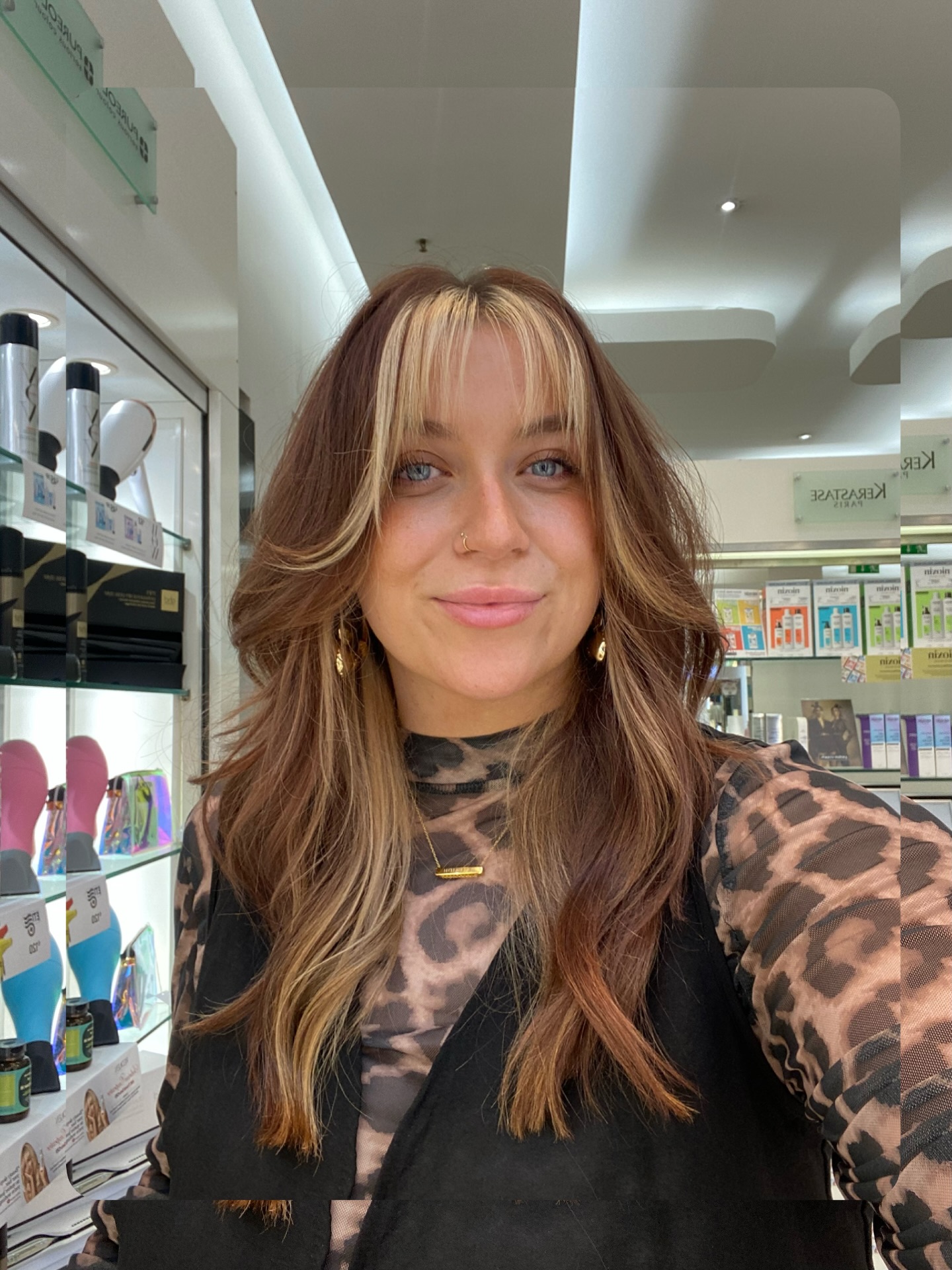
The shag is a true classic with a rich history.
It burst onto the scene in the 1970s and became a staple of the rock music movement, famously worn by icons like Jane Fonda, Mick Jagger, and Joan Jett .
Its popularity has proven cyclical, resurging in the ’90s and again in the 2020s .
Key Characteristics of a Shag
The defining feature of a shag is its uniform, heavily layered structure. It is characterized by:
- Multi-layered Texture – The cut is built on countless layers of varying lengths throughout the head. This creates incredible volume and movement, particularly at the crown .
- Feathered Framing – A classic shag typically features feathered layers around the face and a fringe (often curtain bangs or a wispy Bardot-style fringe) that blends seamlessly into the rest of the haircut.
- Consistent Perimeter – Unlike its edgier cousins, the shag usually maintains a relatively consistent length around the perimeter. The layers are heavy and full around the face, creating a rounded, blended shape .
- Texture Versatility – It is designed to look “lived-in” and purposeful, working beautifully on straight, wavy, and curly hair types .
What is a Wolf Cut?
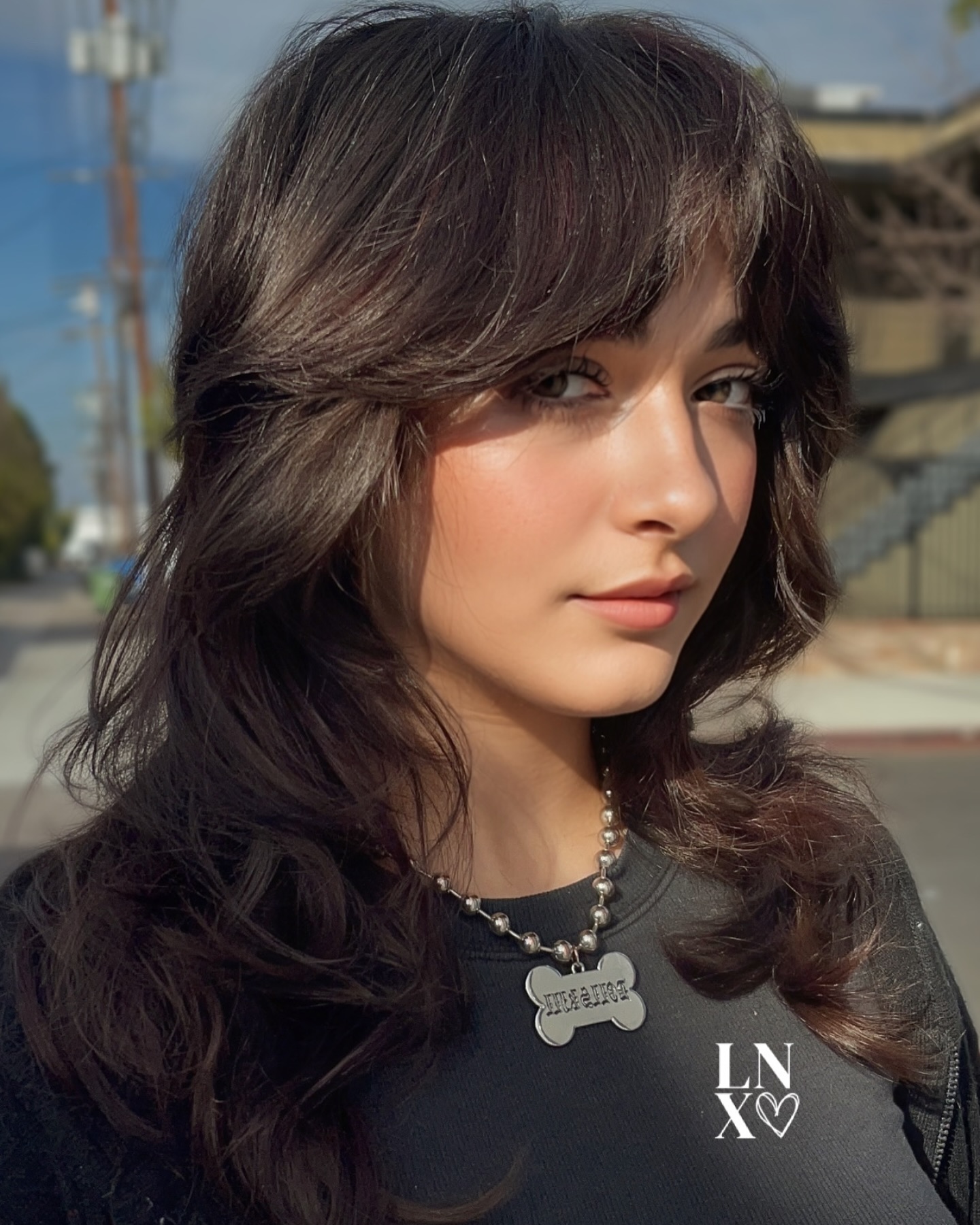
The wolf cut is the new kid on the block.
It exploded in popularity in the early 2020s, thanks in large part to social media platforms like TikTok .
It’s best described as a modern hybrid, mashing up the volume of a ’70s shag with the attitude of an ’80s mullet .
Key Characteristics of a Wolf Cut
The wolf cut takes the shag’s foundation and turns up the intensity. Its main features include:
- Hybrid Silhouette – It combines the short, voluminous layers of a shag at the top with the longer, sometimes more disconnected layers in the back that are reminiscent of a mullet .
- Choppy Disconnection – While a shag is blended, a wolf cut is not afraid to be choppier and more disconnected. There is a more dramatic contrast in length, with very short layers at the crown that create a “lifted” effect .
- Shorter Face-Framing – The layers around the face are often shorter and more aggressive, sometimes blending further back toward the ears to emphasize the “wolf-like” shape (shorter around the ears and eyes, longer towards the neck) .
- Edgy and Sculpted – The overall silhouette is described as more elongated, with sharper angles. It balances an edgy, almost feral look with softness .
Key Differences: Shag vs. Wolf Cut
While they look similar at first glance, the difference lies in the details and the overall silhouette.
| Feature | Shag Cut | Wolf Cut |
|---|---|---|
| Origins | 1970s rock-and-roll | Early 2020s social media trend |
| Inspiration | Pure 70s layering | Hybrid of the ’70s Shag + ’80s Mullet |
| Layers | Heavily layered but blended and uniform | Choppy, disconnected, with dramatic contrast |
| Shape | Rounded, full volume around the face | Edgy, sculpted, more vertical shape |
| Fringe/Frame | Blended, face-hugging fringe, e.g., curtain bangs | Shorter, wispy fringe that blends into short crown layers |
| Vibe | Effortless, rocker-chic, versatile | Bold, cool girl, intentionally messy |
How to Choose: Which Cut is Right for You?
Deciding between a shag and a wolf cut depends on your hair type, maintenance preferences, and personal style.
Consider Your Hair Texture
Shag works on virtually all hair types. It is particularly flattering on those with natural wave or curl, as it enhances the hair’s natural bounce and texture . For fine hair, the many layers can actually restore a sense of movement and volume .
Wolf Cut thrives on medium to thick hair that can support its dramatic volume. While it can be adapted for fine hair, there is a risk of it looking too stringy.
A skilled stylist will need to keep some bluntness in thinner areas to create the illusion of fullness . It’s also a fantastic option for those with natural texture who want a bold, statement look .
Consider Your Lifestyle and Maintenance
Shag is generally considered lower maintenance. Its uniform layers grow out gracefully, meaning you can often go 8 to 10 weeks (or even longer) between trims without the cut losing its shape.
Styling is often a “wash and go” affair, especially for wavy hair, perhaps with just a spritz of sea salt spray.
Wolf Cut leans toward higher maintenance. To maintain its distinct choppy shape, the wolf cut requires more frequent trims, closer to every 6 to 8 weeks.
It is also more dependent on styling products like texturizing sprays, mousses, and pomades to define the layers and achieve that signature tousled volume. If you have very straight hair, be prepared to put in effort with a blow-dryer and products to prevent it from falling flat .
Wrapping Up
If you are looking for a timeless, versatile, and effortlessly cool haircut that is easy to manage and grows out well, the shag is your go-to. It’s a reliable choice that adds movement and life to any hair type .
If you are ready to embrace a bolder, more fashion-forward look and don’t mind a little extra styling time and maintenance, the wolf cut offers maximum impact. It’s a statement piece that exudes confidence and a modern, edgy attitude .
Ultimately, the best way to decide is to consult with a trusted stylist. Bring photos of both cuts to your appointment. A good stylist can assess your unique hair texture and face shape to recommend the perfect interpretation—or even a hybrid of both—that fits your personal style and daily routine .