
If you want to make thin hair look thicker focus on haircuts that create shape, movement, and the illusion of volume without weighing hair down.
The right cut can instantly improve how full your hair appears by adding lift at the roots and texture through the lengths. Strategic layering, smart length choices, and clean lines all play a big role in making fine hair look more dense and healthy.
From blunt bobs and textured pixies to layered lobs and soft face framing cuts, certain styles are especially effective for boosting fullness. These haircuts work with your natural texture and require minimal styling to look polished. In this guide, we’ll go through haircut ideas that help thin hair appear thicker, more voluminous, and easier to style every day.
Blunt Bob with Soft Ends
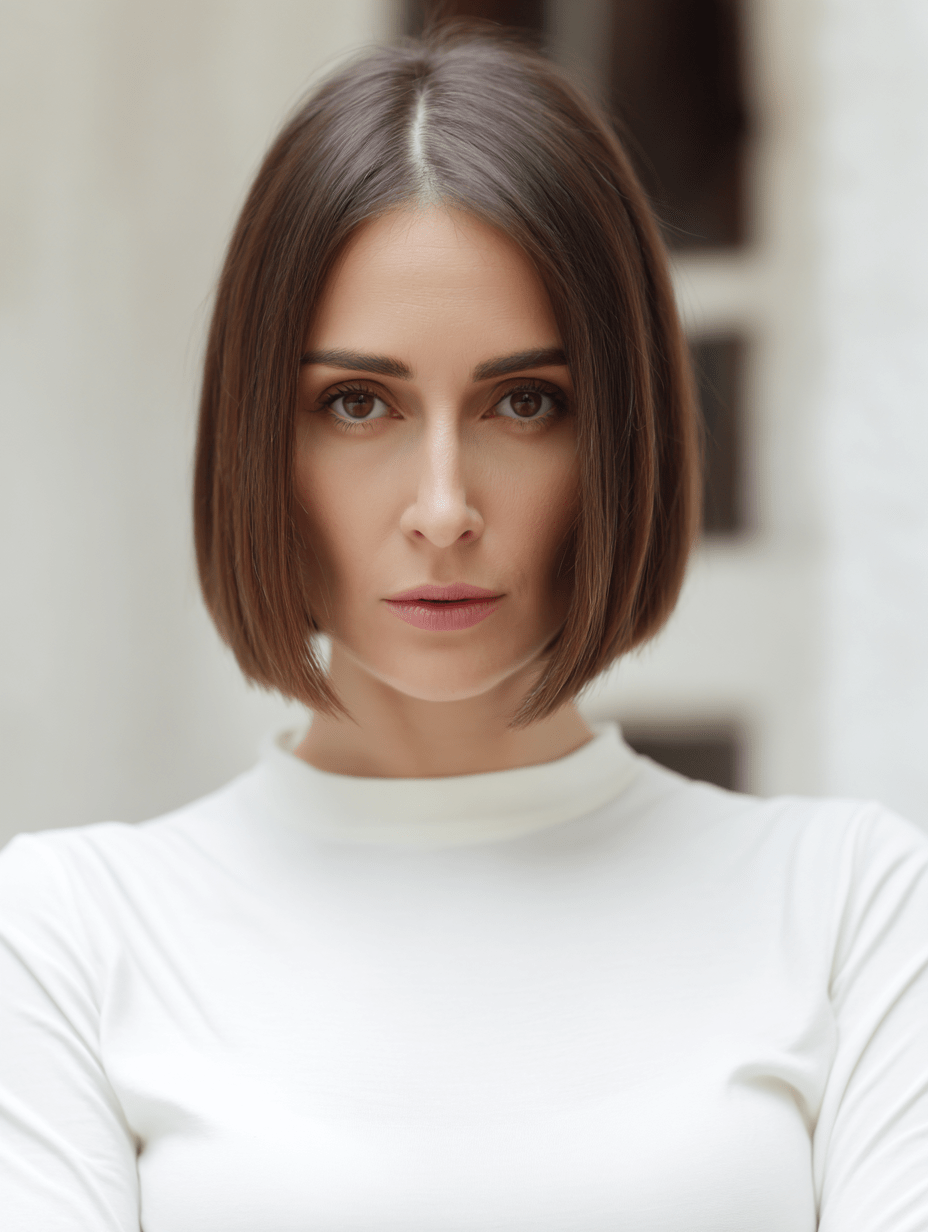
A blunt bob with softly beveled ends creates the illusion of density without relying on heavy layering.
The clean perimeter makes thin hair appear fuller instantly. Keeping the length around the chin or jawline prevents strands from collapsing downward.
Styling works best with a light blow dry and minimal product to avoid weighing hair down.
This haircut suits straight or slightly wavy textures and looks polished with very little effort. It is a reliable option for everyday volume.
Layered Lob with Invisible Layers
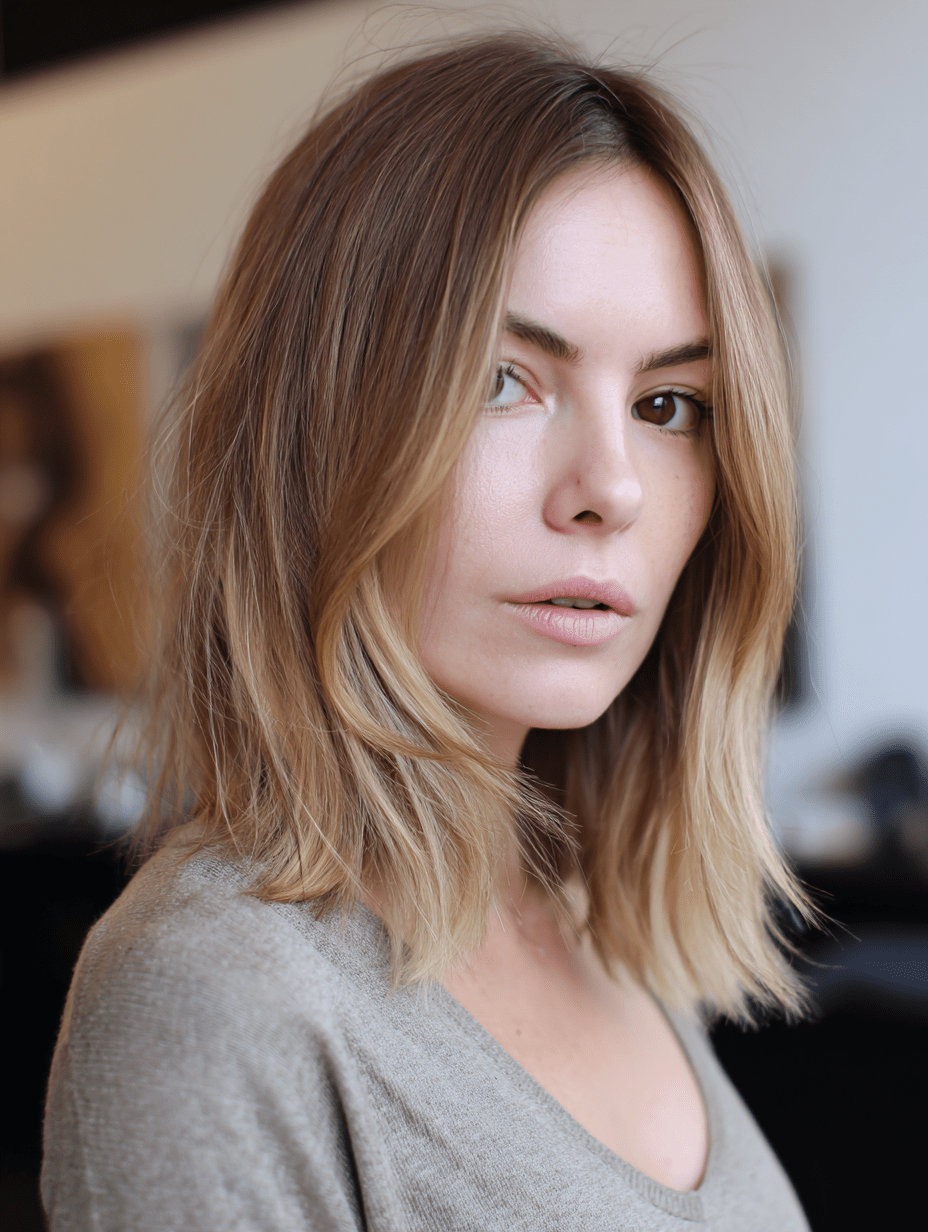
This layered lob uses subtle, invisible layers to add movement while preserving thickness at the ends.
Instead of obvious stacking, the layers are blended to lift the hair internally.
Length sitting between the collarbone and shoulders gives thin hair room to expand visually. Styling with a round brush enhances body without making the hair look wispy.
It works well for fine textures that fall flat easily and still grows out gracefully between trims.
Textured Pixie Cut
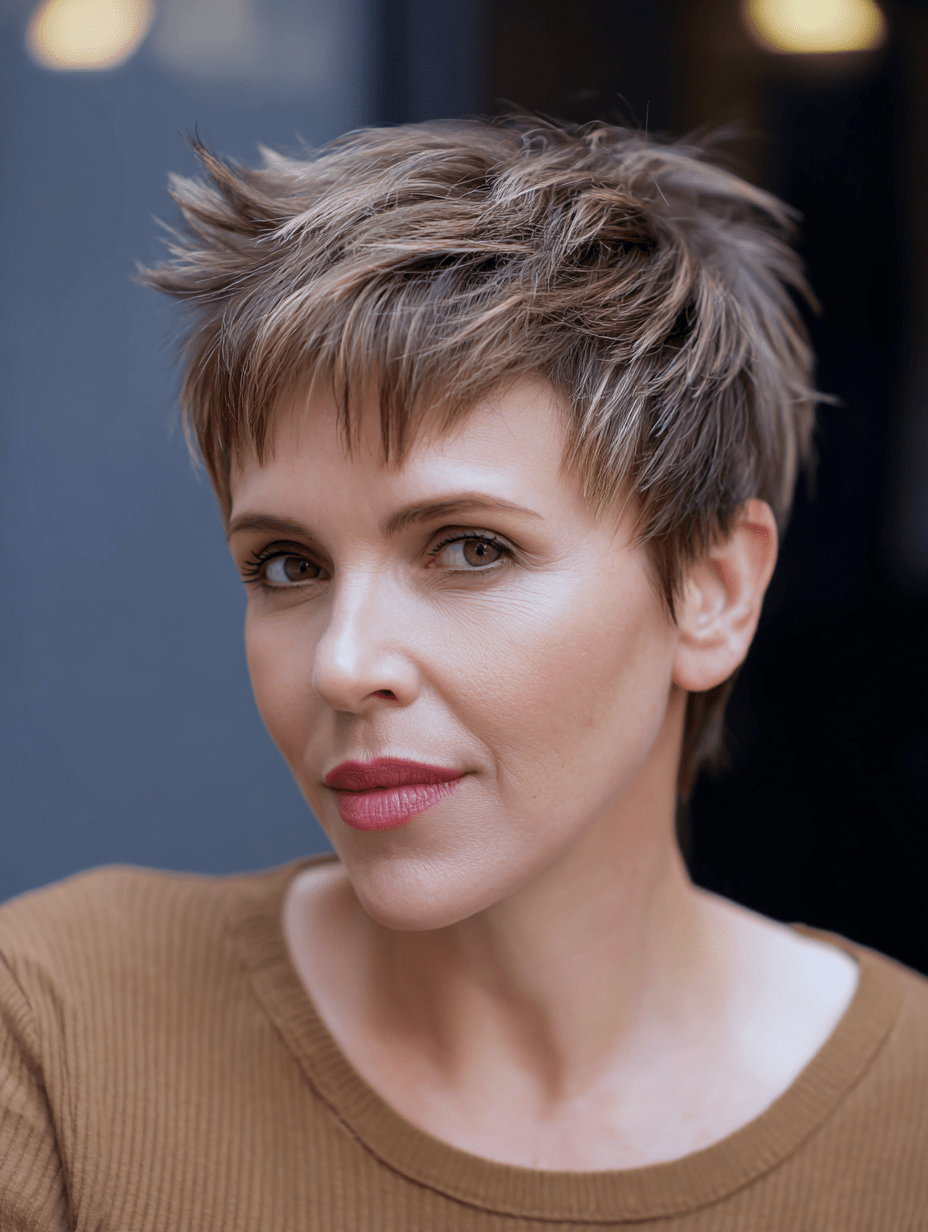
A textured pixie cut makes thin hair look thicker by concentrating volume at the crown.
Shorter sides combined with choppy top layers create lift where it matters most.
The texture keeps the style from lying flat against the scalp. Styling requires only a small amount of lightweight paste or mousse.
This haircut is especially helpful for fine hair that struggles with fullness at longer lengths. It delivers structure, shape, and visual density in a compact style.
Shoulder Length Shag Cut
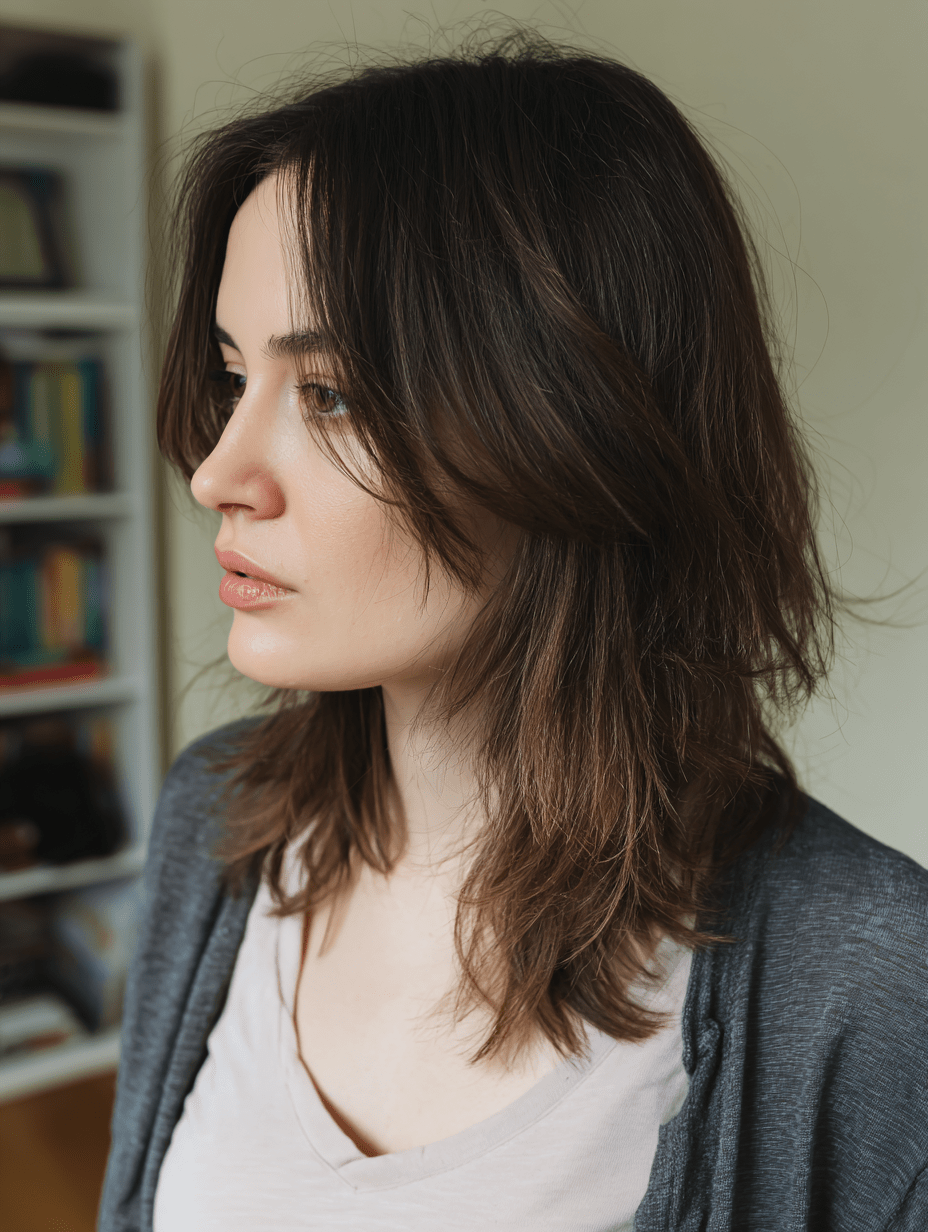
A modern shag at shoulder length adds fullness through strategic layering and soft texture.
The layers create separation, helping thin hair avoid a flat appearance.
Gentle movement around the face also adds depth without removing too much bulk. This haircut works best when styled with loose waves or air dried with texture spray.
It is a relaxed style that makes thin hair look thicker while still feeling effortless and wearable.
Collarbone Length Blunt Cut
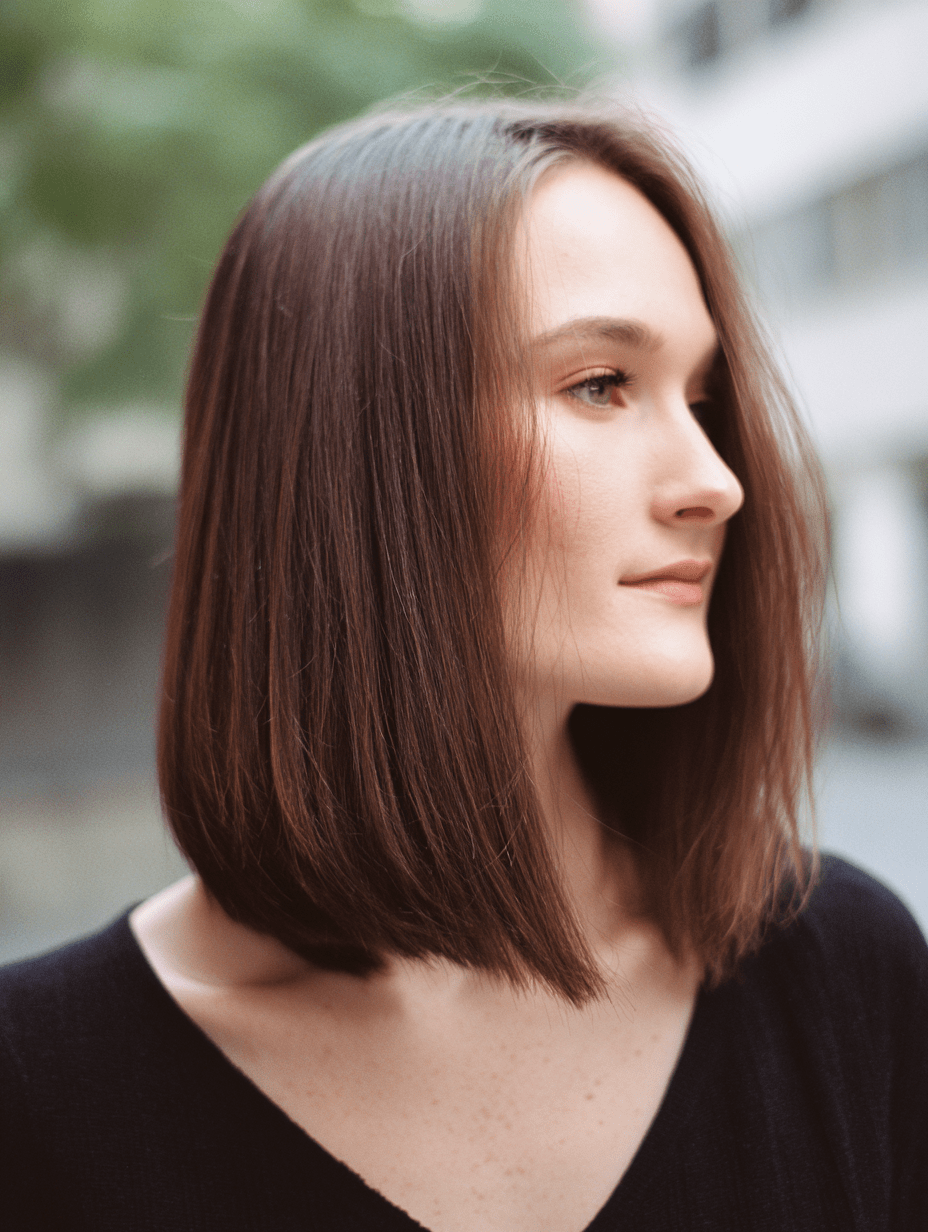
A collarbone length blunt cut balances length and thickness perfectly for thin hair.
The straight, defined ends give the appearance of density throughout the style.
Keeping layers minimal prevents the hair from looking sparse. This haircut pairs well with a center or soft side part for added balance.
Light styling with a smoothing brush enhances fullness without flattening the shape. It is a simple, flattering choice that looks consistently full.
Soft A Line Bob
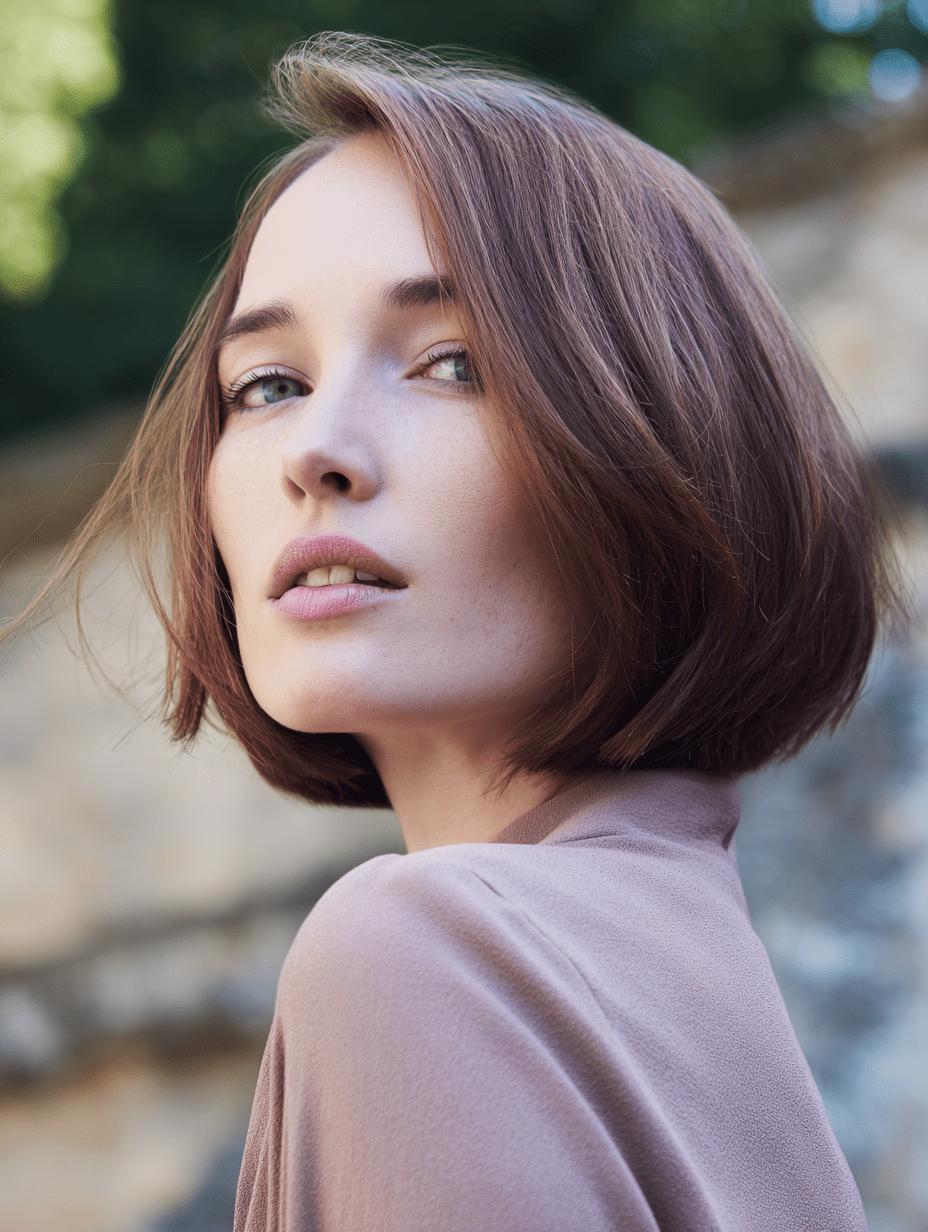
A soft A line bob creates fullness by keeping the back slightly shorter than the front.
This angle prevents thin hair from hanging flat and adds natural lift at the crown.
The longer front pieces frame the face without dragging the style down. Styling with a quick blow dry and a light volumizing spray enhances thickness.
This haircut works especially well for straight or fine hair that needs shape without heavy layering.
Short Choppy Bob
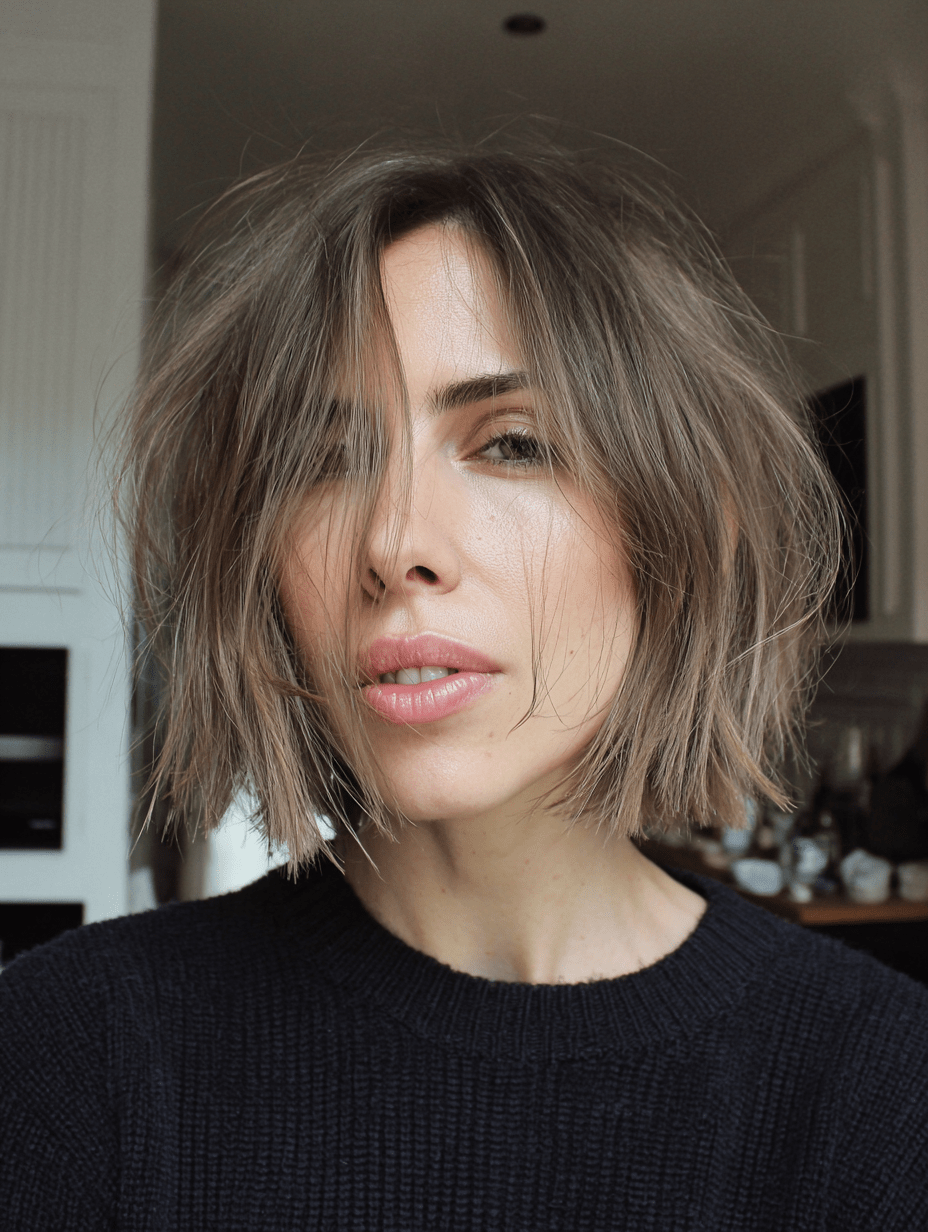
A short choppy bob uses uneven, textured ends to make thin hair look denser.
The choppiness breaks up flat sections and adds visual movement throughout the style.
Keeping the length above the jawline prevents hair from appearing limp. This cut responds well to tousled styling and air drying.
It is a great option for fine hair that struggles to hold volume and benefits from a lived in, fuller look.
Long Layers with Face Framing Pieces
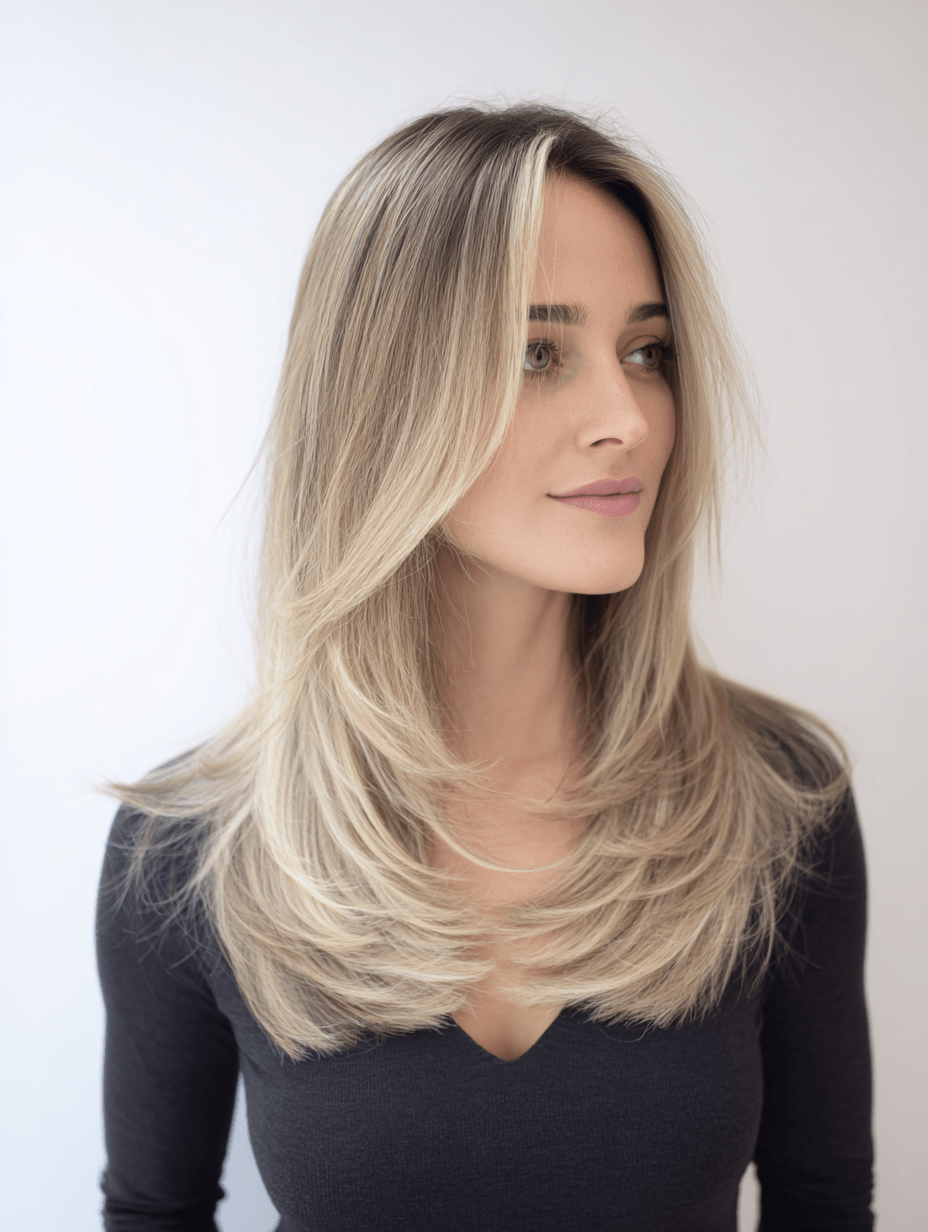
Long layers paired with subtle face framing pieces can still work for thin hair when done carefully.
The key is keeping layers light and blended, not heavily thinned.
Face framing sections add shape and movement around the front, making hair appear fuller overall. Styling with loose waves helps enhance depth and texture.
This haircut suits those who want to keep length while improving volume and softness.
Rounded Bob with Volume at the Crown
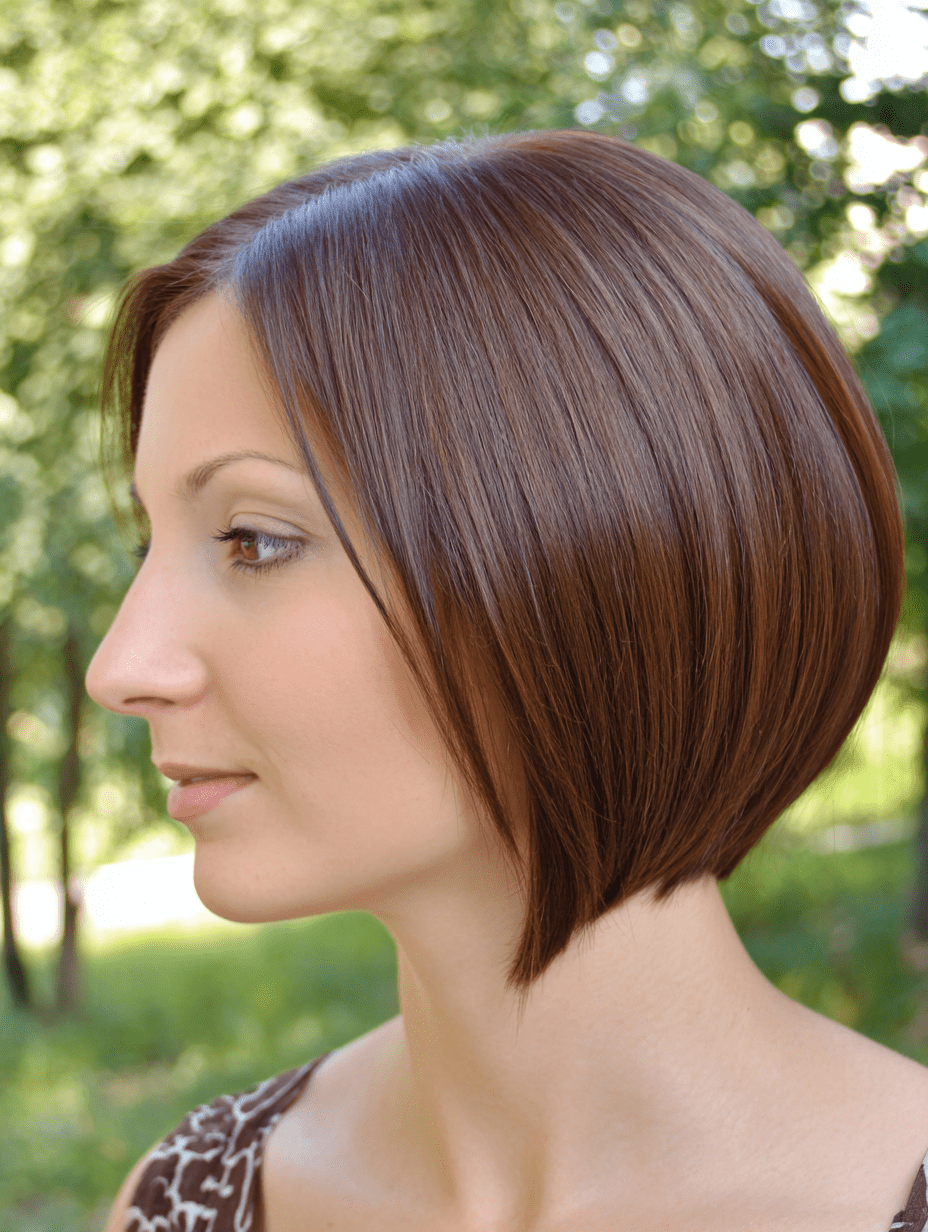
A rounded bob focuses fullness at the crown while maintaining a soft curved shape through the ends.
This structure lifts thin hair away from the scalp and creates natural body.
The rounded silhouette avoids sharp lines that can expose fine texture. Blow drying with a round brush adds instant thickness.
This haircut works well for fine hair that needs shape, balance, and a polished finish without excessive styling time.
Wispy Pixie Bob Hybrid
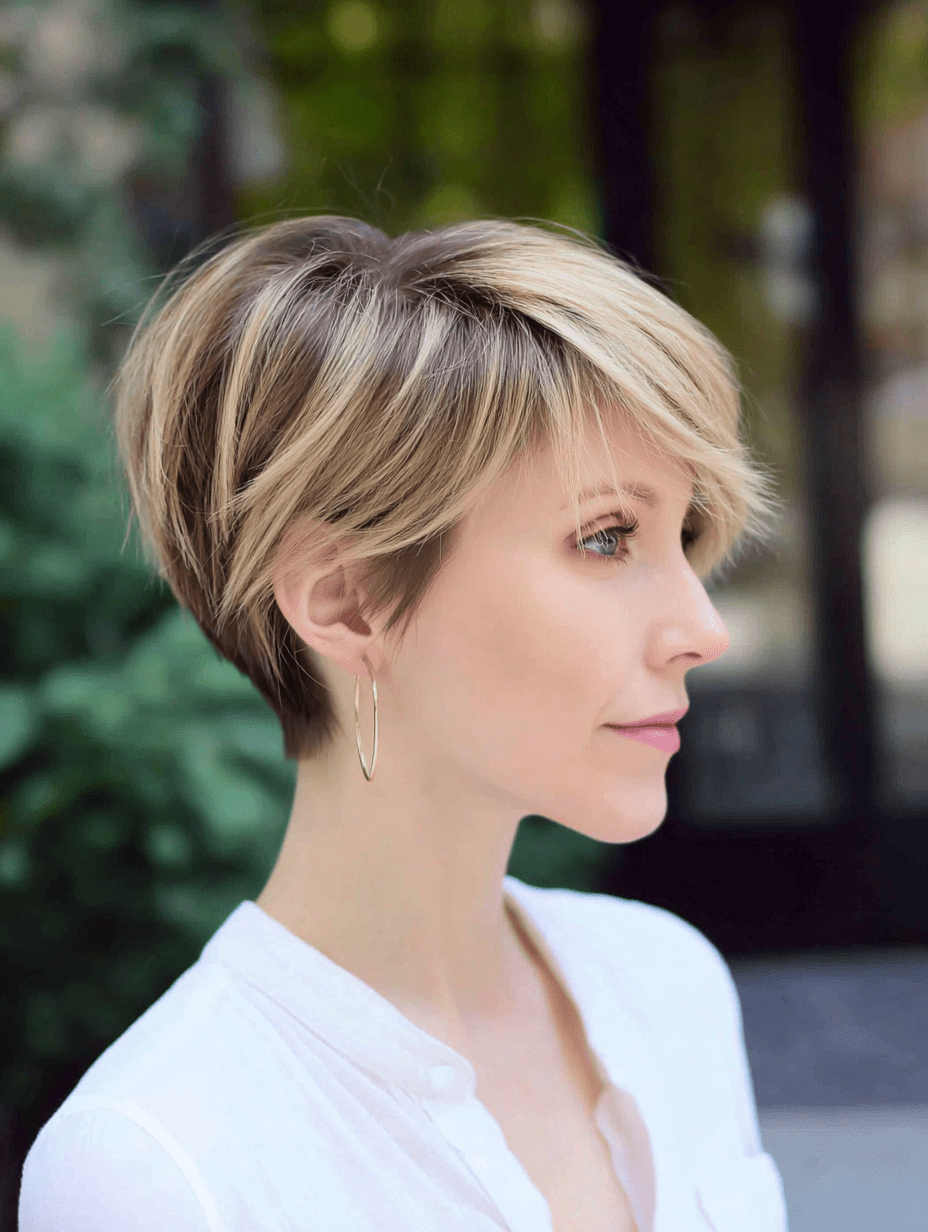
A pixie bob hybrid blends short layers with slightly longer lengths for added thickness.
The short layers boost volume at the top, while the longer sections keep the style soft and wearable.
Wispy ends prevent the cut from looking heavy or flat. Styling is simple with a touch of lightweight texture product.
This haircut is ideal for thin hair that wants lift, structure, and flexibility.
Classic Chin Length Bob
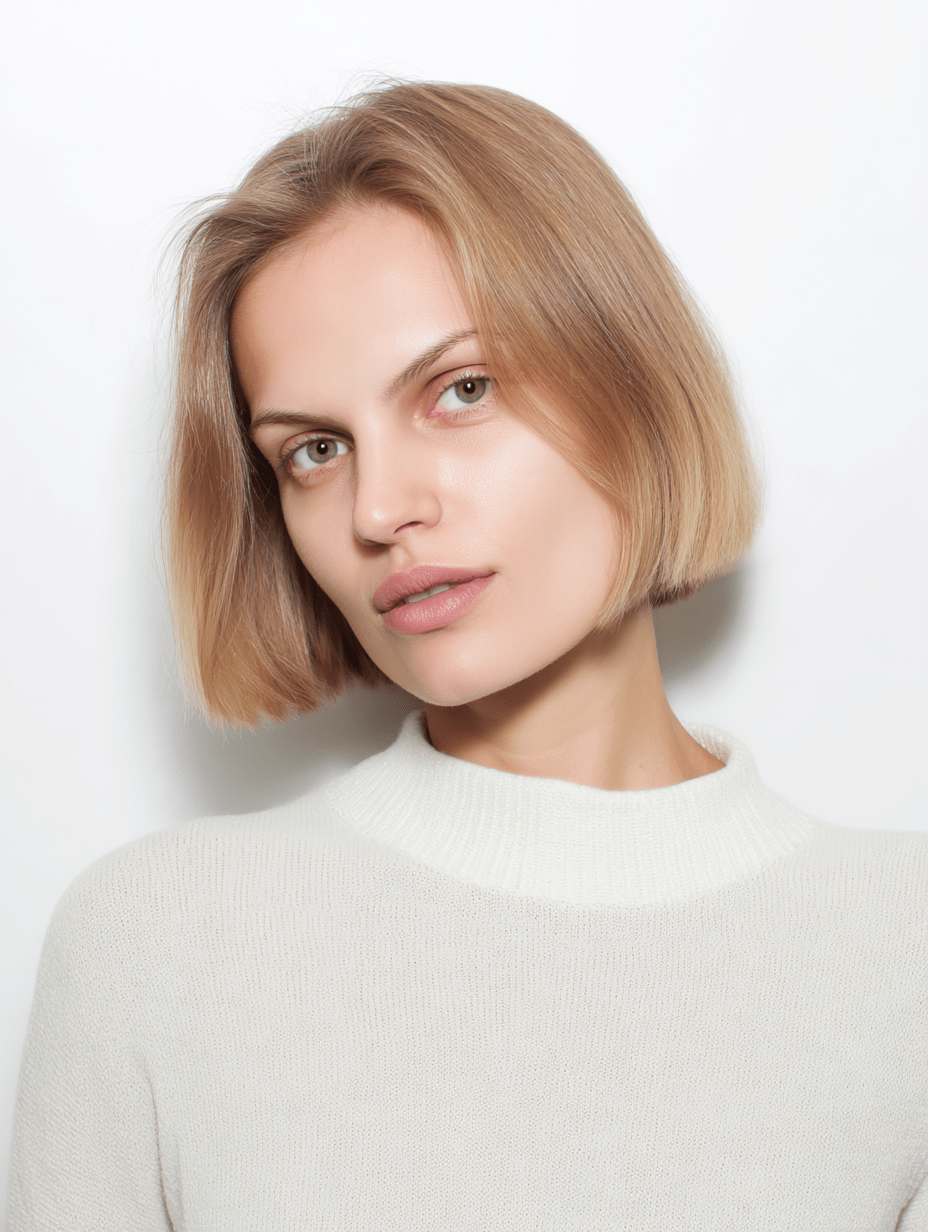
A classic chin length bob gives thin hair an instant thickness boost through its strong, defined shape.
The shorter length prevents hair from stretching flat and keeps volume concentrated around the face.
Blunt ends make strands look denser from root to tip. Styling is simple with a quick blow dry and light root lift product.
This haircut works especially well for straight or fine hair that needs structure without complicated layering.
Feathered Medium Cut
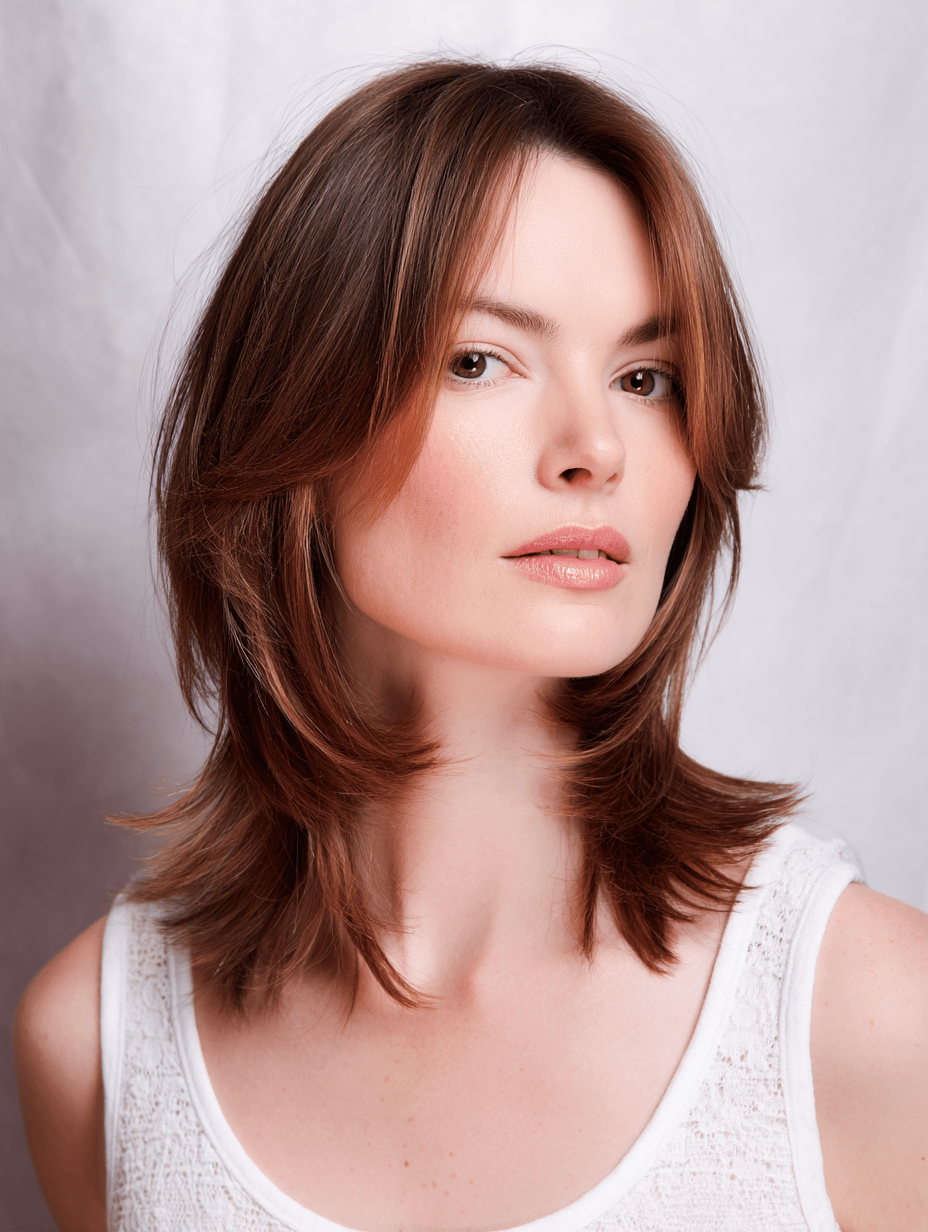
A feathered medium cut adds fullness by layering hair in a soft, outward flowing pattern.
The feathering creates movement that keeps thin hair from clinging to the scalp.
Layers are placed to lift the crown while maintaining weight at the ends. Styling with a round brush enhances the feathered effect and boosts volume.
This haircut suits fine hair that wants a fuller look while keeping a versatile, medium length shape.
Short Stacked Bob
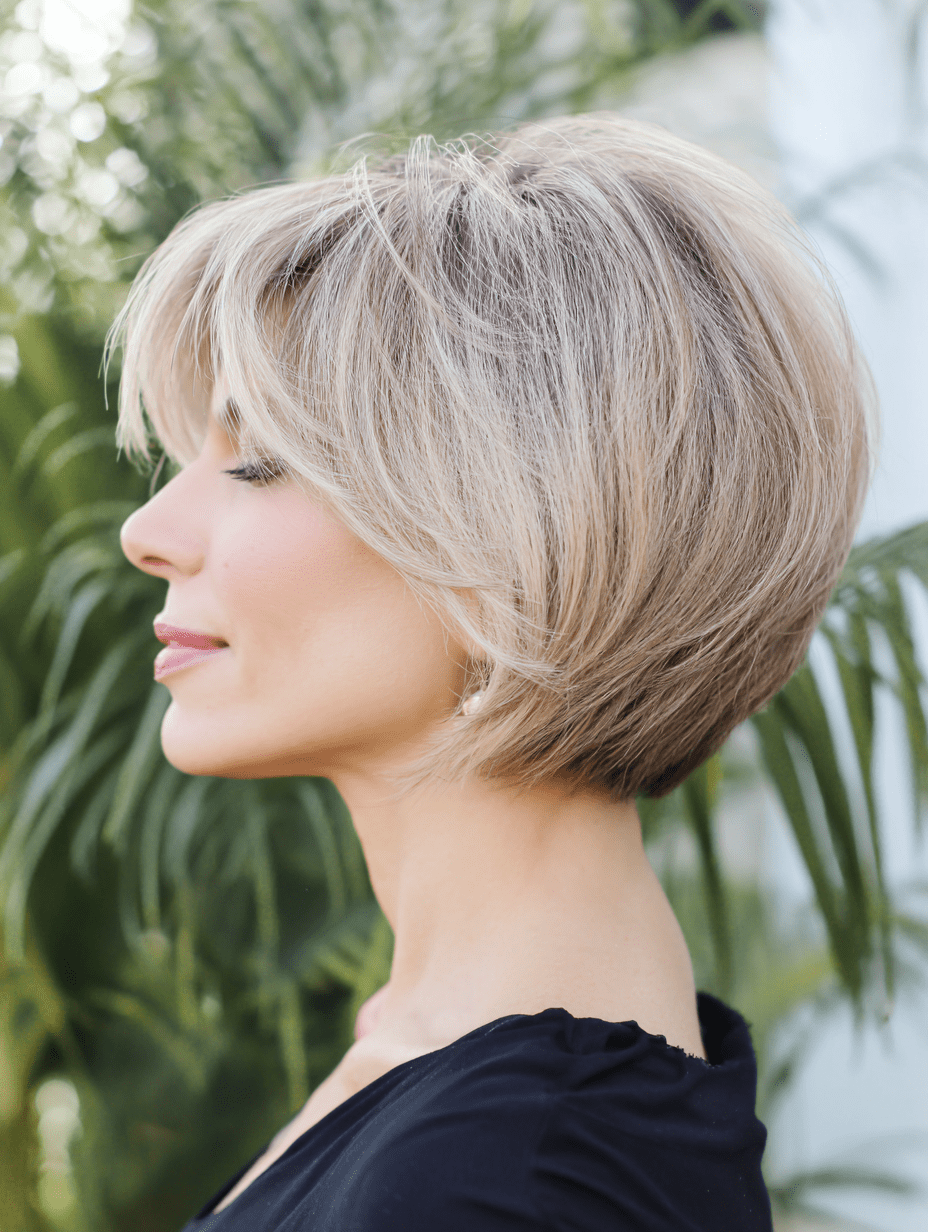
A short stacked bob builds thickness through graduated layers at the back.
The stacked shape pushes hair upward, creating natural volume at the crown. The front remains slightly longer, balancing the overall silhouette.
Thin hair benefits from this built in lift without heavy styling. A simple blow dry highlights the fullness.
This haircut is perfect for fine hair that needs height, shape, and a consistently thicker appearance.
Textured Collarbone Cut with Side Part
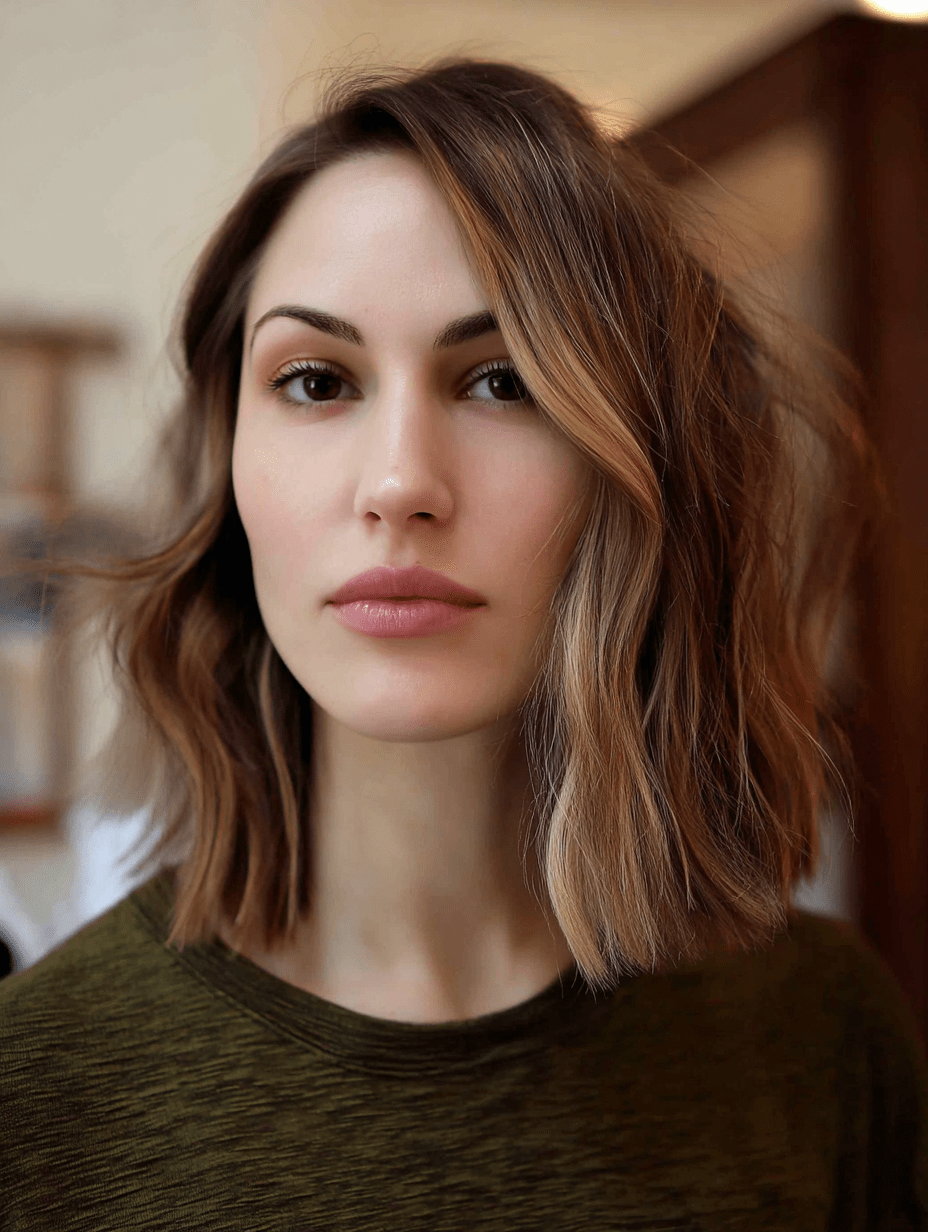
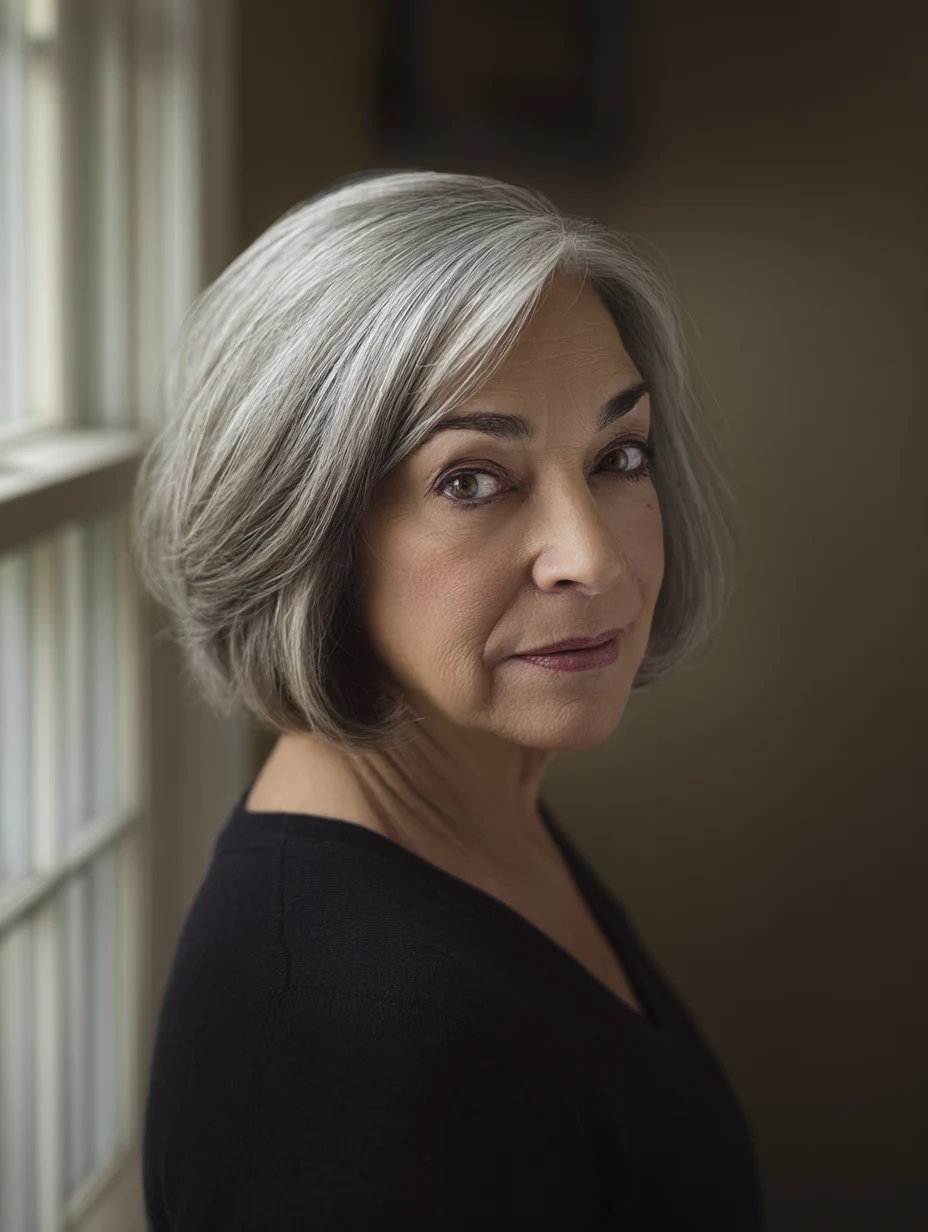
This collarbone cut uses light texture combined with a deep side part to create instant fullness.
The side part shifts volume naturally, making thin hair appear thicker at the roots.
Subtle texture adds movement without thinning the ends. Styling with soft waves enhances dimension.
This haircut works well for fine hair that looks flat with center parts and benefits from a fuller, more dynamic shape.
Short Layered Crop
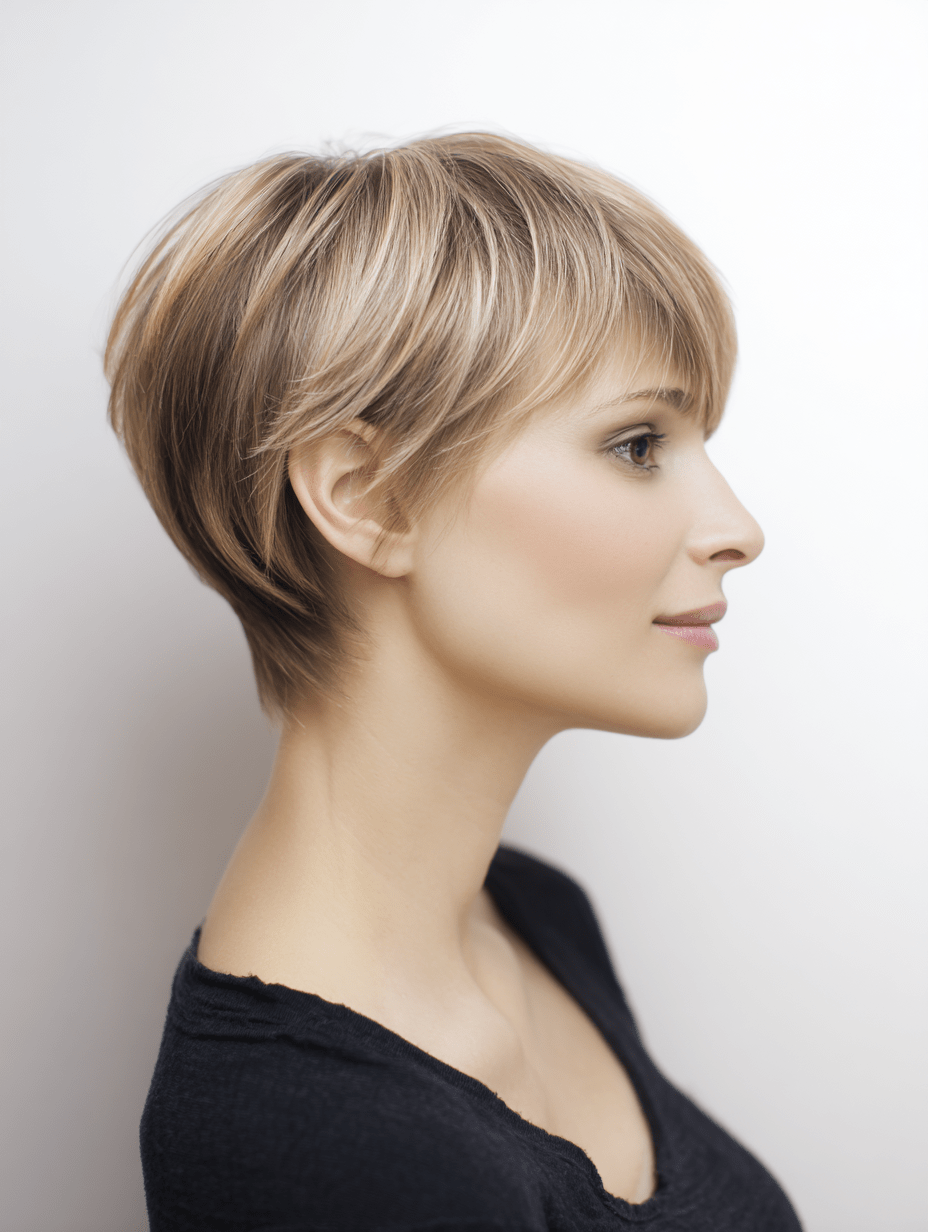
A short layered crop focuses on lift and density rather than length.
Layers are kept short and controlled to add fullness at the crown and sides.
The compact shape makes thin hair appear thicker overall. Styling requires minimal effort, often just finger styling with a lightweight volumizing product.
This haircut is a strong option for fine hair that prefers low maintenance while still looking full and intentional.
Style Guide for Thin Haircuts to Look Thicker
This guide helps you choose haircuts to make thin hair look thicker by focusing on structure, density illusion, and realistic styling habits.
Thin hair behaves differently from fine hair, and the wrong cut or product can make it look flatter.
The goal is not volume tricks that disappear by noon, but shapes that consistently support lift, movement, and fullness.
What Thin Hair Really Means
Thin hair refers to low hair density, meaning there are fewer hair strands growing on the scalp. This can happen even when individual strands feel strong or coarse.
Because coverage is limited, thin hair tends to show the scalp more easily, especially at the crown and part line.
Haircuts for thin hair must work with this limitation by creating visual density through shape, not by removing weight unnecessarily.
Common Causes of Thin Hair
Thin hair often develops due to genetics, aging, hormonal shifts, stress, or medical factors. Over time, repeated chemical processing, excessive heat, or tight hairstyles can also contribute to thinning areas.
Since many causes are ongoing or gradual, choosing a haircut that performs well long term is more helpful than chasing temporary volume fixes.
Thin Hair vs Fine Hair Explained
Thin hair and fine hair are often confused, but they describe different things. Fine hair refers to the diameter of each strand, while thin hair refers to how many strands grow overall.
Someone can have fine but dense hair, or thick strands with low density.
Haircuts to make thin hair look thicker focus on coverage and shape, while fine hair cuts focus on lift and movement. Knowing which applies to you helps avoid cuts that exaggerate flatness.
Hair Texture and Density, Why Both Matter
Texture affects how hair reflects light and moves, which impacts how thick it appears. Straight thin hair shows separation more clearly, so strong lines and controlled shapes help.
Wavy thin hair can look fuller with subtle movement, but too much layering creates gaps. Curly thin hair relies on balanced shaping to avoid sparse areas.
Density determines how aggressive a haircut can be. Lower density requires restraint to maintain visual fullness.
How Layering Affects Thickness
Layering can either help or harm thin hair, depending on placement and amount.
Minimal, intentional layers can add lift at the crown or soften the face without thinning the ends. Excessive layering removes weight and exposes the scalp.
Blunt or softly beveled ends keep the perimeter looking dense, which is key for making thin hair appear thicker.
Length Choices That Support Fullness
Length plays a major role in how thick hair appears.
Short to medium lengths reduce the weight pulling hair flat and allow volume to hold longer. Very long hair stretches limited density and emphasizes thinness at the ends.
Structured bobs, lobs, cropped cuts, and controlled shags tend to support fullness better than long, heavily layered styles.
Styling Effort and Maintenance Reality
Some haircuts require daily styling to maintain their shape, while others are designed to fall into place with minimal effort.
Thin hair often benefits from cuts that work even when air dried or lightly styled.
Be honest about how much time you spend styling. A haircut that matches your routine will look fuller more consistently.
Why Heavy Products Work Against Thin Hair
Heavy creams, oils, and masks coat the hair and weigh it down.
On thin hair, this reduces lift and causes styles to collapse quickly. Buildup can also make hair separate, revealing more scalp.
Lightweight products applied sparingly allow hair to move and hold shape without sacrificing fullness.
Practical Styling Tips for Thin Hair
Blow drying with lift at the roots creates more impact than adding extra product.
Changing your part occasionally helps prevent flat spots from forming. Using fingers instead of brushes at the finish stage keeps texture intact.
Avoid over styling. Thin hair looks thicker when it has controlled movement rather than being overly smoothed.
Necessary Products and Tools That Help
A volumizing shampoo that rinses clean supports lift from the start.
Conditioner should be lightweight and focused on the ends, not the scalp. Root sprays, mousses, and texture sprays provide support without heaviness.
Round brushes, vent brushes, and dryers with concentrated airflow help shape hair while preserving volume.
Quick Decision Guide
- If your hair has very low density, choose blunt shapes with strong outlines.
- If your hair is thin and fine, avoid excessive layering and heavy products.
- If you style daily, subtle crown layering can add lift.
- If you prefer low effort, structured cuts that hold shape naturally work best.
Choosing haircuts to make thin hair look thicker works best when the haircut, length, and styling habits support each other consistently.