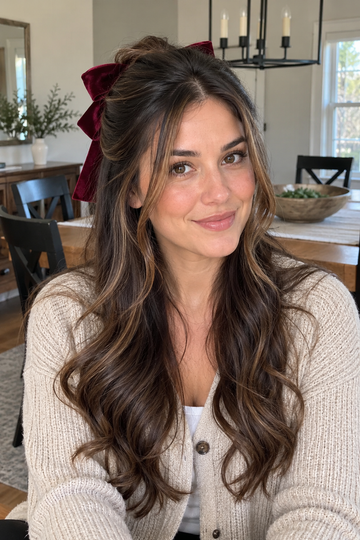
Winter light is low and indoor light is yellow, and both make dark hair look flat unless the color has depth.
That is why the season's requests lean toward gloss, deep reds, and browns, with a few bright and cool shades for anyone who wants to stand out.
Dark hair takes all of it well, whether as a rinse over natural coils, a lift on a silk press, or braiding hair with no commitment.
Each shade here says what it takes on natural hair, how it wears on installs, and how to keep it from fading in dry air.
Jump to:
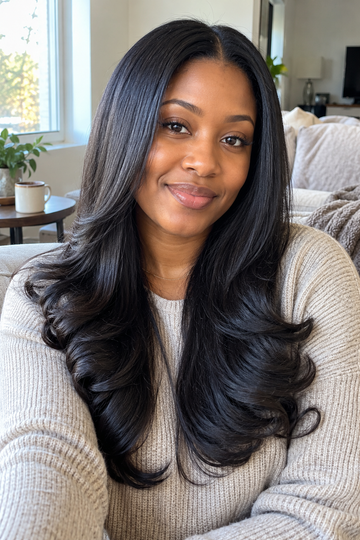
Jet Black Gloss
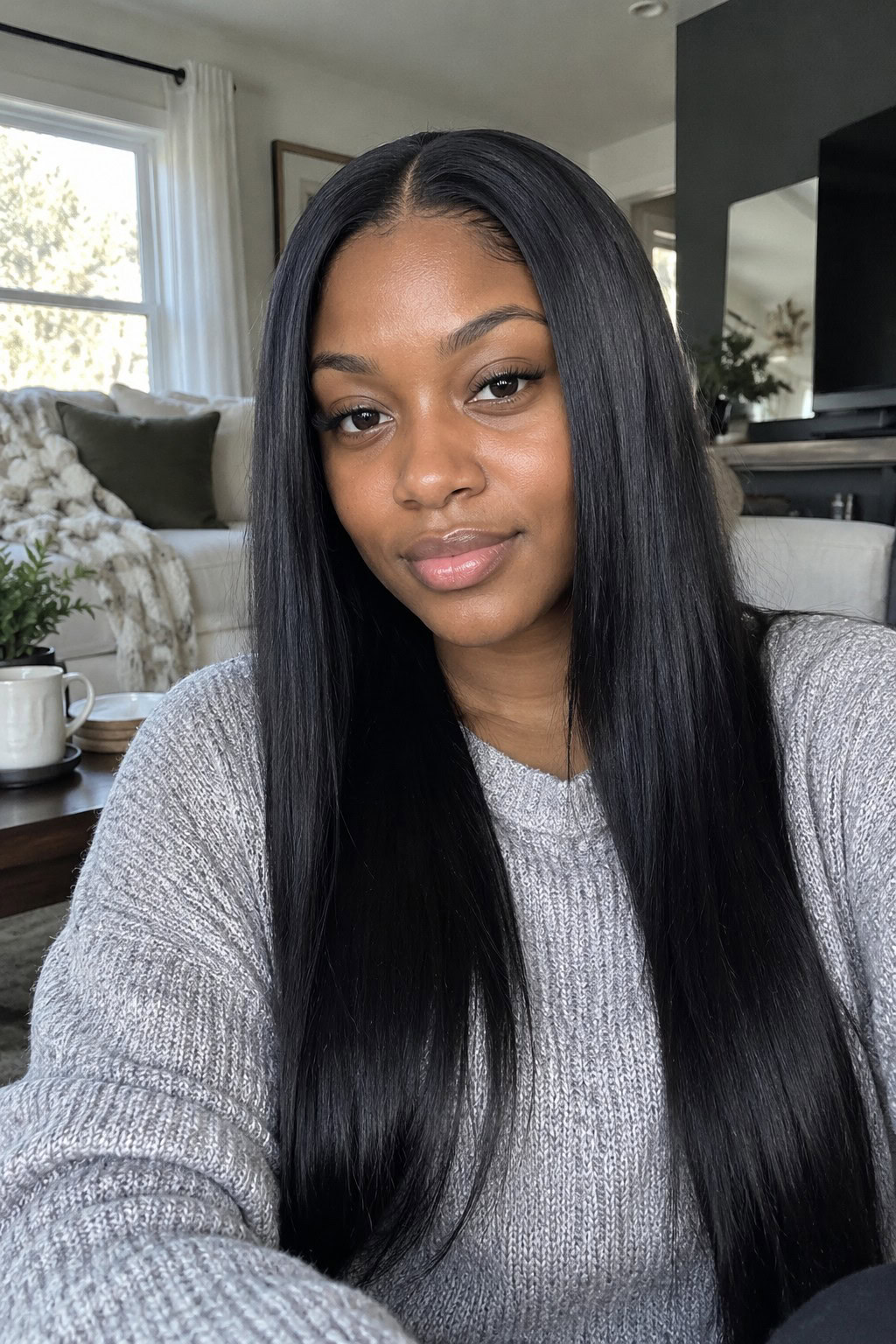
Jet black with a high gloss is the winter color that looks richest under indoor light.
The base is a true neutral black polished with a clear or black gloss for a mirror finish. On a silk press it looks like glass. On coils every curl looks sharper.
No bleach, no damage, just a rinse over the natural color. It works on natural hair, braids, and wigs.
Refresh the gloss every six weeks, and a shine serum keeps the finish between visits.
Burgundy
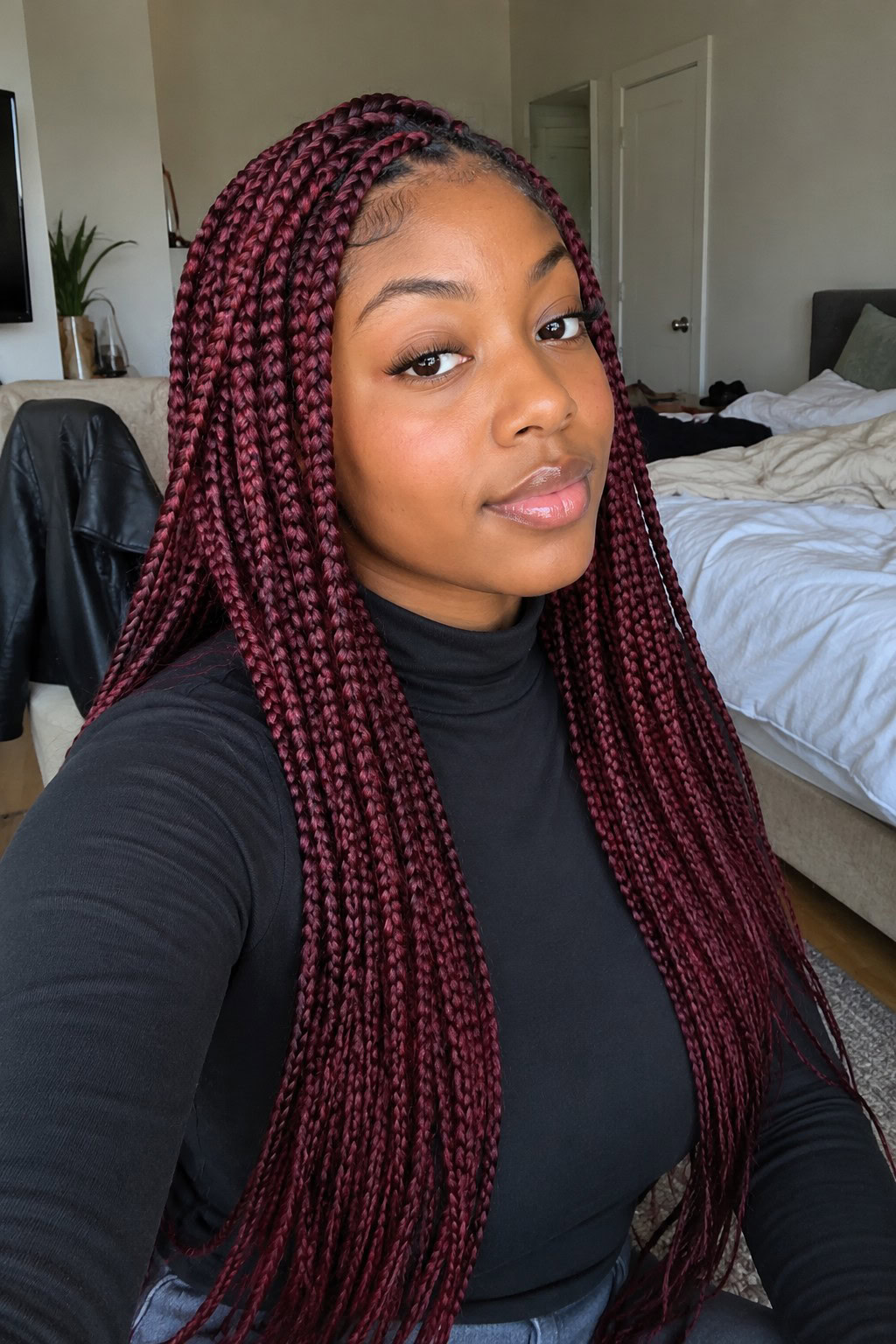
Burgundy on dark hair looks nearly black indoors and glows deep wine the moment it hits window light, which is exactly what winter needs.
On natural black hair it needs no bleach, just a burgundy permanent or a rinse over a clean base.
Burgundy braids, twists, and locs are a cold-weather staple. Deep and cool complexions wear it best.
Fading goes toward a soft plum brown. Wash in cool water and keep a red-violet depositing conditioner in the shower.
Honey Blonde
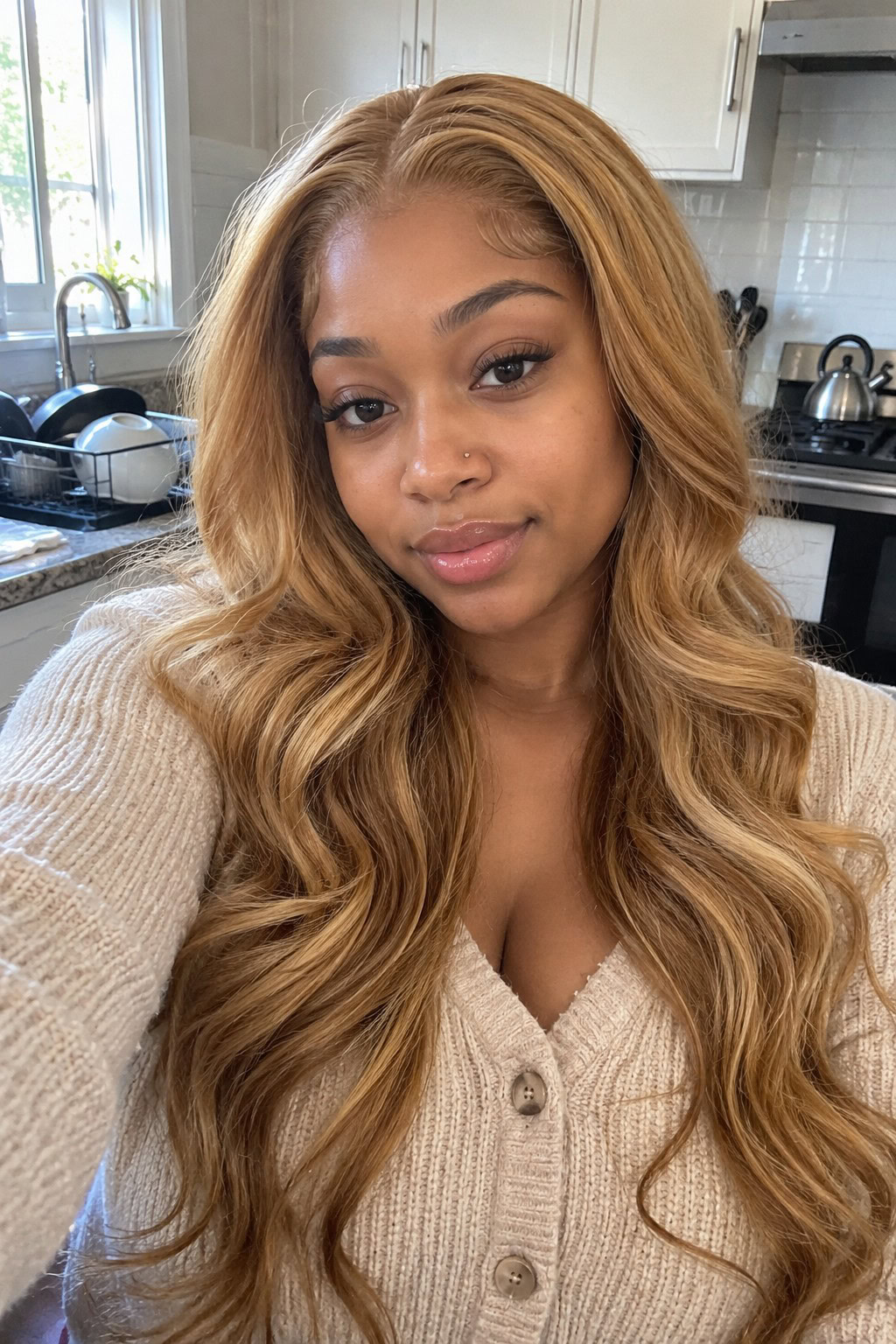
Honey blonde against deep skin stays warm and bright through the grayest winter months.
It is a golden medium blonde with amber depth. Natural hair needs lightening to a level eight or nine, so book a bond-building treatment. Many women will skip the bleach entirely and wear it on braids, a wig, or a sew-in.
Dry winter air is hard on lightened coils, so deep condition weekly. A gold-toning gloss keeps the honey from cooling off.
Espresso Brown
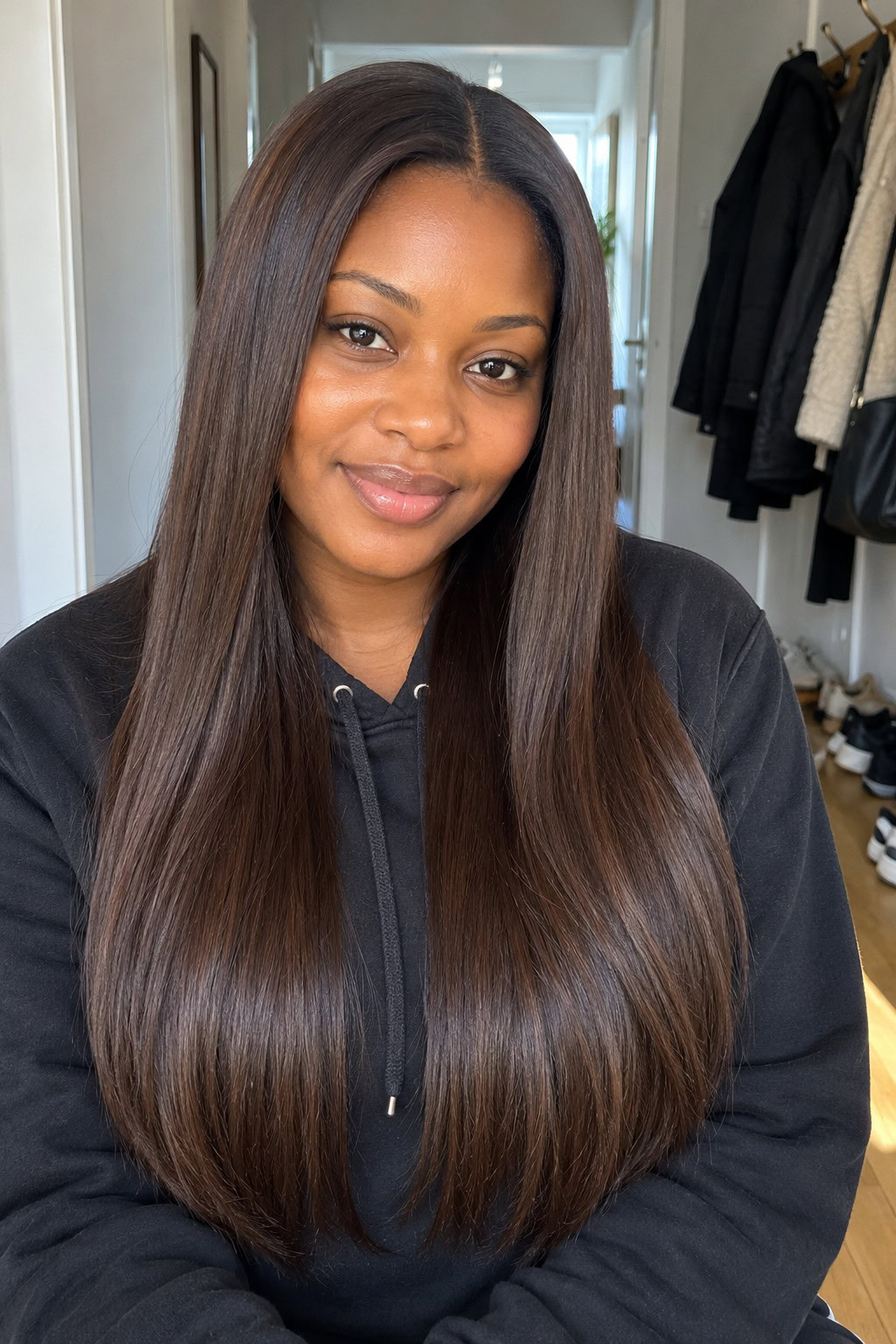
Espresso is the deepest cool brown before black, and under winter light it looks expensive on a silk press.
A demi-permanent over natural black softens the base just enough to notice. Every complexion wears it, and it photographs as pure luxury.
Regrowth is invisible. Espresso wigs and closures look more natural than jet black on most skin tones.
A clear gloss every eight weeks keeps the glass-like shine through the dry months.
Chocolate Brown
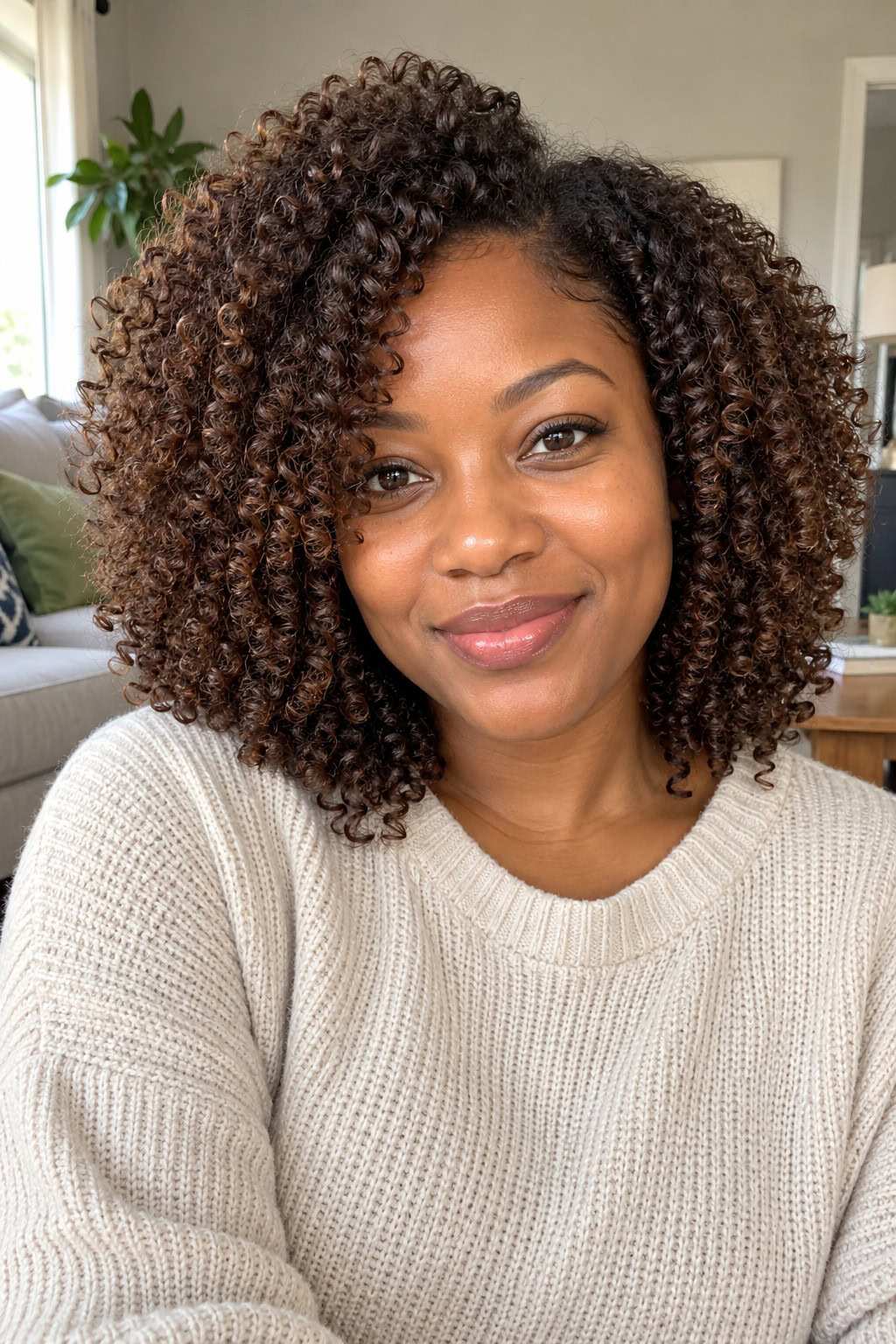
Chocolate brown softens natural black hair into a warm medium-dark brunette without bleach.
A permanent color lifts the base a shade or two and adds a glow that shows most on a silk press or a defined wash and go.
Chocolate braiding hair and wigs look warmer than jet black against winter coats and scarves. Regrowth is nearly invisible.
A gloss every eight weeks keeps the shine. Warm and neutral complexions get the most from it.
Deep Copper
Deep copper in winter leans redder and richer than the bright summer version, and it catches every bit of low light on textured hair.
Natural hair needs lightening to a light brown for the copper to show fully. A copper demi-permanent over pre-lightened hair keeps damage lower.
Copper braiding hair and wigs are everywhere in cold months. Copper fades fast, so use a copper-depositing conditioner.
Refresh the gloss every four to six weeks.
Black Cherry
Black cherry passes for a glossy black in most rooms and shows a deep cherry red only when the light hits.
A cherry rinse over near-black hair gets there with no bleach. It is the winter red for anyone who wants color without visible color.
On a silk press the red flickers through the lengths. On coils it shows at the ends. Cool and deep skin tones wear it best.
Touch-ups are rare since the base is so dark.
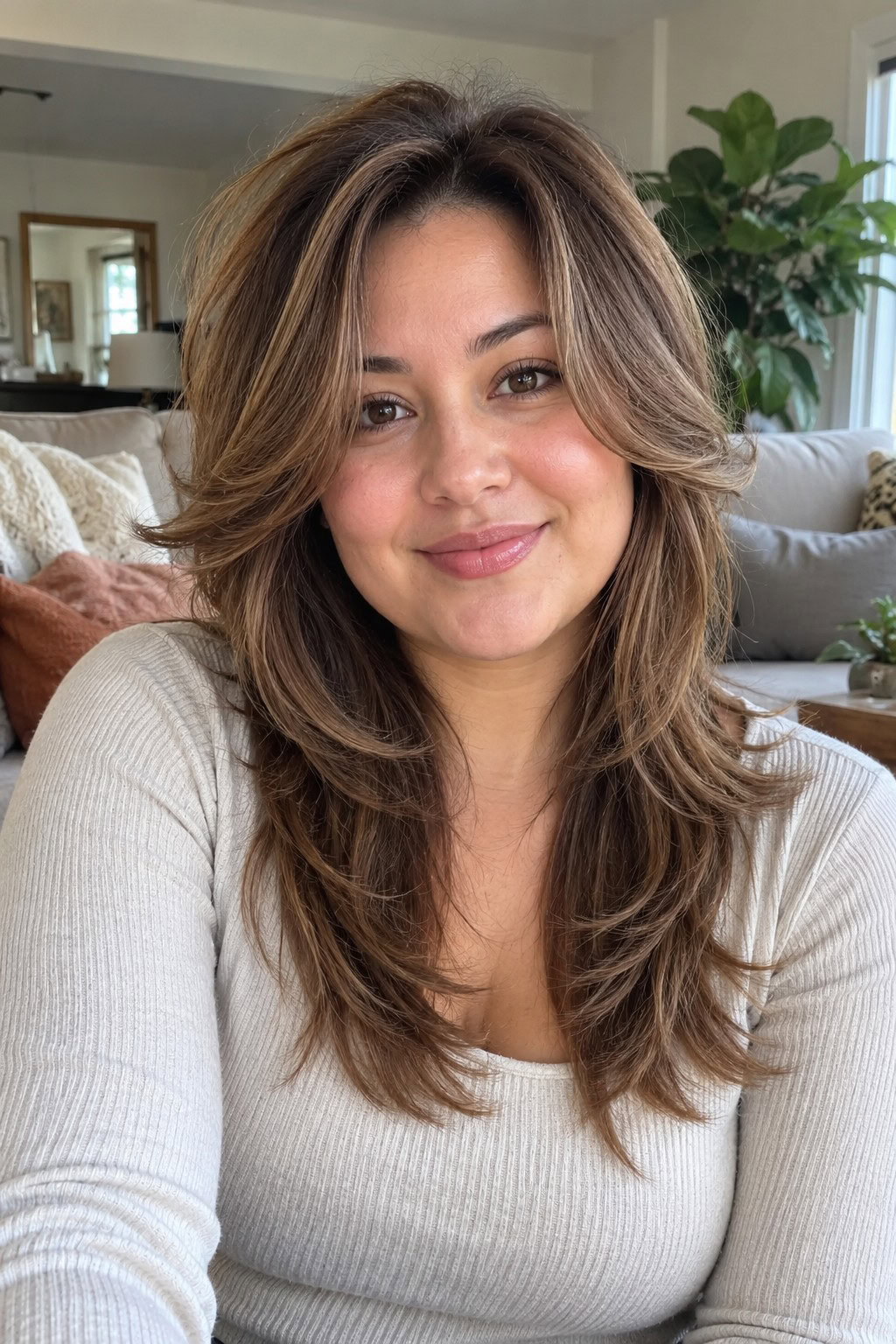
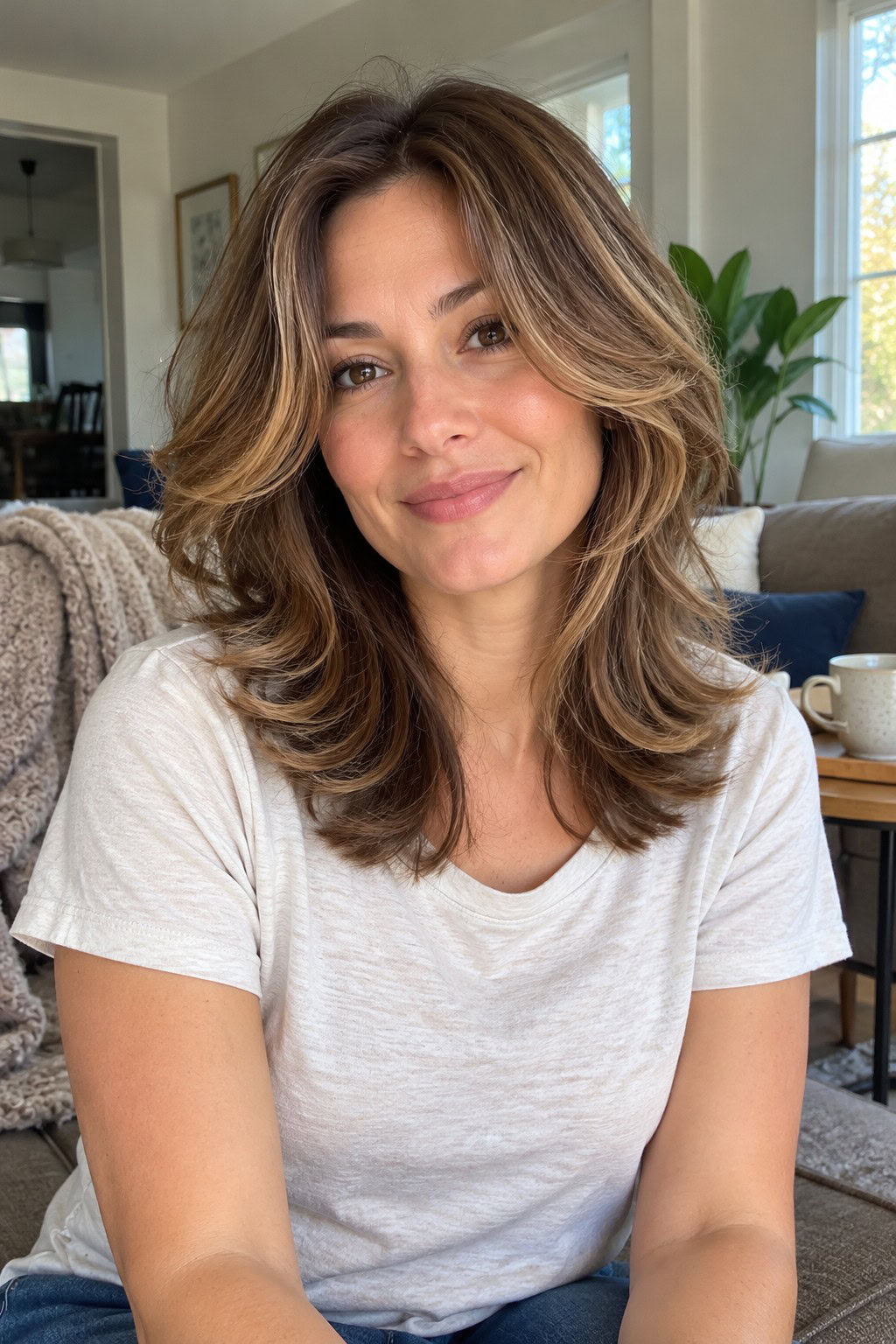
Caramel Highlights
Caramel highlights on dark brown hair add warmth to winter without a full color change.
Stylists paint caramel onto the outer curls or through a silk press so the color sits on the surface.
Only the painted pieces are lightened, which limits damage on coils. The dark base stays, so grow-out is nearly invisible.
A warm gloss every six weeks keeps the caramel from going yellow. Deep condition weekly, since cold air dries lightened pieces fast.
Dark Auburn
Dark auburn is a deep reddish brown where the red is built into the base rather than sitting on top.
On dark hair it needs only a light lift or a permanent red-brown. Indoors it passes for brunette, in daylight it glows.
Auburn braiding hair is one of the most popular cold-weather picks for knotless and boho styles.
Fading is slower than lighter reds. A monthly gloss and cool rinses keep it rich through the season.
Plum
Plum is a deep purple with red undertones, dark enough to pass for black until the light hits.
On natural hair a plum rinse shows as a purple glint in daylight.
On lightened hair it is fully saturated. Plum braids and passion twists are a bold winter pick. Cool and deep skin tones carry it best.
Semi-permanent versions fade to a soft mauve over six weeks. A purple color-depositing mask at home brings it back.
Mahogany
Mahogany is a dark brown with a red-violet cast, richer than auburn and browner than burgundy.
On natural black hair a mahogany permanent adds a deep glow without bleach. It looks polished on a silk press and rich on locs.
One process covers grays well, which makes it a favorite with women over forty. Fading is slow, so touch-ups wait eight weeks.
Maintain with a cool-water rinse and a red-brown color mask. It is the quiet winter red.
Blue-Black
Blue-black is black with a cool blue sheen that shows in daylight and looks like ink on a silk press.
A blue-black rinse over natural hair needs no bleach.
Blue-black braiding hair looks richer than plain black under winter light. The blue tone fades first, leaving a neutral black, so a blue gloss every six weeks keeps it.
Cool and deep skin tones wear it best. It pairs with every winter coat color.
Brown Sugar
Brown sugar is a light, warm golden brown that sits between chocolate and honey blonde.
Natural hair needs lifting to a level six or seven, gentler than going blonde.
It glows against warm and deep skin in low winter light. Brown sugar braiding hair blends with dark roots, so the grow-out never shows.
A warm gloss every six weeks keeps it from fading to dull tan. Deep condition weekly through the cold months.
Red Velvet
Red velvet is a true, saturated red with just enough brown to stay wearable, and it is the holiday color of the season.
Natural hair needs some lightening for the red to show fully. Red wigs and braiding hair deliver it with zero damage.
It glows against deep skin and turns heads in winter light.
Reds fade fastest, so a gloss every four weeks is part of the deal. Cool water and a red-depositing conditioner stretch it.
Blonde Money Piece on Black
A blonde money piece lightens only the two front sections and leaves the rest black.
The contrast frames the face and is the least commitment way to try blonde on natural hair.
Only a small area is bleached, so damage stays minimal. Tone the pieces honey or butterscotch for winter rather than icy.
It works on a silk press, curls, and a sleek ponytail. Refresh the toner every six weeks and deep condition the front pieces.
Caramel Blonde
Caramel blonde is deeper and browner than honey, a toasted sugar tone that looks warm against winter neutrals.
On natural hair it needs lightening to a level seven or eight, slightly less than honey blonde.
Many women wear it on a bob wig or a frontal for the season. It flatters warm and deep complexions in low light.
A warm gloss every six weeks keeps it from dulling. Deep condition weekly if the natural hair is lightened.
Icy Platinum
Icy platinum against deep skin is the boldest winter color on this list, and it is fully back.
Natural hair needs a full lightening process and a bond-builder every time, so many women choose a short cut like a TWA or a pixie to manage damage. Others wear it on a wig. Tone it cool and white for winter rather than warm.
Roots show fast, so touch-ups every five weeks. Deep condition weekly and use purple shampoo to stop yellow.
Midnight Blue
Midnight blue is a deep navy that looks black until the light catches it, the most wearable blue for winter.
On dark hair it needs no bleach, just a blue semi-permanent over a clean base. On lightened hair it is fully saturated.
Midnight blue braiding hair looks rich under indoor light. Blue fades toward teal, so a blue-depositing conditioner is essential.
Cool water and fewer washes stretch it. Cool and neutral complexions carry it best.
Smoky Silver
Smoky silver is a cool metallic gray that looks striking against deep skin and matches the season.
Natural hair must be lightened to pale blonde first, so most women wear it on a wig, braids, or locs to skip the damage.
Gray braids and silver locs are a real winter trend. Tone it smoky rather than bright white.
A silver-depositing shampoo keeps the tone. It pairs with black, charcoal, and cream coats.
Cranberry
Cranberry is a cool, pink-leaning red, brighter than burgundy and less orange than cherry, and it looks like the holidays.
Lightened hair takes it fully, dark hair gets a deep tint from a rinse. Cool complexions wear it best.
It fades toward a rosy brown over six weeks. Cranberry braiding hair and wigs deliver the look with no bleach.
Cool water and a red-violet depositing conditioner keep it fresh. A sleek middle part shows the tone evenly.
Rust
Rust is a deep, muted orange-brown, darker than copper and warmer than auburn.
It is the winter version of orange, toned down to match wool and leather. On natural hair it needs lightening to a light brown first.
Rust braiding hair and faux locs are a cold-weather favorite because they need no bleach. It glows against deep skin.
The shade fades toward a soft copper. A color-depositing orange conditioner keeps it deep.
Ash Brown
Ash brown is a cool, smoky medium brown with no red or gold, the opposite of every warm shade on this list.
Natural hair needs a light lift, then a blue-violet toner to cancel warmth.
Cool and neutral complexions carry it best. Ash brown wigs and braiding hair are a fresh alternative to the usual winter reds.
It fades warm over time, so use a blue shampoo weekly. It looks sharp with a silk press and a middle part.
Mauve Brown
Mauve brown is a brunette with a dusty pink-purple tint layered over it, subtle indoors and visible in daylight.
It is the soft option for anyone who wants winter color without shock.
Stylists apply it as a gloss over light or medium brown hair, so natural hair needs a lift to level six first. Mauve brown wigs skip the lift entirely.
The tint washes out gently over five weeks. Refresh with a mauve or pink conditioner at home.
Forest Green
Forest green is a deep jewel tone that feels right in winter, dark enough to look rich rather than neon.
Natural hair needs lightening to a medium blonde for the green to show clearly. On very dark hair it appears as a green sheen.
Green braiding hair and wigs deliver it with no bleach. Green fades toward teal, so a green-depositing conditioner keeps it true.
It pairs with camel, black, and cream coats. Expect compliments.