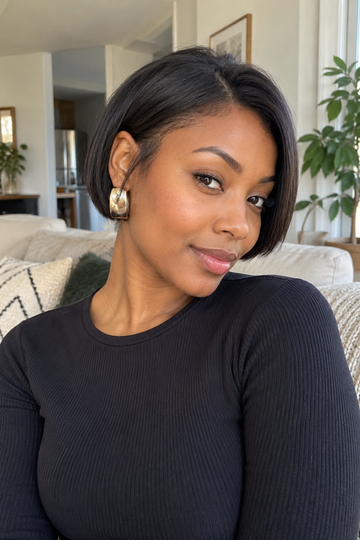
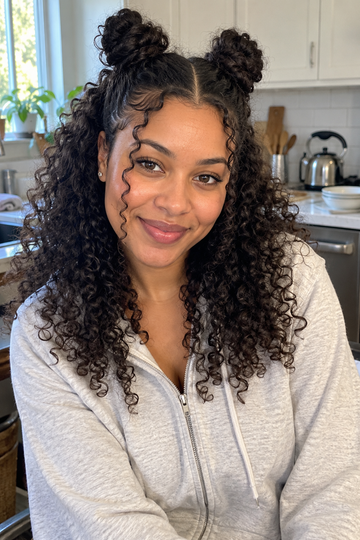
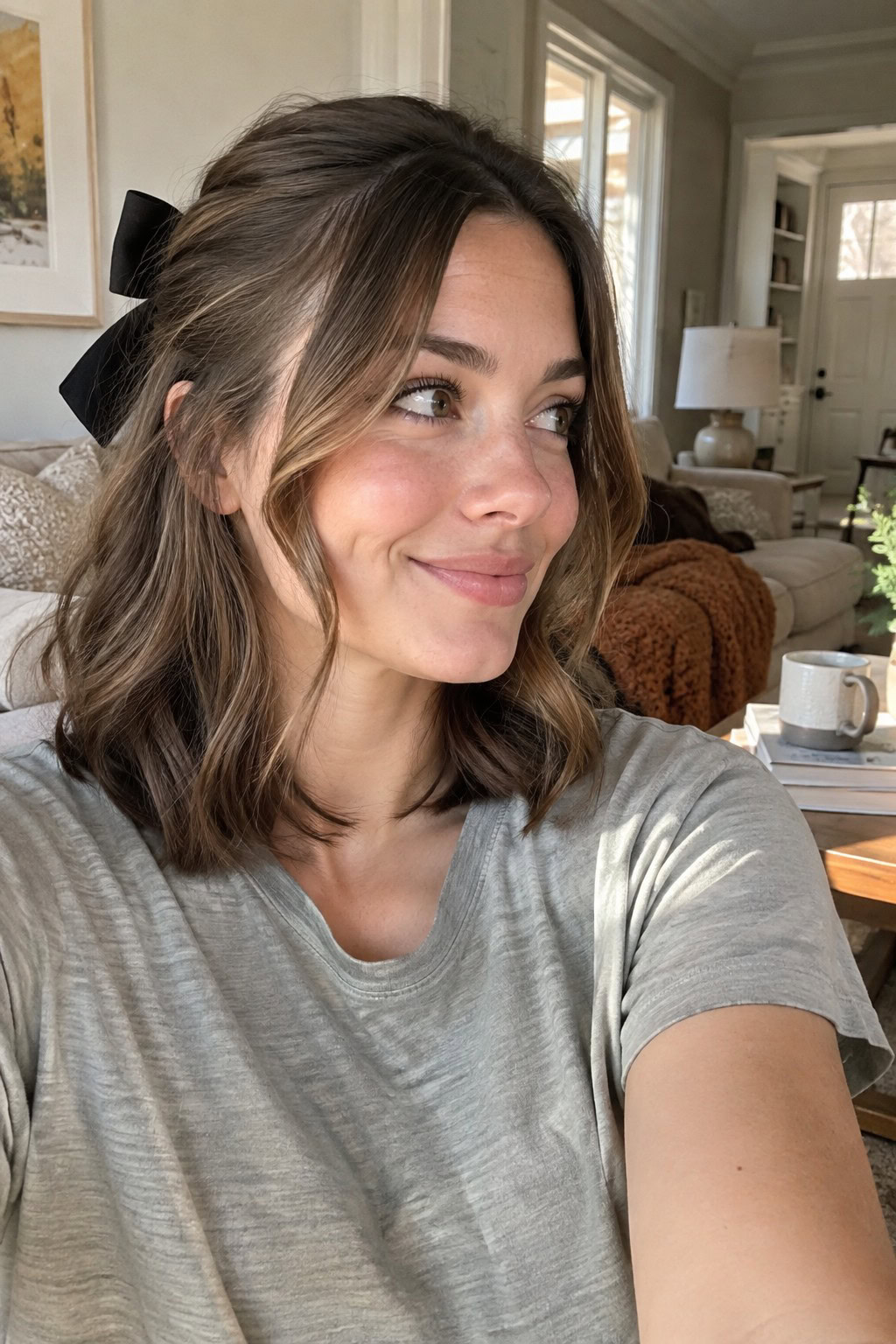
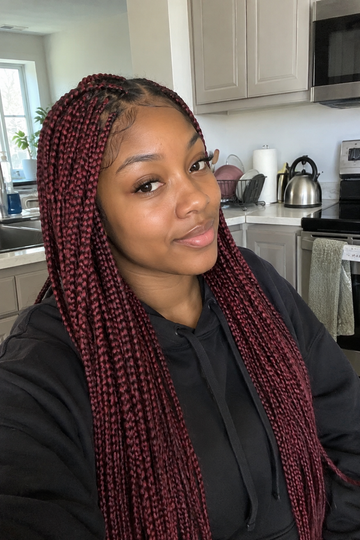
The colorist consensus going into 2026 is that high-contrast, freshly-painted hair is out. The shades getting requested most this year look like they've been earned over a summer in the sun, not booked at a four-hour appointment two days ago. That means warmer blondes, dimensional brunettes, softer coppers, and glosses that do more work than the highlights themselves.
The 24 colors below cover what colorists at major salons are actually formulating right now, with the technique to ask for and how to keep each one from going brassy, dull, or flat between visits. A few are bold, most are wearable, and all of them photograph well in real light. Bring inspiration photos taken outdoors, not in salon lighting, since that's where you'll actually see your hair.
24 Hair Colors for Women in 2026
Crème Brûlée Blonde
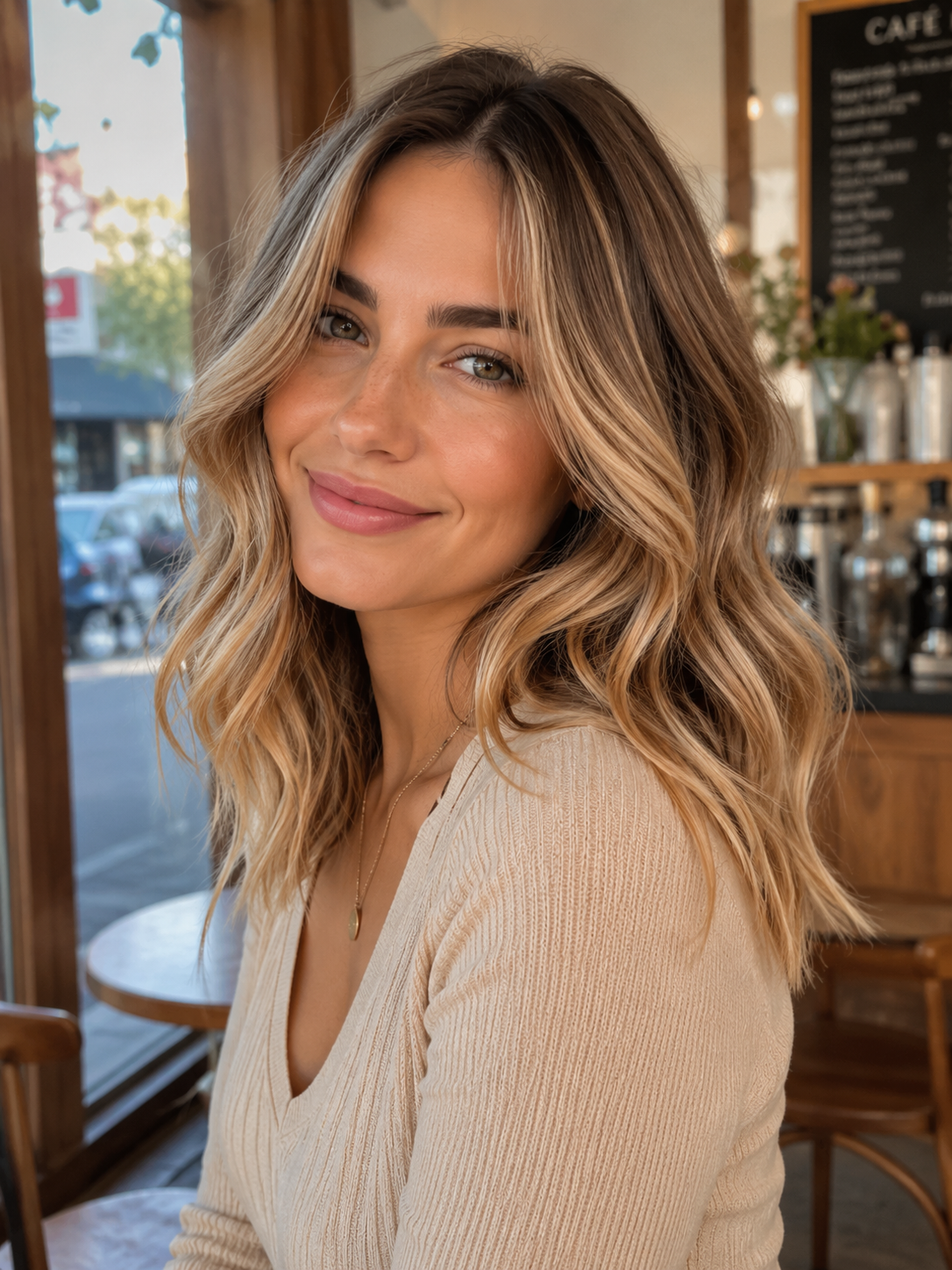
Bella Hadid's colorist coined this shade, and it's been the most requested blonde for a year running. The formula combines biscuit-toned roots with toffee, caramel, and buttery sweeps through the lengths. The root shadow keeps maintenance manageable, which is the actual selling point. Tell your colorist you want a soft root smudge and lived-in balayage, not a full bleach pull. A weekly purple mask keeps the lengths from pulling brassy, but use it sparingly since overuse can dull the warmth that makes the color work.
Smoked Suede Espresso
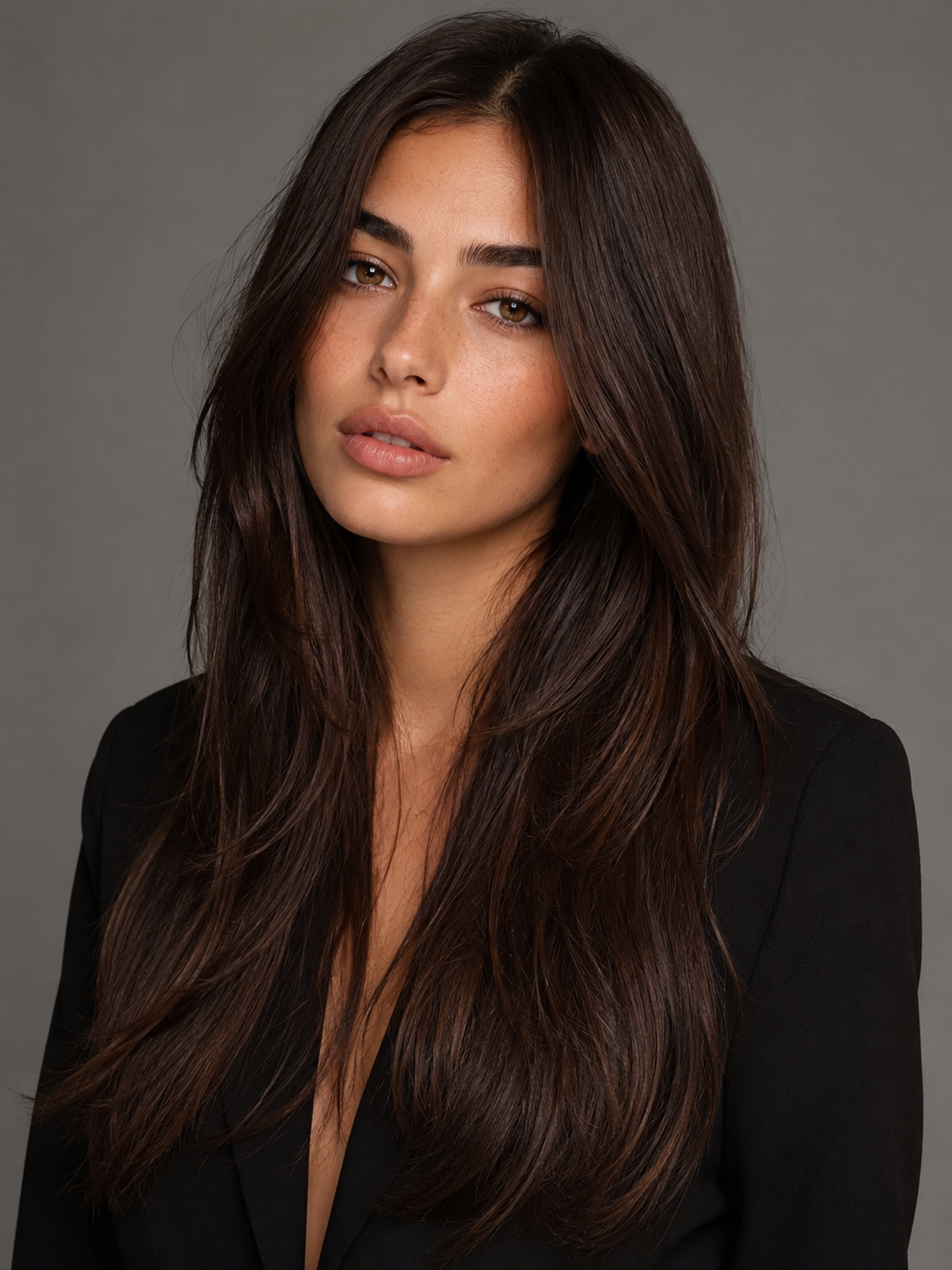
LA colorist Jacob Schwartz named this dimensional dark brown, and the appeal is in the tone-on-tone blending. Smoky undertones layered with subtle warmth keep the color from reading flat. The technique relies on a glossing service rather than highlights, which means less damage and a smoother grow-out. A demi-permanent gloss every six to eight weeks maintains the depth. Skip clarifying shampoo more than once a month, since it strips the tonal layers that give this color its dimension. Olaplex No. 7 bonding oil keeps the shine consistent.
Ethereal Blonde
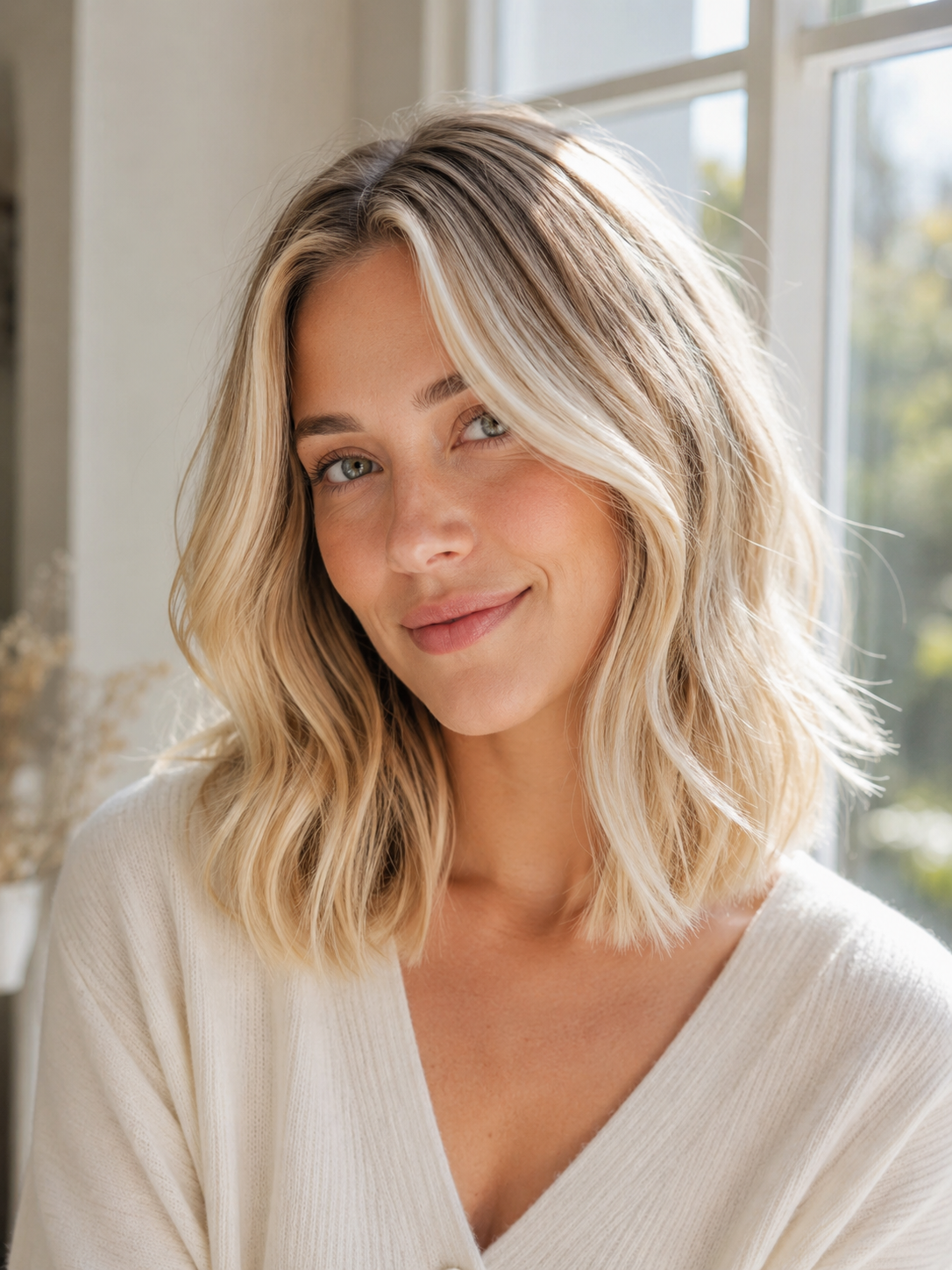
The settled-in evolution of crème brûlée blonde, this shade adds delicate lowlights for a halo effect around the face. The result is creamy and light-reflective without the bright contrast of traditional highlights. Bring your colorist photos taken in natural daylight, not selfies with ring light. The technique uses fine babylights through the surface layers and a buttery root tap. Maintenance runs about every twelve weeks because the grow-out is soft. A nourishing hair oil on dry ends keeps the lengths from looking thirsty.
Cool Charcoal Brunette
For anyone tired of warm browns, cool charcoal brunette is the antidote. The shade calls for a uniform application with no highlights, just a crisp ash-toned brown from root to tip. The ash undertones counter any natural warmth, which is harder than it sounds if your hair pulls red. Your colorist will likely use a permanent ash-based formula with a violet additive to neutralize warm pigments. This color flatters cool and neutral skin tones, especially under cooler lighting. Refresh with a blue-toning gloss every six weeks to maintain the depth.
Cowgirl Copper
Soft, lived-in copper is the most wearable version of red that the year has produced. The shade blends warm copper with dark blonde depth, which keeps it from looking brassy or costumey. A balayage technique works better than full color here because it lets the copper sit through the mid-lengths and ends while keeping the roots natural. Color-safe shampoo is non-negotiable, since red molecules are the fastest to wash out. A copper-depositing gloss every four weeks extends the color significantly.
Toasted Almond Brown
A sophisticated update to neutral brunette, toasted almond brown blends warm and neutral browns with ribbons of almond-toned blonde. The dimension comes from balayage or fine highlights rather than a solid color application. Tell your colorist you want subtle movement, not contrast. The shade grows out cleanly, which is why it's a favorite for clients who only book a few salon visits per year. A bond-repair shampoo two to three times a week keeps the lengths shiny without stripping the tonal balance.
Butter Blonde
Brown butter blonde sits between golden and neutral, with buttery warmth and soft honey undertones. Think of it as the wearable version of platinum, with no harsh contrast and no over-processed feel. Colorists are achieving this with a combination of foilayage and a Redken Shades EQ gloss. The result is glossy enough to photograph well but soft enough to grow out without a hard line. Maintenance is about every eight to ten weeks. Skip swimming in chlorinated pools without a leave-in barrier, since chlorine pulls blonde green fast.
Dimensional Cocoa Brunette
Revlon ColorSilk ambassador Cass Kaeding predicted this for spring 2026, and salons across the country are now booked out for it. The shade blends a medium-to-deep brunette base with subtle ribbons of mocha, caramel, and soft chestnut. Your colorist creates the dimension with hand-painted balayage rather than foils, which keeps the highlights from looking striped. This works on most skin tones, but the warm chestnut ribbons photograph best on warm and neutral undertones. A weekly gloss treatment at home extends the color between salon visits.
Lush Truffle Brunette
Stylist Barron-Hough's name for this expensive-looking shade describes it well. Rich, warm-toned brown with glowy red undertones and indulgent truffle pigments. It reads softer than a standard brunette and far less flat. For multi-textured hair, ask for a semi-permanent color rather than a permanent one, since the demi-permanent options add depth without committing the hair to chemical lift. The color suits cool and neutral skin tones beautifully. Use a sulfate-free shampoo to keep the red undertones from washing out within a few weeks.
Apricot Blonde
Last year's cowgirl copper has softened into apricot blonde for 2026. The shade blends a warm, peachy gold with soft blonde, landing somewhere between strawberry and butter blonde. Your colorist will likely use a Wella Illumina Color base with peachy demi-permanent tones layered on top. The result catches light beautifully in natural sun. This works best on warm and neutral skin tones. Sulfate-free shampoo is essential, and a purple shampoo will actually fade the color faster, so use a clear gloss instead between salon visits.
Liquid Noir
The deepest brunette of the year, liquid noir sits at the edge of black without reading flat. Glossy, mirror-shine, polished. The technique relies on a single-process application with a high-shine demi-permanent gloss on top, which is what gives the color its liquid finish. The shade flatters cool skin tones especially well and makes light eyes pop. Maintenance is minimal at the root since the natural regrowth is usually dark already. A clear gloss every six weeks keeps the shine consistent. Skip blue-black, which can fade to ashy green.
Golden Strawberry Blonde
Schwartz brought this shade to actress Grace Van Patten, and it's been making the rounds since. The color is bright and warm with subtle Irish-inspired ginger undertones. Dimensional but soft. Your colorist will likely combine a strawberry blonde base with golden highlights painted around the face and through the crown. The placement matters here, since the golden pieces should pull through where the sun would naturally lighten hair. Color-safe care is non-negotiable. A weekly mask with argan oil keeps the strands from feeling dry, which red-based colors tend to do.
Ecru Brunette
Ecru is the soft, warm neutral hue named after natural cotton fabric. As a hair color, it lightens brunette tones with a shimmering, illuminating effect. The shade lives between brown and blonde without committing to either. Your colorist creates this with foilayage and a beige-leaning gloss, placed delicately around the face and shoulders. The grow-out is incredibly soft, which is part of the appeal. Warm skin tones tend to suit buttercream or beige versions, while cooler tones tend to suit ivory, taupe, or mushroom variations.
Midnight Brunette
Sitting right at the edge of black, midnight brunette blends deep brown with soft black for a glossy, mirror-shine finish. The color looks polished and powerful without crossing into flat black territory. Most colorists achieve this with a single-process application of a permanent deep brunette, followed by a clear gloss for shine. The result refreshes tired dark hair without requiring highlights. Cool and neutral skin tones suit this best. A weekly bonding mask maintains the integrity of the cuticle, which is what makes the mirror finish possible.
Honey Bronde
Bronde, the blend of brown and blonde, has been a colorist staple for years. The 2026 version skews honey-toned, with golden warmth woven through a brunette base. Matt Rez does a version of this on Hailey Bieber that's the reference photo most clients bring in. Your colorist uses hand-painted balayage to create the dimension, keeping the brunette base at the root and the honey tones through the mid-lengths. Maintenance is around every twelve weeks. A purple shampoo once a week prevents the honey from pulling too warm.
Champagne Blonde
A soft, luminous blonde that blends golden and pearlescent tones for a creamy, reflective finish. Margot Robbie has worn this shade for years, which is why it photographs as well as it does. The technique uses fine babylights with a creamy demi-permanent gloss to soften any harsh contrast. The shade flatters a wide range of skin tones. Bond-building treatments matter here since the lift required to achieve champagne blonde puts stress on the cuticle. Olaplex No. 3 once a week keeps the strands strong between salon visits.
Smoky Caramel Blonde
The middle ground between warmth and sophistication, smoky caramel blonde tones down a traditional caramel with cooler undertones. The result feels rich without reading overly warm. Your colorist will likely apply caramel highlights and follow with a smoky toner to mute the brightness. This shade is forgiving on the grow-out, which makes it a smart choice for anyone who can only book a few salon visits per year. Use a color-safe shampoo and skip clarifying products, which can strip the smoky overlay and leave the caramel exposed.
Whisky Glaze Brunette
This warm, whisky-toned brunette has the richness of caramel without the brightness. The shade works on naturally medium-to-light brown hair and on previously lightened hair, applied as a semi-permanent gloss over the existing base. The technique is fast, which is part of the appeal, since a gloss service runs about an hour. Warm or neutral skin tones, especially golden, peachy, or olive undertones, suit this best. Refresh the gloss every four to six weeks to maintain the depth, since whisky tones fade faster than ash-based ones.
Buttercream Blonde
The blonde of spring 2026, buttercream blends buttery warmth with soft honey undertones for a finish that reflects light without harsh contrast. Colorists begin with a neutral base, then introduce warmth through strategic placement of foilayage or fine highlights. The goal is balance, not uniformity. This shade suits a wide range of skin tones because it avoids extremes in temperature. Gloss treatments extend vibrancy without requiring constant recoloring, which is why colorists love working with it. Maintenance averages every ten weeks.
Caramel Bronde
Kadi Lee, celebrity colorist, has been calling this a favorite for clients who want warmth without committing to full blonde. Caramel bronde blends a brunette base with caramel ribbons through the mid-lengths and ends. The technique uses balayage placed precisely so the dimension reads almost like a single-process color. The result is polished without looking overdone. The shade flatters warm and neutral skin tones and grows out cleanly. A weekly gloss treatment at home extends the warmth between visits.
Warm Espresso
Cool brunettes have dominated for a decade, but warm espresso is the shift colorists predict for 2026. Rich, dark shades with golden and chestnut overtones add subtle warmth without sacrificing depth. The technique involves a single-process permanent color in espresso, followed by soft warm highlights placed around the face for movement. This works on most skin tones, though it photographs warmest on golden and olive undertones. A bond-building treatment every two weeks maintains the integrity of the cuticle.
Sun-Kissed Bronde
This is the French Riviera version of dimensional brown, named for its hand-painted golden balayage placed imperceptibly throughout. Travis Ogletree's technique on actress clients has popularized this look. The placement focuses on the face frame and crown, where the sun would naturally lighten hair. Caramel, honey, or gold tones blend into the existing base. The shade flatters most skin tones and grows out softly. A clear gloss every six weeks adds shine without changing the underlying tones, which keeps the maintenance manageable.
Pearly Platinum
Platinum isn't going anywhere, but the 2026 version reads polished and expensive rather than icy. Pearly platinum has soft pearl undertones that catch light differently than traditional bleach blonde. Your colorist achieves this with a full bleach process followed by a pearl-toned gloss to neutralize any brassiness. This is the most maintenance-heavy color on the list, with root touch-ups every four to six weeks. Bond-building treatments are essential, not optional. A purple shampoo once a week prevents the pearl tone from drifting yellow.
Soft Black with Warm Undertones
Black hair is back, but the dimensional version. Soft black with warm undertones avoids the flat, ink-like quality of traditional black dye. The technique uses a permanent black base with warm brown overlay tones to add depth and shine. The result reads rich and polished, especially in natural light. This shade suits most skin tones but flatters warm and neutral undertones best. Skip clarifying shampoo entirely, which strips black dye fast. A weekly conditioning mask keeps the cuticle smooth, which is what gives black hair its signature mirror finish.