Choosing the right hair straightener can make a big difference in how your hair looks and feels after styling. The right tool helps create smooth, sleek results while reducing damage and saving time. Features like plate material, heat settings, and design all play a role in how well it performs.
With so many options available, it can be hard to know which one is worth it. Some straighteners work better for fine hair, while others are built for thick or coarse textures. The options below highlight some of the best hair straighteners to consider based on different needs and preferences.
Best Hair Straighteners
- Our Best Hair Straightener - BaBylissPRO Nano Titanium Prima Ionic Hair Straightener
- Best for Thin Hair - ghd Platinum+ Styler
- Best for Thick Hair - CHI Tourmaline Ceramic Series Flat Iron
- Best Cordless - Dyson Corrale™ Hair Straightener
- Best Budget - CHI Original 1" Ceramic Hair Straightener
Our Best Hair Straightener
Pick this if you want the best overall performance and salon style results at home. It works especially well on thick hair and also doubles as a strong option for curling.
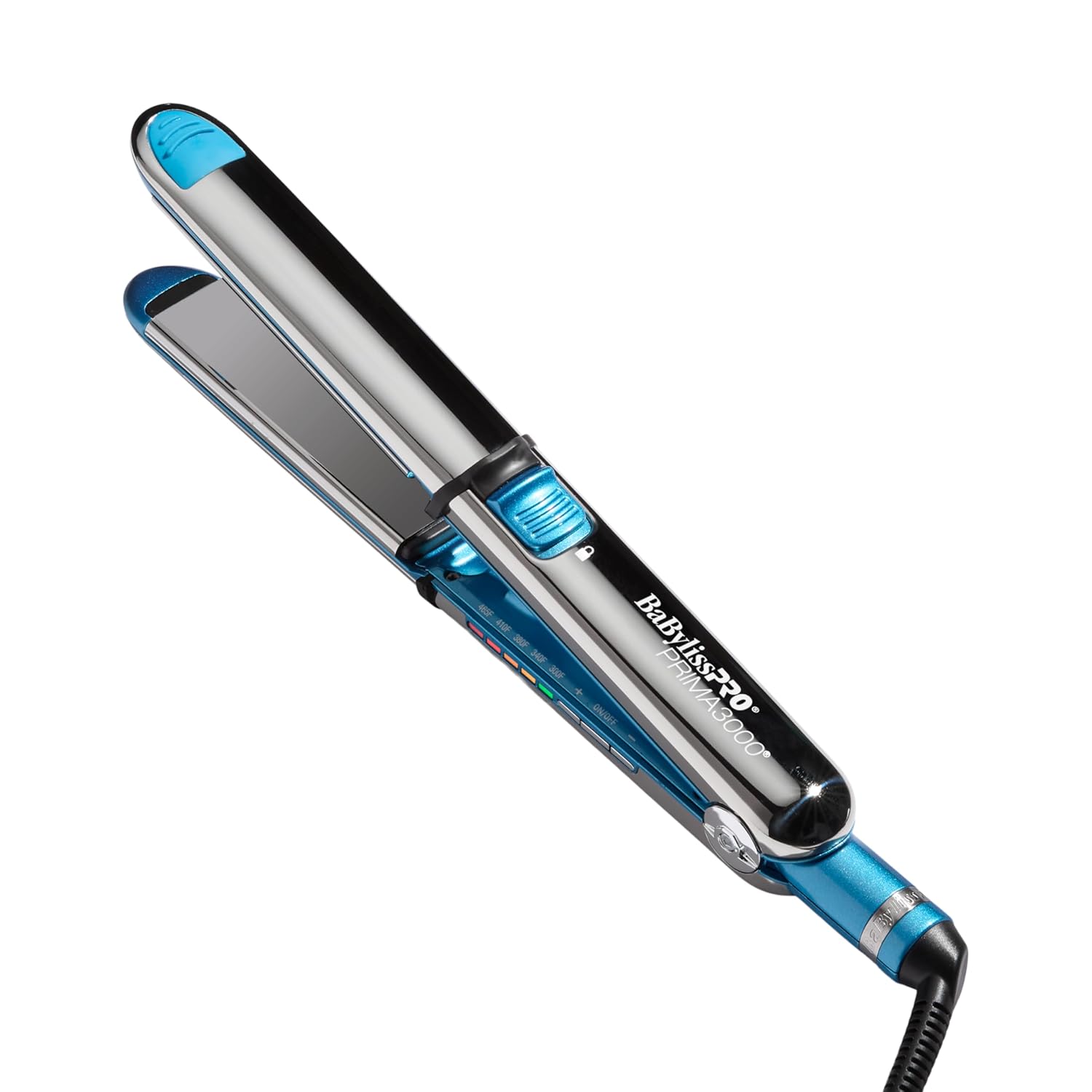

The BaBylissPRO Nano Titanium Prima Ionic Hair Straightener stands out as the strongest overall pick for anyone who wants salon level performance at home.
It heats up quickly, glides smoothly, and straightens thick or long hair very well. It also curls as well as it straightens, which makes it more versatile than a basic flat iron.
The main downside is that it runs very hot, so it can feel less forgiving on fine, fragile, or damaged hair. The curved heated housing also takes a little practice, especially if you are used to a simpler design.
Best for Thin Hair
Choose this for thin, fine, or damage prone hair that needs a gentler touch. It is a great fit when you want smooth results without dealing with very high heat.
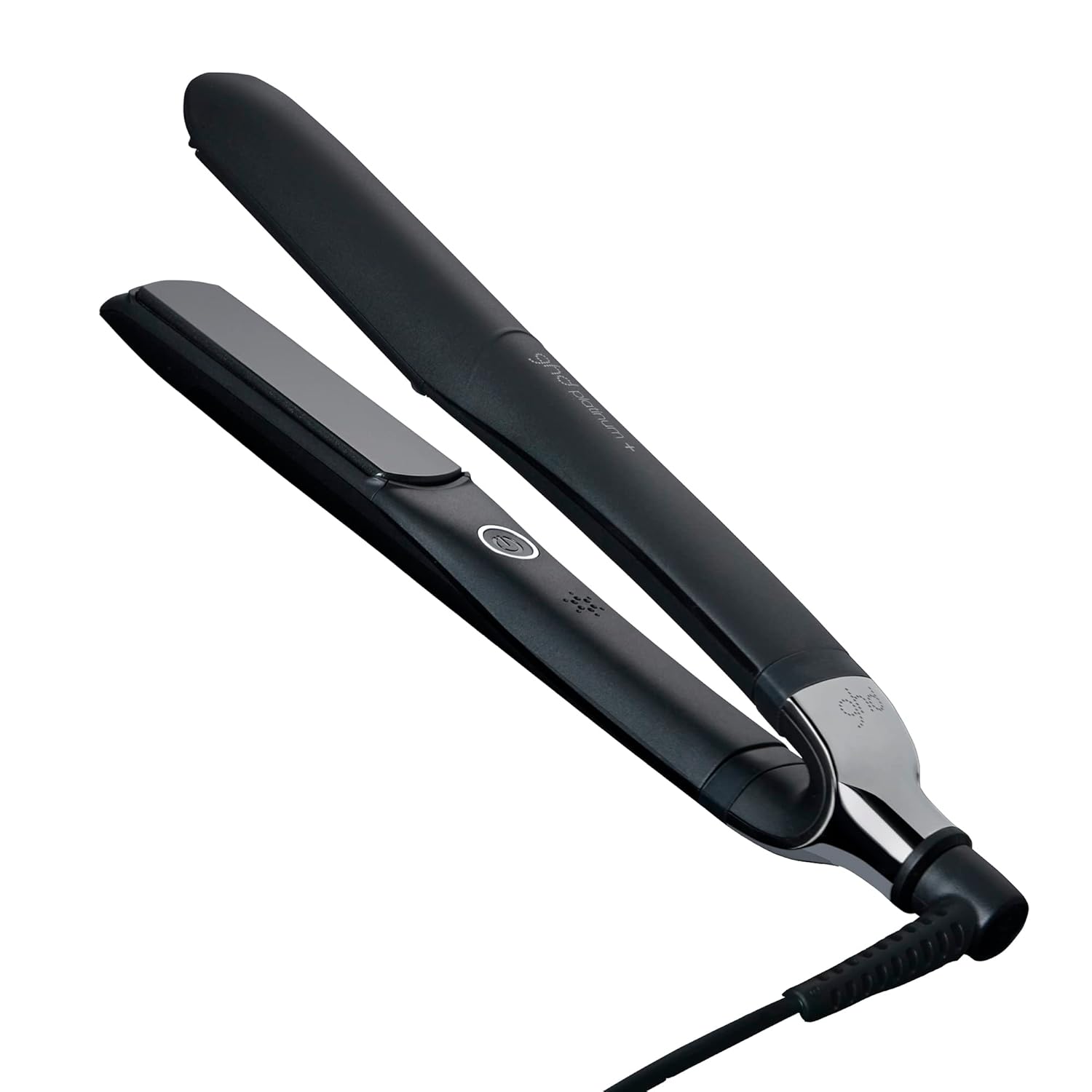
The ghd Platinum+ Styler is a strong choice for thin hair because it feels smooth, gentle, and consistent. It leaves hair looking sleek and shiny without making it feel overly dry.
Its fixed 365 degree temperature works well for fine, color treated, or damage prone hair, especially for anyone who wants something simple and less harsh.
At the same time, that same fixed temperature can be a drawback for anyone who wants more control or needs extra heat for very coarse hair.
The price can also feel high for a straightener without adjustable settings.
Best for Thick Hair
This is the better choice for thick or coarse hair that needs steady heat to smooth it out. It keeps things simple while still handling denser hair well.
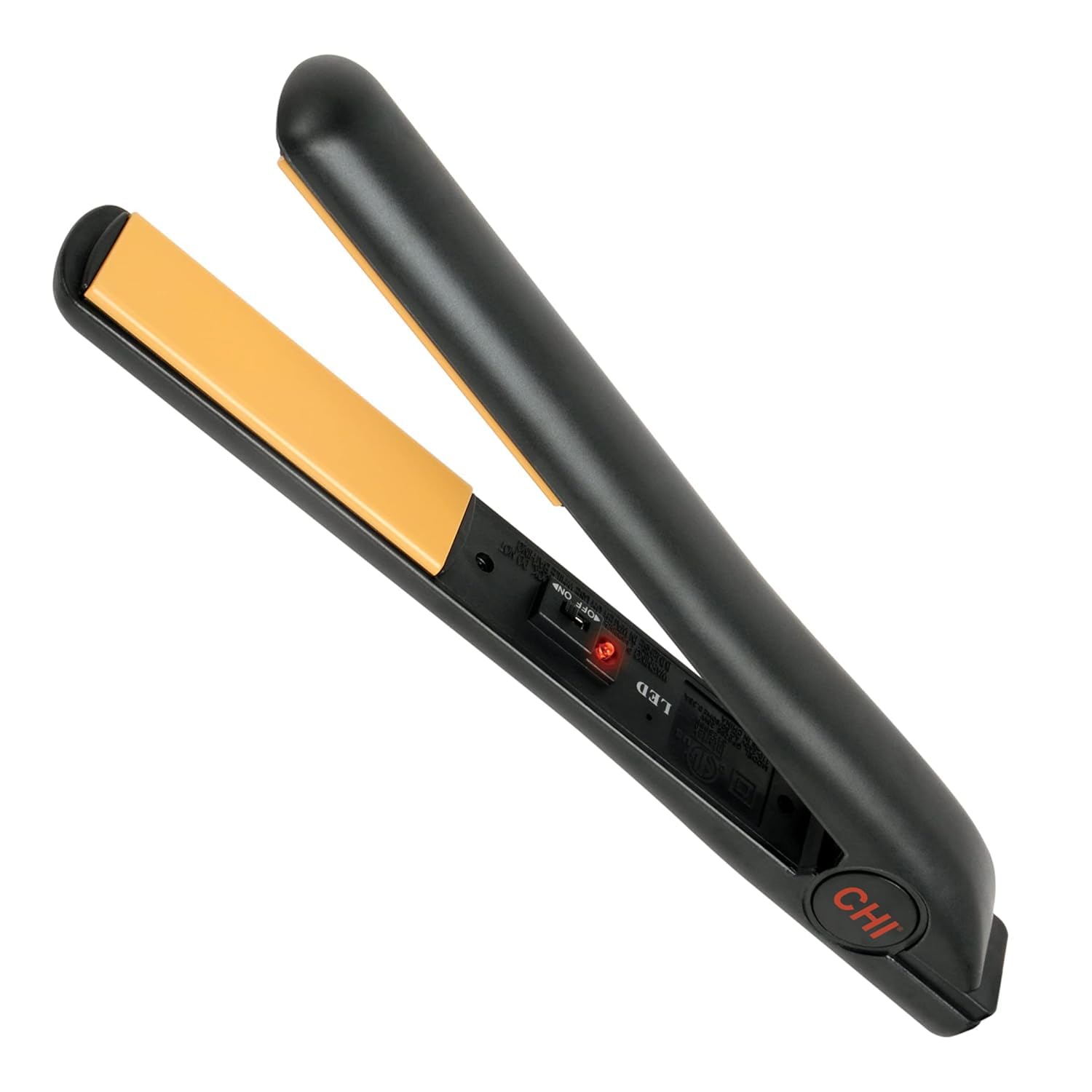
The CHI Tourmaline Ceramic Series Flat Iron works well for thick hair because it heats quickly and delivers smooth results without feeling too complicated.
It does a good job on coarse or dense hair types that need steady heat, and it feels easy to handle during styling. This one also suits anyone who prefers ceramic plates over titanium and wants something effective without stepping into a much higher price range.
The main limitation is that it does not offer as much customization as some higher end tools. Since the heat setting is fixed, it may not be the best match for very fine or heavily processed hair.
Best Cordless
Go with this if cordless styling matters more than anything else. It is best for travel, touch ups, and convenience, but it is the priciest option here.
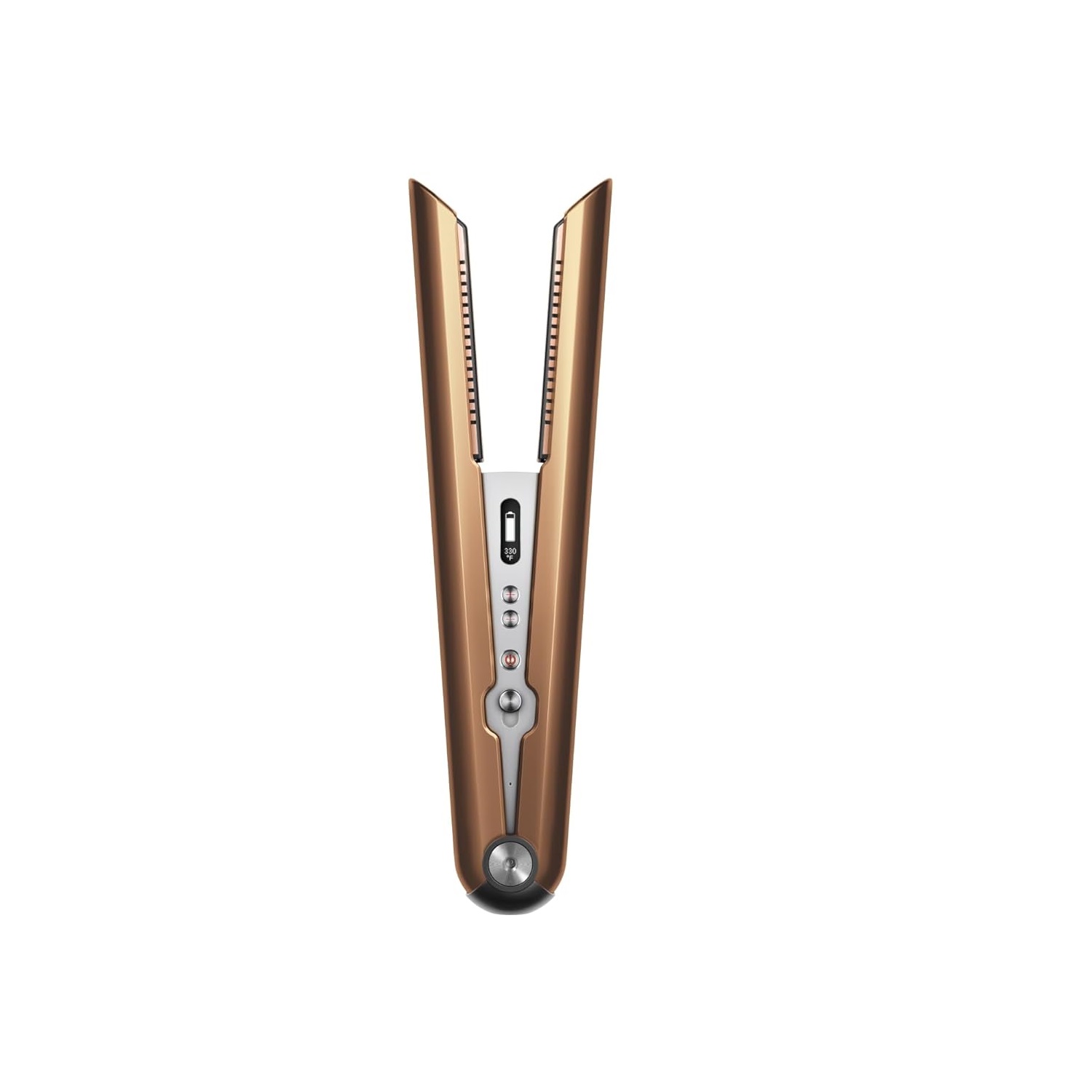
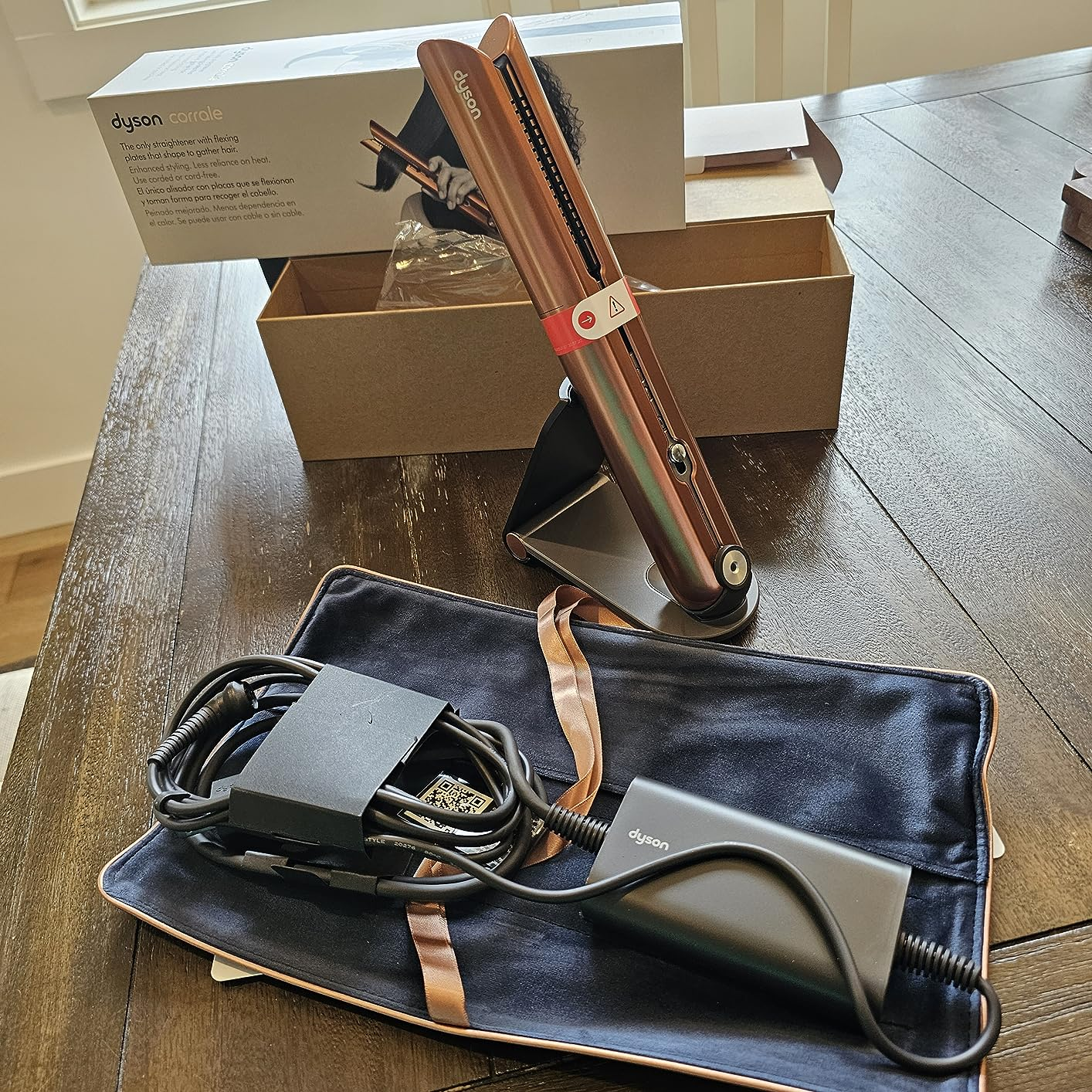
The Dyson Corrale Hair Straightener is most appealing for cordless convenience. It works well for travel, touch ups, and styling in places where a cord feels annoying.
The premium design adds to the appeal, and it can also be used while plugged in. Still, this is the most divisive option in the lineup.
The battery life can feel too short, especially for thicker hair or longer styling sessions. It also feels heavier than a standard flat iron, and the very high price makes it harder to justify unless cordless styling is a top priority.
Best Budget
Choose this if you want a budget friendly straightener that gets the job done. It is a solid everyday pick for simple styling without extra features.
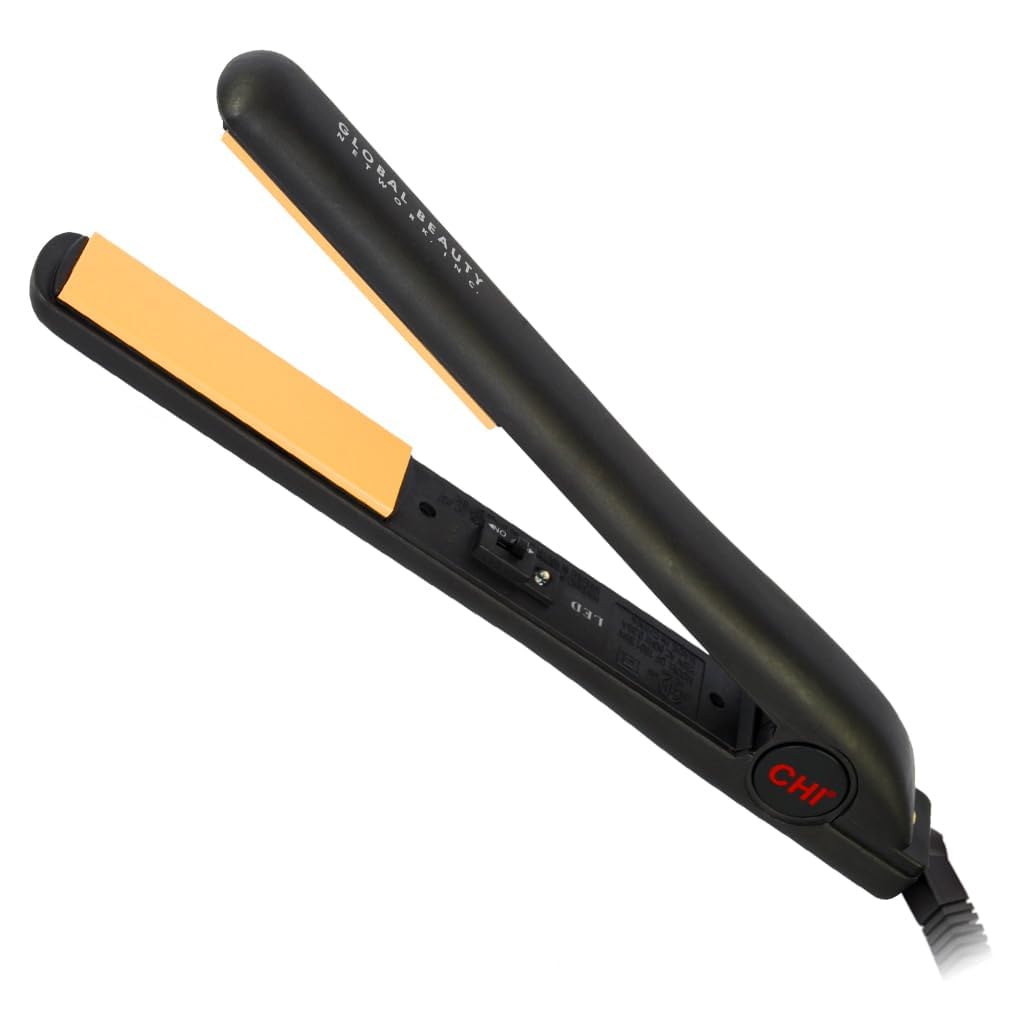
The CHI Original 1 Inch Ceramic Hair Straightener remains one of the easiest budget picks because it is simple, familiar, and reliable.
It heats fast, smooths hair well, and gives shiny results at a much lower price than premium models. It suits anyone who wants a no fuss everyday straightener without paying for extra features.
The tradeoff is that it has no temperature control, which can be limiting for delicate hair or more specific styling needs. It may also take more passes than pricier models, especially on thicker sections.
Hair Straightener Buying Guide
Choosing a hair straightener is not just about picking the most expensive model or the hottest one.
The right straightener depends on your hair type, how often you style, and whether you only want sleek hair or also plan to curl and wave with it.
A tool that works well on thick, coarse hair may feel too harsh on fine or damaged strands. That is why it helps to look at a few key features before buying.
Plate Material Explained
Plate material has a big effect on how the straightener feels on your hair. It influences heat distribution, smoothness, shine, and how easy it is to style without repeated passes.
Ceramic plates are a strong choice for fine, normal, or easily damaged hair. They heat more evenly and usually feel gentler, which makes them a good option for everyday styling. They also help reduce the risk of hot spots.
Tourmaline plates are often chosen for frizz control. They help smooth the hair cuticle and can leave hair looking shinier and less puffy, especially if your hair tends to get dry or frizzy after heat styling.
Titanium plates are usually better for thick, coarse, curly, or stubborn hair that needs stronger, steadier heat. They heat up fast and can cut down styling time, but they are not always the best match for fragile hair because they can feel more intense.
A simple way to choose is this: ceramic works well for fine to normal hair, tourmaline suits frizz prone hair, and titanium makes more sense for thick or coarse hair.
Plate Width Explained
Plate width affects both styling speed and flexibility. A one inch straightener is the most versatile size. It works well for short, medium, and even longer hair, and it is also the best option if you want to curl, wave, or flip the ends.
A wider plate, such as 1.25 or 1.5 inches, can be more practical for long, thick, or very dense hair because it covers more surface area at once.
That helps speed things up, but it also makes curling harder. If you want one tool for both straightening and soft bends, stick with a one inch plate with rounded edges.
Temperature Control Vs Maximum Heat
A higher maximum temperature does not automatically mean better results.
What matters more is having enough control to match the heat to your hair type. Fine, bleached, or damaged hair usually needs lower heat. Medium or healthy hair can handle a moderate range.
Thick or coarse hair often needs more heat, but that still does not mean you should go as high as possible right away.
Adjustable temperature settings are much more useful than a straightener with only one fixed heat level. They give you more control and help you avoid using extra heat that your hair does not need. In general, it is smarter to start lower and only move up if your hair is not smoothing in one or two passes.
Floating Plates Explained
Floating plates are easy to overlook, but they can make a real difference in how a straightener performs. Unlike fixed plates, they move slightly as you clamp down, which helps them stay in more even contact with each section of hair.
That usually means a smoother glide, less snagging, and more even heat from root to end. It can also help reduce the number of passes you need, which is important because less heat exposure is always better for your hair.
This feature is especially helpful if your hair is thick, uneven in density, or prone to getting caught between the plates. If you are comparing two straighteners that seem similar, floating plates can be one of the details that makes one feel much easier and smoother to use.
Think about Your Routine
The best straightener for you should also fit your lifestyle. If you style often, comfort matters. A lightweight tool with a swivel cord feels easier to use than one that is bulky or stiff. If you travel, dual voltage can be very useful. If you tend to rush out the door, auto shutoff gives extra peace of mind.
Cordless straighteners can also be helpful for travel or quick touch ups, but they are usually more expensive and may not be the best option for long styling sessions.
Extra Features That are Actually Useful
Some features are worth paying for, especially if you style your hair often. A swivel cord makes the tool easier to move around your head.
Auto shutoff adds safety. Rounded edges help if you want more than just pin straight styles. A digital display can also be helpful because it shows exactly what heat setting you are using.
Some advanced features, like ionic technology or smart heat sensors, can be a plus, but they matter less than good plate material, proper heat control, and a design that suits your hair type.
What to avoid
It is best to skip straighteners with poor heat control, rough plates, or no safety features.
A model with no auto shutoff, no clear temperature range, or a stiff non swivel cord can become frustrating fast.
Very cheap no name tools can also be hit or miss in quality, especially if you use heat regularly.
Quick Way to Choose the Right One
If your hair is fine, thin, bleached, or damage prone, look for a ceramic straightener with adjustable heat and use a lower temperature range.
If your hair is normal, wavy, or slightly frizzy, ceramic or tourmaline plates usually make sense, especially in a one inch size.
If your hair is thick, coarse, curly, or hard to straighten, titanium or tourmaline can work better because they offer stronger, steadier heat.
If you want to straighten and curl with the same tool, choose a one inch straightener with rounded edges.
If you want something simple and affordable, a basic ceramic model can still work well, as long as the build quality is solid.