Not every shampoo that claims to help oily hair actually does the job well. Some leave the scalp feeling fresh for a few hours, then the roots fall flat again. Others strip away so much oil that the hair feels rough, dry, and harder to manage than before. The best shampoos do something harder. They clear buildup, lift the roots, and leave the scalp clean without creating a second problem.
These shampoos also do not serve the same kind of oily hair. Some work better for greasy scalp with flakes or itch. Some are better as occasional reset washes. Others feel lighter and softer, but do not do enough when oil is the main issue. The difference comes down to how each one handles grease, buildup, dryness, and that heavy feeling at the root.
Our Best Shampoos for Oily Hair
Choose this if your oily scalp also feels itchy, flaky, or full of buildup. It works better as a targeted scalp reset than a gentle everyday shampoo.
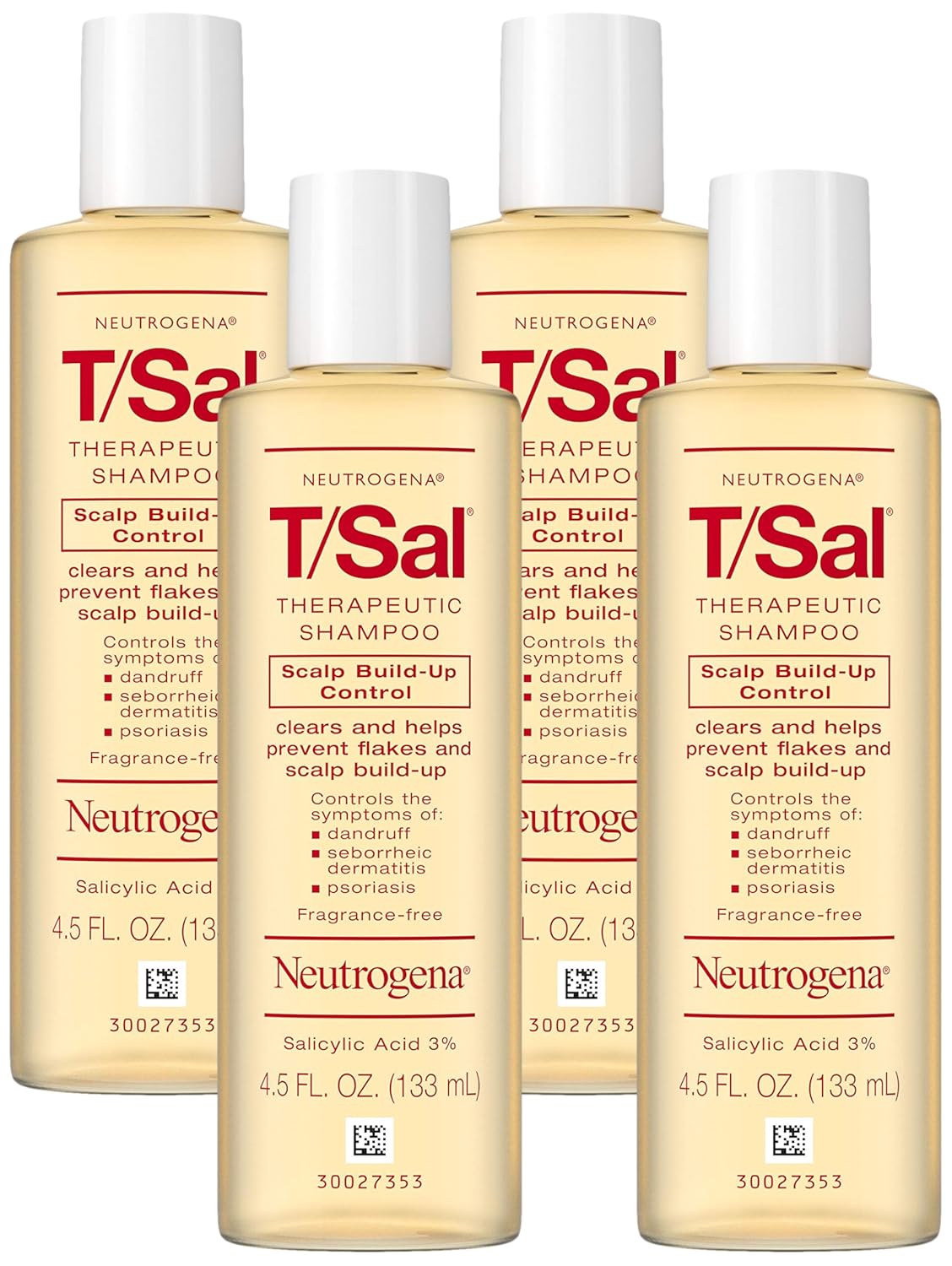

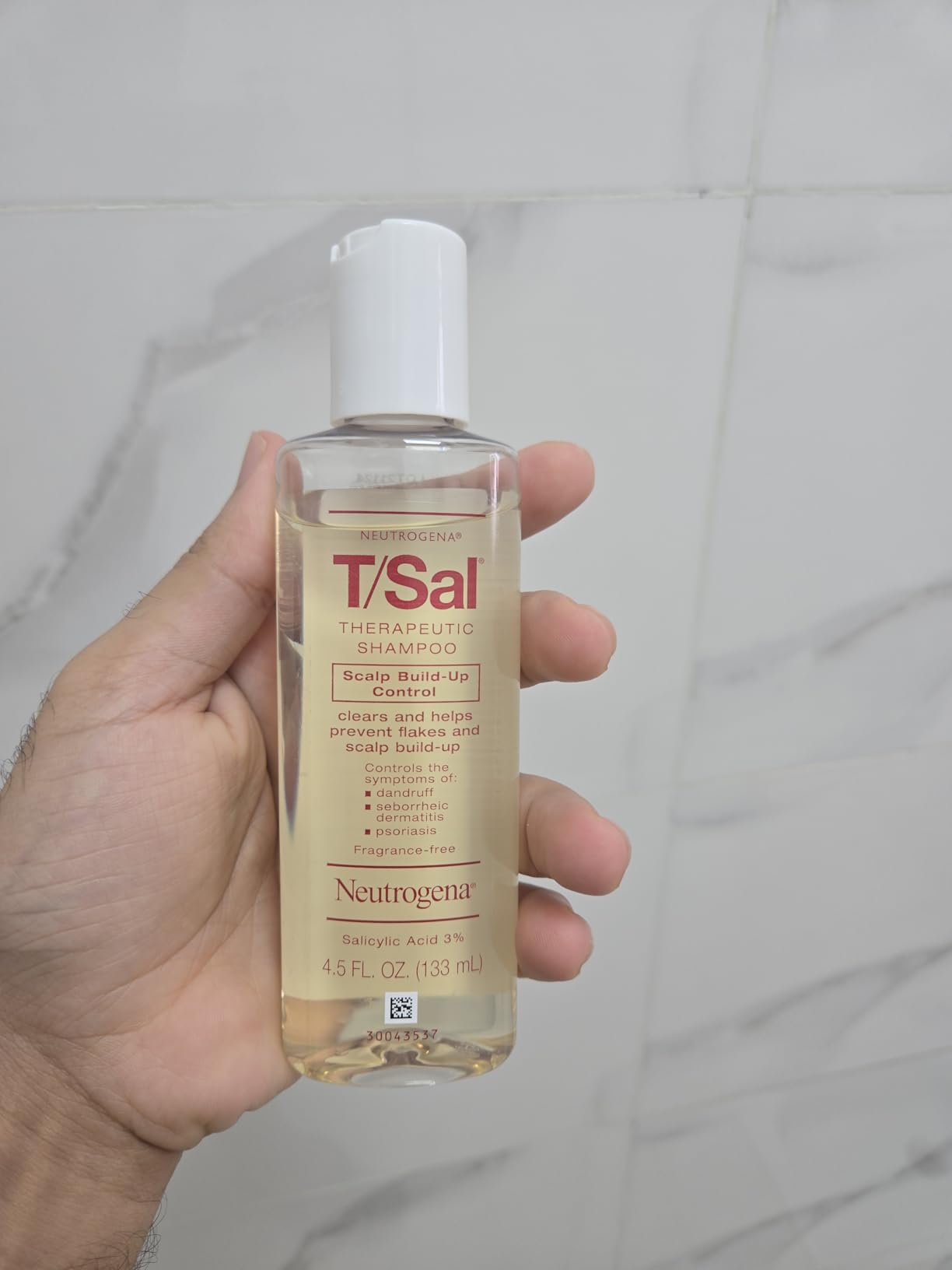
Neutrogena T/Sal works best when oily hair comes with scalp issues. This is the one for that itchy, congested, slightly grimy scalp feeling that a regular shampoo does not fully fix. It acts more like a treatment shampoo than a basic cleanser, which is exactly why it helps when grease is tied to flakes, buildup, or irritation.
The downside is that it is not especially forgiving. It can feel too strong with frequent use, especially if the ends already lean dry. This is not the shampoo to choose for a soft, easy, everyday wash. It fits better as a targeted reset when the scalp needs extra help, even if the lengths need more care afterward.
Choose this if oil and dandruff show up together and you want one shampoo to handle both. Skip it if your scalp gets irritated easily.
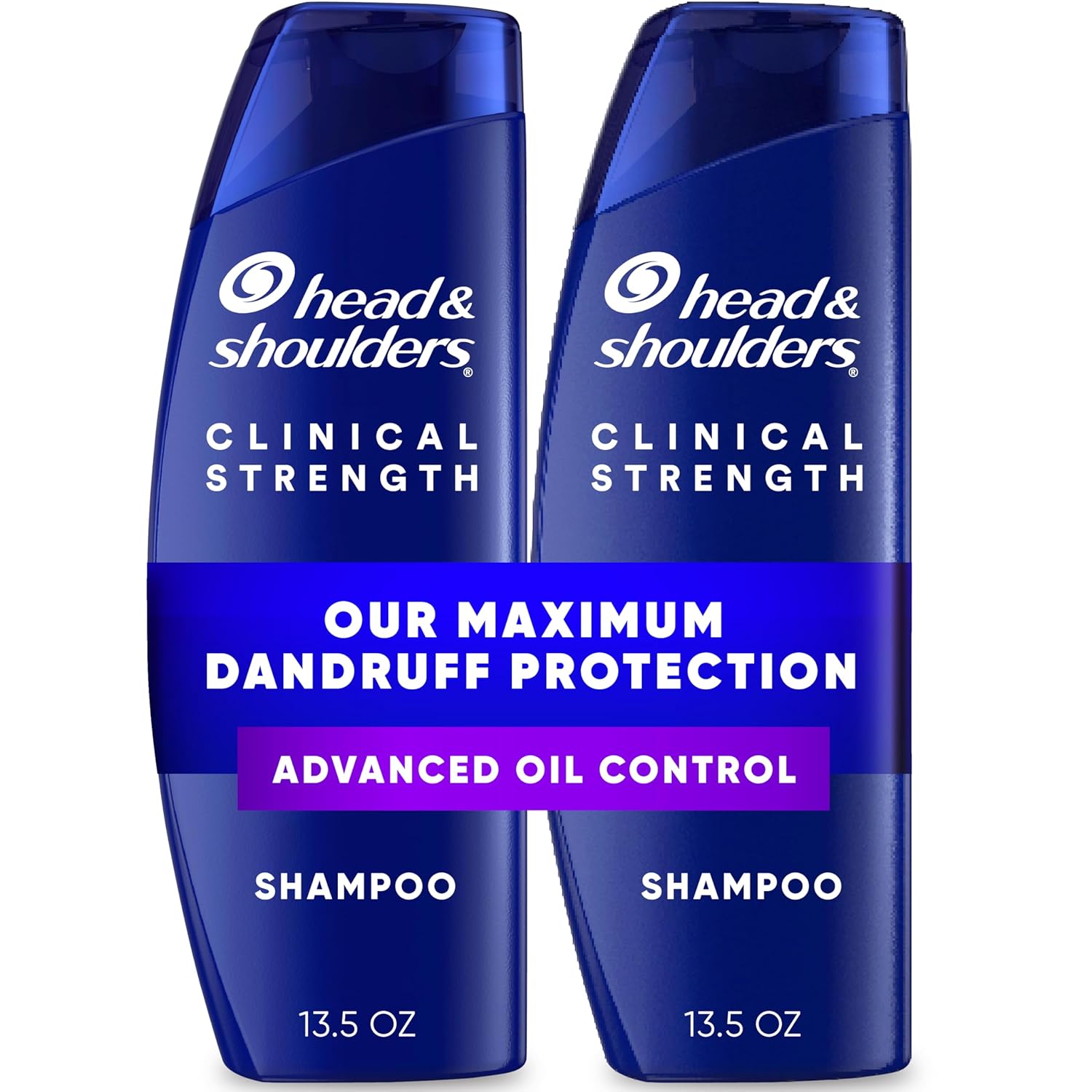
Head & Shoulders sits in the middle where it can either work very well or feel like too much. When oily roots and dandruff show up together, this is one of the first shampoos worth trying. It has a stronger, more functional feel than a standard daily shampoo, and it handles oil control and scalp relief in one step.
Its weakness is consistency. On the right scalp, it helps stretch wash days and calm irritation. On the wrong one, it feels drying, irritating, or harsher than necessary. It has a clear purpose, but it does not suit every oily scalp equally well.
Choose this if your hair is fine, flat, and gets oily fast at the roots without needing a heavy clarifying wash. It is better for lightweight volume than deep oil control.
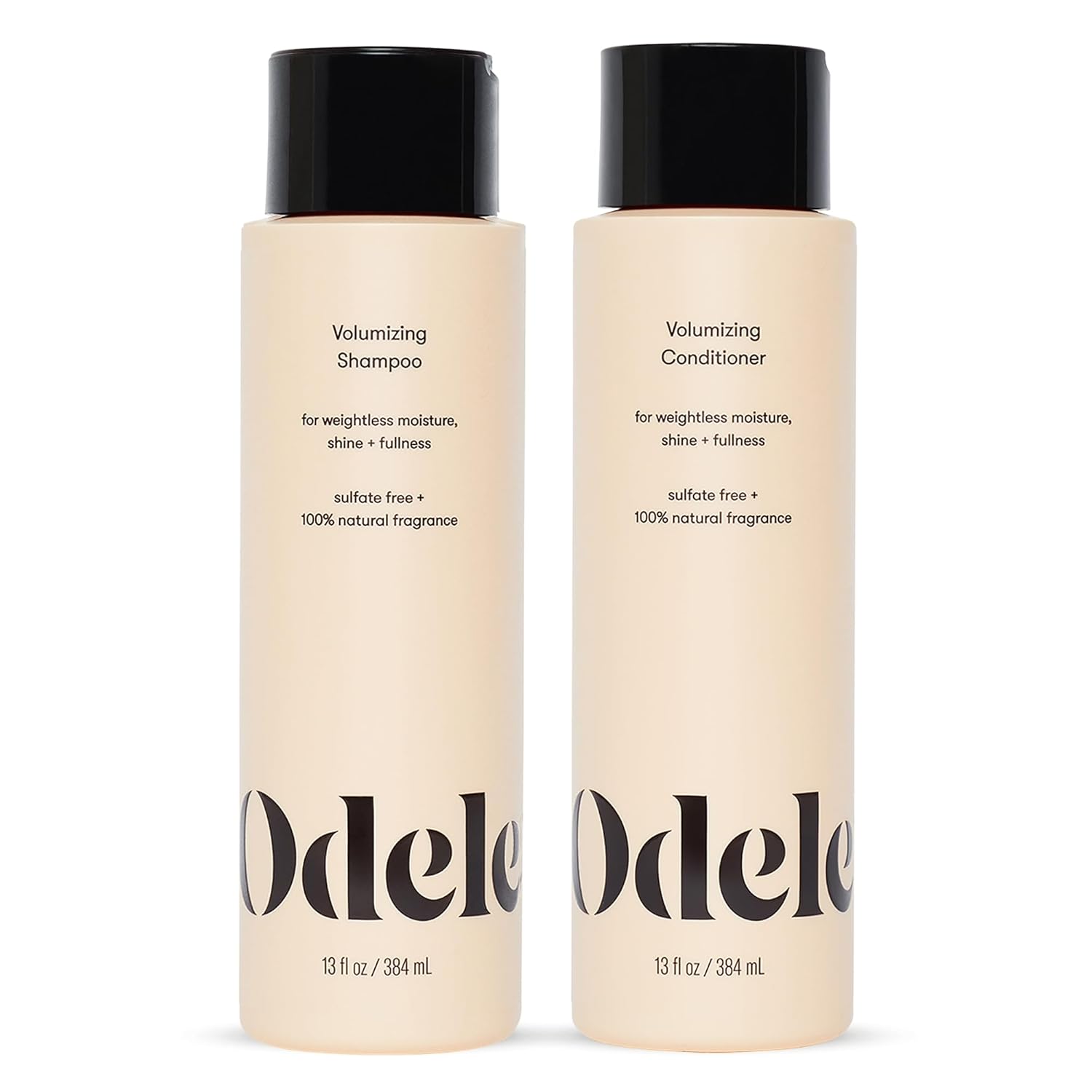
Odele works better as a lightweight volume option than as a true oily-hair fix. It suits fine hair that gets limp, soft hair that falls flat fast, or roots that look greasy partly because the hair gets weighed down so easily. In that kind of routine, it leaves the hair cleaner, softer, and a little more lifted without going too harsh.
Its weakness is cleansing strength. If the scalp gets greasy fast and needs a deeper wash, this one may feel too gentle. It fits better as a lighter shampoo for fine hair than as a go-to answer for roots that look oily again by the next morning.
Choose this if you want the strongest low-cost wash for oily roots, buildup, or too much product. It is best as an occasional reset, not the softest daily option.
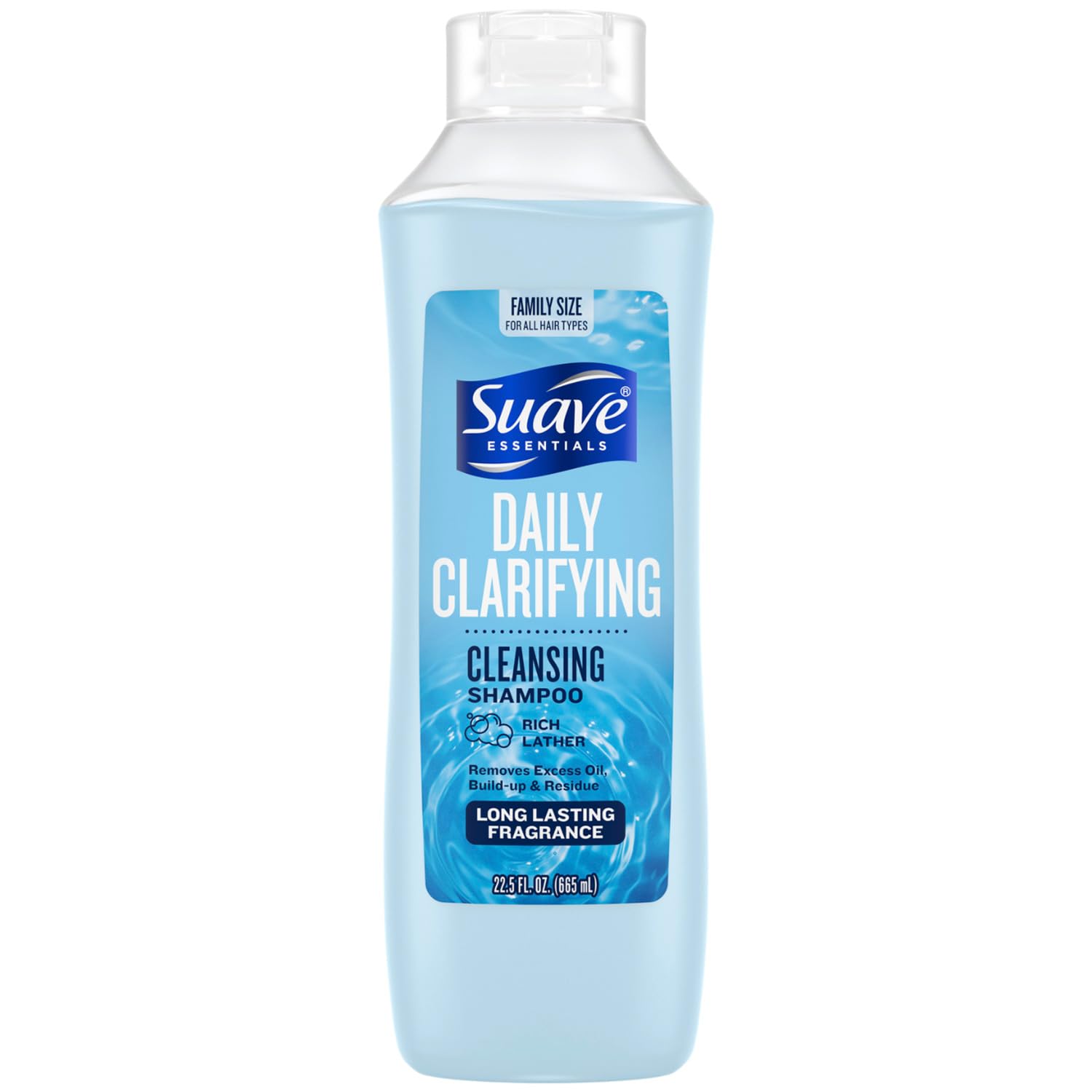
Suave Clarifying Shampoo is the most straightforward one in the group. It clears away oil, dry shampoo, product residue, and that dull heavy layer that builds up over time. For oily hair, that kind of strong cleanse makes an immediate difference. It leaves the scalp feeling fresh and the roots lighter.
The tradeoff is dryness. This is a deep clean, not a balanced clean. Used too often, it can leave the lengths feeling rough and a little stripped, especially if the hair is already fragile or processed. Still, as a budget clarifying shampoo, it earns its place easily. It works best as a reset wash rather than an everyday staple.
Choose this if you like a fresh, clean scalp feel and want something that makes heavy roots feel lighter. It works better as a refreshing wash than a serious long-term oil-control shampoo.
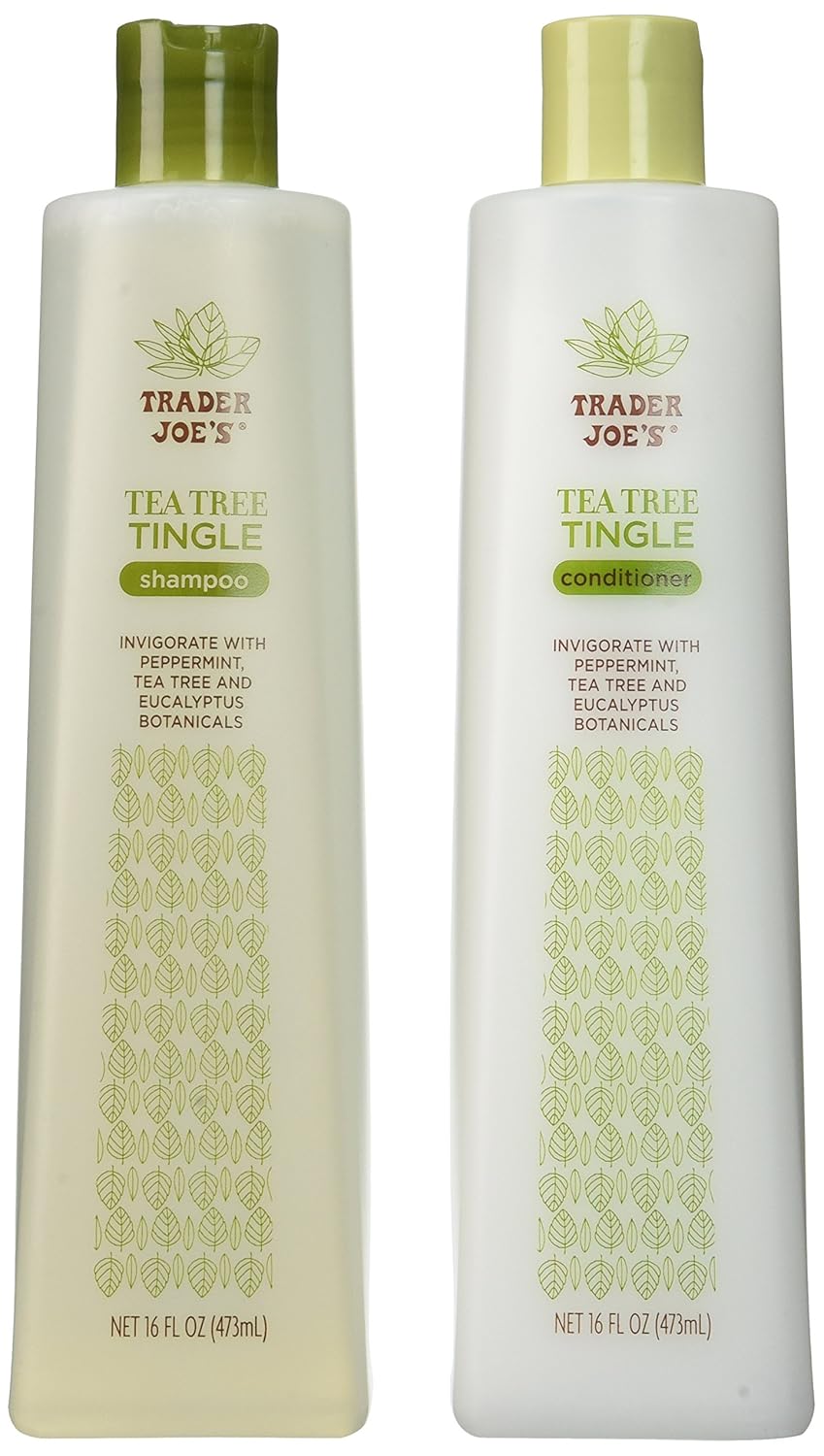
Trader Joe’s Tea Tree Tingle leans fully into that fresh, clean scalp feeling. It feels cooling, light, and refreshing, which oily roots usually need after the hair starts feeling weighed down. It works well for anyone who likes that just-washed scalp sensation and wants hair to feel lighter without a heavy finish.
The problem is balance. It can feel drying, especially on finer hair or on lengths that already need moisture. It also does not do enough on its own for stubborn oil control. It works better as a refreshing wash than as the main answer for greasy roots.
Choose this if you want a stronger clarifying shampoo that still leaves the hair looking smoother afterward. It makes more sense for someone willing to pay more for a polished deep clean.
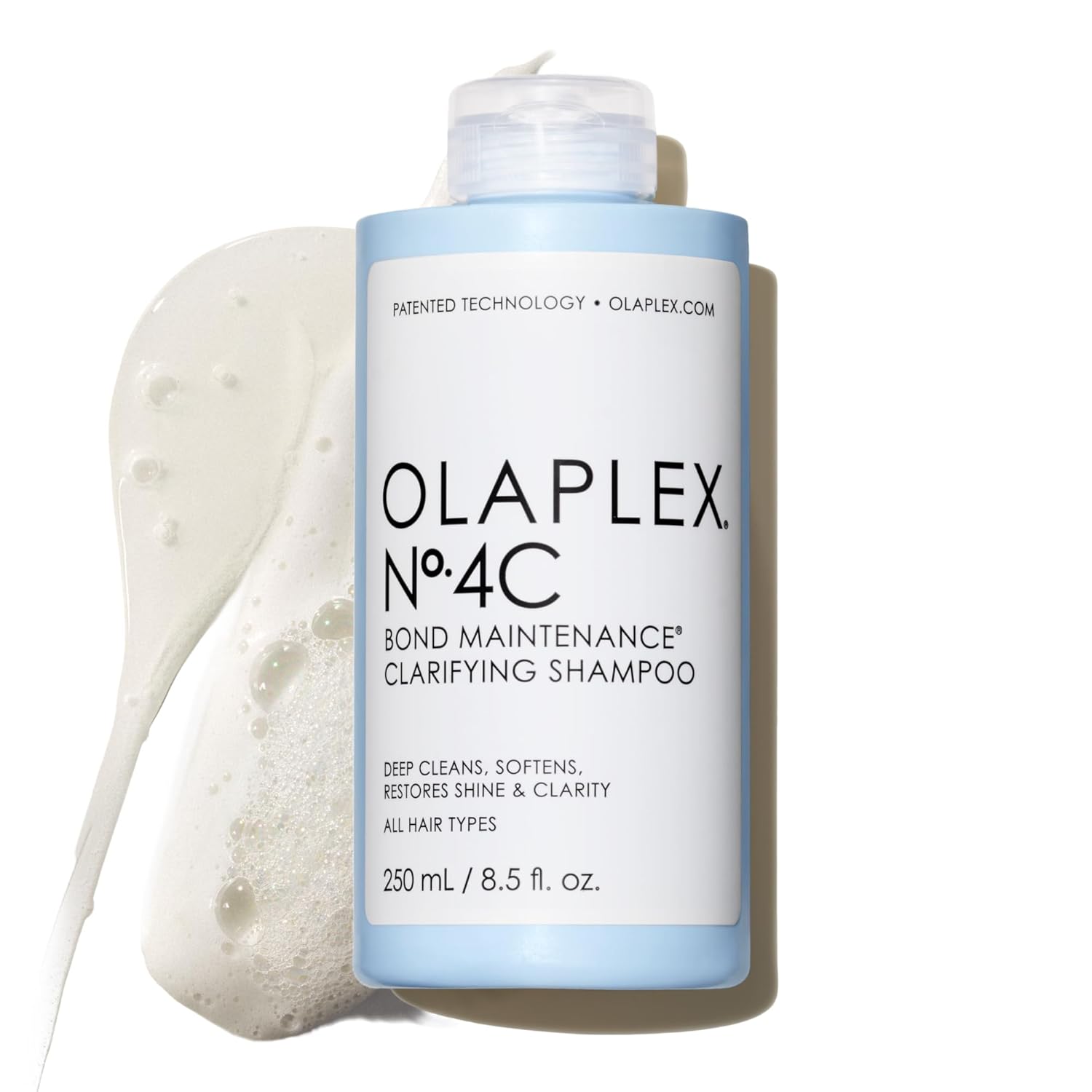
Olaplex Nº.4C is the more polished clarifying option in this group. It gives a stronger cleanse without the rough, stripped finish that cheaper clarifying shampoos often leave behind. For oily hair, that matters. The scalp feels cleaner, but the hair still looks smoother and more put together afterward.
What holds it back is the price compared with the payoff. It works well, but not always in a way that justifies spending more. When a clarifying shampoo costs this much, the results need to feel obvious every time. This one is good, but it is not the safest first pick unless a more premium clarifying shampoo is already what you want.
Buying Guide For Oily Hair Shampoo
If your roots look greasy not long after washing, your shampoo may be part of the problem. Some formulas leave buildup behind.
Others strip the scalp too hard, which can make your hair harder to manage.
The best shampoo for oily hair should remove excess oil, keep the scalp fresh, and clean well without making your hair feel rough or dry.
Start With Your Scalp, Not Your Hair Length
Oily hair usually starts at the scalp. Your sebaceous glands produce sebum, which is the natural oil that protects your skin and hair.
Some scalps simply make more of it than others. Hormones, climate, stress, and product buildup can all make the issue more noticeable.
If your roots look shiny within a day of washing, fall flat quickly, or feel greasy by midday, shop for scalp-focused formulas instead of rich, smoothing shampoos.
Know What Your Shampoo Should Do
A good shampoo for oily hair should do three things well. It should lift excess oil, remove buildup, and leave your scalp feeling clean but comfortable.
If it is too harsh, your hair may feel dry, rough, or tangled. If it is too gentle, your roots may still look greasy a few hours later.
That balance matters more than a trendy ingredient or a nice scent.
What to Look For on the Label
Certain words usually point you in the right direction. Look for shampoos labeled clarifying, balancing, purifying, volumizing, or oil control. These formulas are often lighter and better suited to oily roots.
Be more careful with shampoos labeled hydrating, moisturizing, nourishing, repairing, or smoothing. Those usually contain richer ingredients that can weigh oily hair down, especially if your hair is fine.
Ingredients That Can Help
Some ingredients are worth paying attention to when your scalp gets oily fast.
- Salicylic acid helps break down oil and buildup on the scalp. It can also help if oiliness comes with flakes.
- Zinc pyrithione is useful when dandruff and oiliness show up together.
- Charcoal and clay help absorb excess oil and can make the scalp feel cleaner.
- Citric acid can help with buildup, especially if hard water leaves your hair dull or coated.
- Tea tree oil shows up in some shampoos for oily scalps, though it can feel too strong for sensitive skin.
You do not need all of these in one bottle. One or two useful ingredients in a well-balanced formula is usually enough.
Ingredients That Can Weigh Hair Down
If your hair gets greasy quickly, watch out for ingredients that leave too much residue.
Silicones, especially heavier ones like dimethicone, can coat the hair and make buildup worse over time. Heavy oils and butters can also be too much for oily roots.
Coconut oil, shea butter, cocoa butter, and similar ingredients may work well in masks or conditioners, but they are often not a great match for an oily scalp.
That does not mean every silicone or oil is always bad. It means you should be careful with formulas that combine rich ingredients with oily-hair claims.
Should You Use a Sulfate Shampoo?
Sulfates clean well and remove oil effectively, so they can work for oily hair. If your scalp feels fine with them, they may be the easiest way to keep roots fresher for longer.
Still, not every oily scalp handles sulfates well. Some formulas feel too harsh and leave the scalp irritated or tight. If that happens, switch to a lighter sulfate free shampoo that still focuses on balancing or oil control.
The better choice depends on how your scalp reacts. If your hair feels clean and comfortable, keep using it. If it feels stripped, itchy, or too dry, try something gentler.
Pay Attention to the First Few Ingredients
The ingredient list tells you a lot. Water usually comes first, but the next few ingredients matter most.
You want to see cleansing agents near the top, not a long list of heavy conditioning ingredients.
If a shampoo marketed for oily hair lists rich oils, butters, or coating agents high on the list, it may not give you the clean finish you want.
Pick the Right Type of Shampoo
Not every oily-hair shampoo should be used the same way.
- Clarifying shampoos are stronger and better for occasional deep cleaning. They help when your scalp feels coated or your regular shampoo stops working well.
- Balancing shampoos are usually the best everyday option. They clean well without being too aggressive.
- Volumizing shampoos can work well for fine, oily hair because they tend to feel lighter.
- Medicated shampoos make more sense when oiliness comes with dandruff, itching, or scalp irritation.
If your hair gets greasy fast but your ends feel dry, a balancing shampoo usually makes more sense than a harsh clarifier every wash.
Match the Shampoo to Your Situation
Oily hair does not always look the same, so the right shampoo depends on what else is going on.
- If you have fine, oily hair, go for lightweight volumizing or balancing formulas. Heavy shampoos can flatten everything fast.
- If you have oily roots and dry ends, focus your shampoo on the scalp and keep richer products away from the roots.
- If you have oiliness and dandruff, a medicated shampoo may work better than a standard oily-hair formula.
- If you have a sensitive scalp, avoid harsh formulas packed with strong fragrance or aggressive cleansers.
Do Not Ignore How You Wash
Even a good shampoo will disappoint you if your routine is off.
Apply shampoo to the scalp, not the length. Massage with your fingertips, not your nails.
Rinse well, because leftover product can make roots feel dirtier faster. If your hair is very oily or you use a lot of styling products, shampooing twice can help.
Also keep conditioner away from your scalp. Apply it from the mid lengths down, or skip it at the roots entirely.
How Often Should You Wash Oily Hair?
There is no single rule that works for everyone. Some scalps do fine with every other day washing. Others need daily washing to stay fresh and manageable.
The better approach is to watch how your scalp behaves. If your roots look greasy quickly and daily washing keeps them comfortable, that may be the right routine for you. What matters most is using a shampoo that cleans well without making your scalp feel irritated.
Common Buying Mistakes
One of the biggest mistakes is buying shampoo based on scent, packaging, or a trendy ingredient. Another is choosing rich, repair-focused formulas when your real issue is scalp oil.
Two in one shampoo and conditioner products are also not a great fit for oily roots because they often leave too much residue behind.
Another common mistake is using a strong clarifying shampoo too often. It may feel great at first, but overdoing it can leave your hair dry and harder to manage.
When to See a Doctor
Persistent oiliness despite good products might indicate a medical issue. See a dermatologist if nothing helps. Hormonal imbalances often cause excessive oil production. Thyroid disorders can also affect sebum production.
Sudden changes in oiliness warrant medical attention. If your hair suddenly becomes much oilier, see a doctor. This could signal a hormonal shift or other health change. New medications sometimes cause increased oil production.
Scalp pain, sores, or significant hair loss need treatment. These symptoms go beyond normal oiliness. You might have a scalp infection or inflammatory condition. These require prescription treatments.