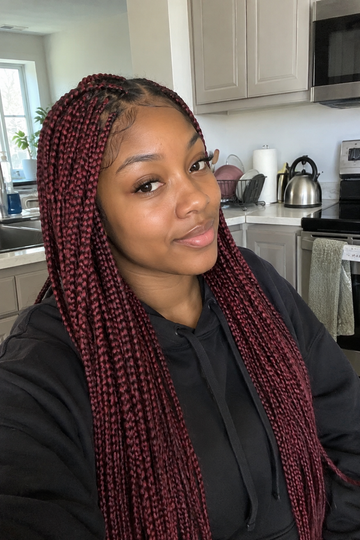
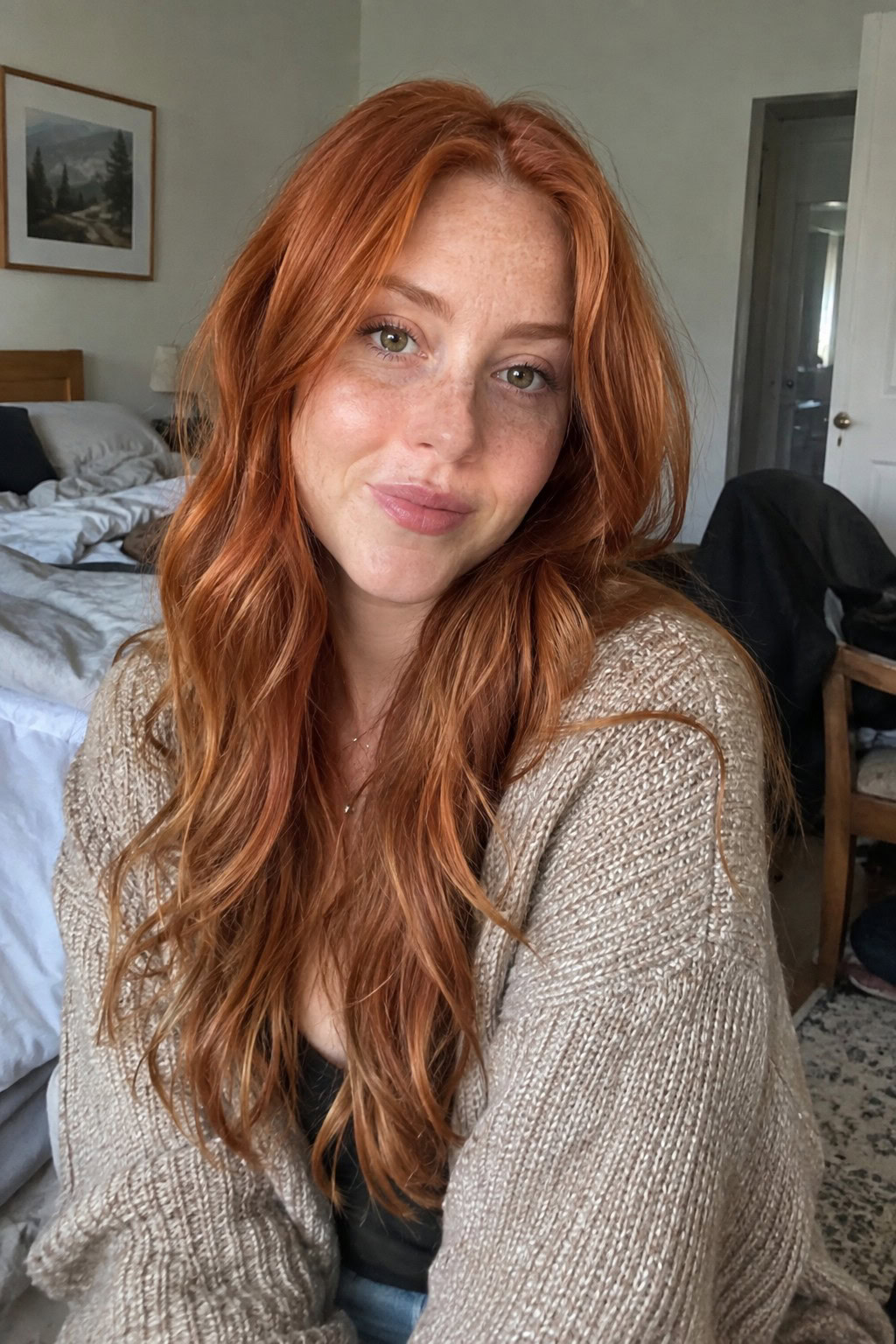
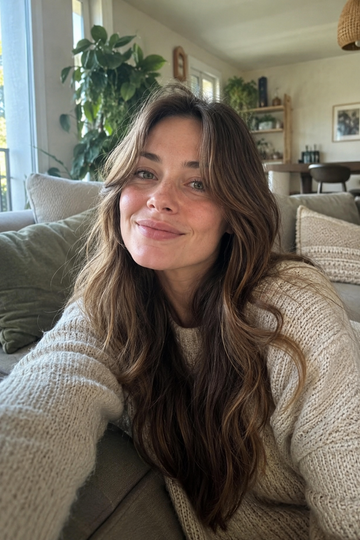
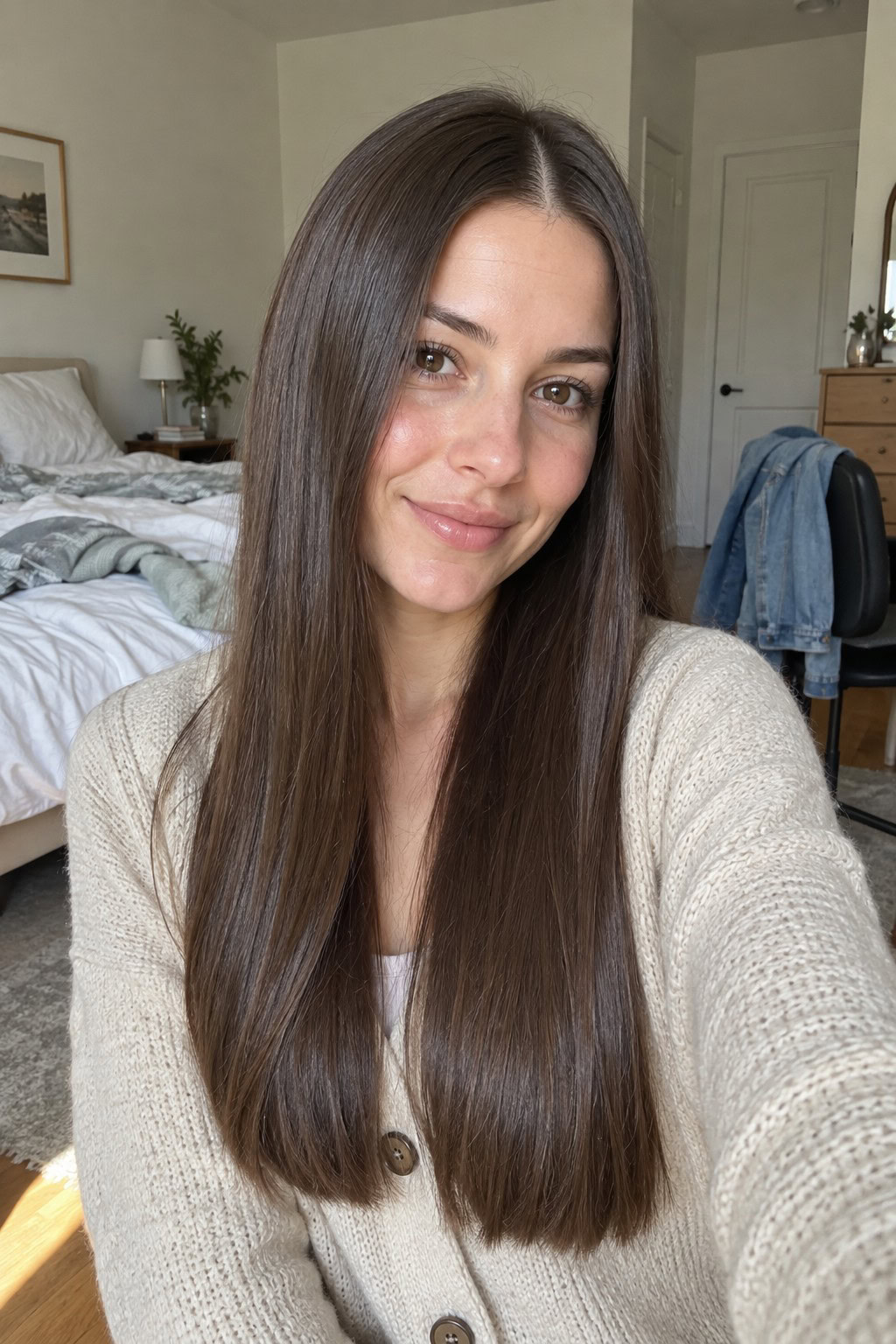
Every blonde faces the same September decision, keep the brightness or let it warm up. The good news is that blondes have the easiest fall transitions in the salon, since the lightening is already done. A gloss, a root smudge, or a few lowlights changes everything without bleach. This year the requests run warm, from honey and butterscotch to copper and cinnamon, with a few cool and muted shades for anyone allergic to gold. Each entry covers the tone, the process, and the upkeep.
Jump to:
- Honey Blonde
- Bronde
- Rooted Blonde
- Butterscotch Blonde
- Warm Blonde Balayage
- Caramel Blonde
- Dark Blonde
- Strawberry Blonde
- Champagne Blonde
- Golden Blonde
- Reverse Balayage
- Expensive Blonde
- Copper
- Blonde With Lowlights
- Sandy Blonde
- Mushroom Blonde
- Chunky Highlights
- Latte Blonde
- Blonde With Copper Ribbons
- Rose Gold
- Platinum With a Warm Gloss
- Peach Blonde
- Cinnamon Blonde
- Soft Light Brown
Honey Blonde
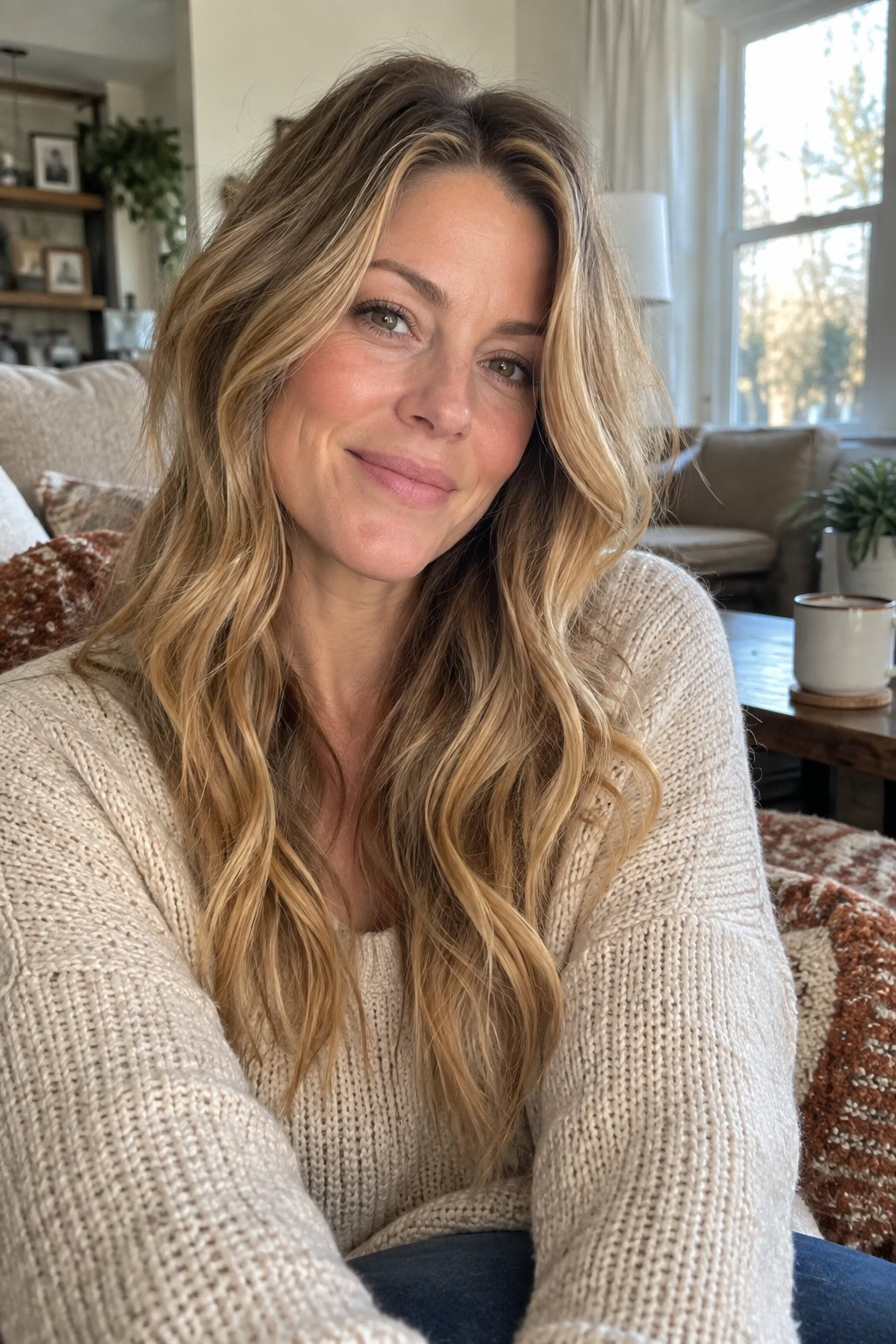
Honey blonde is the first shade blondes reach for when the air cools. It is a warm, golden medium blonde with amber depth. Summer blondes get there with a warm gloss and a slightly deeper root. The color flatters warm and neutral skin and glows in autumn light. A gold-toning conditioner keeps the honey rich. Skip purple shampoo, which pulls the warmth out. Refresh the gloss every six weeks to keep it from cooling.
Bronde
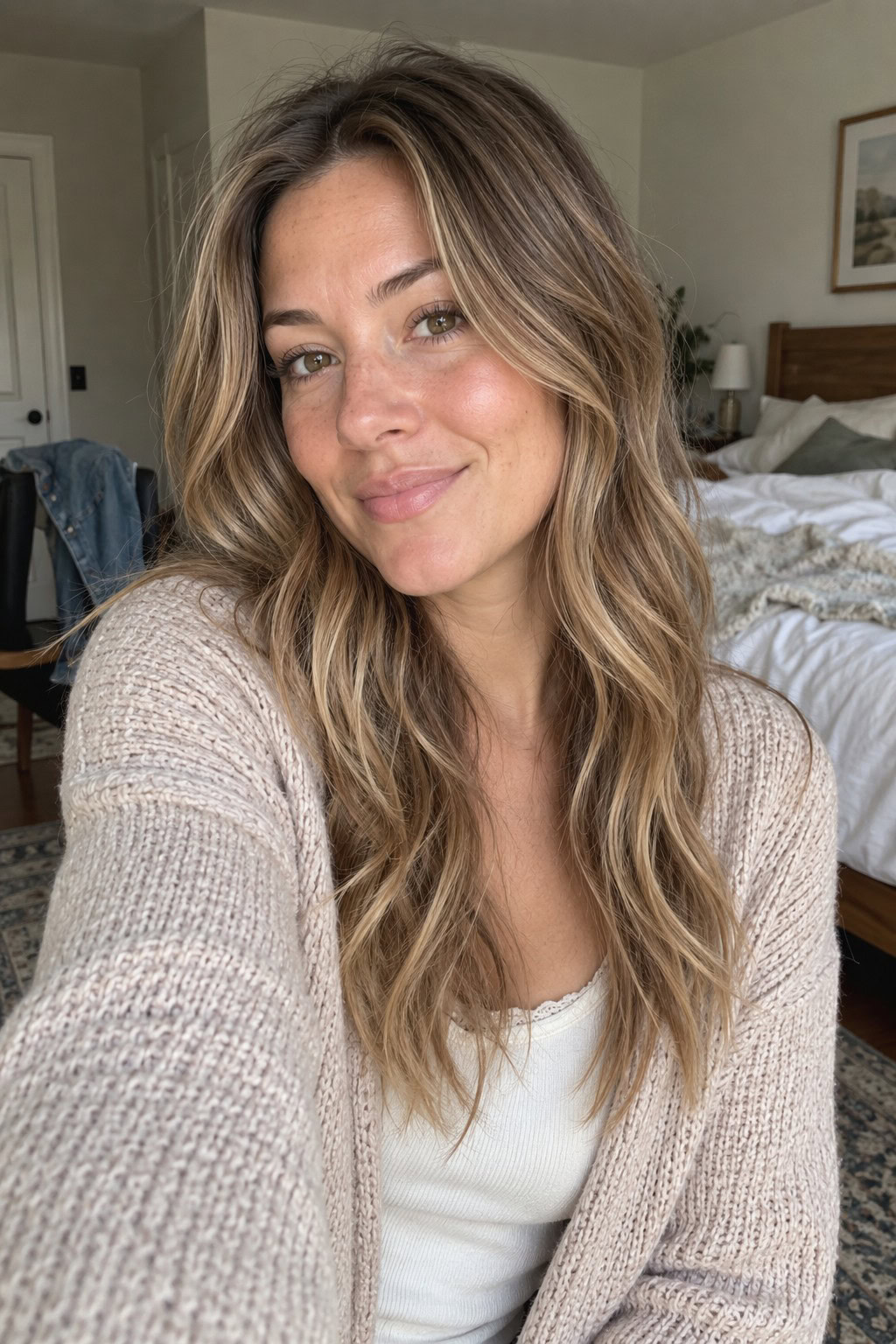
Bronde is the halfway point between blonde and brown, and the most popular fall move for blondes. A light brown base is melted through with the existing blonde, so nothing is fully covered. The result looks sun-worn and natural. Roots stay close to your own color, which stretches appointments to three months. Ask for warm bronde for autumn. A gloss halfway through keeps the blonde pieces from turning brassy. It suits nearly every complexion.
Rooted Blonde
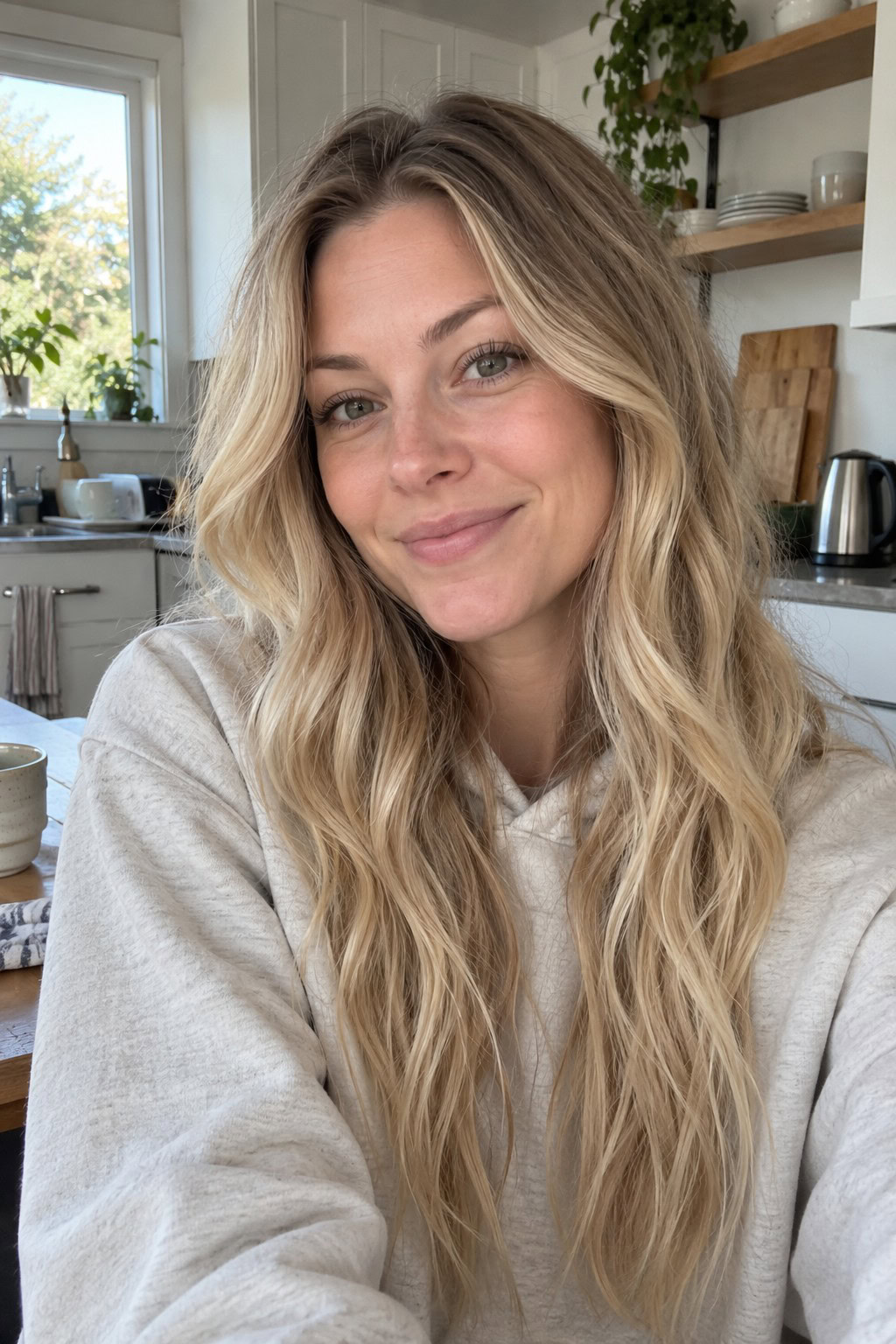
Rooted blonde keeps the lengths bright and deepens the roots to a soft brown. The shadow root melts down two or three inches before the blonde takes over. It is the easiest fall transition for blondes who do not want to lose their color. The darker root makes the blonde look brighter by contrast. Grow-out is nearly invisible. Maintenance drops to a toner every couple of months. It works on lobs, long layers, and everything between.
Butterscotch Blonde
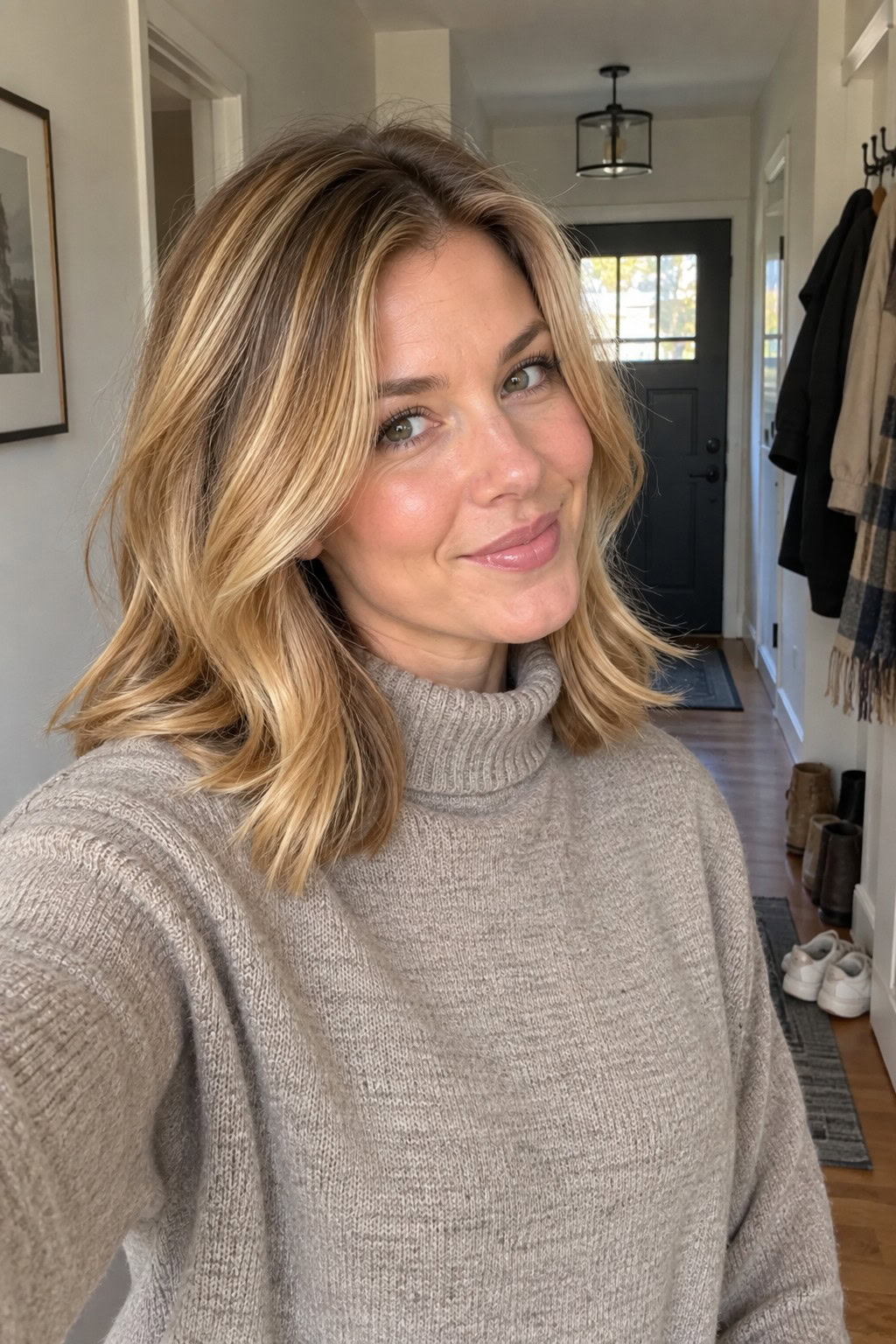
Butterscotch blonde is a deep golden blonde with caramel warmth and a buttery shine. It is a few shades darker than honey and richer in tone. Existing blondes reach it with a warm gloss and a soft root smudge. Highlights are toned warm on purpose, so the yellow-gold is the point. It suits golden and olive complexions especially well. Use a gold-depositing mask once a week to keep the warmth. A glossy blowout shows it off.
Warm Blonde Balayage
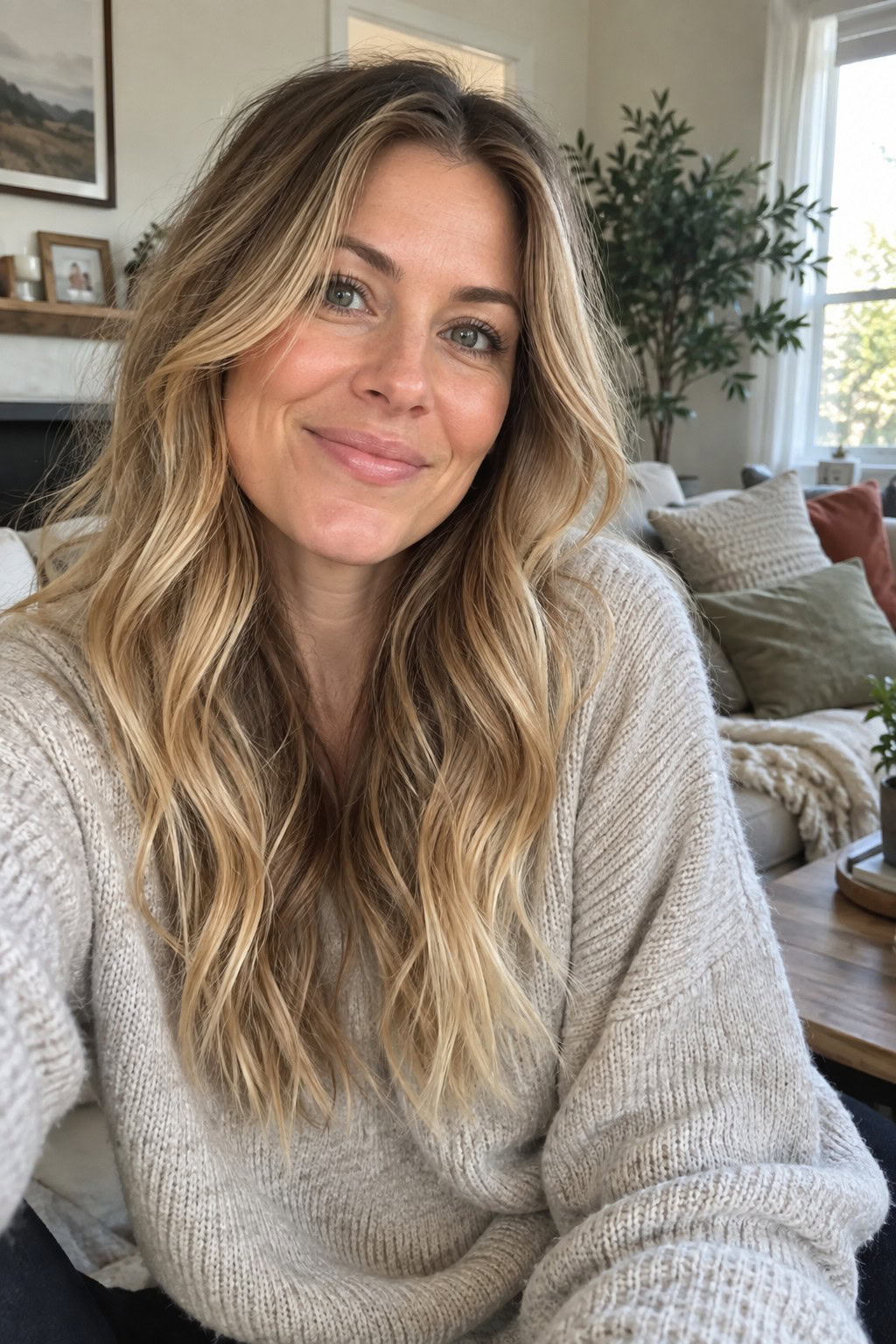
Warm balayage repaints existing highlights in golden and caramel tones rather than icy ones. The roots stay natural or get a slight smudge, and the blonde builds through the lengths. Because it is painted rather than foiled, there are no harsh lines. Grow-out is soft and can go four months. A warm gloss at the halfway point keeps the ends from going brassy. It works especially well on wavy hair where the ribbons catch light.
Caramel Blonde
Caramel blonde leans toward light brown with a warm, toasted sugar tone. It is the deepest of the warm blondes before it becomes brunette. Stylists melt caramel through the existing blonde for a rich, dimensional finish. It is forgiving on regrowth and kind to damaged summer hair. It warms up sallow complexions. A warm gloss every eight weeks keeps it glossy rather than dull. Keep a few face-framing pieces a shade lighter for brightness.
Dark Blonde
Dark blonde is the natural-looking shade right at the edge of light brown. It has a neutral to slightly warm tone with no obvious highlights. Many blondes return to it in fall after a summer of lightening. One demi-permanent or a deep gloss gets there without bleach. It is low maintenance, with regrowth blending for months. Add a few fine highlights if it feels flat. A neutral gloss keeps it from pulling orange.
Strawberry Blonde
Strawberry blonde is a warm light blonde tinted with a soft pinkish red. Existing blondes reach it with a single gloss, no bleach needed. Fall versions lean a little deeper and more copper than the summer pastel. It flatters fair and freckled complexions in particular. The color fades faster than most, so plan on a gloss every four weeks. A copper color-depositing conditioner stretches the time between visits. It looks pretty on waves.
Champagne Blonde
Champagne blonde is a soft neutral blonde with a whisper of warmth, like the drink. It sits between icy platinum and golden honey. For fall, stylists add a touch more beige to keep it from looking summery. The shade flatters neutral and pink-toned skin. A subtle root smudge keeps the grow-out soft. Toning every six weeks holds the balance between warm and cool. It looks polished on sleek bobs and long layers alike.
Golden Blonde
Golden blonde is a bright, sunny blonde toned warm rather than neutral. It is lighter than honey with a clear yellow-gold glow. Existing blondes only need a gold toner to get there. In fall it is often paired with a slightly deeper root for dimension. It suits warm skin with peach or golden undertones. Use a gold-toning gloss every six weeks. Avoid purple shampoo entirely, which turns the gold flat and dull.
Reverse Balayage
Reverse balayage flips the formula. Instead of lightening, stylists paint darker tones through already-blonde lengths, deepest toward the ends. The result is blonde at the crown melting into brown depth below. It is the go-to fix for over-lightened summer hair. No bleach is involved, so hair gets a break. Grow-out is soft. A gloss every eight weeks keeps the darker pieces from fading back to flat blonde. It looks especially good on long waves.
Expensive Blonde
Expensive blonde is less a shade and more a finish. It is a neutral-to-warm blonde with fine, blended dimension and a mirror-like gloss. No stripes, no visible foil lines, just soft depth that looks like natural sun. Stylists blend fine highlights, a root smudge, and a clear gloss. For fall the tone shifts slightly warmer. It needs a gloss every six weeks and a trim to keep ends polished. Shine is the whole point.
Copper
Blondes have the easiest path to copper, since the lightening is already done. A copper demi-permanent over blonde gives a rich, glowing orange-red in one appointment. It suits warm and neutral skin and owns the fall season. Copper fades fast, so a copper-depositing conditioner is essential. Refresh the gloss every four to six weeks. Loose waves show off the shine best. It washes back toward strawberry blonde when you are ready to return.
Blonde With Lowlights
Lowlights weave soft brown ribbons evenly through blonde hair from root to tip. Unlike reverse balayage, the depth is spread throughout rather than concentrated at the ends. It breaks up a solid blonde and adds movement. No bleach is needed, only a demi-permanent in the darker sections. It suits blondes who feel washed out in fall light. A gloss every eight weeks keeps the lowlights from fading. Ask for warm caramel or cool mocha depending on your skin tone.
Sandy Blonde
Sandy blonde is a neutral medium blonde with a slightly beige, beachy tone. It is neither warm nor cool, which makes it easy to wear. Stylists create it with a neutral toner and a few blended lowlights over a lighter base. It hides summer brassiness well. Regrowth is gentle since the shade sits close to natural. A neutral gloss every eight weeks keeps the tone balanced. It looks like the blonde you had as a kid.
Mushroom Blonde
Mushroom blonde is a cool, muted dark blonde with taupe and gray undertones. It looks like the underside of a mushroom cap. Stylists mix cool lowlights and ash highlights over a neutral base to avoid a green cast. It suits cool complexions and anyone who dislikes warmth. A violet gloss keeps brass from creeping back. It is a stylist-dependent color, so bring a reference photo. Regrowth is soft since the shade sits close to natural.
Chunky Highlights
Chunky highlights are back from the 90s in a wearable fall version. Thick, bold blonde ribbons sit against a darker base with visible contrast. For blondes, that means adding dark blonde or light brown between the existing highlights. Fall versions use honey and caramel rather than bleach white. It photographs well and pairs with a sleek blowout. Grow-out shows more than blended color, so book every eight weeks. Tone between visits to keep the ribbons bright.
Latte Blonde
Latte blonde is a creamy, beige-brown blonde that looks like milk stirred into coffee. It is deeper and more muted than champagne, warmer than mushroom. Blondes reach it with a beige gloss and a few soft lowlights. It suits neutral and olive skin tones well. It needs no lightening, which makes it kind to hair after summer. Regrowth blends for months. A beige toner every eight weeks keeps the creaminess from turning yellow.
Blonde With Copper Ribbons
Copper ribbons painted through blonde hair add fall warmth without a full color change. The blonde stays dominant and the copper shows as movement in the lengths and around the face. No bleach is needed, only a copper demi-permanent on the painted sections. Copper fades fast, so use a copper-depositing conditioner on those pieces. Grow-out is soft. It looks incredible on waves where the copper catches the light. It is the fun option for blondes.
Rose Gold
Rose gold is a light blonde with a metallic pink shimmer. Fall versions go slightly deeper and dustier than the summer pastel. It is a gloss over existing blonde, so no extra bleach is needed. The shade suits cool and neutral skin tones well. Pink fades within four to six weeks. A rose-toned conditioner keeps it going. It looks stunning against gray and camel knits. It washes back to your blonde when you are done.
Platinum With a Warm Gloss
Platinum does not disappear in fall, it just gets a warmer gloss. The icy white blonde shifts to a soft pearl or cream tone for the season. That small change makes it look richer against sweaters and darker lipstick. Platinum still needs a full lightening process and a bond-builder every time. Roots show fast, so expect an appointment every five to six weeks. A pearl-toned gloss between visits keeps it from going yellow.
Peach Blonde
Peach blonde is a light blonde with a soft orange-pink tint. It is playful without tipping into fashion color territory. Fall versions are muted, more apricot than neon. The shade suits fair skin and looks especially pretty on shoulder-length waves. Existing blondes take it as a gloss that washes out over four to six weeks. Refresh with a peach color-depositing conditioner at home. It fades gently to warm blonde, so there is no awkward stage.
Cinnamon Blonde
Cinnamon blonde is a dark blonde with a spicy red-brown warmth. It is the blonde that borders on light auburn. The shade is deeper and browner than strawberry and less orange than copper. Blondes reach it with a demi-permanent, no bleach needed. It flatters warm and olive complexions and looks rich in low autumn light. Fading goes toward a soft golden brown. A red-gold gloss every six weeks keeps the spice.
Soft Light Brown
Soft light brown is the full transition for blondes ready to go brunette. It is a neutral, muted light brown, one step past dark blonde. Stylists fill the hair with a warm base first, then apply the brown, so it does not turn muddy or green. Ask for a demi-permanent to keep the option of going back. It suits nearly every complexion. Regrowth is invisible. A gloss every eight weeks keeps it from fading to a dull tan.