Let's get right to it. Your hair grows about half an inch per month. That is 1.25 centimeters if you use the metric system. Over a full year, you get roughly 6 inches of new length.
But that number is just a starting point. Your personal rate could be 4 inches per year or 7 inches. Let's break down exactly why.
The Daily and Weekly Numbers
Each day, your hair lengthens by 0.3 to 0.4 millimeters. That is roughly the thickness of a piece of paper. In one week, you gain about 2 to 3 millimeters. You cannot see that with your naked eye. This is why hair growth feels so painfully slow.
Think about it this way. Your fingernails grow at a similar pace. But you notice nail growth because the white tip creates contrast. Hair has no such visual marker at the roots.
The Three Stages of the Hair Cycle
Your hair does not grow continuously forever. It moves through three distinct phases. Understanding these phases explains so much about your hair's behavior.
- Anagen: The active growth stage. This phase lasts 2 to 7 years. Some people have anagen phases that last even longer. During this entire period, your hair grows nonstop. Roughly 85 to 90 percent of your hairs are in anagen right now. The length of this phase determines your maximum possible hair length.
- Catagen: The short transition. This phase lasts only 10 days. Growth stops completely. The follicle shrinks and cuts itself off from its blood supply. Only about 3 percent of your hairs are in catagen at any given time.
- Telogen: The resting phase. This phase lasts approximately 3 months. The hair does not grow at all. It simply sits in the follicle while a new hair develops underneath. Shedding 50 to 100 hairs per day is completely normal. That is just old hairs exiting to make room for new ones.
What Affects Your Personal Growth Rate
Genetics determines most of your hair's behavior. You cannot fight your DNA. But several other factors shift your baseline up or down.
- Age changes everything. Your hair grows fastest between ages 15 and 30. After 40, growth begins to slow down. By age 60, most people notice thinner, slower-growing hair. This is normal aging, not a medical emergency.
- Ethnicity creates real differences. Asian hair grows fastest at roughly 1.3 cm per month. Caucasian hair grows at about 1.2 cm per month. African hair grows slowest at approximately 0.9 cm per month. However, African hair is often stronger and less prone to breakage. This means length retention can be better despite slower growth.
- Seasonal shifts happen every year. Your hair grows faster in summer than in winter. Warmer weather increases blood circulation throughout your body. Your scalp gets more blood flow and nutrients during sunny months. This seasonal variation is small but real.
- Gender plays a role too. Women's hair grows slightly faster than men's hair. But men's hair typically has a longer anagen phase. This is why men can often grow very long hair despite slower daily rates.
Health Factors That Slow You Down
Your body puts survival first. This is non-negotiable. Your heart, lungs, and brain get priority access to nutrients. Your hair gets whatever is left over.
- Poor nutrition stops growth cold. Low iron is a major culprit. Low vitamin D and low zinc also cause problems. Crash dieting is especially damaging. Your body will shut down hair growth to preserve energy for vital organs.
- Chronic stress destroys your hair cycle. High cortisol levels push more hairs into the telogen resting phase. You will not see this damage immediately. The shedding starts about three months after the stressful event. This explains why you lose hair after a major illness or emotional trauma.
- Hormonal changes shift your baseline dramatically. Pregnancy often makes hair grow faster and thicker. Menopause typically does the opposite. Thyroid disorders, both overactive and underactive, severely affect growth. Birth control pills can either help or hurt depending on your body.
- Medical conditions matter too. Autoimmune diseases can attack hair follicles directly. Skin conditions like psoriasis affect the scalp environment. Cancer treatments are notorious for causing temporary hair loss.
Realistic Growth Expectations Over Time
Set proper expectations or you will drive yourself crazy. Here is what actually happens.
- After 1 month: You have gained about 1 cm of new growth. You probably cannot see it. Curly and coily hair shows even less visible length because of the curl pattern. Do not get frustrated. Nothing is wrong.
- After 3 months: Your hair is roughly 3 cm longer. New hairs are finally exiting the resting phase. Volume may increase at your roots. Many people first notice real change at this point.
- After 6 months: Expect 6 to 8 cm of total growth. The difference becomes obvious in photographs. Your hair texture may feel healthier too. This assumes you have been taking decent care of it.
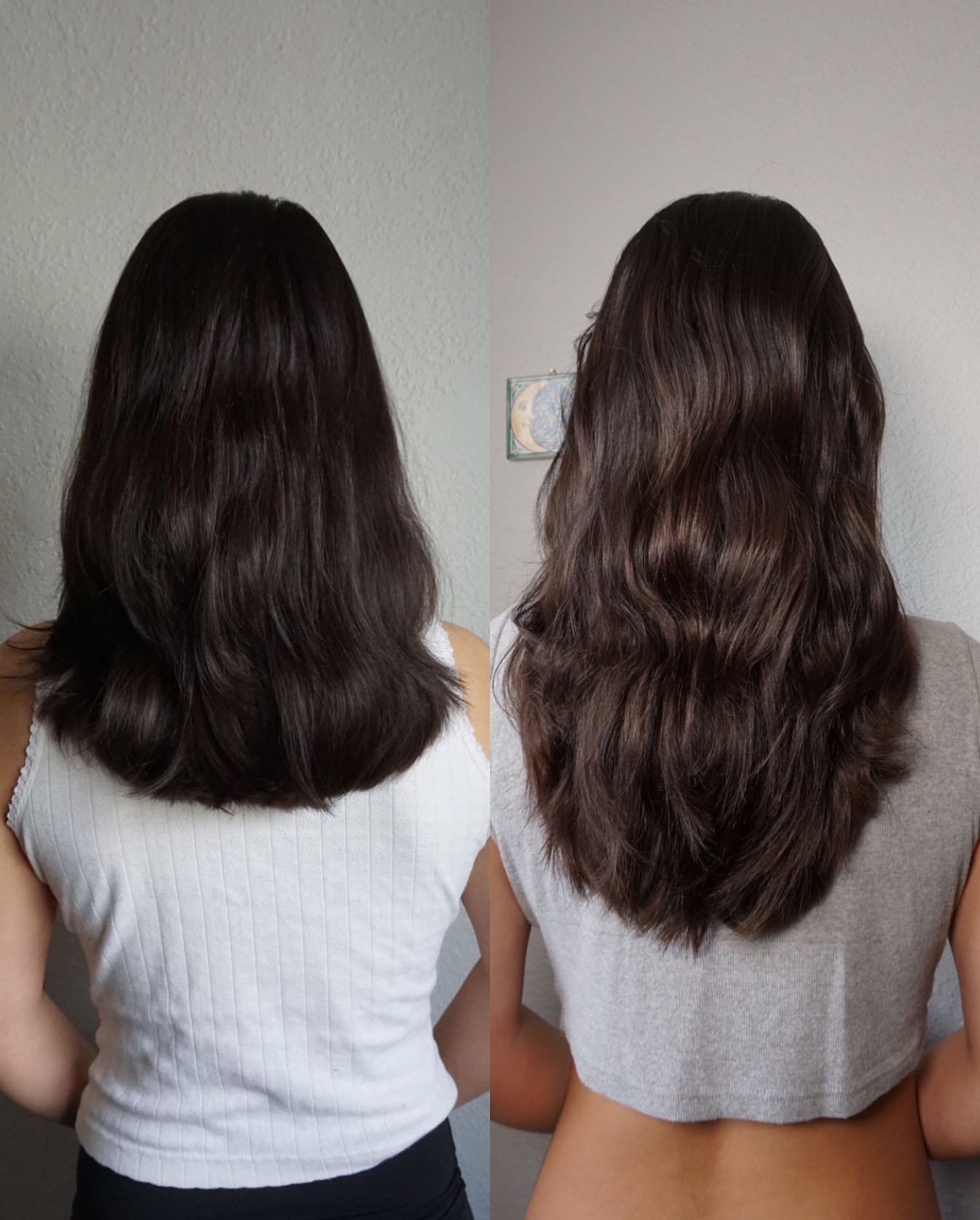
- After 1 year: You should have 12 to 15 cm of new growth. That takes chin-length hair to shoulder-length. Shoulder-length hair reaches mid-back. Mid-back hair approaches your waist.
Breaking the Myth About Hair Growth Speed
Here is what most people get wrong. They confuse growth rate with length retention. These are two completely different things.
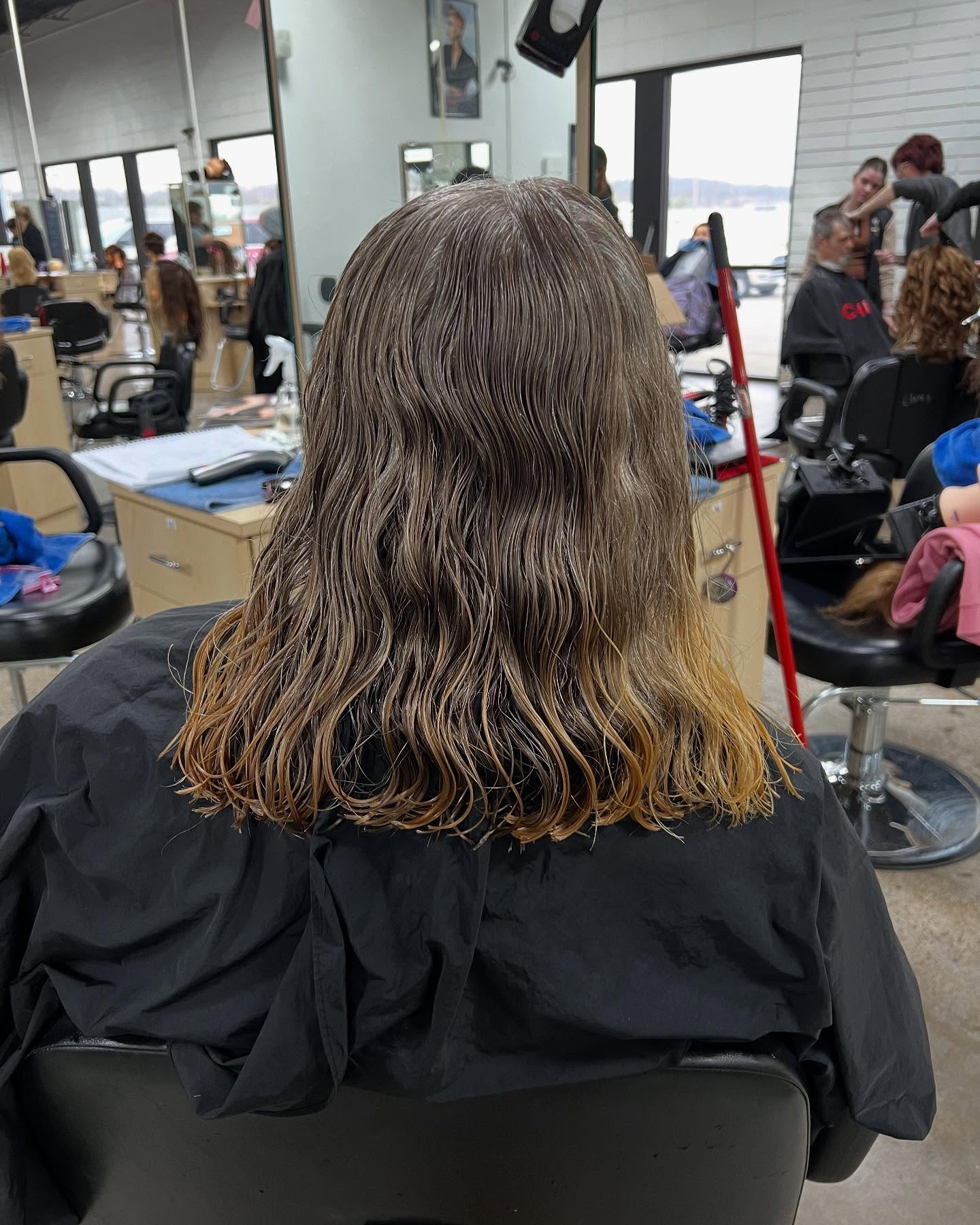
Your hair grows from the root. That is biology. But your hair breaks off at the ends. That is damage. If your ends keep breaking, you will never see length accumulation. It will feel like your hair is not growing at all.
This explains everything. Someone with very slow growth but zero breakage will outpace someone with fast growth but constant breakage. Protect your ends. That is the secret to long hair.
How to Measure Your Personal Growth Rate
Stop guessing and start tracking. These methods work.
- The dye test. Color your hair and wait two weeks. Measure the visible regrowth at your roots. Divide that length by 14 days. This gives you your precise daily growth rate.
- Monthly comparison photos. Stand in the same spot under the same lighting. Wear a shirt with a clear pattern or logo. Use that pattern as a reference point. Photos reveal changes that your mirror hides.
- The tape measure method. Choose one fixed point on your scalp. Measure the same strand on the first day of each month. Write the number down in a notebook. Do this for six months to see your true average.
- The ponytail test. Measure the circumference of your ponytail each month. An increase means more hairs are growing in. This method tracks density, not just length.
Can You Actually Speed Up Hair Growth?
Let's be completely honest. You cannot force your hair to grow faster than your genetic maximum. No supplement will change that. No expensive serum will override your DNA.
But here is what you can do. You can stop actively slowing it down.
- Things that actually help. A balanced diet with enough protein. Iron-rich foods like spinach and red meat. Stress reduction techniques that work for you. Regular scalp massage to increase blood flow. Trimming split ends before they travel up the shaft.
- Things that do not help. Most hair growth supplements are a waste of money. Biotin only works if you are truly deficient. Frequent washing does not affect the root. "Growth" shampoos cannot penetrate to the follicle.
- The one exception. Minoxidil (Rogaine) has real clinical evidence. It can increase growth speed slightly. It works better for some people than others. Talk to a doctor before starting it.
When to See a Doctor
See a dermatologist if your hair barely grows at all. Request a simple blood test. This test should check your iron levels, thyroid function, vitamin D, and zinc.
Sudden changes warrant a visit too. Did your growth slow dramatically over two months? Are you shedding much more than usual? Do you see bald patches developing? These are medical questions, not cosmetic ones.
The good news. Most causes of slow growth are treatable. Fix the deficiency. Balance the hormones. Treat the underlying condition. Your hair will often return to its normal rate within six months.
Chemotherapy and Medication
Certain medications cause dramatic hair changes. Chemotherapy is the most famous example. It attacks rapidly dividing cells. Hair follicles are among the fastest dividing cells in your body. This is why cancer patients lose their hair.
The good news is that this is temporary. Hair almost always grows back after treatment ends. The new growth may have a different texture or color. That change is often permanent. Some people get curlier hair. Others get grayer hair.
Other medications can affect growth too. Blood thinners. Some antidepressants. Acne medications like isotretinoin. Birth control pills. Always check the side effects of any new prescription.
Wrapping Up
Your hair grows about half an inch per month. That is the real number. You cannot rush it beyond your genetic limit. But you can stop breaking it, stressing it, and starving it.
Focus on what you control. Eat enough protein. Reduce chronic stress. Protect your ends from damage. Get your iron and vitamin D levels checked. Be patient with the process.
Take a photo today. Mark it on your calendar. Check again in three months. You will see the difference. Your hair is growing right now. You just cannot see it yet.