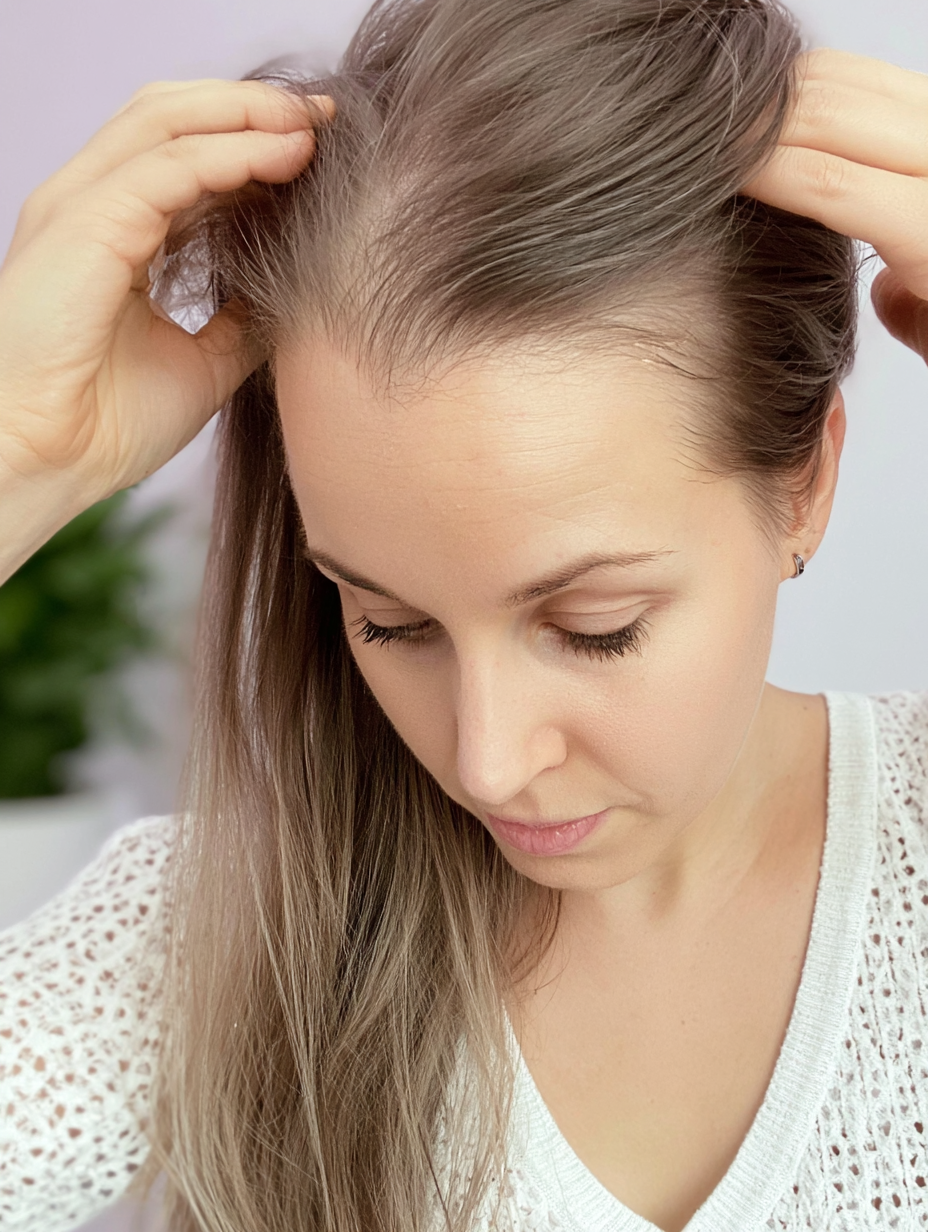
You just left the salon with a fresh set of braids. They look amazing. But your scalp feels like someone pulled it too tight.
Many people think this pain is normal. It is not.
Tight braids can cause serious damage, including permanent hair loss called traction alopecia. Ignoring the discomfort won't make it go away. It only makes things worse.
The good news is you have options. You do not need to suffer for weeks. You also don't need to immediately rip out expensive braids.
This guide gives you a step-by-step plan. Start with the gentlest methods first. Move to stronger solutions only if needed.
Your goal is relief without ruining your style.
How to Tell If Your Braids Are Actually Too Tight
Before you fix the problem, confirm you have one. Some tightness on the first day is normal. But real pain is a red flag. Look for these specific signs.
- Scalp pain and headaches. Your head should not hurt when you touch it. Moving your eyebrows or nodding should feel fine. Pain that spreads to your neck or temples means too much tension.
- Tiny bumps near your braids. These small, red bumps look like pimples on your scalp. They signal inflammation and follicle stress. Do not ignore them.
- A stretched, shiny scalp. Pull your braid gently to the side. Does the skin around it look glossy or taut? That shine means the hair root is under extreme pressure.
- Visible hair roots pulled up. You should see the braid start close to your scalp. If you see a gap of exposed hair shaft, the braid has yanked the root upward. This often leads to breakage.
- Redness along your hairline. Your edges are the most fragile area. Redness there means the braids are pulling too hard. Act fast to save those baby hairs.
If you see any of these signs, move to the solutions below. Do not wait for "a few days" to see if it improves.
Immediate Relief Methods (Do These First)
These techniques loosen braids without removing them. Start here and work your way down the list.
1. Use Warm Water to Relax the Tension
Heat softens both natural hair and synthetic extensions. Wet a clean towel with warm water. Wring it out so it is damp, not dripping. Wrap the towel around your head like a turban. Leave it on for ten minutes. The warmth will expand your hair shafts slightly and create slack.
You can also stand under a warm shower. Let the water run over your braids for several minutes. Gently massage your scalp while the water hits it. Do not scrub hard. Just use soft circular motions with your fingertips.
2. Apply a Spray Leave-In Conditioner
Dry hair creates friction and pulls tighter. A good leave-in conditioner adds slip. Spray it directly onto your scalp, not just on the braids. Lift each braid slightly to reach the roots. Focus on the areas that hurt the most.
Choose a lightweight spray formula. Heavy creams or butters will build up and cause itching. Look for ingredients like aloe vera or glycerin. These hydrate without leaving residue. Apply once daily for best results.
3. Massage Your Scalp With Soothing Oils
Massage increases blood flow to stressed follicles. It also helps relax the tight grip of each braid. Use your fingertips, never your nails. Press gently and make small circles for two to three minutes.
Add essential oils for extra relief. Mix two drops of tea tree oil with one tablespoon of coconut or jojoba oil. Tea tree oil reduces inflammation and fights bacteria. Lavender oil also works well and smells calming. Test the oil on a small skin patch first to avoid allergic reactions.
4. Wear Your Hair Down at All Times
This sounds simple, but it makes a huge difference. Any updo adds extra tension to your roots. A high ponytail pulls your hairline back. A bun twists the braids and tightens them further. Even a low ponytail creates some stress.
Let your braids hang freely. If they get in your face, use a soft cloth headband. Do not use elastic bands or clips. The goal is zero additional pulling on your scalp.
Stronger Solutions for Persistent Pain
If the methods above do not work after two days, try these more aggressive approaches.
5. Use a Hair Steamer for Deep Moisture
A hair steamer is more powerful than a warm towel. It produces constant, gentle steam that penetrates each braid. The moisture softens synthetic hair fibers significantly. This often creates enough slack to stop the pain.
Steam your hair for ten to fifteen minutes. Do this every other day until the tightness fades. You can buy a home steamer for around $80. Or visit a salon that offers steaming as a standalone service.
6. Gently Loosen Individual Braids With a Tool
Some braids are tighter than others. Target the worst ones first. Take a rat-tail comb or the eraser end of a pencil. Slide the tool under the tight braid near your scalp. Wiggle it back and forth very gently. This stretches the hair fibers just enough to release pressure.
Be extremely careful with this method. Do not pull or yank. You only want to create a millimeter of slack. If you feel sharp pain, stop immediately. This technique works best on box braids and individual braids, not cornrows.
7. Take Over-the-Counter Pain Relievers Temporarily
Painkillers do not loosen braids. But they can help you function while you decide what to do. Ibuprofen or acetaminophen reduces scalp inflammation too. Use the minimum effective dose for no more than two days.
Consider pain medication a bridge, not a solution. If you still need pills after 48 hours, your braids are dangerously tight. Move to the next section.
When to Give Up and Take the Braids Out
This is the hardest part of the article to write. You spent money. You sat for hours. The style looks gorgeous. But your health must come first.
Take your braids out immediately if you experience:
- Pus or yellow drainage near any braid
- Bald spots or visible gaps in your hairline
- Pain that wakes you up at night
- Headaches that do not go away with medication
- Any numbness or tingling on your scalp
How to remove tight braids safely. Do not just pull them apart. This causes more breakage. Use sharp scissors to cut the synthetic hair near the knot. Unravel the braid carefully with your fingers. Apply conditioner to loosen any tangles. Work slowly from the bottom up.
What to do after removal. Your scalp needs time to heal. Wash gently with a soothing shampoo containing tea tree or peppermint. Apply a light moisturizer. Leave your hair completely loose for at least one week. No braids, twists, or buns during this recovery period.
Wrapping Up
Let's be clear about one thing. Traction alopecia is real. It starts with small bumps and soreness. It ends with bald spots that may never grow back. No Instagram-worthy braid style is worth permanent hair loss.
You have the power to stop the damage today. Try warm water and a scalp massage first. Use leave-in conditioner and wear your hair down. If those fail after 48 hours, remove the braids. Do not feel guilty about the money or time spent. Consider it a lesson learned about your body's limits.
Remember that pain is information. Your scalp sends you signals for a reason. Listen to those signals. Respect them. The healthiest hair you will ever have comes from a relaxed, well-cared-for scalp. Tight braids might look good in a mirror. But a pain-free head feels better every single day.