Walk into any salon this year and two haircuts are running the conversation. One came from Paris with a cigarette and an attitude. The other came from Rome with a blowout and a side part.
They share a name, a length range, and a place on every mood board you've scrolled past in the last six months. That's where the similarity ends.
The French bob and the Italian bob are built differently, styled differently, and ask different things of the person wearing them. Pick the wrong one and you'll spend a year fighting your hair every morning. Pick the right one and you'll wonder why you waited so long.
This guide breaks down what actually separates them, who each cut suits, and how to choose between them without second-guessing yourself in the salon chair.
What Makes a Bob "French"
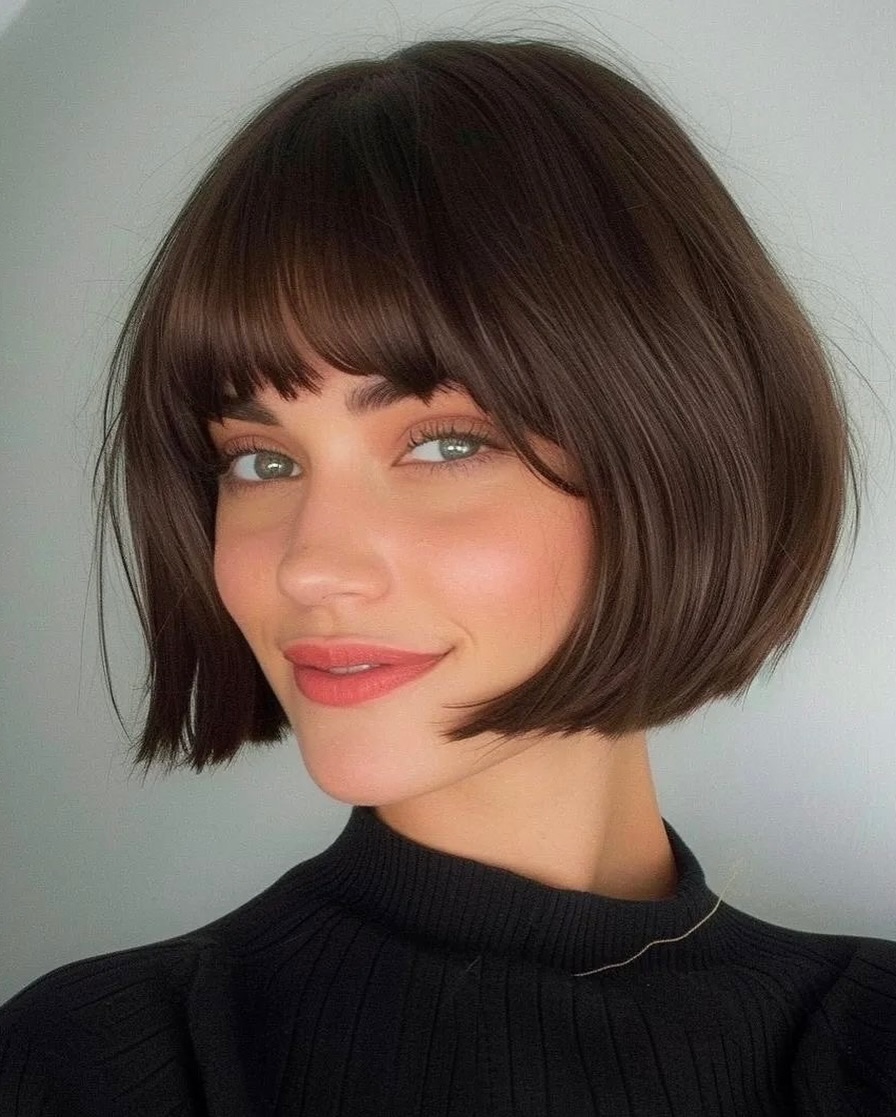
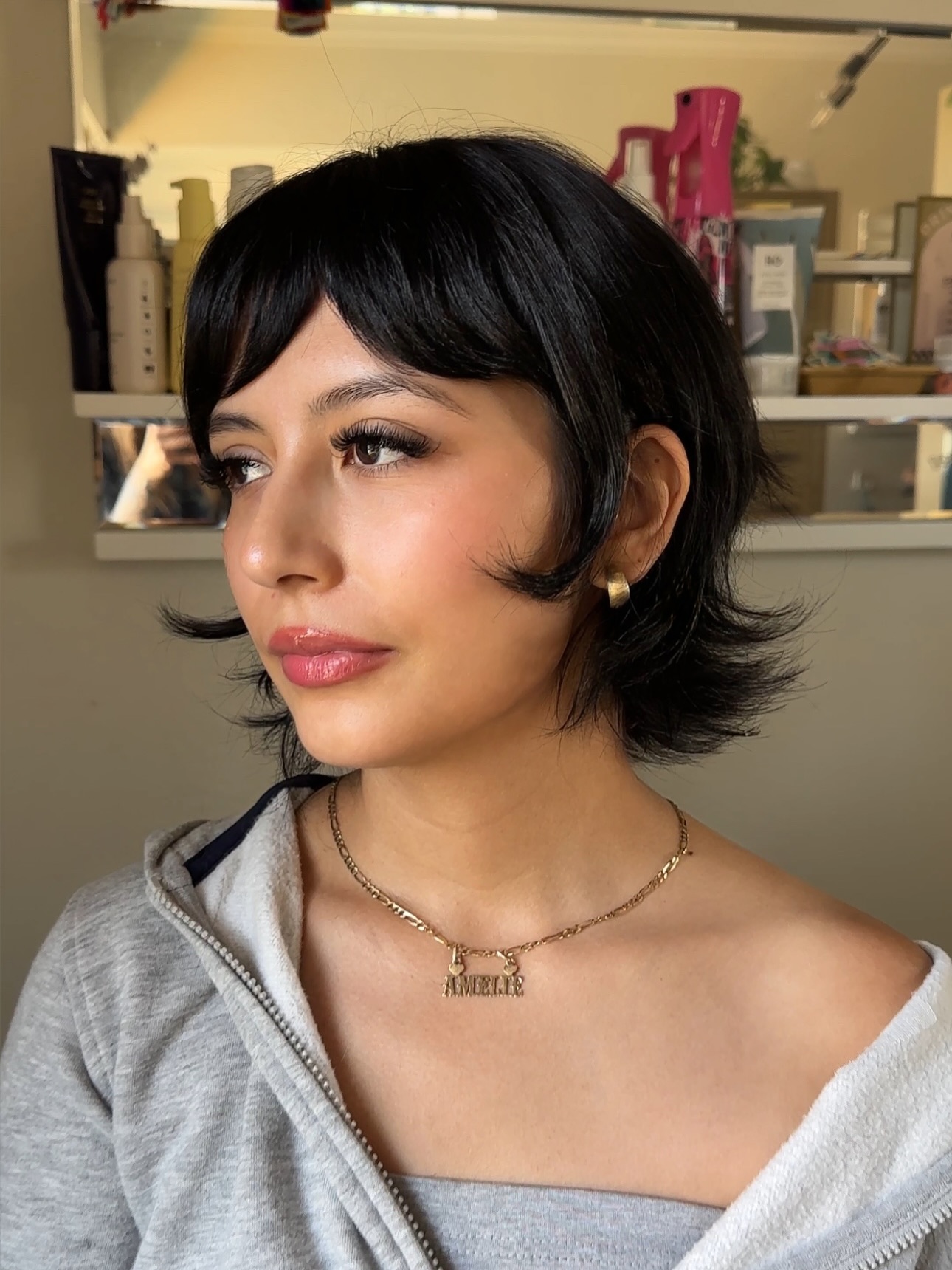
A French bob lives above the jawline. Sometimes it grazes the middle of the cheek, sometimes it skims the chin, but it never reaches the shoulders.
The cut itself is blunt. The ends stack cleanly so fine hair reads fuller and weightless rather than thin and limp.
Bangs are practically part of the uniform. Soft wispy fringe, piecey curtain bangs, or a blunt micro fringe all qualify. The point is that the bangs frame the face without looking labored over, the way a good outfit looks like you threw it on even though you didn't.
The whole look traces back to the Flapper era, when women cut their hair short as an act of rebellion against everything Victorian and corseted. That spirit is still baked into the cut. A French bob isn't trying to impress you. It's cool, slightly undone, and moves with the person wearing it rather than performing for them.
Stylists call it low-maintenance, and they mean it. Air drying usually works. A mist of texturizing spray, a shake of the head, maybe a quick pass with a flat iron, and you're done.
"The goal is undone and never over-styled," says Wavytalk hairstylist Emma McJury. The cardinal rule with this cut is to never let it look perfect. Perfection kills the whole point.
What Makes a Bob "Italian"

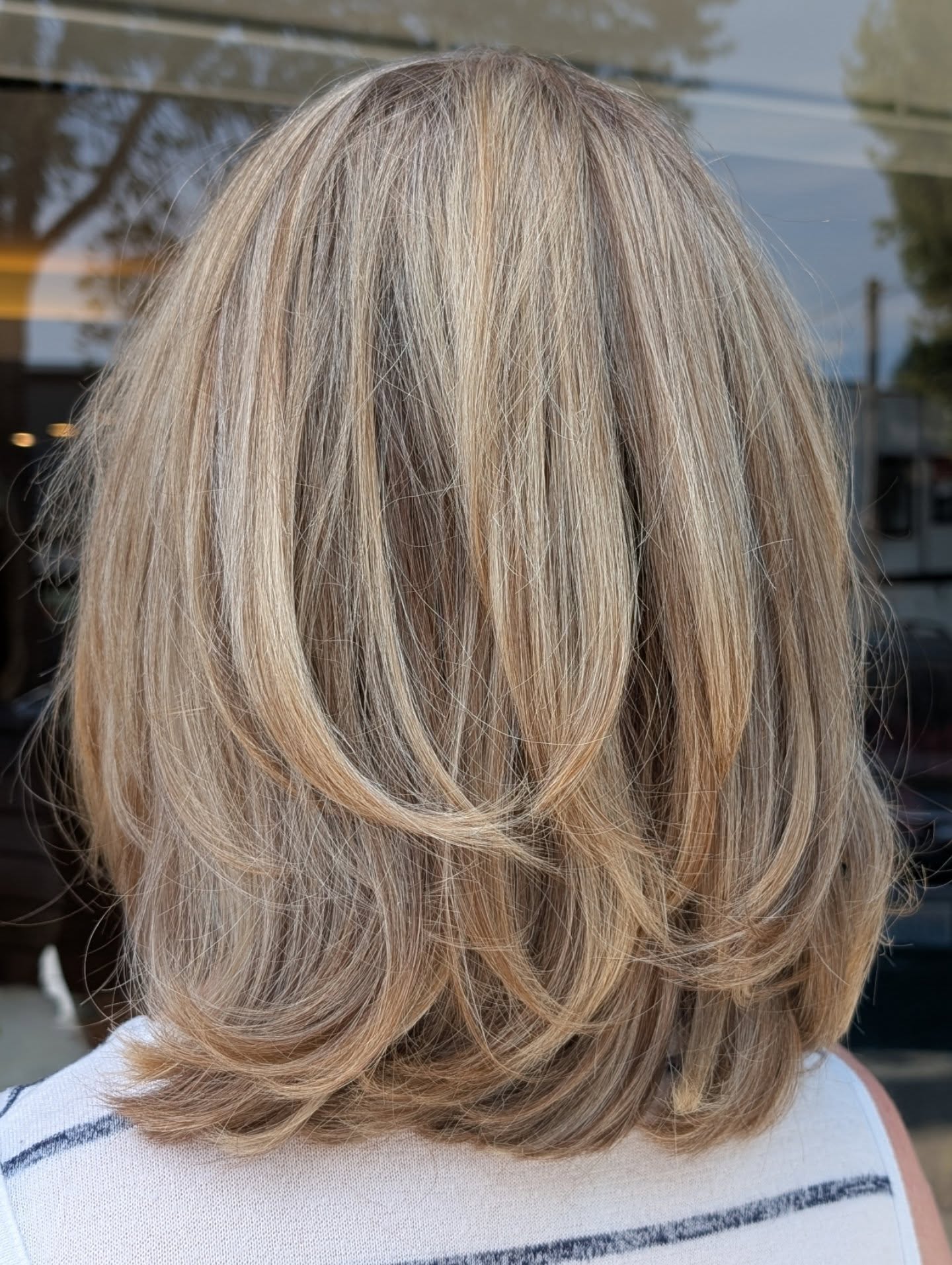
The Italian bob is a different animal entirely. It sits at chin level, along the jaw, on the neck, or grazes the top of the shoulders.
The ends are still blunt, but internal layers do quiet work underneath. They build the soft rounded volume that gives the cut its signature bounce.
This haircut does not hide in the background. It asks to be looked at. Think Monica Bellucci in the nineties, or Sophia Loren stepping out of a convertible in archival photos. The Italian bob is polished, glossy, and deliberately glamorous in a way that the French bob refuses to be.
Volume is non-negotiable. "The key to this style is volume. It requires lots of body and movement as well as heavy, chunky ends," says UK editorial stylist Adam Reed.
You don't need thick hair to pull it off. A strong one-length cut on fine hair builds the illusion of density, which is part of why this style has caught on so widely.
The cut typically falls on a side part or a deep part rather than down the middle. It works with natural texture, but a big bouncy blowout is its native language.
Diffrences Between French & Italian Bobs
1. Length. French bobs sit at the jaw or higher, often above. Italian bobs reach the chin, the neck, or the top of the shoulders.
That extra length matters more than it sounds. It means an Italian bob can be pulled into a half-up style or a small ponytail when you need it off your face, while a French bob really only has one way to be worn.
2. Cut technique. French bobs rely on blunt, decisive lines with no layers, or only ghost layers so subtle most people wouldn't notice.
Italian bobs use internal layering to build that rounded voluminous shape while keeping the exterior ends heavy and intact. The Italian cut is doing more underneath, even if the outline looks similar.
3. Bangs. French bobs almost always include a fringe, whether blunt, wispy, or curtain.
Italian bobs typically skip bangs entirely. The face gets framed by the cut itself and the angle of a deep side part, not by hair on the forehead.
4. Volume. The French bob is deliberately flat at the roots. Whatever fullness it has comes from the way the blunt perimeter stacks against itself.
The Italian bob is big from root to tip. Body, bounce, and movement are the whole point.
5. Styling effort. You can air dry a French bob and walk out the door.
An Italian bob demands a blowout, or at least a focused round-brush session, to activate its shape. One is a five-minute routine. The other is a ritual. Neither is wrong, but they are not interchangeable.
6. Face shape. French bobs flatter longer faces by adding visual width at the jaw. They also tend to work well on heart-shaped and oval faces.
Italian bobs soften square jawlines with their volume and layered movement. The slightly longer length helps elongate rounder face shapes rather than emphasizing them.
7. Vibe. The French bob is about attitude. It's playful, rebellious, and effortless.
The Italian bob is about aesthetic. It's luxurious, confident, and cinematic. They are not competing for the same energy.
Which One Should You Get?
Ask yourself two honest questions before you book the appointment.
First, what is your hair texture actually like?
Fine, straight hair loves a French bob because the blunt ends make it look noticeably thicker than it is. Thick, wavy, or coarse hair thrives in an Italian bob because the weight grounds the shape and the internal layering prevents the bulk from turning into a helmet.
If you have curly or coily hair, both cuts are possible. You'll just need a stylist who understands how your texture shrinks and expands.
Second, how much time do you genuinely want to spend styling your hair?
Be honest with yourself, not aspirational. If the answer is as little as humanly possible, the French bob wins. If you actually enjoy ten minutes with a round brush and a can of hairspray, or you've been looking for an excuse to invest in a good blow-dryer, the Italian bob will reward that effort generously.
Face shape matters, but it matters less than people think. Both cuts can be adjusted by a skilled stylist to suit the person in the chair. The texture and the time commitment are the real deciders.
Tell your stylist what you want to emphasize, what you want to downplay, and how your mornings actually go. A good haircut comes out of a real conversation, not a formula pulled off Pinterest.
Wrapping Up
Whichever cut you choose, give it a real season before deciding it isn't working.
Bobs reveal themselves slowly.
The first two weeks are always a little strange, and the version of the haircut you'll actually love usually shows up around the first trim, not the first wash.