Let's be real for a second. You want brighter hair. But you have no idea what those salon terms actually mean. I get it. Standing in front of a mirror with foils in your hair feels intimidating when you don't know what you ordered.
Here's the truth. Many people pick the wrong highlight service. They end up paying too much or feeling disappointed. Some expect dramatic results from partial highlights. Others waste money on full highlights when they only needed a simple refresh.
This article cuts through the confusion. You will learn exactly what partial and full highlights do. We will cover costs, maintenance, hair health, and styling realities. By the end, you can walk into any salon with confidence. Your stylist will respect that you understand your options.
What are Partial Highlights?
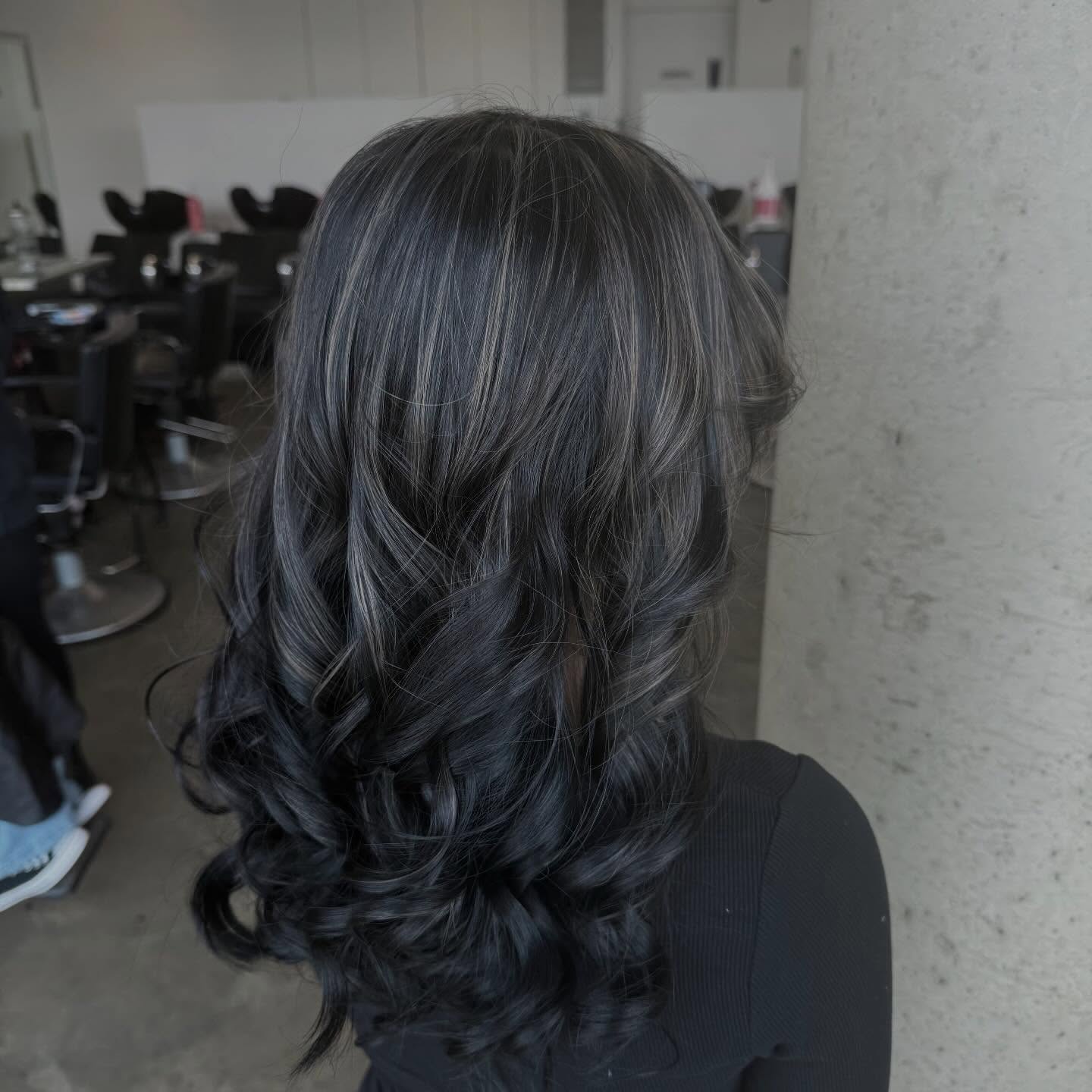
Partial means only part of your hair gets lighter. Think about where the sun hits your head. The top, the front, and the area around your face. That is where partial highlights go.
The hair underneath stays your natural color. The back of your head stays your natural color too. Your stylist leaves about half your hair completely untouched.
So what does that look like in real life? When you look in the mirror, you see lighter pieces on top and around your face. But when you lift your hair, the underneath sections remain dark. This creates contrast and depth.
Partial highlights work like this. Your stylist paints lighter color onto specific strands. They choose the most visible areas only. The goal is brightness where people naturally look first.
You get a sun-kissed effect without changing your whole head. Think of it as adding pops of lightness rather than transforming everything.
How much hair actually gets lightened. Partial highlights cover roughly 40 to 60 percent of your hair. The exact amount depends on how thick your hair is and where your stylist places the lighter pieces. Thin hair might show more coverage. Thick hair may hide some lighter pieces underneath.
The look you get. Your hair will have obvious contrast. The top looks bright and dimensional. The underneath stays dark and rich. This creates movement and depth that many people love.
Who this works best for. Partial highlights suit people who want a natural look. They work great if you wear your hair down most days. They are perfect for first-timers who feel nervous about commitment.
What partial highlights cannot do. You cannot go fully blonde with partial highlights. At least 40 percent of your hair remains natural. If you dream of all-over blonde, this option will disappoint you.
What are Full Highlights?
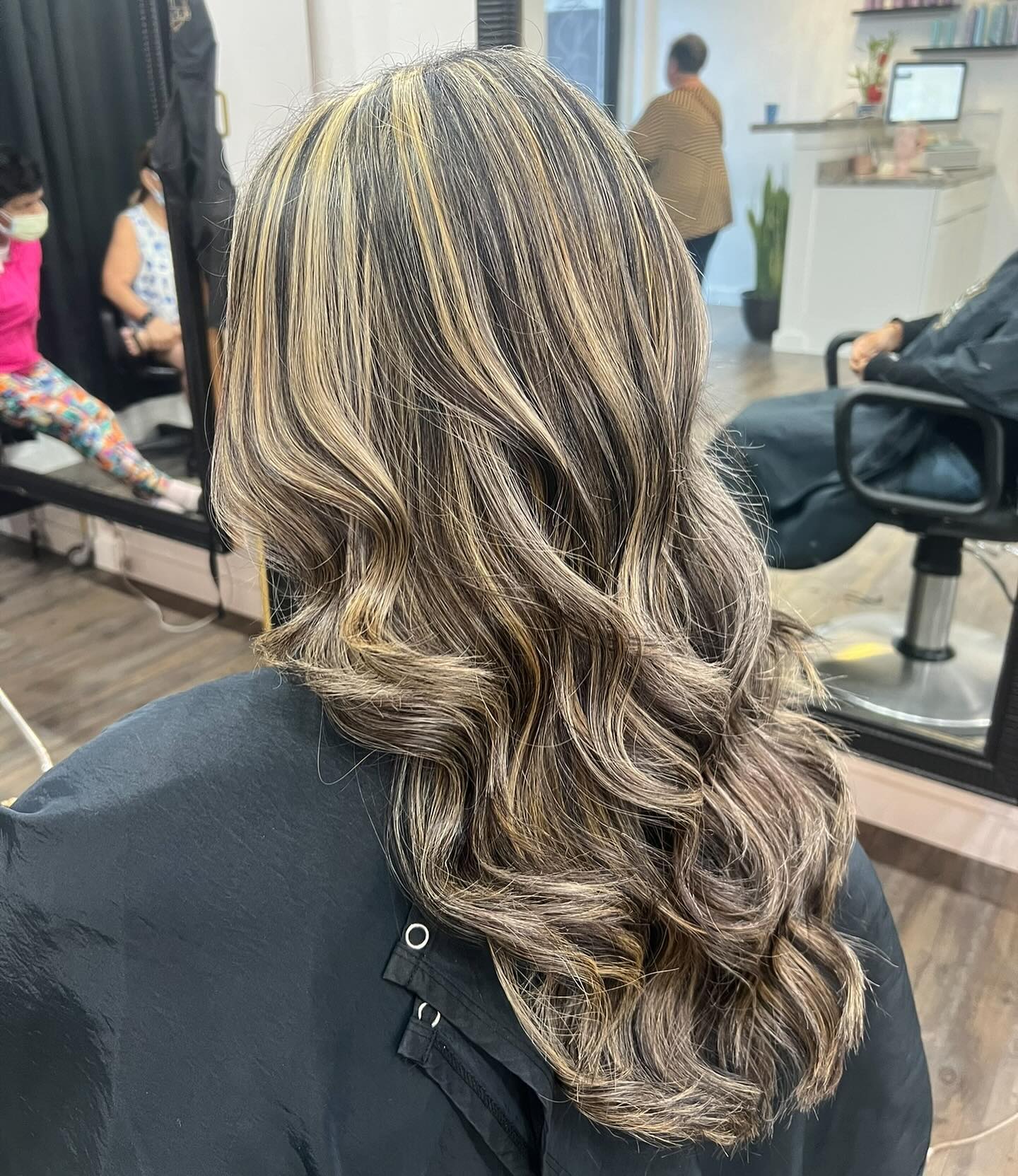
Full means every part of your head gets lighter. Your stylist does not skip any sections. The top, the sides, the back, and the underneath all receive lighter pieces.
Imagine your entire head of hair. Now picture lighter strands woven throughout every single layer. That is full highlights. No dark sections remain hidden anywhere.
Your stylist works systematically from your neck to your crown. They section your hair into parts. Each section gets lighter pieces placed throughout. The goal is even distribution everywhere.
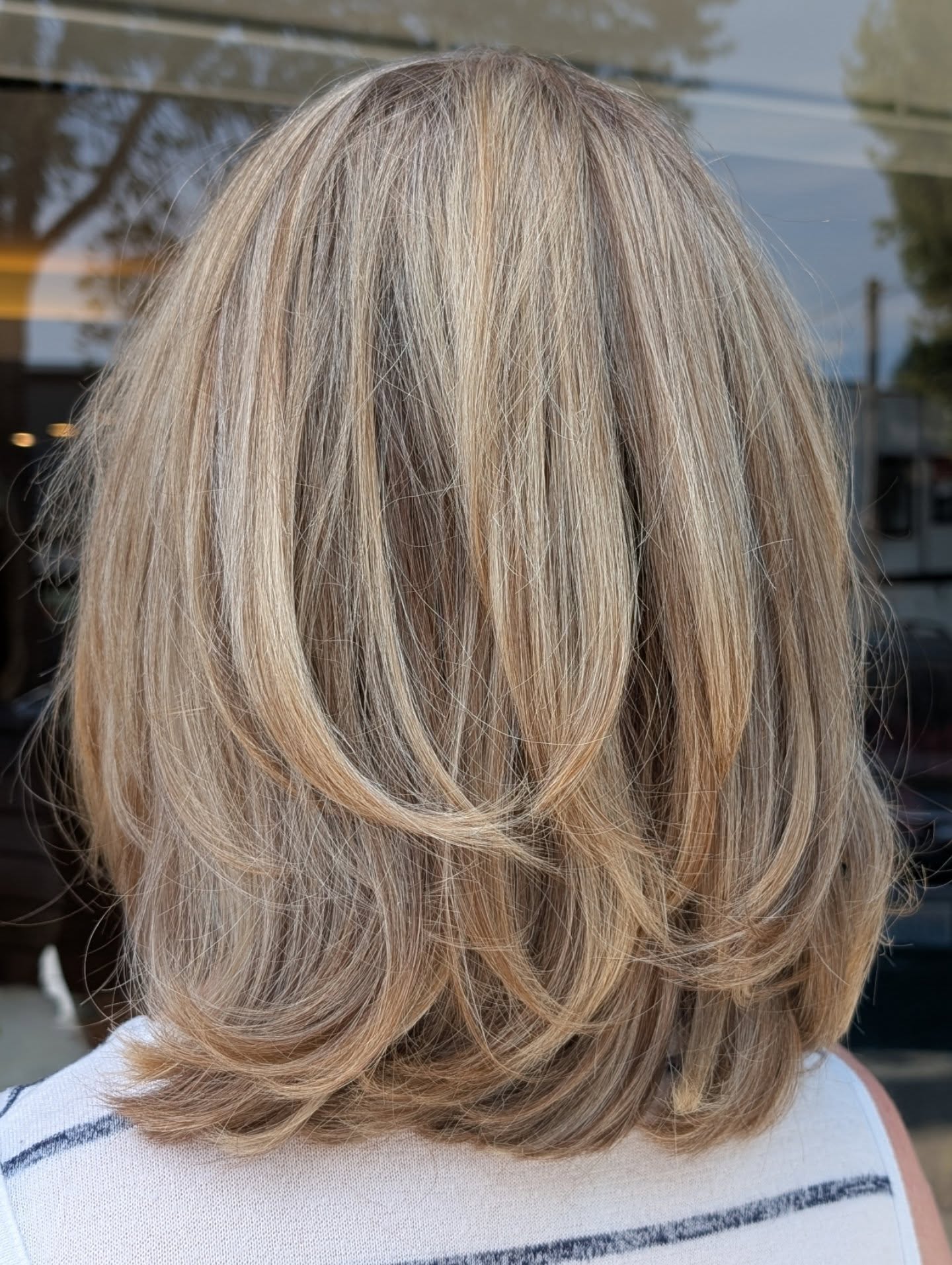
How much hair actually gets lightened. Full highlights cover roughly 80 to 90 percent of your hair. Some natural color may peek through for dimension. But the overall effect looks uniformly lighter from every single angle.
The look you get. Your hair appears consistently bright all over. Someone standing behind you sees lightness. Someone looking at your side sees lightness. When you flip your hair, the underneath layers match the top.
Who this works best for. Full highlights suit people who want dramatic change. They work great if you wear ponytails or updos often. They are perfect if you want to go from dark brown to blonde.
What full highlights require. You need more time in the salon chair. You need a bigger budget. You need to commit to regular touch-ups every 6 to 8 weeks. Your hair will need extra care and conditioning.
Difference Between Partial and Full Highlights
1. How They Look
Let me paint a clear picture for you.
With partial highlights, your hair has two distinct tones. The top and front look bright. The underneath and back stay dark. This creates obvious contrast and depth.
With full highlights, your hair has one consistent tone throughout. The brightness looks even from every angle. The contrast comes from different shades of light rather than dark versus light.
Wearing your hair down. Partial highlights look fantastic when your hair is down. The lighter pieces sit on top where everyone sees them. Darker sections underneath stay hidden. This creates beautiful dimension.
Full highlights also look good worn down. But you lose some contrast because everything is light. The dimensional effect flattens out somewhat.
Wearing your hair up. Partial highlights show their limitation here. Pull your hair into a ponytail. The dark underneath sections become visible. The contrast between your bright top and dark back looks stark.
Full highlights shine when your hair is up. Your ponytail shows consistent brightness from every angle. No dark surprises when you turn around.
2. Maintenance
This matters for your schedule and your wallet.
Partial highlights schedule. You need touch-ups every 10 to 12 weeks. The brightness around your face and part line will fade first. Those areas show regrowth sooner than the rest of your head.
The good news is that partial touch-ups cost less. They also take less time. You can often get in and out in under two hours.
Full highlights schedule. You need touch-ups every 6 to 8 weeks. Regrowth shows everywhere at once. Your part line, hairline, and crown all reveal dark roots simultaneously.
Full touch-ups cost more and take longer. Plan for three to four hours in the salon chair. Your stylist needs time to place lighter pieces throughout your entire head again.
What about toner? Both options need toner between highlight appointments. Toner is a gloss treatment that keeps your color from turning yellow or orange.
Partial highlights need toner about every 8 weeks. Full highlights need toner every 4 to 6 weeks. Skip toning and your bright hair will look brassy and warm.
3. Cost
Let me break down the real numbers.
Partial highlights upfront cost. You will pay $115 to $150 for a partial highlight service. This includes the application, processing, and a blowout. Toner is usually extra.
Full highlights upfront cost. You will pay $150 to $250 or more for full highlights. Long or thick hair increases the price significantly. Some salons charge $300 or more for comprehensive full coverage.
The yearly cost difference. This is where many people get surprised.
Partial highlights over one year: About $460 to $750 for the services alone. Add toner and products. Your total lands around $883 per year.
Full highlights over one year: About $900 to $2,000 for the services alone. Add frequent toner and intensive products. Your total lands around $1,988 per year.
The difference exceeds $1,100 per year. That is real money. Choose wisely based on your budget.
4. Which is Healthier for Your Hair?
Let me be honest about damage.
Partial highlights and hair health. Only 40 to 60 percent of your hair gets lightened. The untouched sections remain strong and healthy. Those dark underneath layers act as anchors.
Between appointments, your lightened strands have 10 to 12 weeks to recover. You can use conditioning treatments and bonding products. Your hair gets real time to heal before the next session.
Full highlights and hair health. 80 to 90 percent of your hair gets lightened at once. No strong anchor sections remain. Every strand becomes more porous at the same time.
Recovery time is shorter at only 6 to 8 weeks. Your hair gets less time to heal. Repeated processing on already damaged strands causes breakage over time.
What about different hair types? Fine hair suffers faster from full highlights. Each strand has less natural structure. Full coverage can leave fine hair stringy and fragile.
Curly hair needs extra consideration. Bleach changes your curl pattern. Full highlights affect every single curl. You might lose definition or see uneven texture.
Thick or coarse hair handles full highlights better. More protein structure means more resilience. But coarse hair also tends toward dryness. Full highlights make this problem worse.
5. How to Choose Based on Your Daily Life
Stop thinking about hair trends. Think about your actual routine.
Pick partial highlights if you do these things. You wear your hair down on most days. You can go 10 weeks between salon visits. Your budget prefers lower yearly costs. You want a subtle, natural-looking change. Your hair feels fragile or damaged already. You are new to highlights and feel nervous.
Pick full highlights if you do these things. You wear ponytails, buns, or braids regularly. You have short hair where all sections show. You want dramatic transformation to blonde. Gray hair appears throughout your entire head. You can commit to 6 to 8 week salon visits. Your hair is thick, coarse, or very healthy.
Still unsure? Start with partial highlights. See how you feel after 8 weeks. If you want more coverage, add full highlights at your next visit. You can always increase coverage. You cannot easily reverse full highlights to partials.
Questions to Ask Your Stylist
Before you book, ask these specific questions. A good stylist will answer clearly.
- "Based on my hair, do you recommend partial or full highlights?"
- "How many lighter pieces will you place for each option?"
- "What happens if I want to go lighter after starting with partials?"
- "How often will I need toner with each choice?"
- "Can you show me photos of your partial and full highlight work?"
- "What bonding treatments do you use during the service?"
Pay attention to how your stylist responds. Vague answers suggest inexperience. Clear, confident explanations indicate expertise. Trust your gut feeling during the conversation.
Wrapping Up
Partial highlights cover about half your hair. They cost less and need less maintenance. Full highlights cover almost everything. They cost more but give uniform results.
Be honest with yourself. Do you really need all-over brightness? Or just a face-framing refresh? Many people pick the wrong service and waste money.
Do not let that be you. Book a free consultation. Bring photos. Ask questions. Then book with confidence.
Now go get those highlights. You have got this.