Between the snip of the scissors and the final reveal, hair holds a quiet power (or maybe it’s not so quiet).
A cut can recalibrate your whole presence. And right now, two distinct ways to claim that power lead the conversation: the pixie and the bob.
Both command attention. Both operate differently.
Let’s talk about what separates the pixie from the bob, and what makes each one work.
The Pixie Haircut
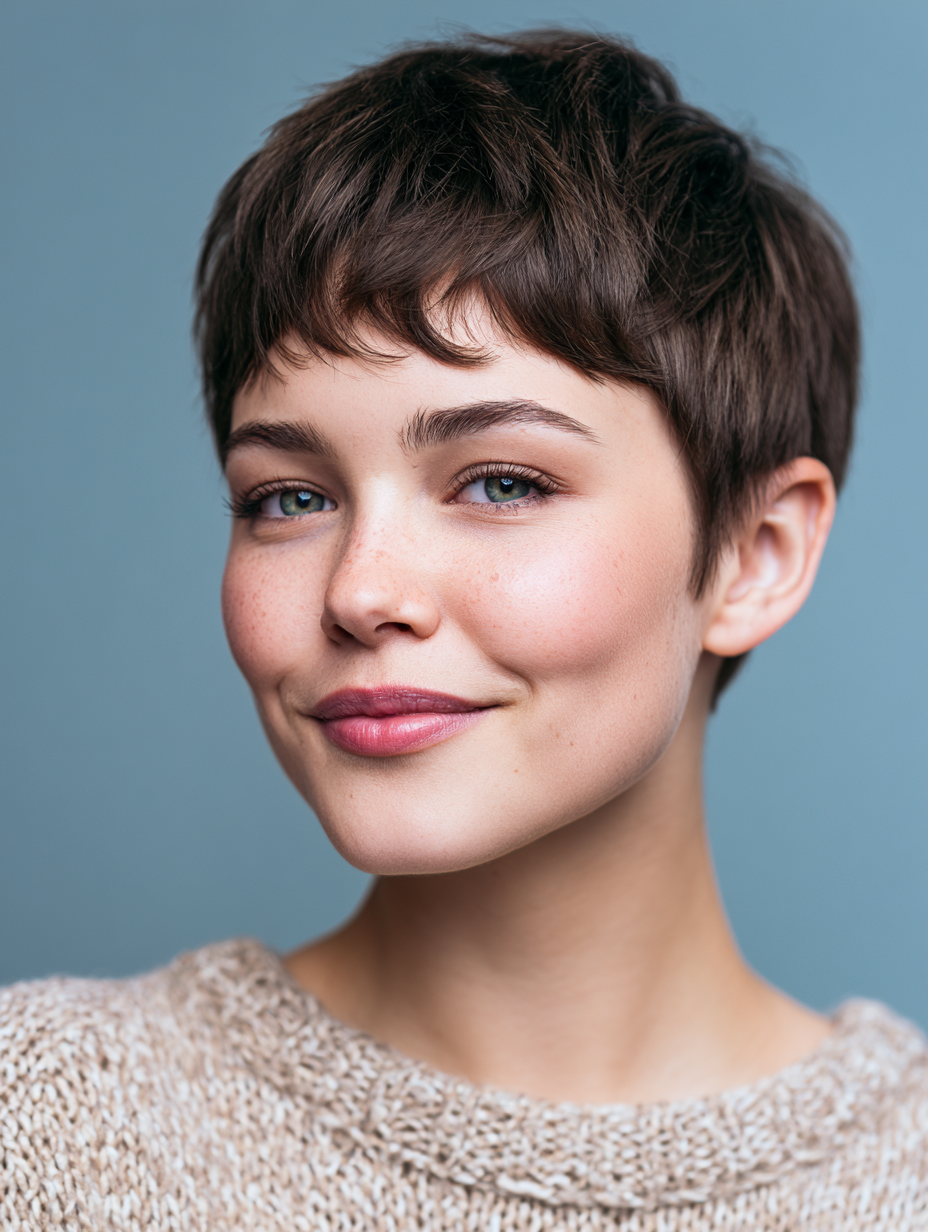
A pixie is a declaration of confidence that lives close to the scalp. Cropped above the ears and cheekbones, it’s a dramatic, edgy transformation that shows off the neck and eyes immediately.
You trade the safety of falling strands for the architecture of your features. This cut whispers rebellion in the 1920s and shouts sophistication when Audrey Hepburn claims it in the 1950s.
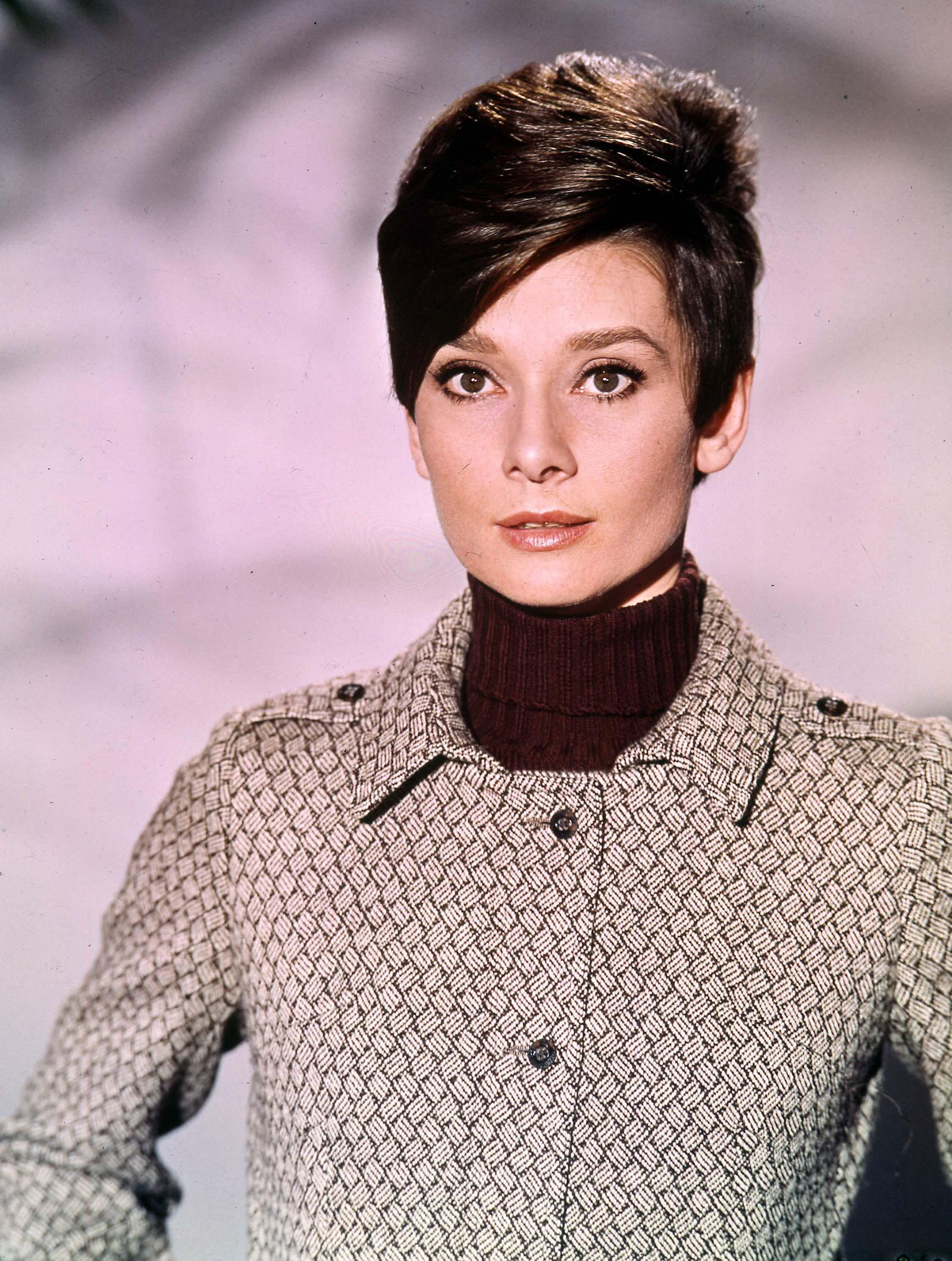
Today’s pixie is a reclamation of identity, a modern, low-maintenance cut that keeps your face front and center.
A pixie reads like a bold graphic line—striking, self-assured, impossible to ignore. The cut itself can range from a super-tight, Mia Farrow‑esque crop to a tousled, grown‑out shape with more length on top. You won’t pull it into a ponytail, and you won’t need to. A pixie works because it doesn’t try to be anything else.
The Bob Haircut
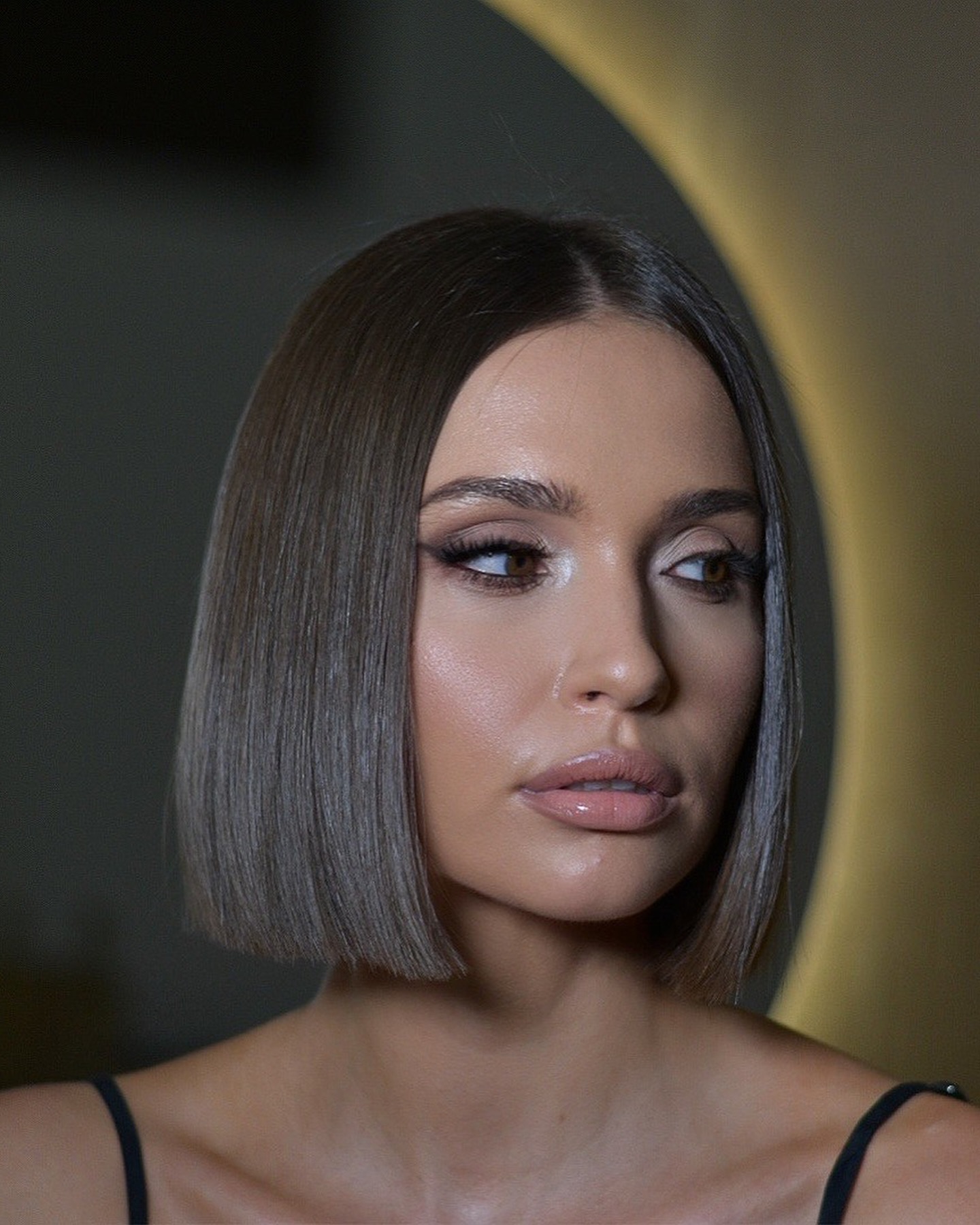
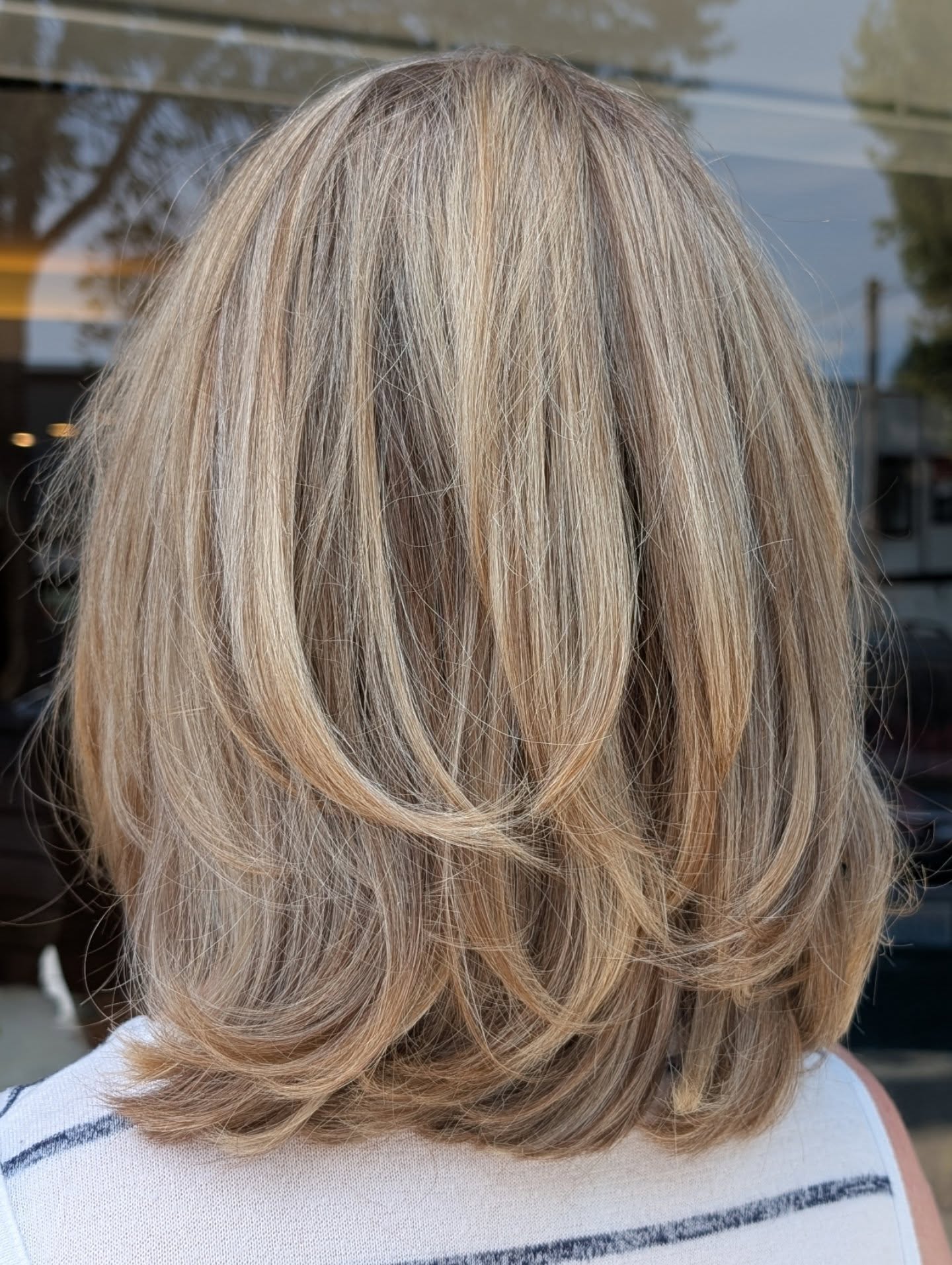
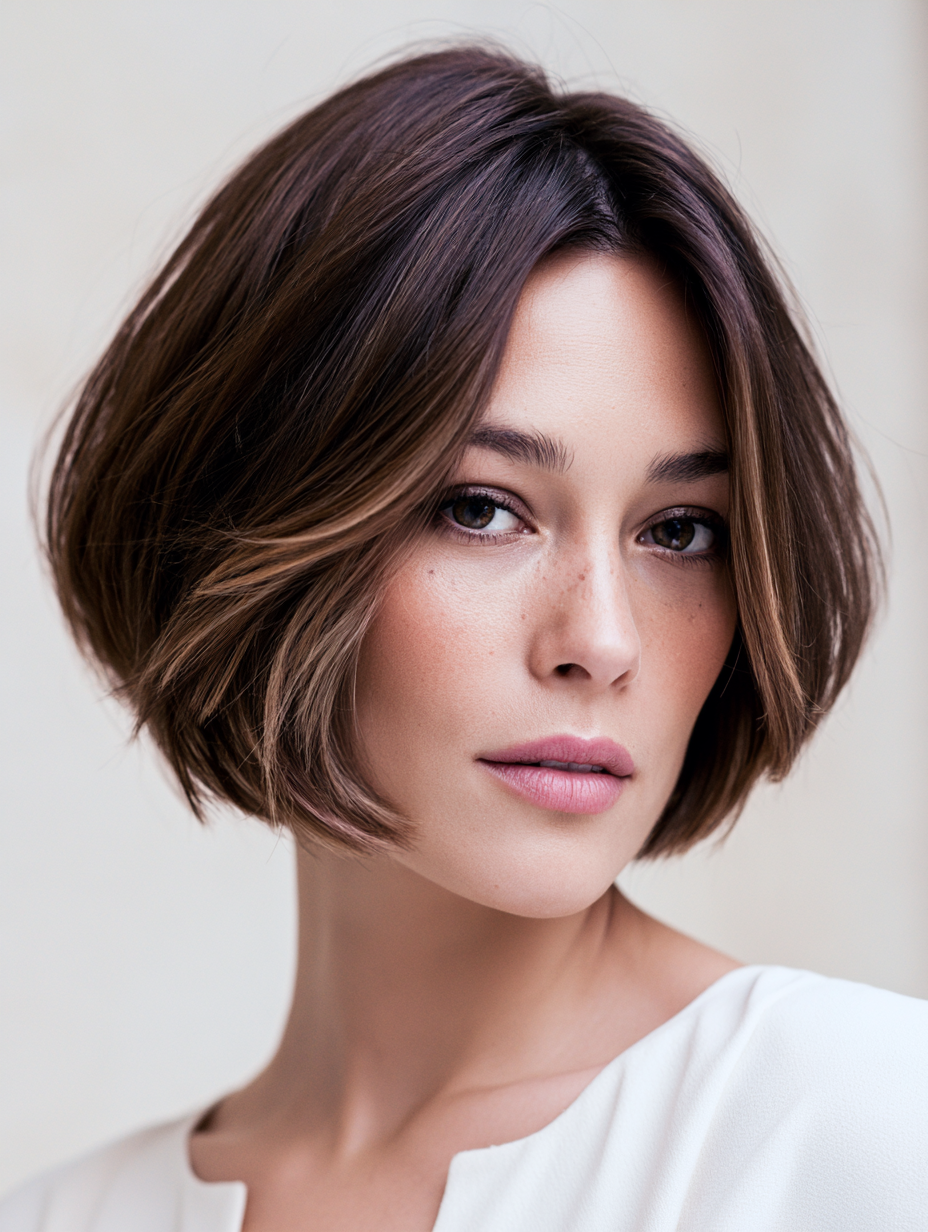
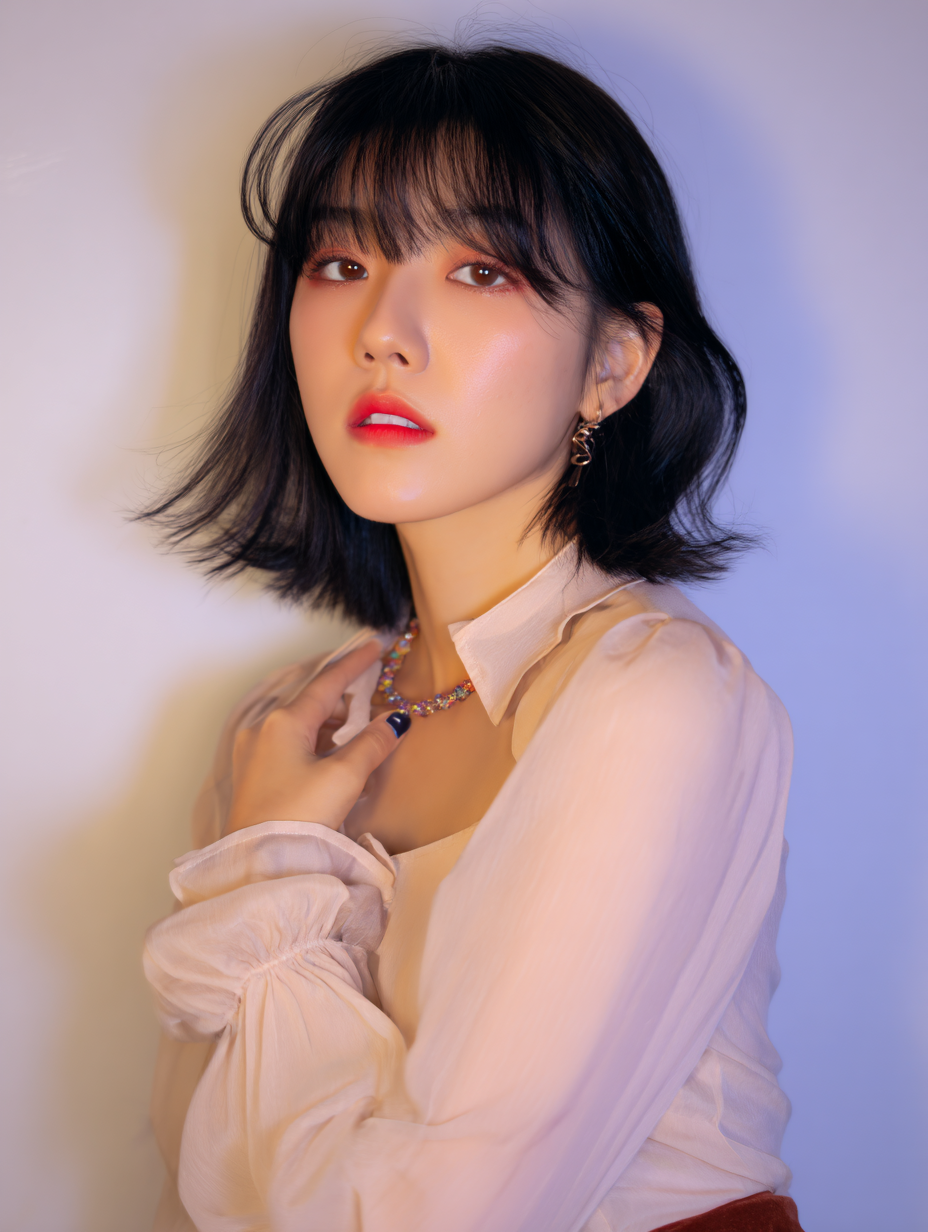
A bob is a short‑to‑medium canvas with endless emotional range. It can fall from the jawline down to just above the collarbone, creating a soft line that frames the face without dictating it.
Where the pixie reveals your features, the bob gives you room to play with style and texture. This cut has survived a century of reinvention for a reason: it adapts beautifully to the mood of its wearer.
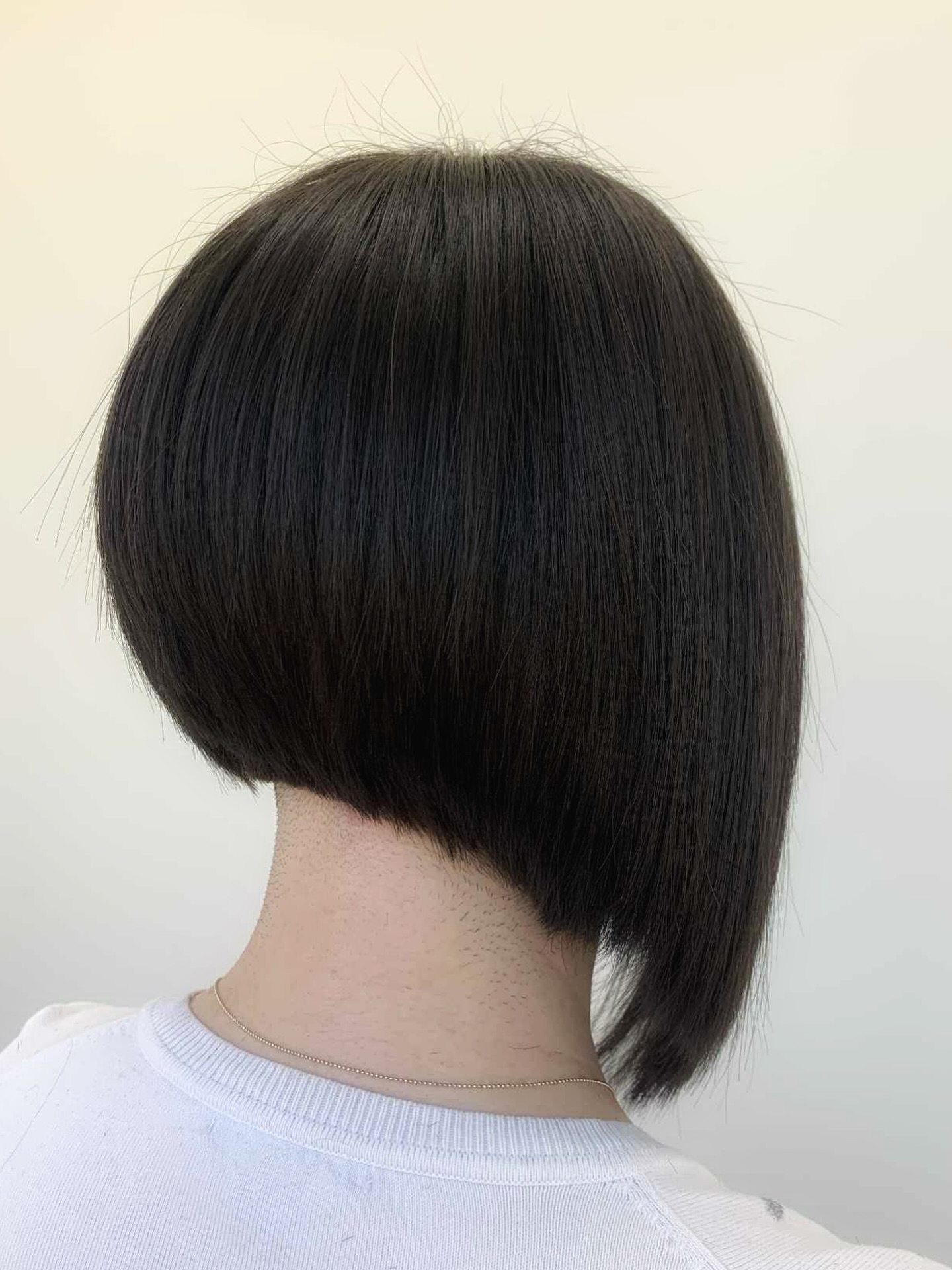
You can wear it blunt and angular like a new‑wave icon, or tousled and beachy like a summer memory. The bob’s versatility extends even into variations like the box bob or the layered lob.
It’s the least risky short cut for a first‑timer, offering enough length to tuck behind an ear or clip back with a simple accessory. A bob is a conversation starter that still lets you decide where the discussion goes.
Pixie vs Bob - Their Differences
- Face shape drives the choice. A pixie opens the whole face and pulls a viewer’s gaze inward, so it works best when you want to highlight cheekbones, a jawline, or a confident brow. A bob uses its longer length to create balance and soften angles, making it a favorite for heart‑shaped and oval faces that want a gentler framing effect.
- Styling efforts shift dramatically between the two. A pixie is largely wash‑and‑go; its shape is the statement, and you’ll spend more time on regular trims (every 4–6 weeks) than on daily styling. A bob asks for a bit more attention because its length invites experimentation—a quick pass with a curling wand, a deep side part, or air‑dried texture that changes the whole vibe.
- Maintenance tells a parallel story. The pixie’s reward is a morning routine that drops to near zero. The bob’s reward is flexibility: you can still pull it into a half‑pony or swap your parting to refresh the look between salon visits.
- The boldness factor can’t be ignored. The pixie is the bolder choice of the two, and you should respect that. If you’re coming from long hair, the visual shock can feel liberating or disorienting—often both. The bob cushions the leap. It’s still a chop, still intentional, but it leaves you enough familiarity to exhale quickly.
The Bixie: A Hybrid Worth Knowing
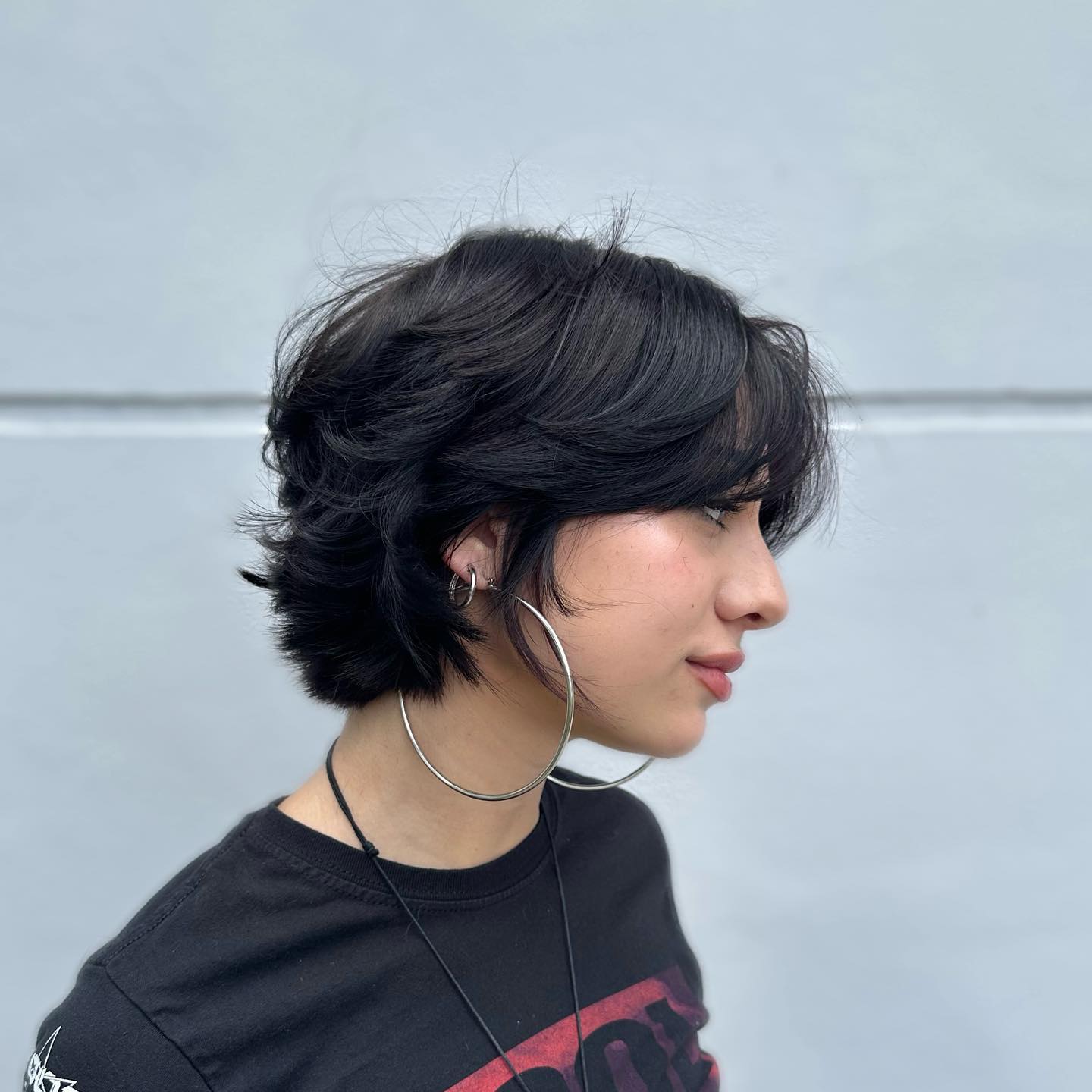
Sometimes a binary choice fails, and the bixie fills the gap. This hybrid blends the cropped, choppy layers of a pixie with the softer, feathered ends of a bob.
It keeps enough length through the sides and back to tuck behind the ears, add waves, or play with volume, options a traditional pixie simply won’t allow.
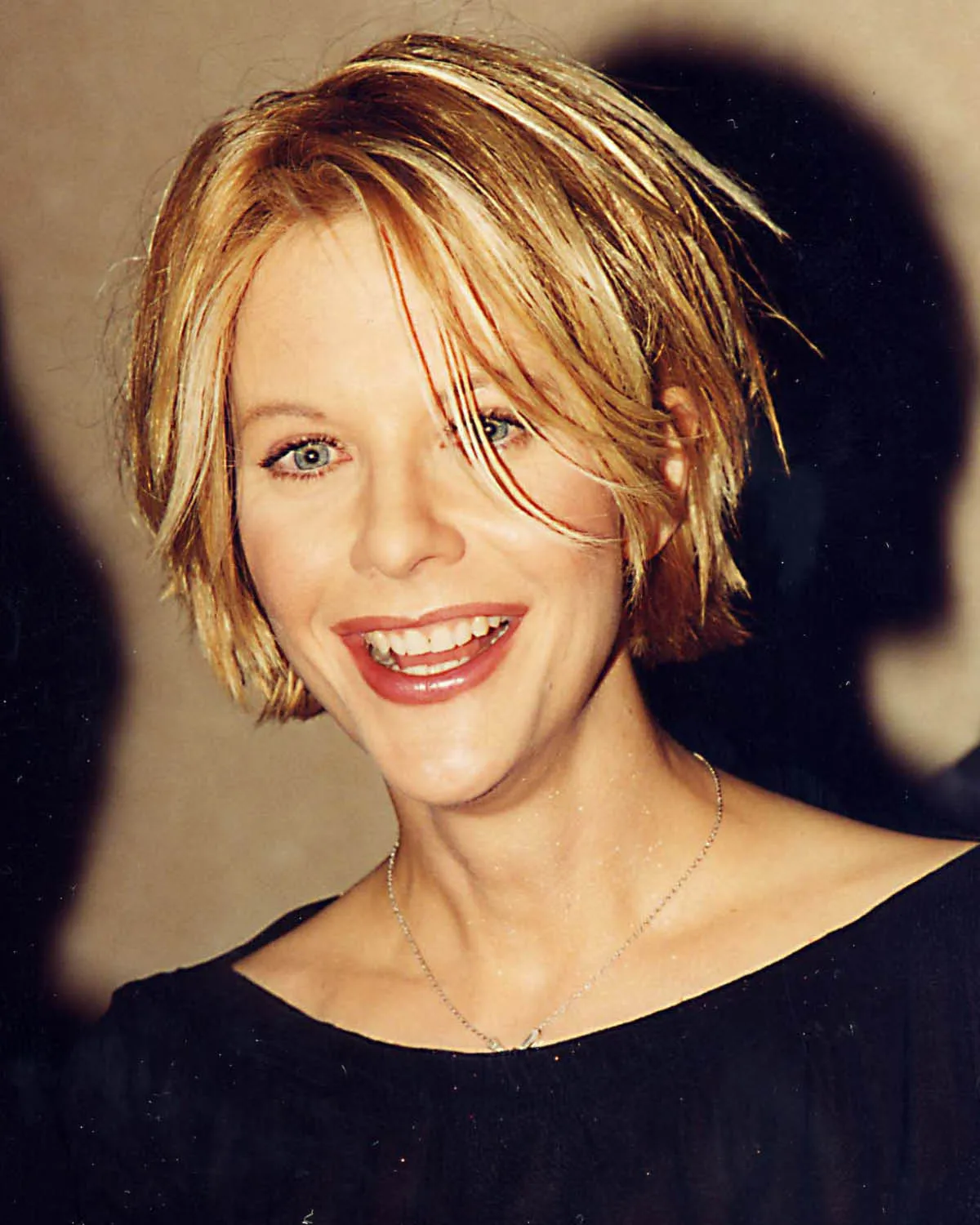
Meg Ryan and Victoria Beckham championed this in‑between shape in the ’90s; now Florence Pugh and Rowan Blanchard are bringing it back.
A bixie is a smart answer when you crave a dramatic change but can’t quite stomach a total crop, and it often bridges the awkward grow‑out phase from a pixie back toward a bob.
How to Choose Without Overthinking
Your lifestyle makes the final decision. Ask yourself what you actually want to do with your hair each day. If the answer is “nothing,” the pixie wins. If you want to change your look between Monday’s meeting and Saturday’s dinner, the bob delivers.
Think about your hair texture too. Straight, fine hair can handle the clean lines of a blunt bob or a layered pixie beautifully. Curly and coily textures open up entirely different versions of each cut, a curly pixie becomes sculptural, while a curly bob can turn into a voluminous, shape‑shifting masterpiece with the right stylist.
Bring photos, not phrases. Show your stylist exactly what you mean, and be honest about your styling habits and comfort level. A gradual approach works too: start with a long bob, live with it for a few weeks, and then decide if you’re hungry for more edge. Sometimes the risk to go bold is the very thing that makes a cut worth taking.
Ultimately, comparing a pixie and a bob isn’t about deciding which haircut is better. It’s about deciding which version of yourself you want to meet in the mirror tomorrow morning. Both cuts demand a choice, and both reward the courage that comes with it.