Hair after 60 asks for different choices than hair at 50. Density often drops further, the scalp shows more easily through fine strands, and the texture itself may have shifted from years of color, heat, or hormonal changes. The right short cut works around these realities, using shape and styling to create visual fullness where the hair itself can't. It also cuts down on the daily energy short hair requires, which matters when styling time competes with everything else.
The 18 cuts below favor softer shapes, manageable maintenance, and styles that flatter mature features. Some lean polished, others lean relaxed. All work across textures and grow out without awkward middle stages, which keeps salon visits reasonable.
18 Short Hairstyles for Women Over 60 2026
Soft Layered Pixie
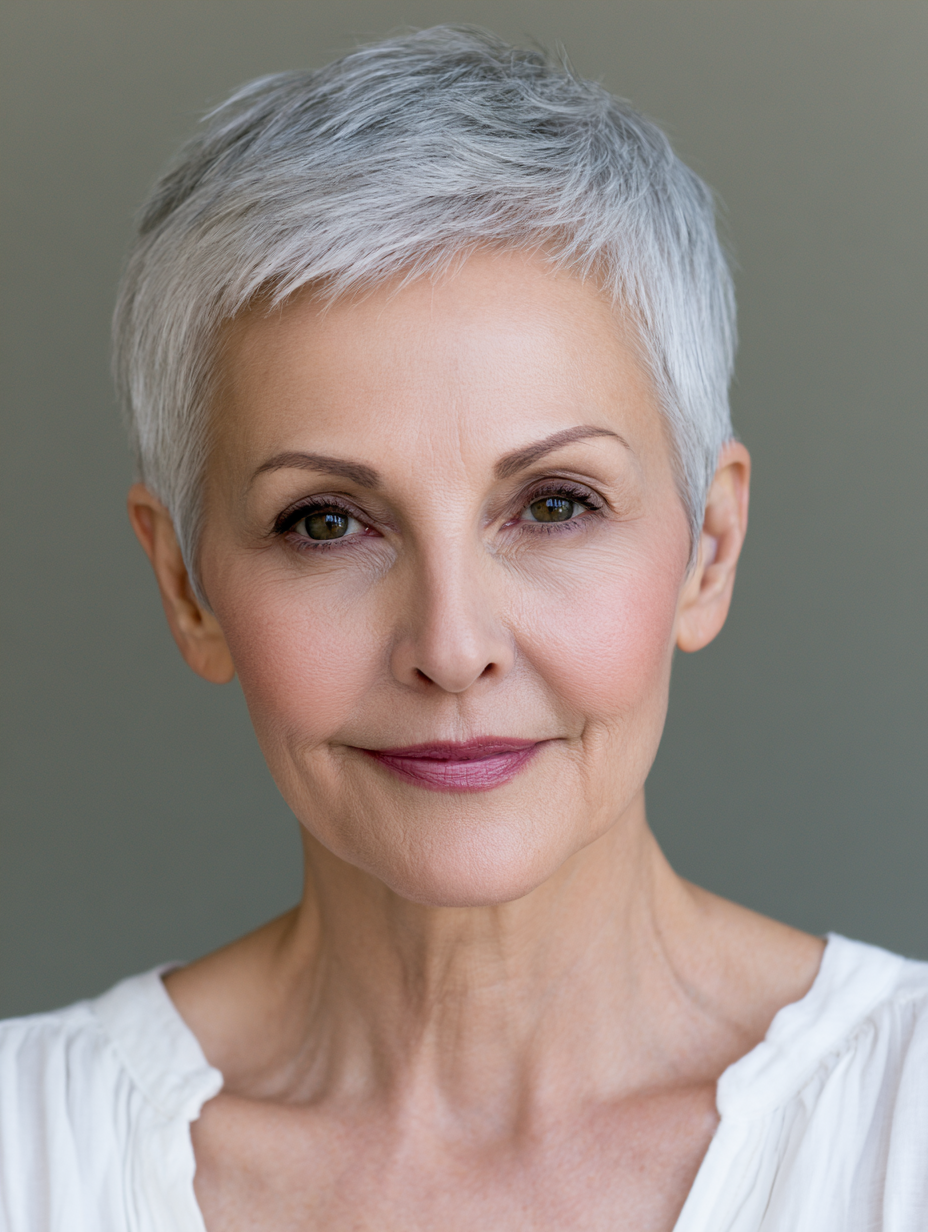
Length stays around two to three inches with soft, blended layers throughout.
Different from a sharply layered pixie, the softness here keeps the cut from looking severe against mature skin.
Ask for point-cutting on the ends to avoid blunt edges, which can emphasize thinning. Style with a small amount of light cream worked through with your fingers.
The cut hides scalp visibility at the crown when layered correctly. It also requires minimal daily styling, which matters during busy mornings.
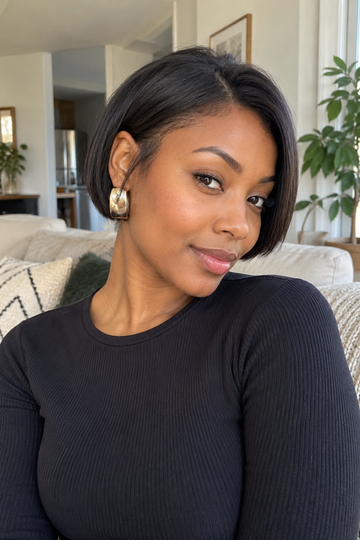
Chin-Length Bob
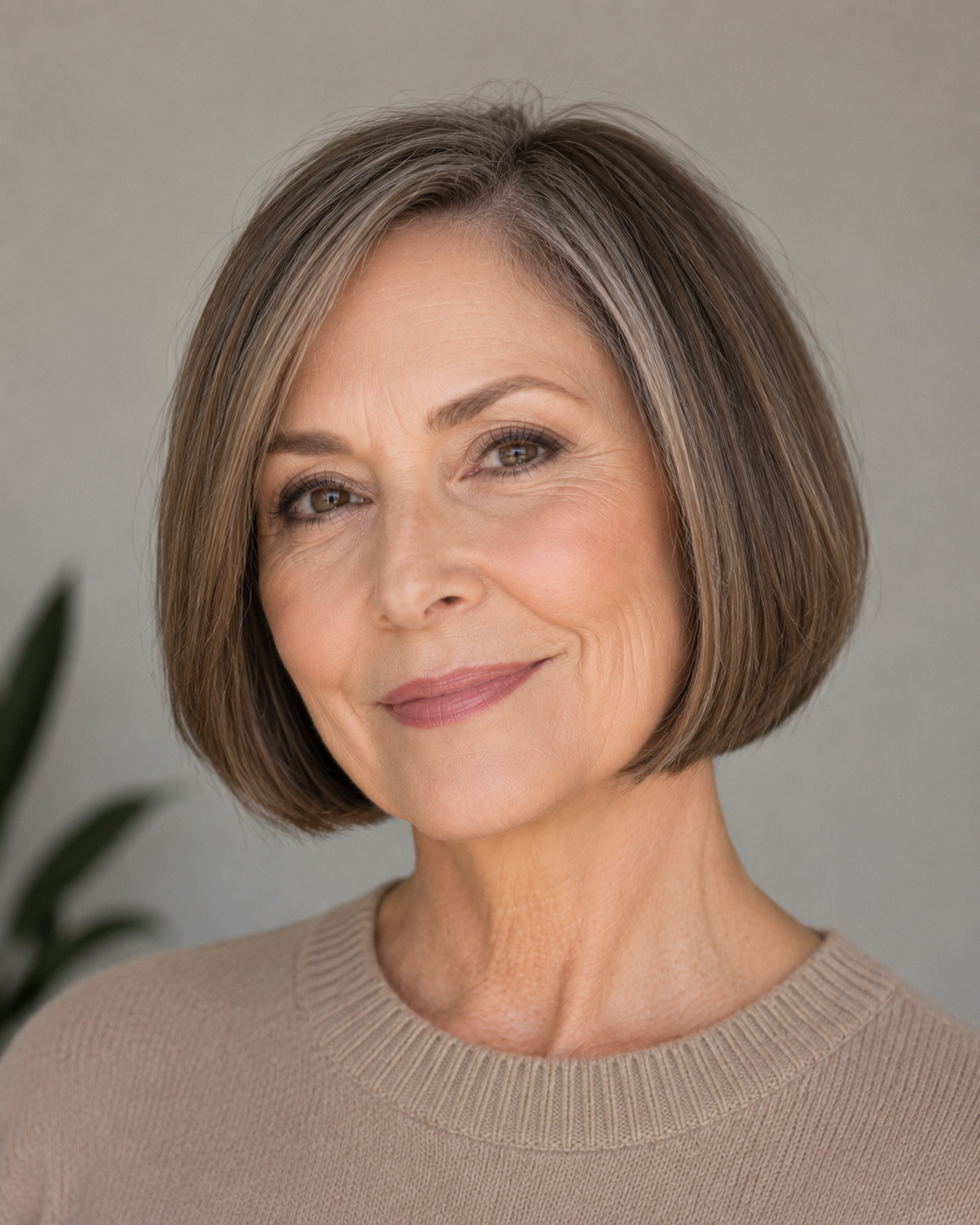
The classic bob cut to a single length at the chin.
The blunt line creates the illusion of thickness, which helps fine hair look denser. Ask for the perimeter to be cut sharp rather than tapered.
This works on straight and slightly wavy textures where the line falls cleanly.
Style with a round brush and a quick blow-dry. The cut grows out gracefully, which means longer stretches between salon visits.
The length also covers the neck, which some women prefer after 60.
Bob with Curtain Bangs
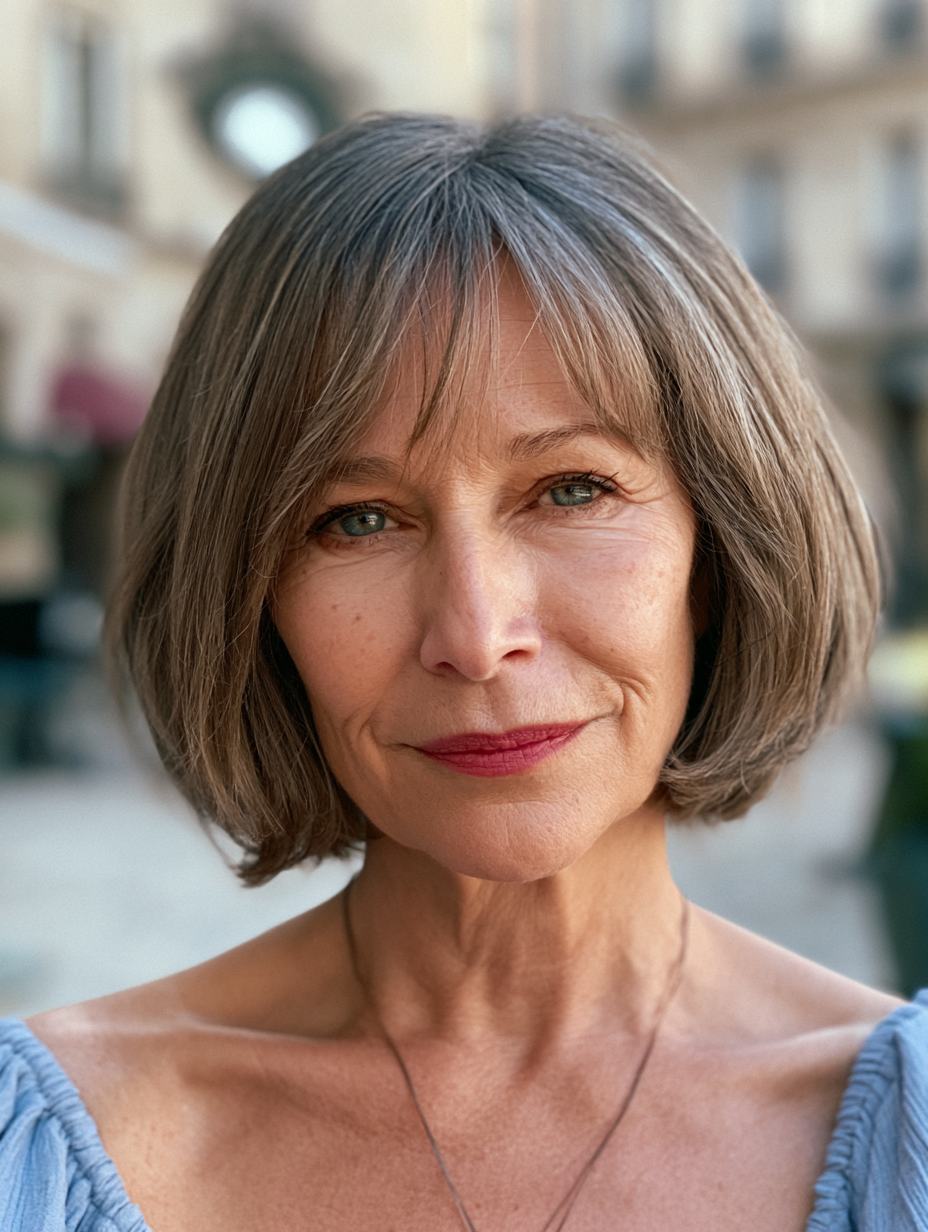
The classic bob length paired with curtain bangs framing the face.
The bangs add softness around the cheekbones while covering forehead lines, both common concerns after 60.
Style the bangs with a round brush blown away from the face, then let the bob air-dry or rough-dry for body. Curtain bangs grow out without harsh lines, which means less commitment than full bangs.
The combination suits most face shapes and stays gentle on mature features.
Pixie with Soft Side Bangs
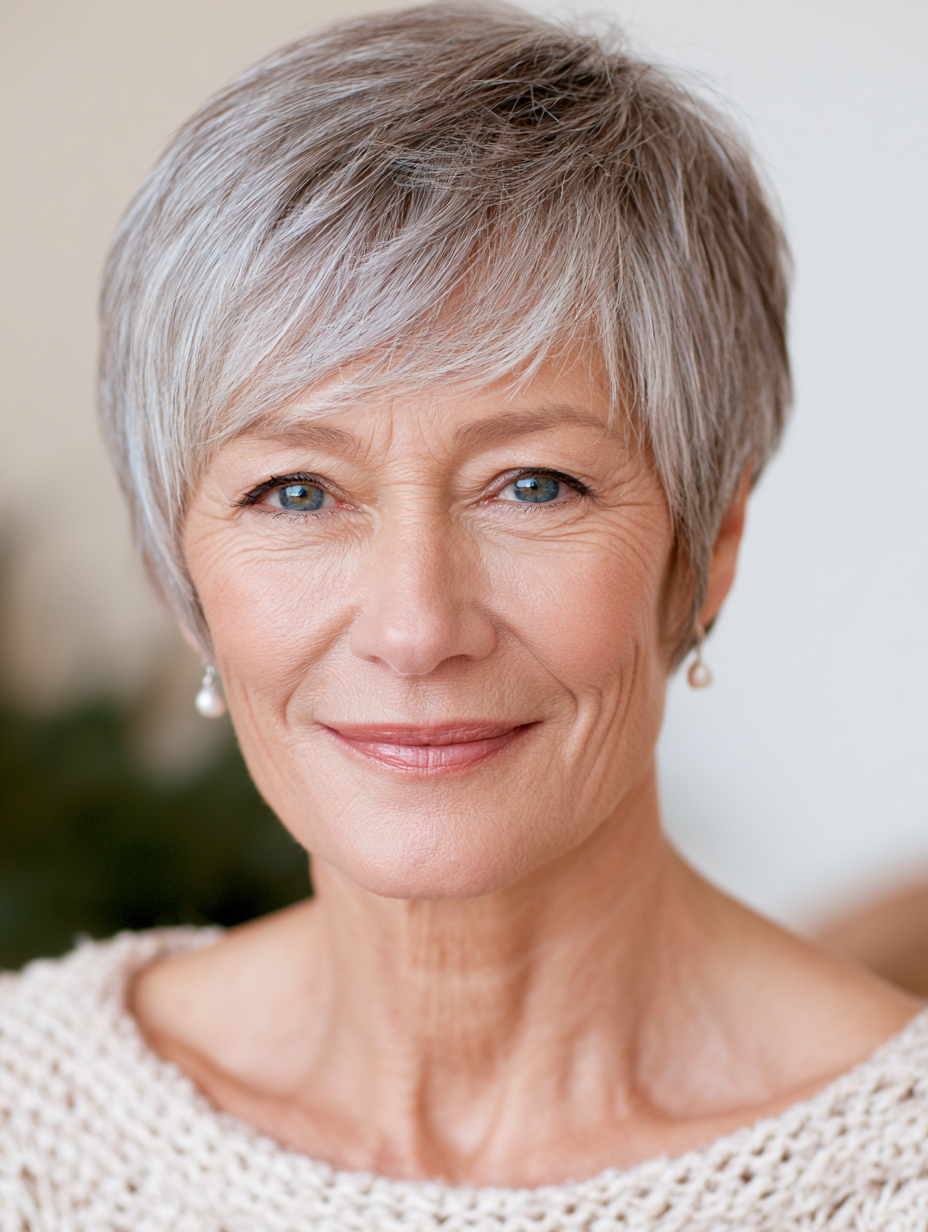
The bangs sweep gently across the forehead, neither blunt nor dramatic.
Soft side bangs cover forehead lines without drawing too much attention to the eyes, which some women find balances thinning brows or lashes.
Ask your stylist to thin the bangs from underneath for a wispy finish. The rest of the cut stays a short layered pixie.
Trim the bangs every few weeks to keep the length right. The cut blends bangs naturally as they grow.
Tapered Pixie
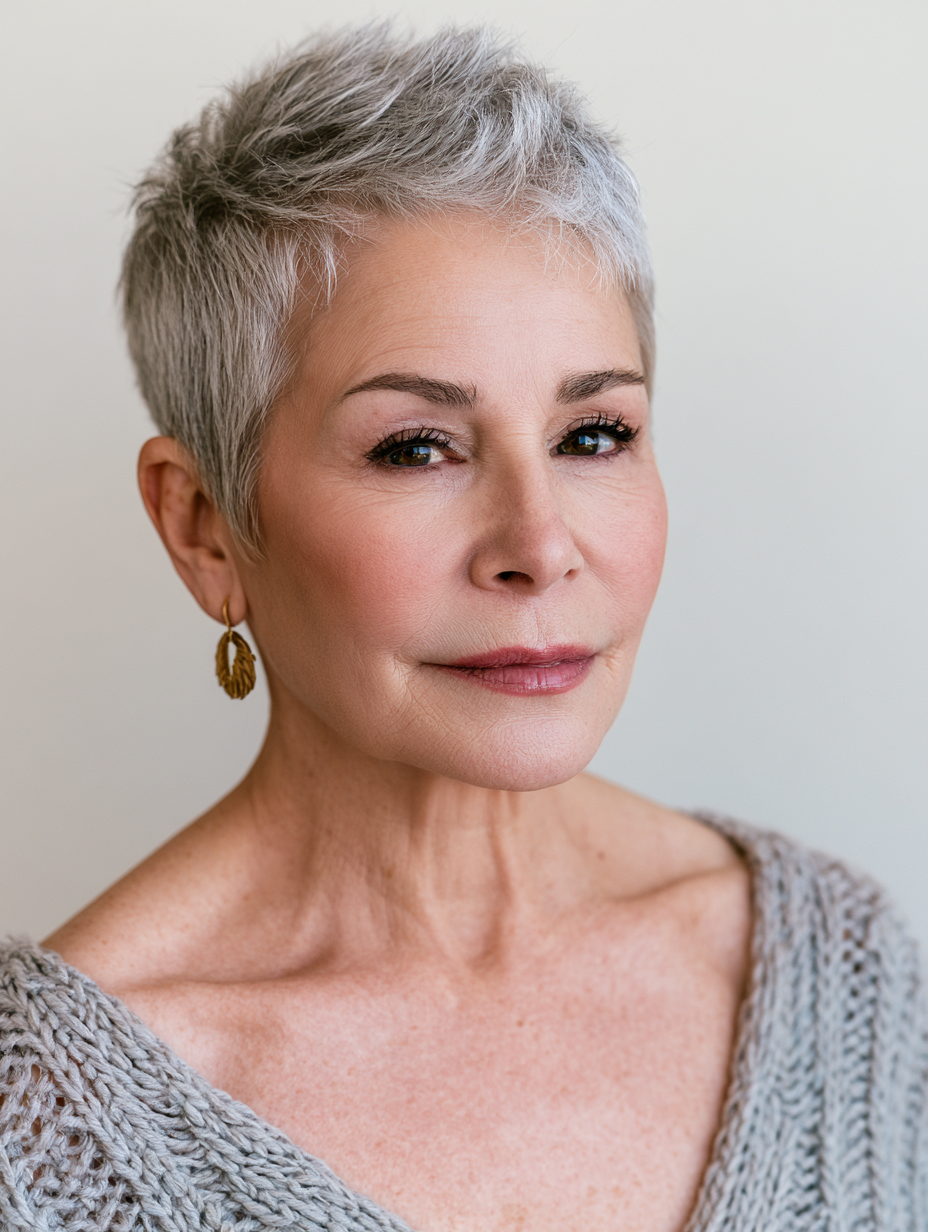
The sides and back taper close while the top stays longer, around two to three inches.
The taper handles bulk where hair sits heaviest, which becomes useful when overall density drops but certain sections stay thicker.
Length on top gives height and softens facial features. Ask for the taper to start lower on the sides for a softer finish after 60.
Style with a small amount of pomade. The cut suits round and square face shapes especially well.
A-Line Bob
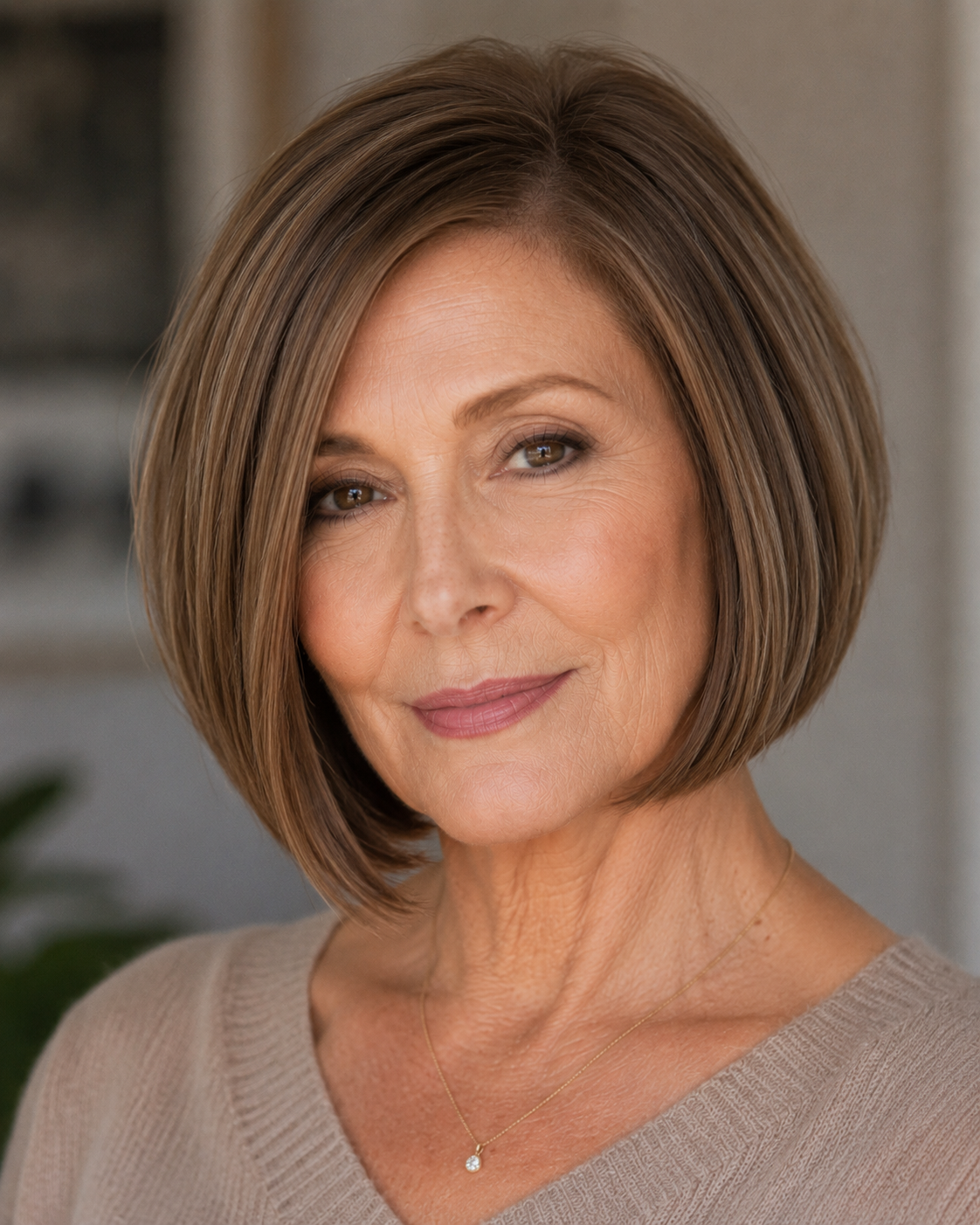
The front sits slightly longer than the back, creating a gentle forward angle.
Different from a dramatic inverted bob, the A-line stays subtle. The shape frames the jawline and softens the appearance of a longer face.
Style with a round brush during blow-drying, or use a curling iron on the ends to flick them inward toward the chin.
This cut works across textures and face shapes, which makes it a safe choice during hair transitions or after illness-related changes.
Stacked Bob
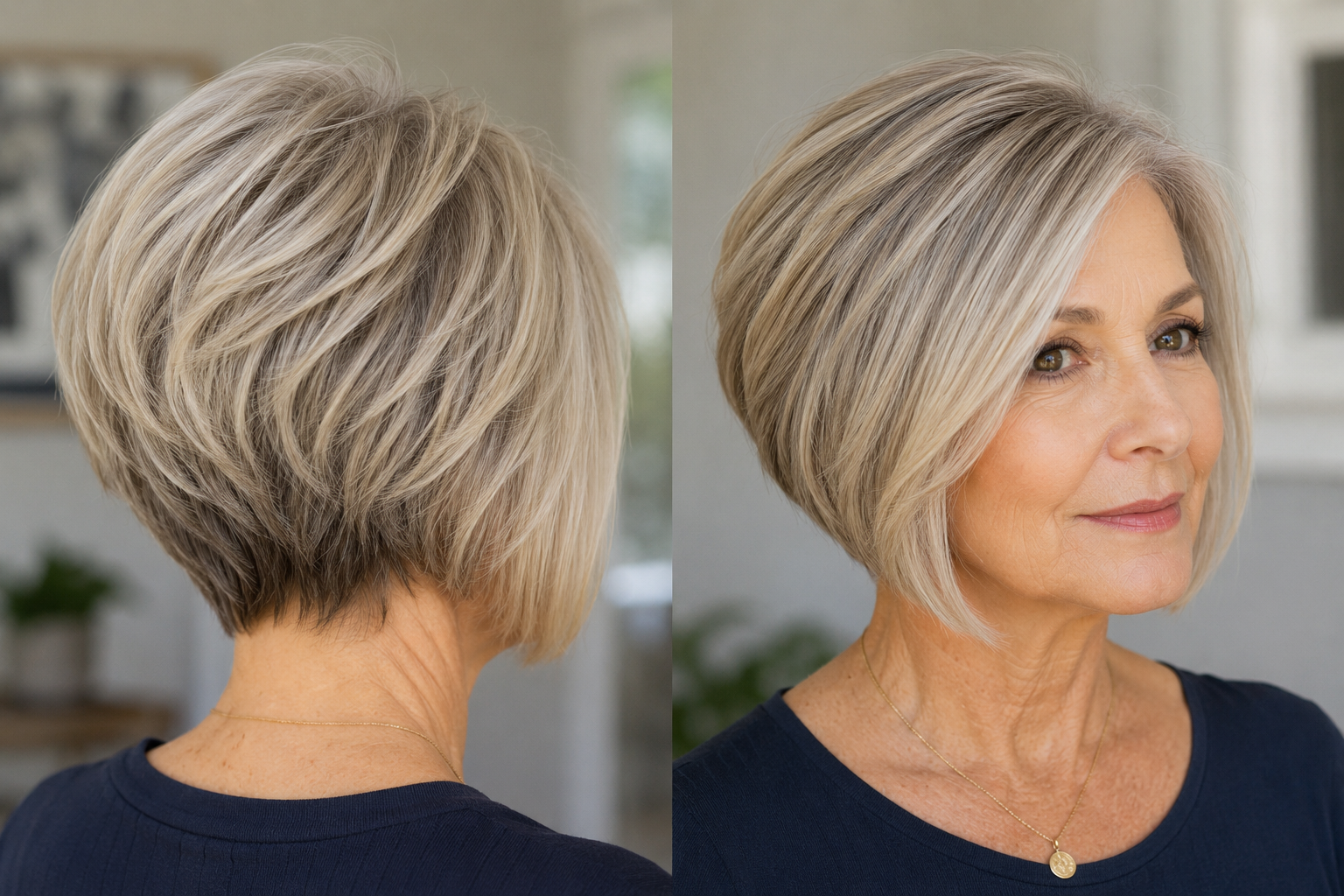
The back gets cut shorter with stacked layers, while the front stays longer in an angled line.
The stacking creates volume at the crown, helpful when hair has lost natural lift with age. This works on fine to medium hair where the stacking shows up without bulk.
Style with a round brush, drying the back section upward to set the stack.
The cut adds presence without color or styling tricks, keeping it practical for everyday wear.
Soft Crop Cut
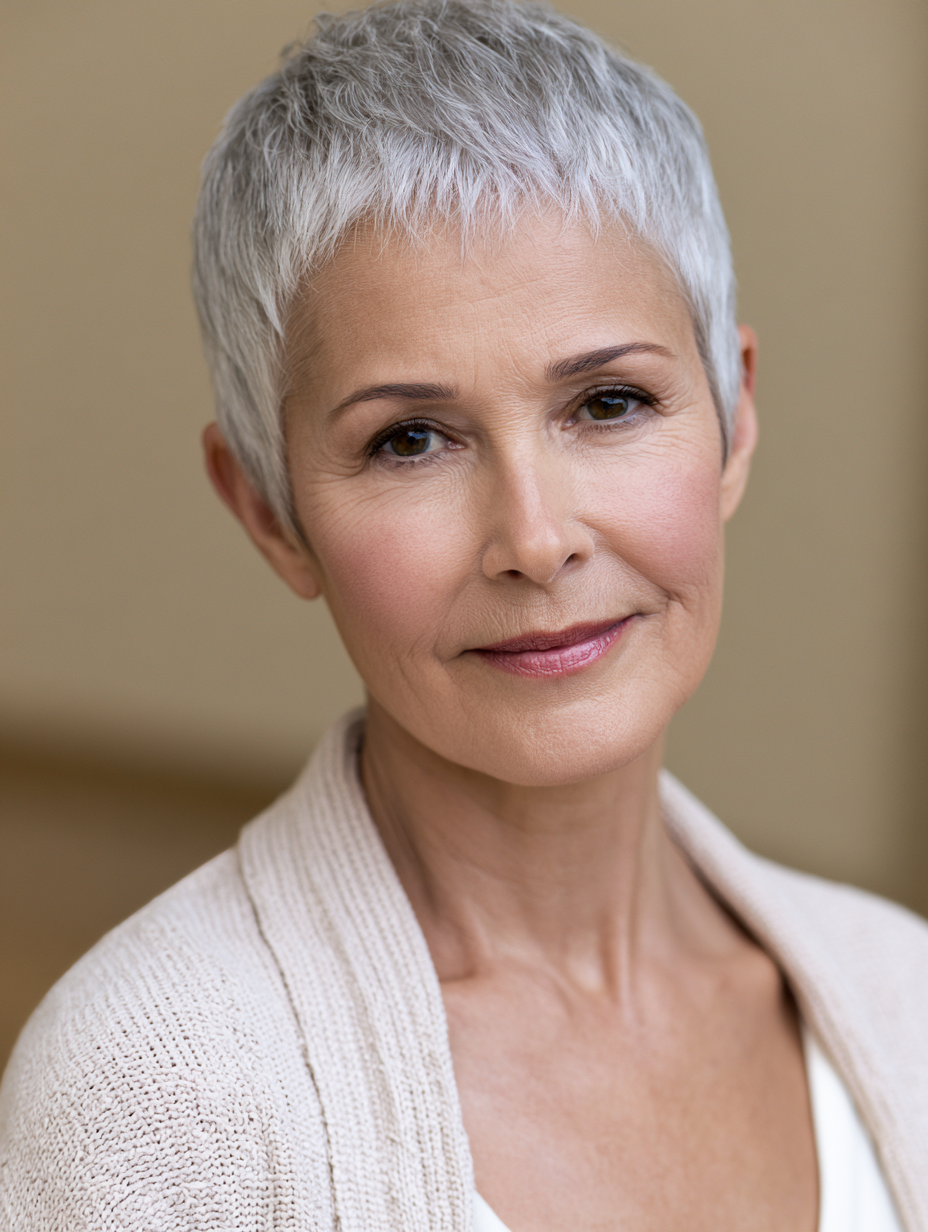
A shorter cut, usually one to two inches, with a soft fringe at the front rather than a blunt one.
The soft crop suits women over 60 better than the traditional French crop, since the gentler edges flatter mature skin.
Style with a light cream worked through with your fingers. The cut requires trims every four to six weeks.
It works especially well on fine straight to wavy hair, where the short length creates the illusion of more density.
Long Pixie
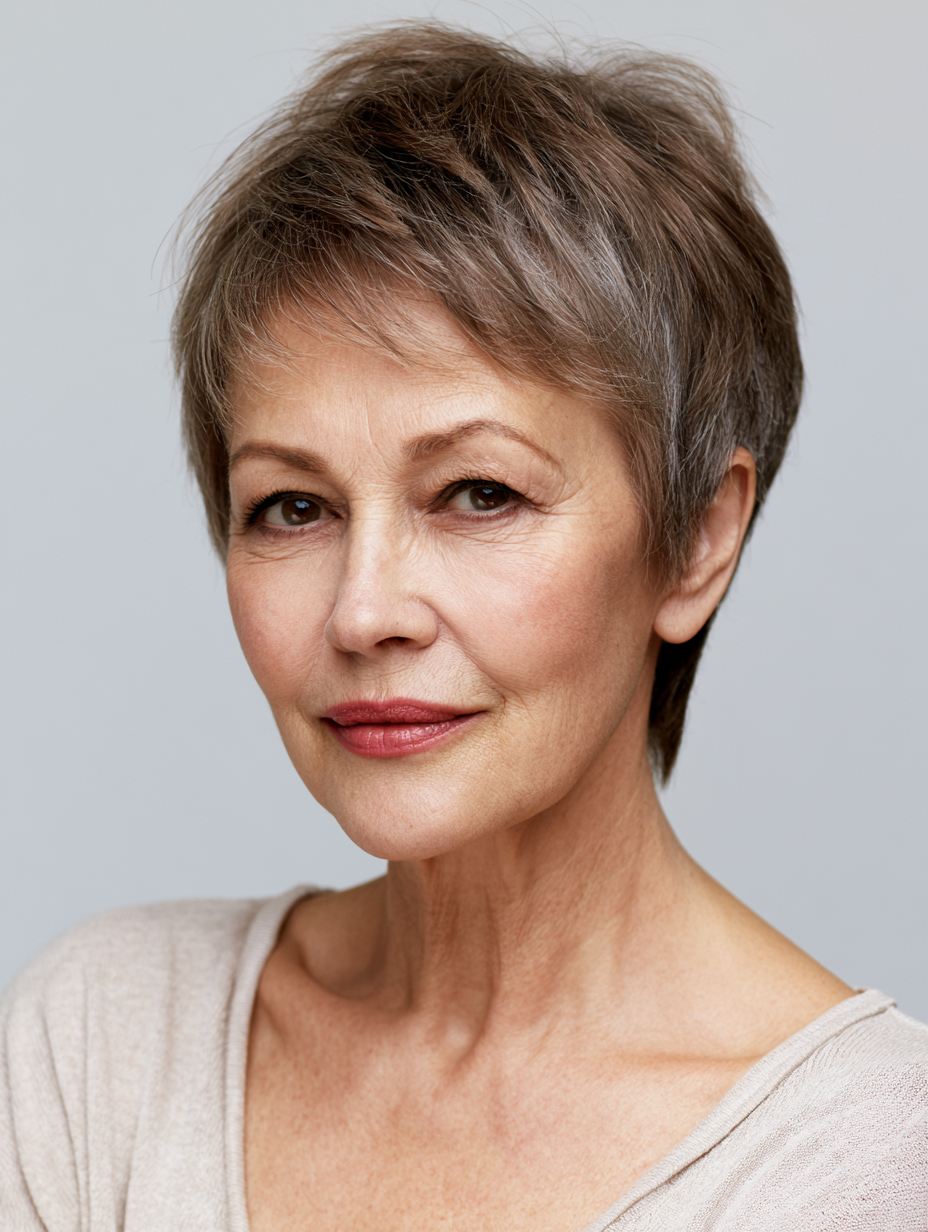
The longer pixie interpretation, around three to four inches throughout, with layers that add movement.
This suits women transitioning from longer hair who aren't ready for a true short pixie.
The length covers more of the ears and nape, which many women over 60 prefer for warmth and coverage.
Use a leave-in cream and a quick blow-dry with a round brush for shape. The cut transitions easily to a bob during growth-out phases.
Silver or Gray Pixie
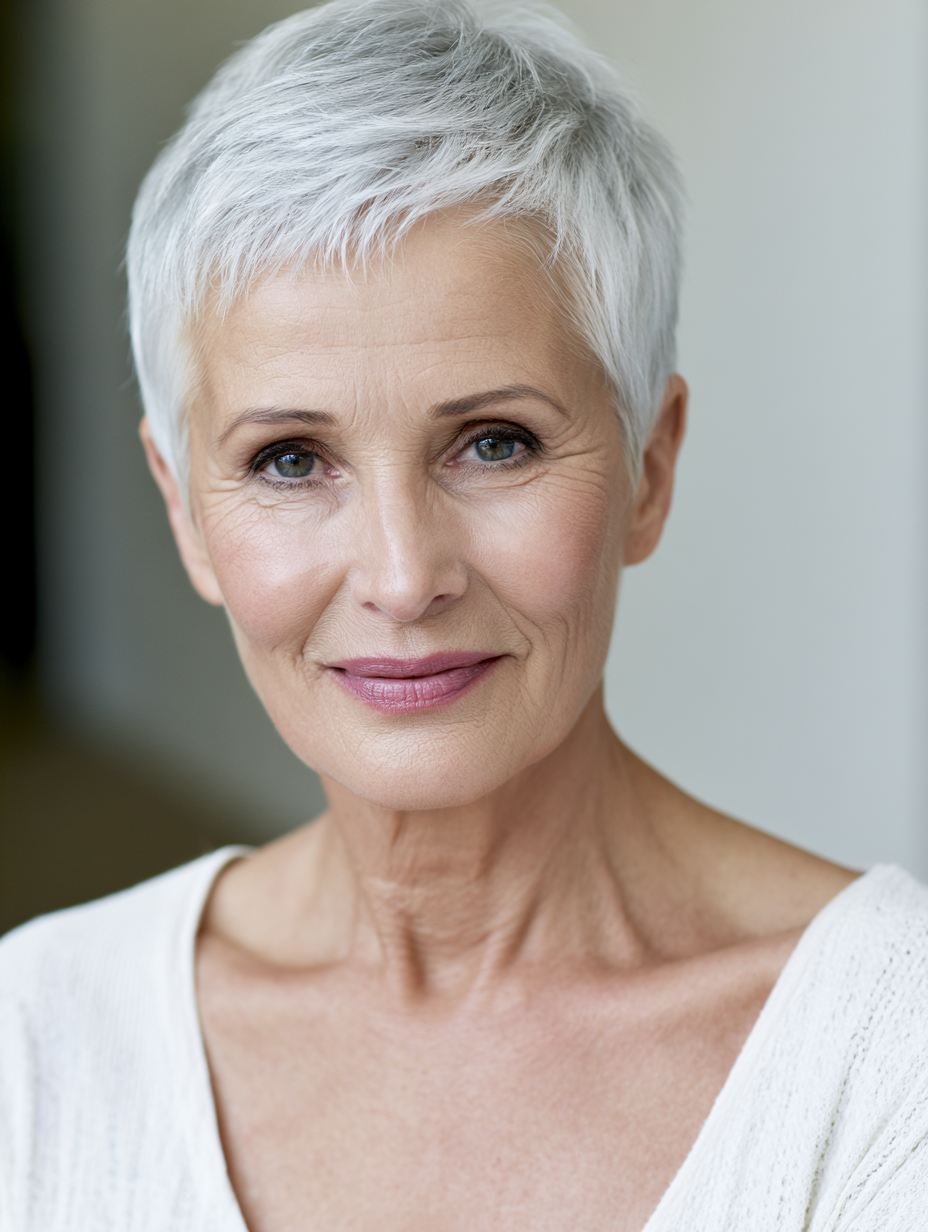
The cut stays a classic short pixie while embraced gray or silver hair carries the visual interest.
Gray hair often has a coarser or wirier texture, so the cut needs to account for that.
Use a purple shampoo weekly to keep silver tones bright. A gloss treatment every few weeks adds shine, which gray hair loses more quickly than colored hair.
This style suits women who've stopped coloring, which becomes increasingly common after 60.
Textured Bob with Wispy Ends
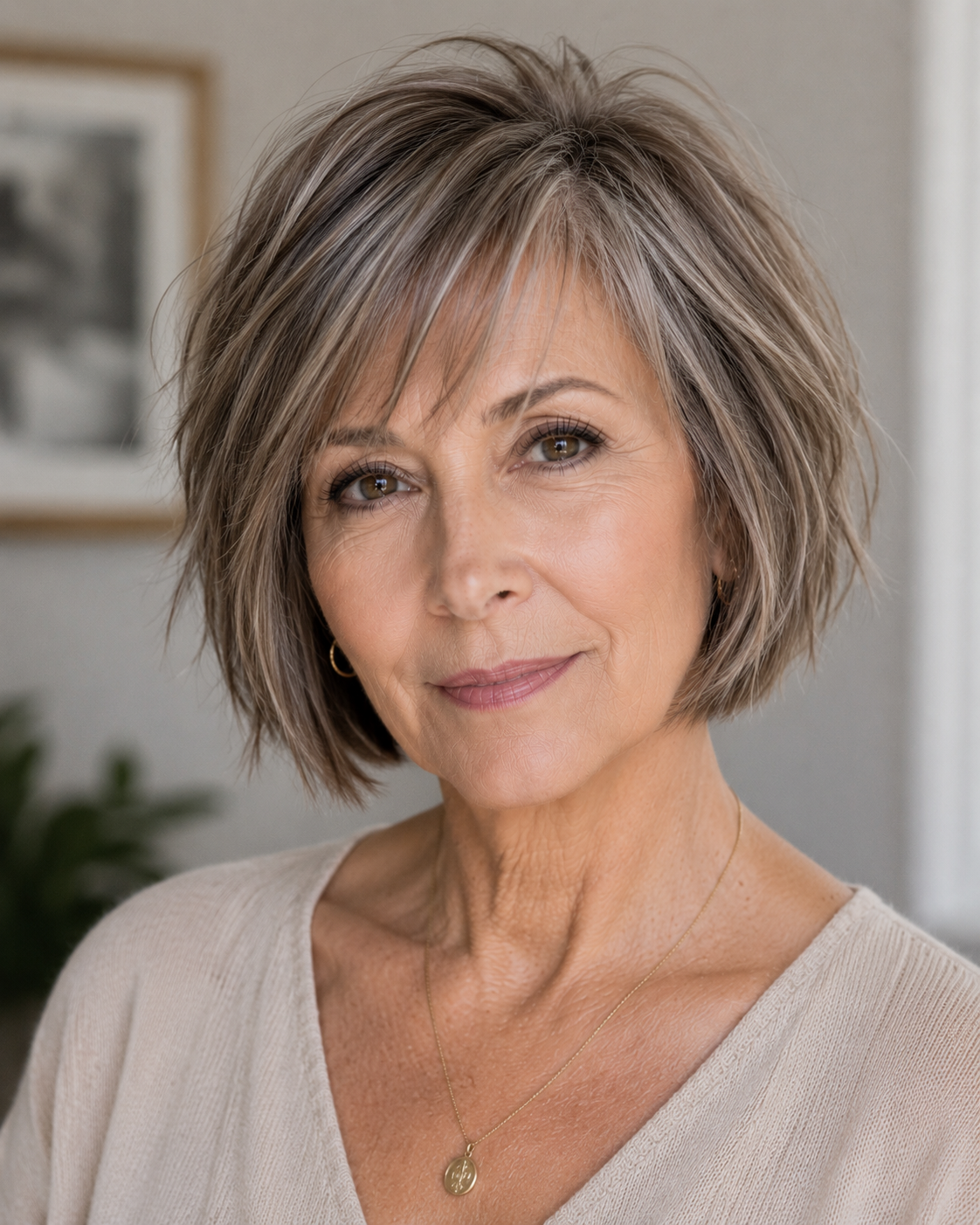
A bob cut with point-cutting throughout, ending in soft, wispy ends rather than a blunt line.
The texture adds movement and prevents the cut from looking heavy on fine hair. This suits women who want a more relaxed, lived-in finish without sharp lines that can age the face.
Apply a small amount of texture spray after styling.
The cut hides thinning at the ends, which becomes more common after 60. It grows out softly without obvious lines.
Pixie with Curtain Bangs
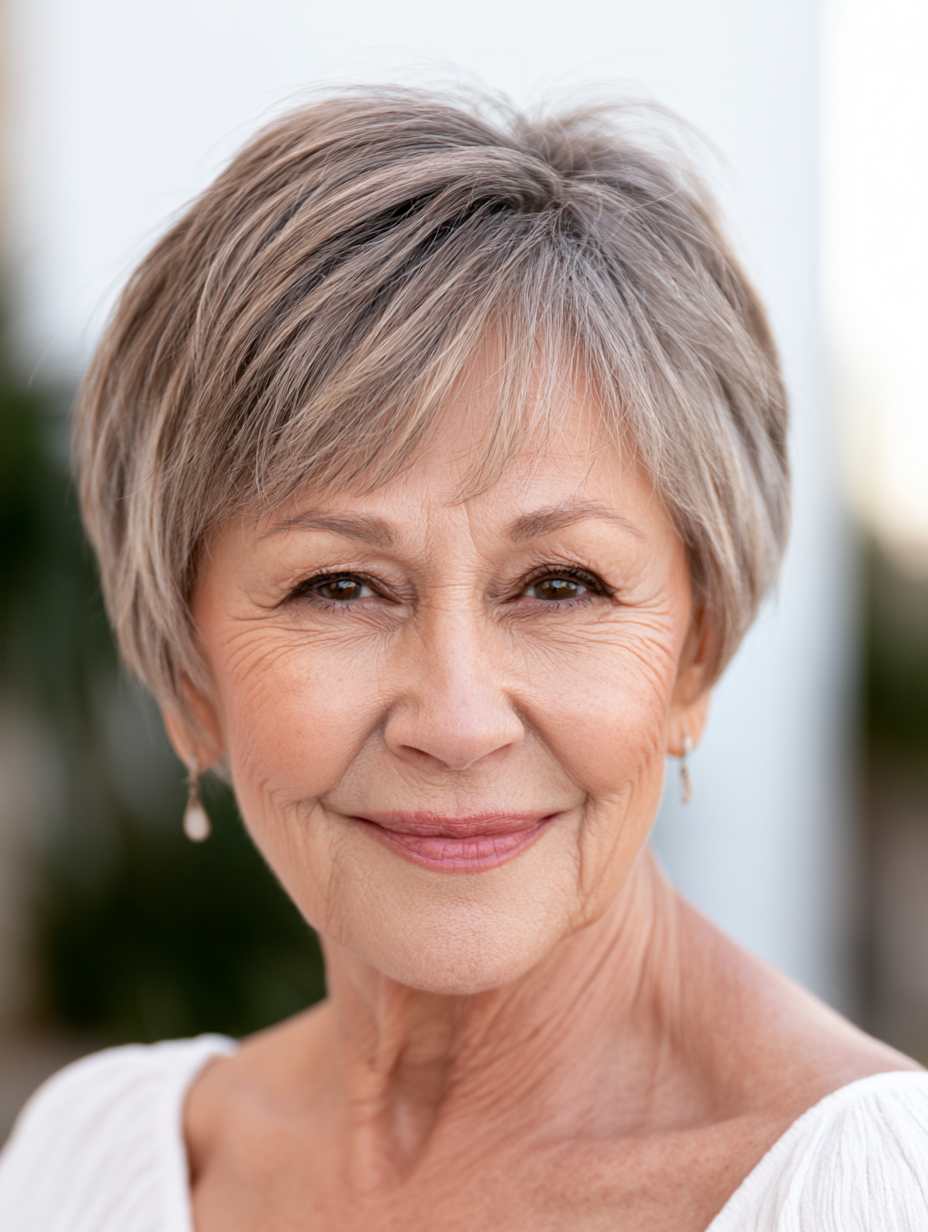
Curtain bangs frame the face on both sides, parted in the middle.
The shape adds softness and movement to a short cut. This pairs well with longer pixies, since the bangs need a few inches of length on top to lay correctly.
Style the bangs with a small round brush, blowing them away from the face.
Curtain bangs grow out gracefully, which means less commitment than full bangs. Many women over 60 find them flattering and easy to wear.
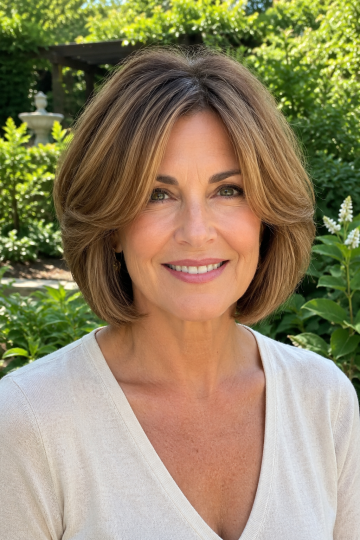
Bob with Soft Layers
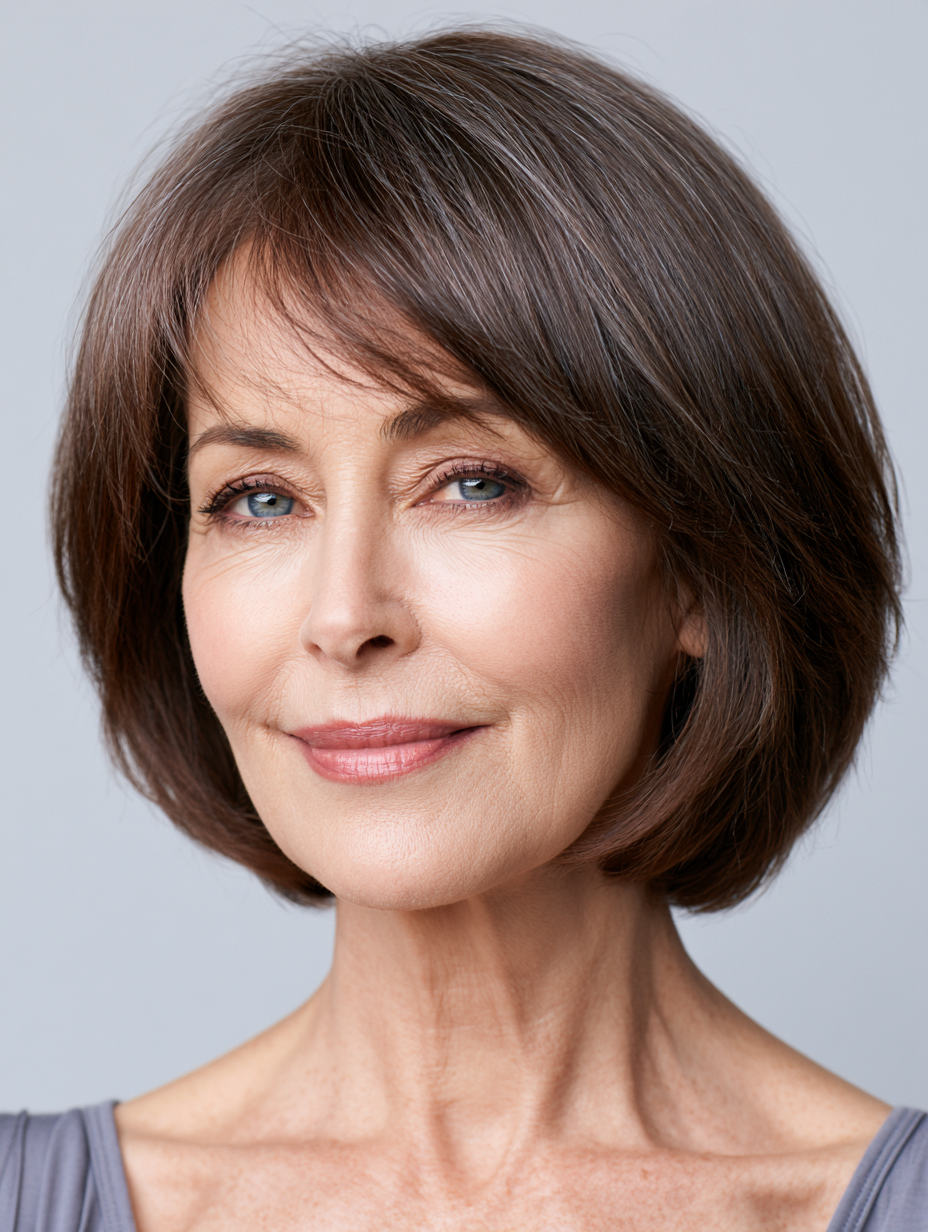
A bob cut with gentle, almost invisible layers to add slight movement without changing the overall shape.
Best for women who like a clean bob line but want a touch more body.
Ask for the layers to be cut long, ending near the perimeter rather than higher up.Style with a round brush during blow-drying to set the gentle movement.
The cut works across textures and grows out without obvious layer lines, keeping maintenance simple.
Honey-Toned Pixie
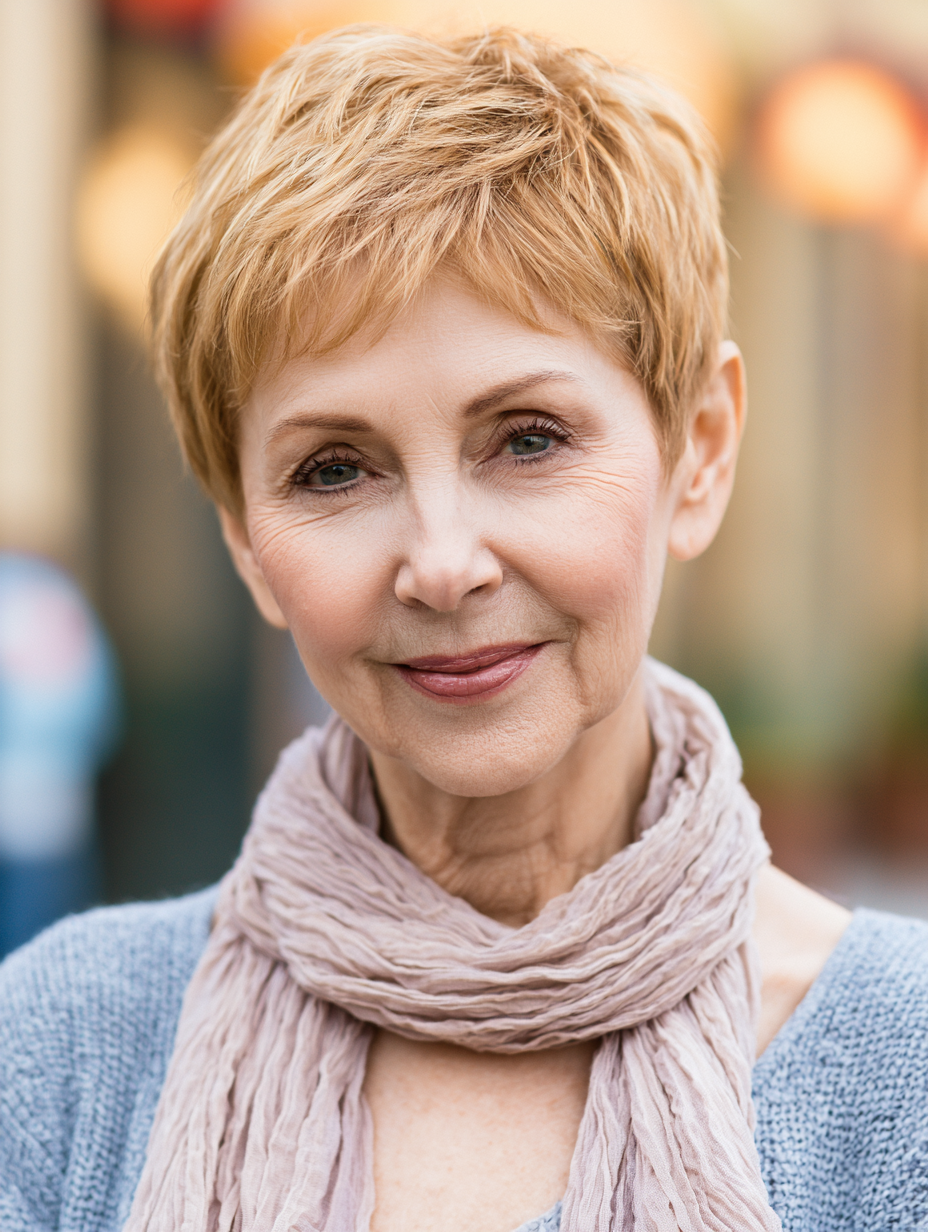
Warm honey or caramel tones lift the face and complement most skin tones.
The cut stays a standard short pixie while the color carries the look. Honey tones suit warm complexions especially well, while cooler skin tones pair better with ash blonde or champagne.
Bond-building treatments between color sessions protect the hair structure, which matters more after 60.
Expect toner refreshes every several weeks. The color brightens the face without harsh contrast.
Pixie with Money-Piece Highlights
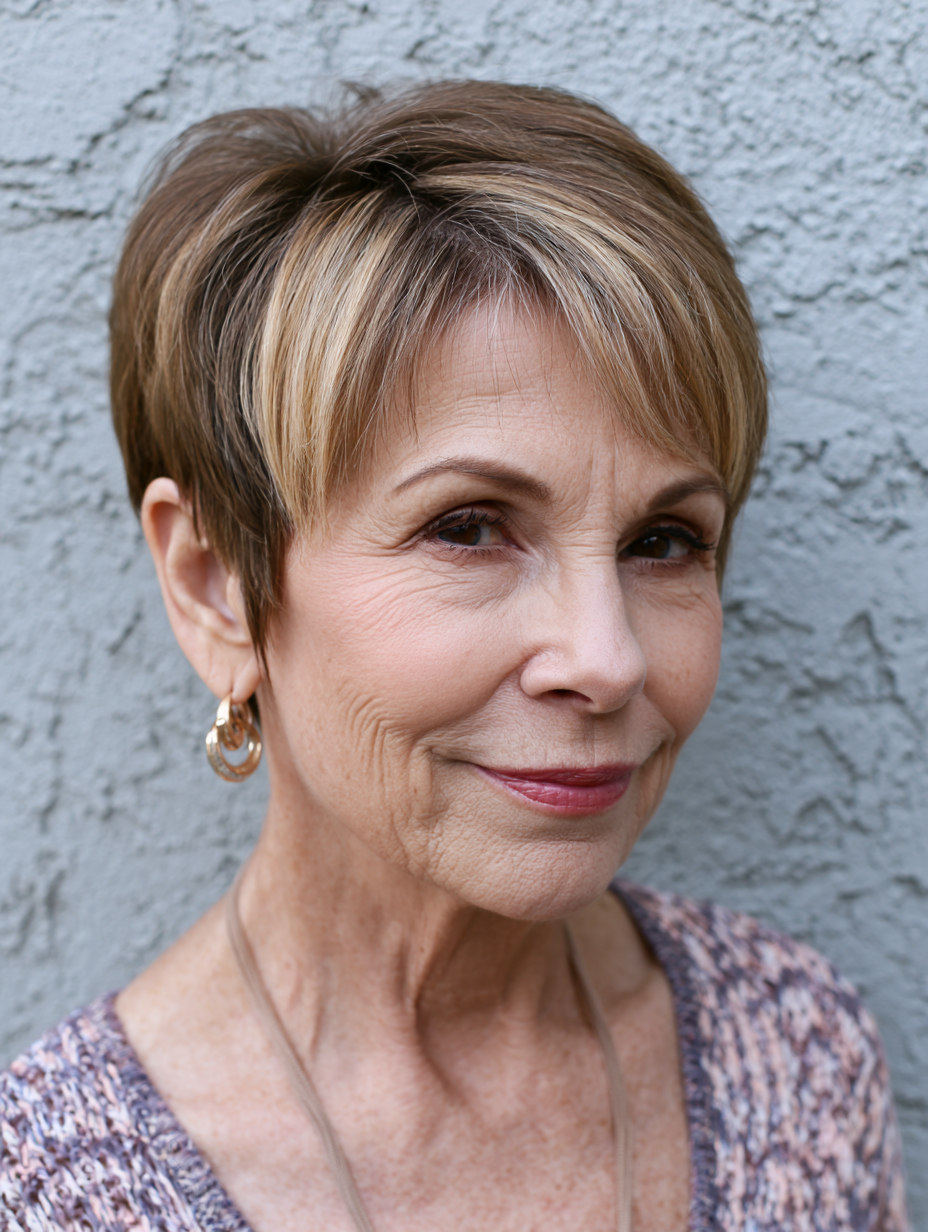
Lighter sections frame the face, brighter than the base color.
The money piece adds dimension around the cheekbones and softens facial features. The rest of the cut stays a standard short pixie.
This style suits women who want color without committing to full highlights, which can be harder on aging hair.
The money piece grows out without harsh lines, extending time between salon visits. Pair with a deeper base color for soft contrast.
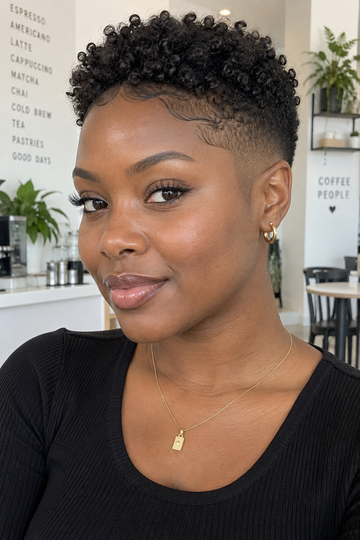
Curly Pixie
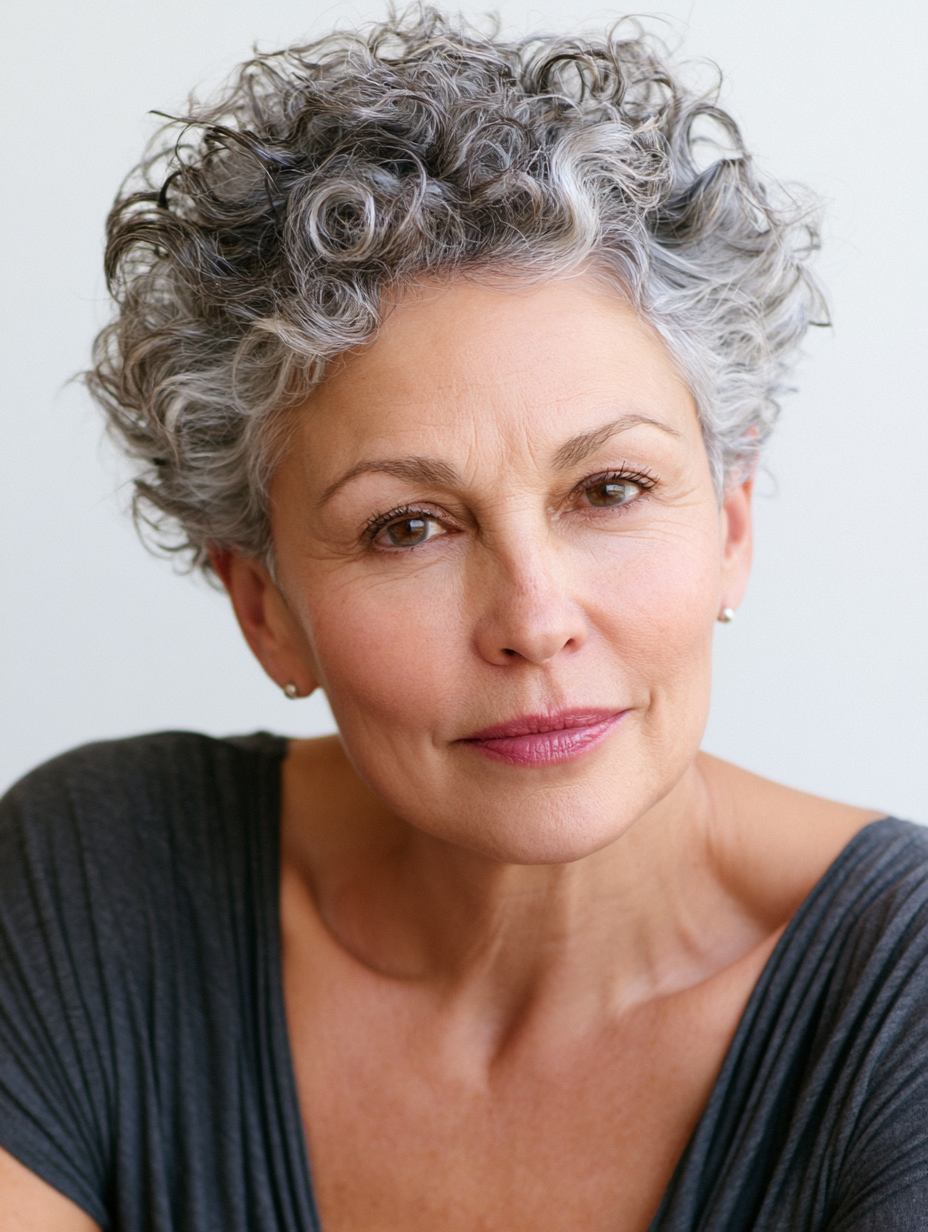
A pixie cut specifically for curly hair, with the length working with your natural texture.
The cut should happen dry, curl by curl, so the stylist can see how each piece falls. Length typically sits between two and four inches on top.
Apply a curl cream on damp hair and let it air-dry or diffuse on low heat.
This style suits women embracing natural texture, which many do after 60 when chemical treatments become harder on the hair.
Soft Wavy Crop
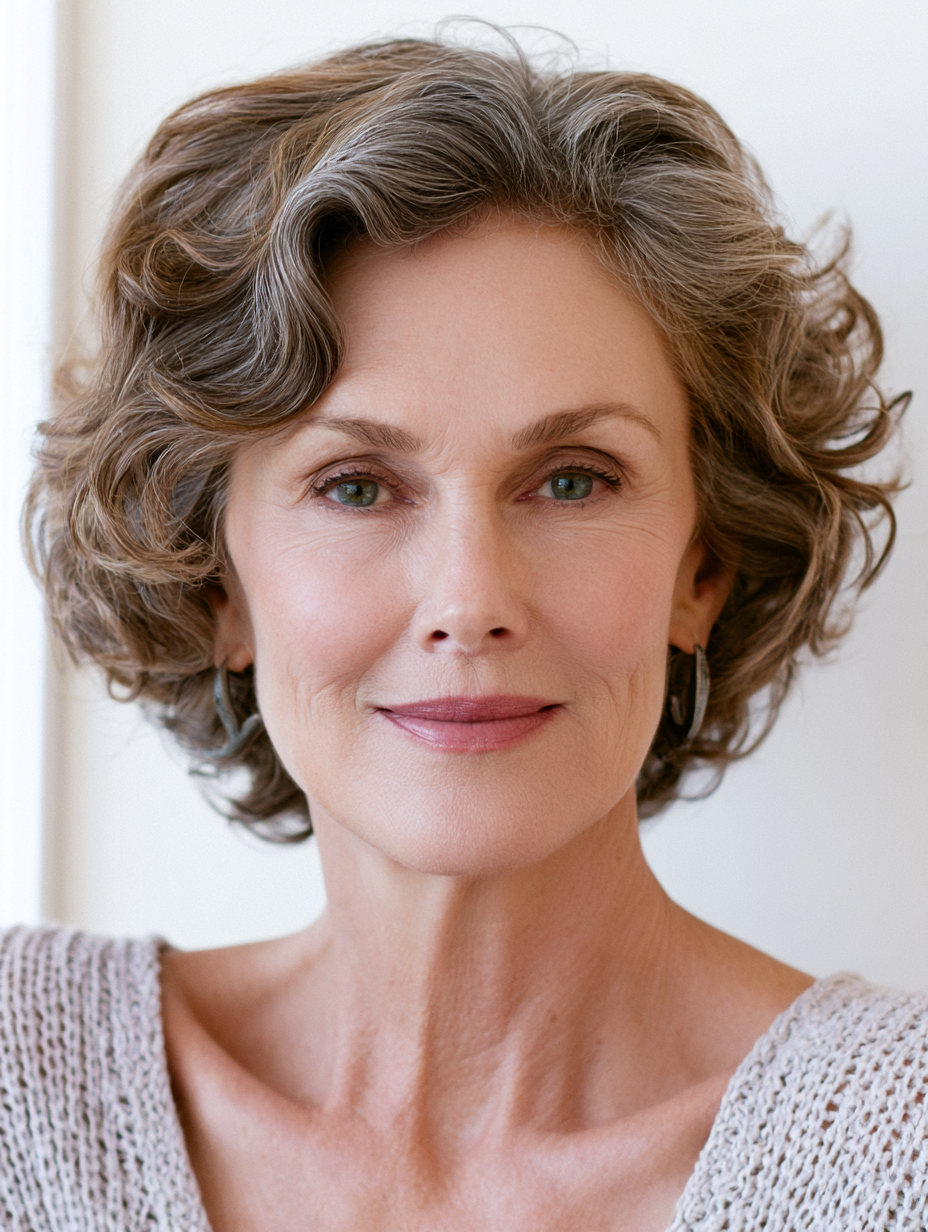
A short cut styled with soft waves through the lengths. The cut itself stays simple, layered at pixie or crop length, while the waves carry the style.
Use a small curling wand or hot rollers to set the waves, then break them up with your fingers.
A flexible-hold hairspray sets the shape without crunch. This style suits women who want a finished, feminine look without sharp edges.
The waves add visual fullness, especially helpful for fine or thinning hair after 60.
Bob with Lowlights
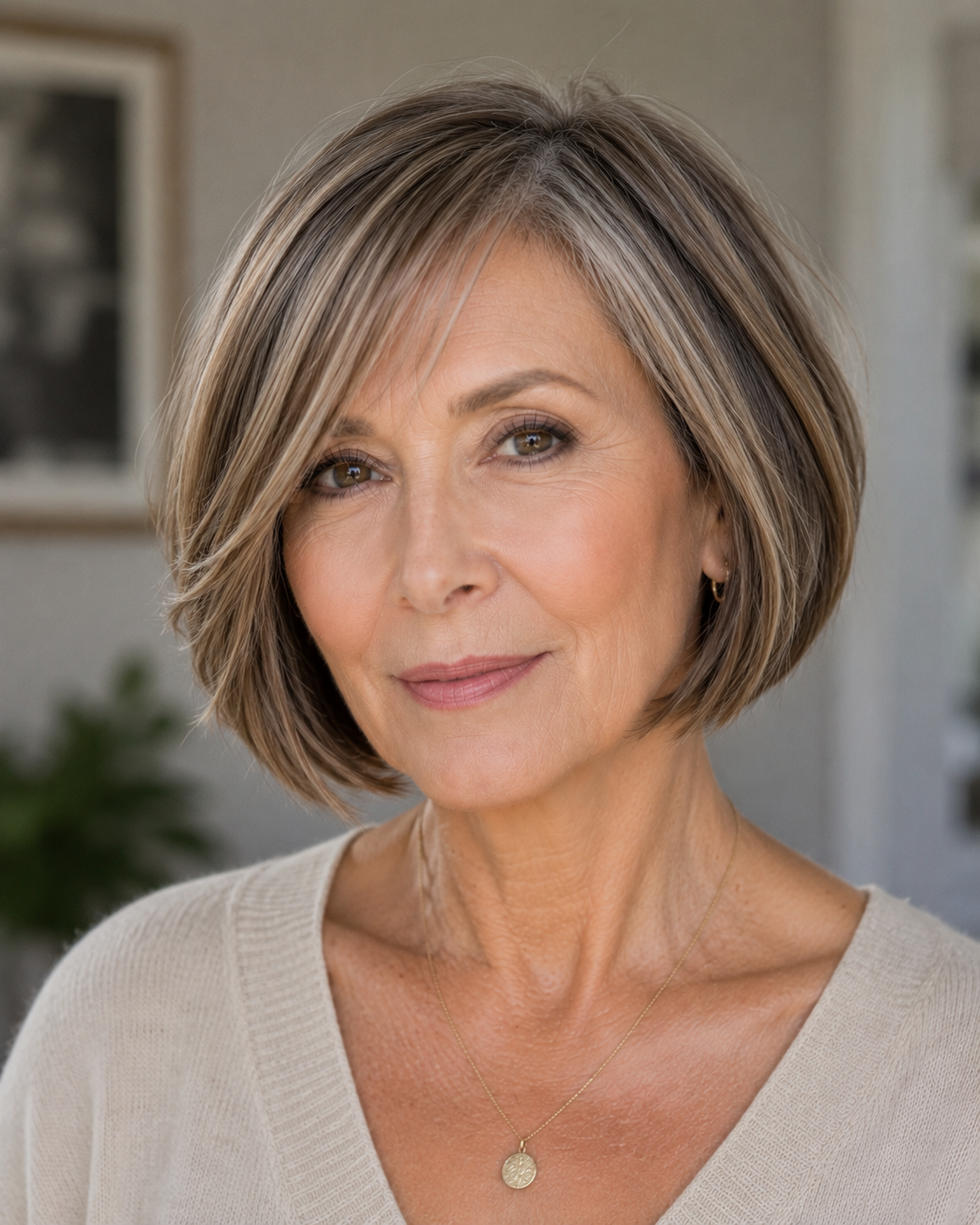
Darker sections woven through the cut add depth and the appearance of fullness.
This works especially well on hair that's lightened over the years, whether from color or sun.
Lowlights make fine hair look denser without adding more highlights, which can sometimes flatten the visual texture. Stick to tones within two shades of your base for a natural finish.
The cut underneath stays a standard layered or stacked bob. The added depth flatters mature features without harsh contrast.