Hair clips are a simple but useful accessory that can change both the function and style of a hairstyle. They help secure hair, add detail, and make everyday styling feel easier. From casual looks to more polished styles, the right clip can shape the overall finish in a practical and stylish way.
Because there are so many options available, it helps to understand how each type works and what it is best suited for. Some are made for holding thick sections, while others are better for small details or decoration. The article break down the different types of hair clips and what makes each one unique.
1. Claw Clips: The Everyday Workhorse
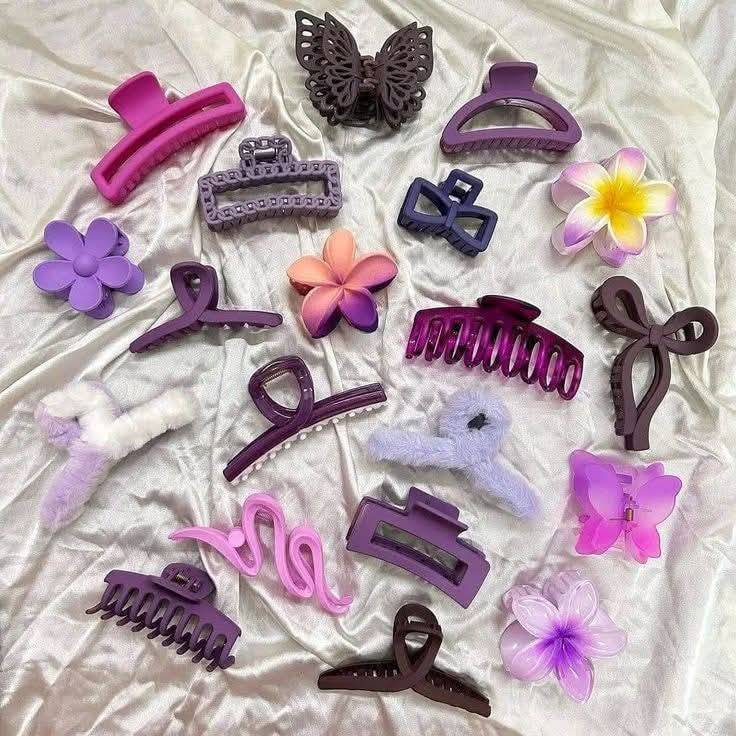
Claw clips offer a strong, easy hold for thick or heavy hair. Open the spring-loaded jaws wide. Gather your hair at the back of your head. Then snap the clip shut around the base of your ponytail or bun. The interlocking teeth grip large sections without pulling.
This clip works best for casual updos and lazy mornings. You can create a classic French twist in under ten seconds. Twist your hair upward against your head. Clamp the claw over the twisted section. For a messy bun, wrap your hair into a loose coil. Secure it directly with the claw.
Choose your claw size based on your hair’s volume. Mini claws hold back bangs or small face-framing pieces. Midi claws work for shoulder-length or medium-thickness hair. Grande or jumbo claws handle thick, curly, or very long hair. Plastic claws are cheap but can snap. Acetate claws cost more but last for years.
Pro tip: Drag the open claw from your ends up to your scalp. Then close it and give a small push toward your head. This technique creates a much tighter hold.
2. Bobby Pins: The Hidden Support System
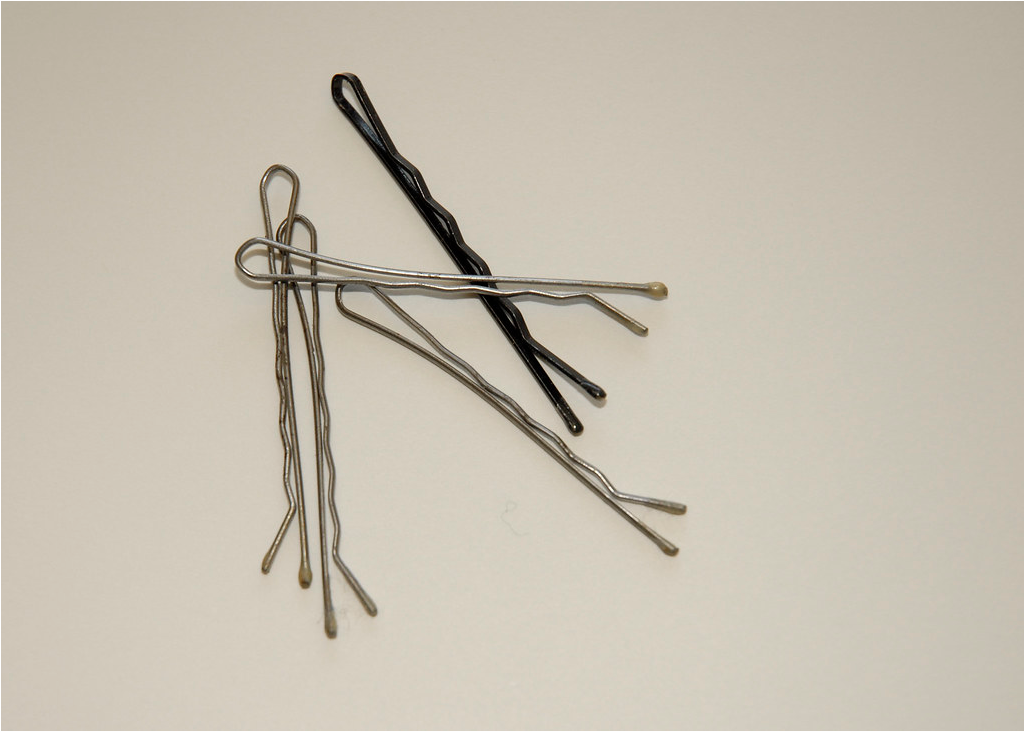
Bobby pins are your secret weapon for securing updos and loose strands. Slide the ridged side against your scalp for the strongest grip. Most people use them backward. The ridges create friction against your hair shaft. This prevents the pin from sliding out during the day.
Use bobby pins to anchor messy buns or pin back bangs. Cross two pins over each other for extra stability. Insert the first pin diagonally. Then place the second pin in the opposite direction. This X-shaped pattern locks hair in place much better than a single pin.
Avoid cheap dollar-store bobby pins at all costs. They look identical to drugstore versions but fail immediately. The metal bends. The coating slips. Your hair falls down within an hour. Invest in quality pins with a tight closure and smooth edges.
Hide bobby pins completely by matching them to your hair color. Dark brown pins disappear in brunette hair. Blonde pins blend with light hair. For a decorative look, use colored or jeweled pins as visible accents.
3. Barrettes: Style Meets Function
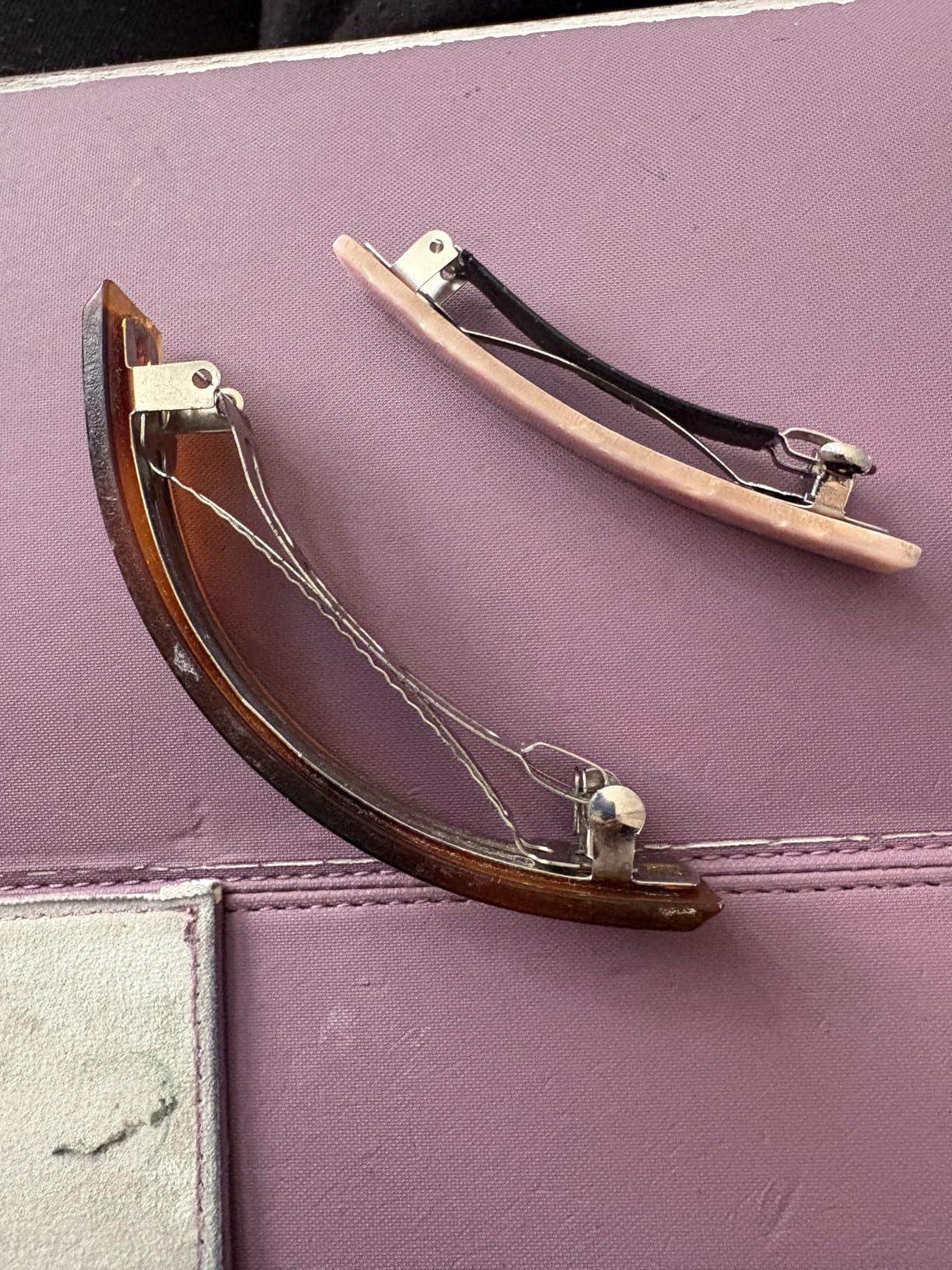
Barrettes snap shut over small or medium sections of hair with a metal clasp. A tension bar sits underneath the top piece. Your hair goes between the bar and the top surface. The clasp locks everything in place. French barrettes hide this tension bar completely. Standard barrettes leave it visible.
These clips add elegance while holding back bangs or side pieces. Wear a single pearl barrette for a formal dinner. Stack three small metallic barrettes along your hairline for a trendy daytime look. Use a jumbo barrette to secure a low ponytail instead of an elastic.
Barrettes work best for medium-thickness hair. Very thick hair may overwhelm the clasp. Very fine hair might slip out. Look for barrettes with silicone strips on the inside. The rubbery surface grips delicate strands without damage.
To use a barrette properly, insert it over gathered hair. Push the clasp closed firmly until you hear a click. Don't force it if the hair is too thick. That will bend the metal hinge over time.
4. Alligator Clips: The Stylist’s Favorite
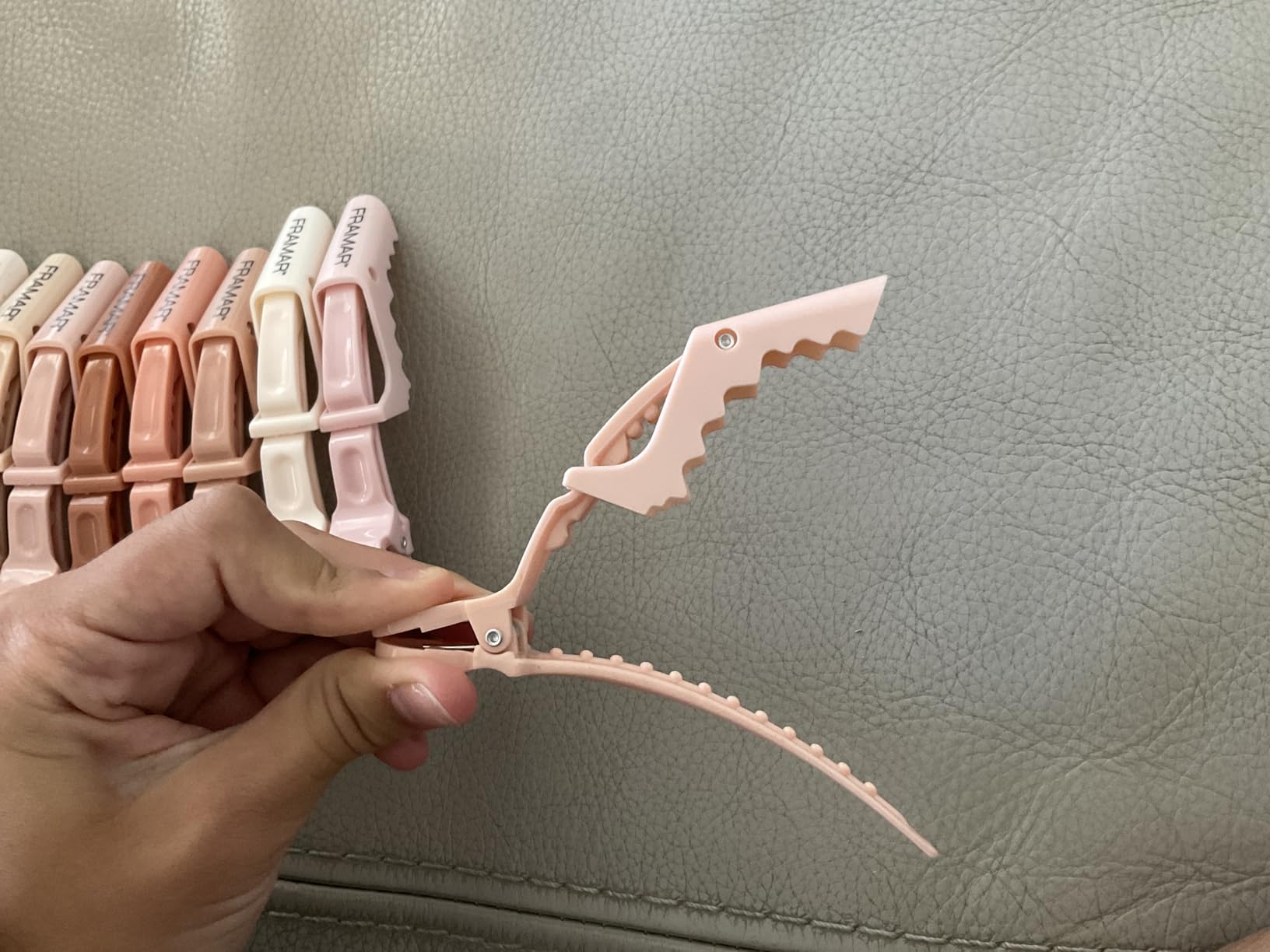
Alligator clips have a long, flat shape with strong interlocking teeth. The clip narrows to a point like an alligator's snout. A spring hinge provides powerful clamping force. These clips grip hair tightly without sliding.
Hairstylists use them to section hair during cutting or coloring. The narrow tip allows precise placement at the roots. The strong hold keeps sections separate for hours. You can clip up half your head while working on the bottom layer.
Alligator clips are not meant for all-day wear. The strong pressure can cause discomfort or headaches. Use them temporarily while drying, styling, or applying product. Remove them once your style is complete.
For home use, buy alligator clips with smooth interior edges. Rough seams can snag and break your hair. Look for clips labeled "hair-friendly" or "seamless." Metal clips last longer than plastic but can feel heavy.
5. Banana Clips: Retro Volume Boost
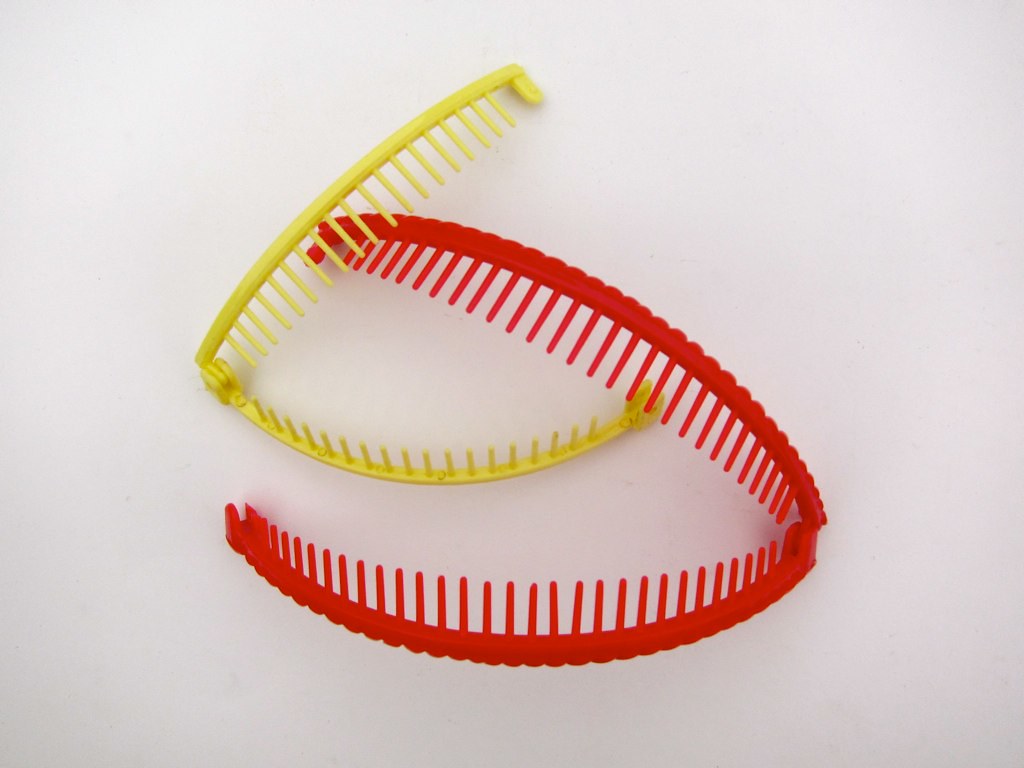
Banana clips create a voluminous, cascading ponytail popular in the 1980s. The clip has a curved, flexible plastic back with two rows of teeth. You open the clip like a banana peel. Place it under your gathered ponytail. Then close the teeth over the top.
This clip lifts your ponytail up and away from your neck. The curved shape follows your head's natural contour. The result is a high, bouncy ponytail that stands away from your head. Modern versions use elastic closures instead of the old snap mechanism.
Banana clips work best for medium to long hair. Short hair may not reach both ends of the clip. Very thick hair might overflow the teeth. For best results, brush your hair smooth first. Gather it at the crown of your head. Then apply the clip from underneath.
Some people struggle with banana clips slipping out. The original 80s design had this problem. Newer versions with rubberized teeth or elastic closures hold much better. Test the grip before leaving the house.
6. French Hair Pins: The Elegant Minimalist
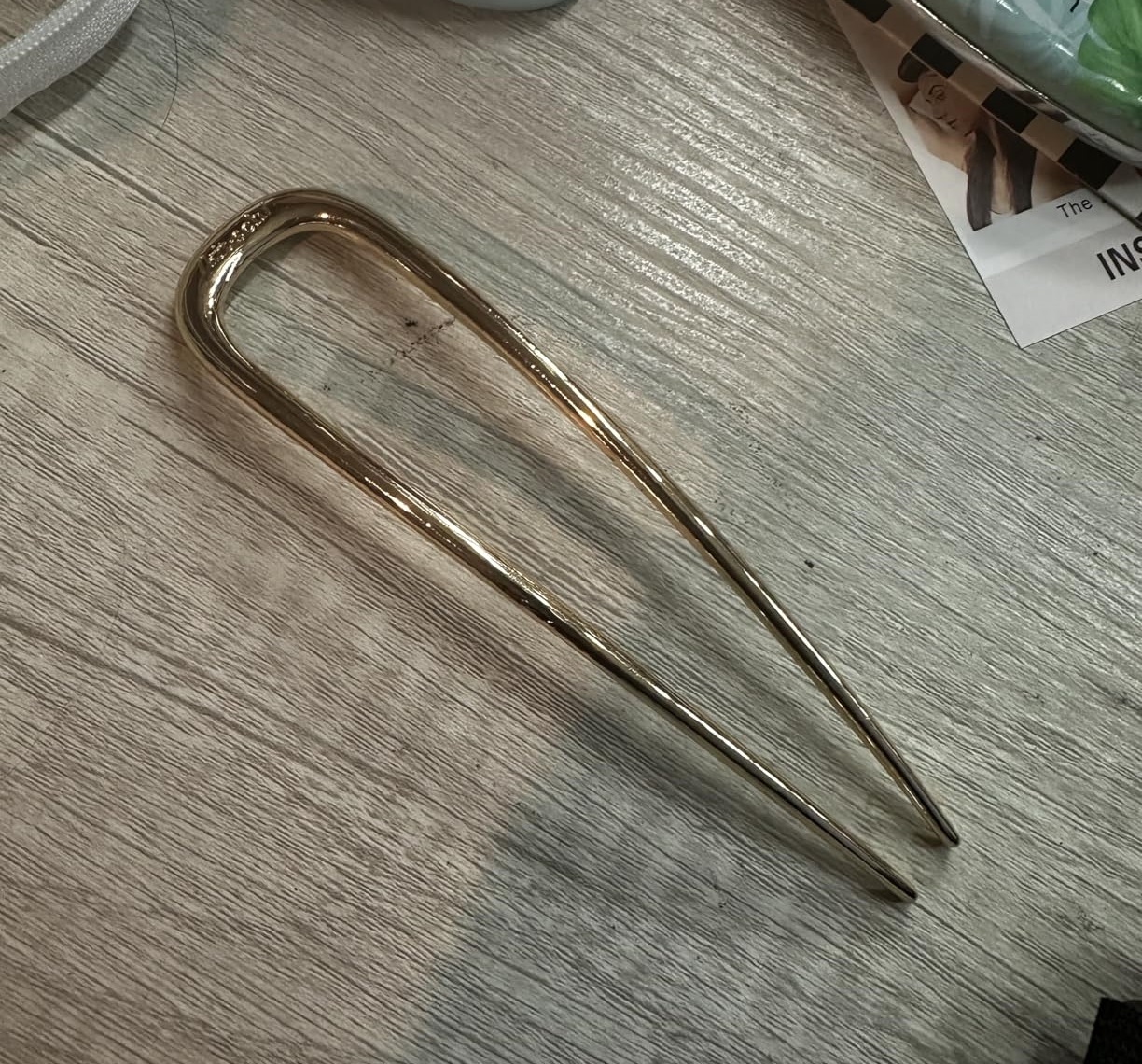
French hair pins are long, thin sticks with no moving parts. They come in metal, wood, or acetate. Some have decorative ends. Others are completely plain. You twist them directly into a bun or updo.
Use two French pins to secure a bun without elastics or bobby pins. Twist your hair into a tight coil against your head. Insert the first pin diagonally through the outer edge of the bun. Catch some scalp hair on the way. Then insert the second pin from the opposite direction.
This technique takes practice but holds surprisingly well. The pins create internal friction that locks the bun in place. One pin stabilizes. The second pin locks. Your hair stays secure all day without dents or creases.
French pins are ideal for long, heavy hair. They distribute weight evenly across your scalp. This prevents the pulling sensation of elastics or claw clips. Wooden pins offer the most grip. Metal pins slide more easily but can feel heavy.
7. Comb Clips: The Versatile Classic
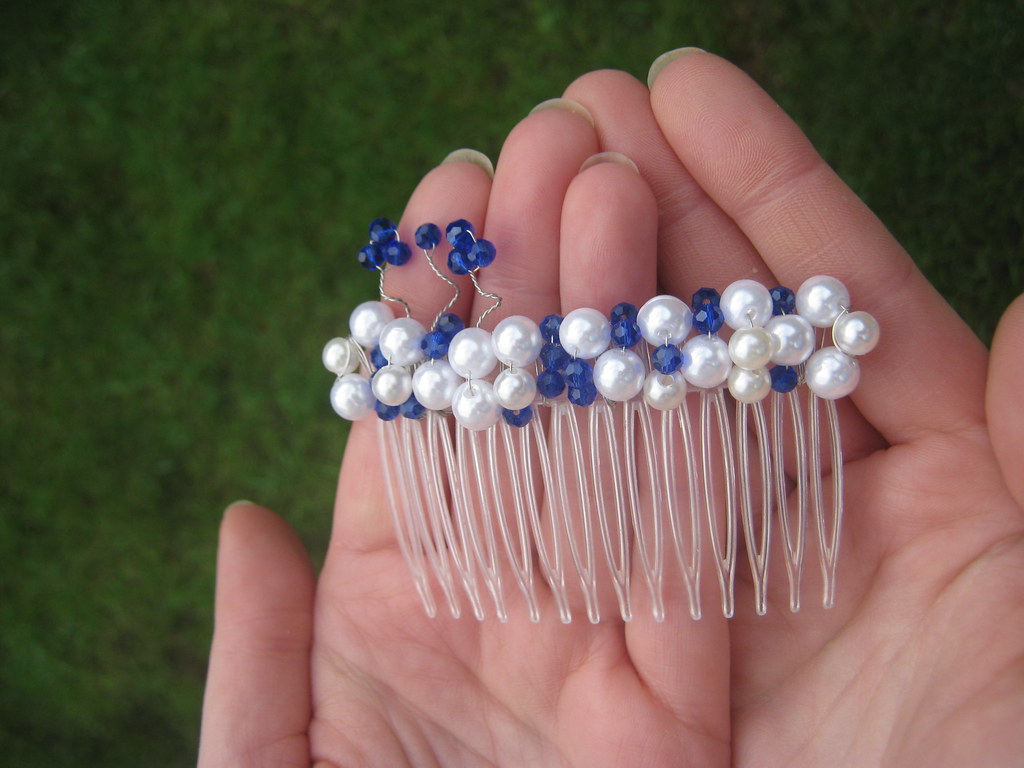
Comb clips feature a curved bar with multiple teeth that slide into hair. The teeth can be fine or wide, depending on your hair type. Some combs disappear completely into your hairstyle. Others have decorative tops that peek out for style.
Use a comb clip to secure a French twist or Gibson tuck. Smooth your hair into a vertical roll against your head. Slide the comb teeth into the roll, catching scalp hair underneath. The comb's curve matches your head's shape for a flush fit.
Decorative combs work beautifully for weddings or formal events. Jeweled, pearl, or floral combs add instant elegance. Slide one above a low bun for a classic look. Place two combs on each side of a half-up style for symmetry.
Choose fine-tooth combs for smooth, straight hair. Wide-tooth combs work better for curly or thick hair. Avoid plastic combs with rough seams. They will snag and damage your strands. Metal or acetate combs slide in much more smoothly.
8. Snap Clips (Tic Tac Clips): Fine Hair Solution
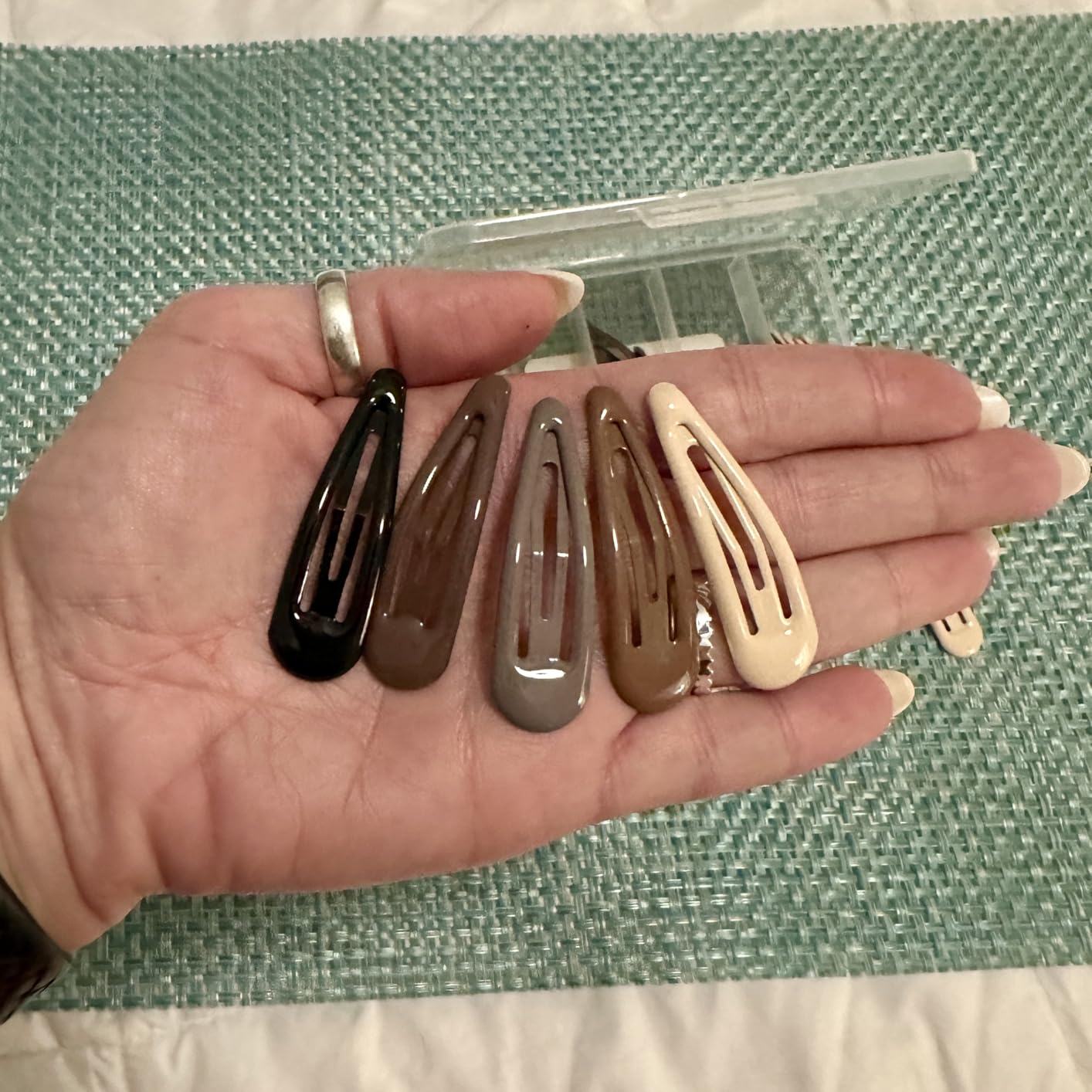
Snap clips open and close with a simple push, like a tic tac box. Two flat pieces of plastic hinge together at the back. A small metal spring creates the snapping action. These clips are small, lightweight, and gentle.
Snap clips work best for fine, thin, or short hair. They hold small sections without slipping or pulling. Use them to pin back bangs during workouts. Secure face-framing pieces while you eat. Or line them up along a half-up style for a playful look.
Most snap clips have silicone or rubber grips inside. This texture holds fine hair that would slide out of smooth clips. Pastel colors and cute patterns make them popular for children and teens. Adults can use metallic or tortoiseshell versions for a more polished look.
Don't use snap clips for heavy or thick hair. The small spring cannot handle much weight. Your hair will pull the clip open within minutes. Stick to claw clips or barrettes for thicker textures.
9. Duckbill Clips: The Styling Tool
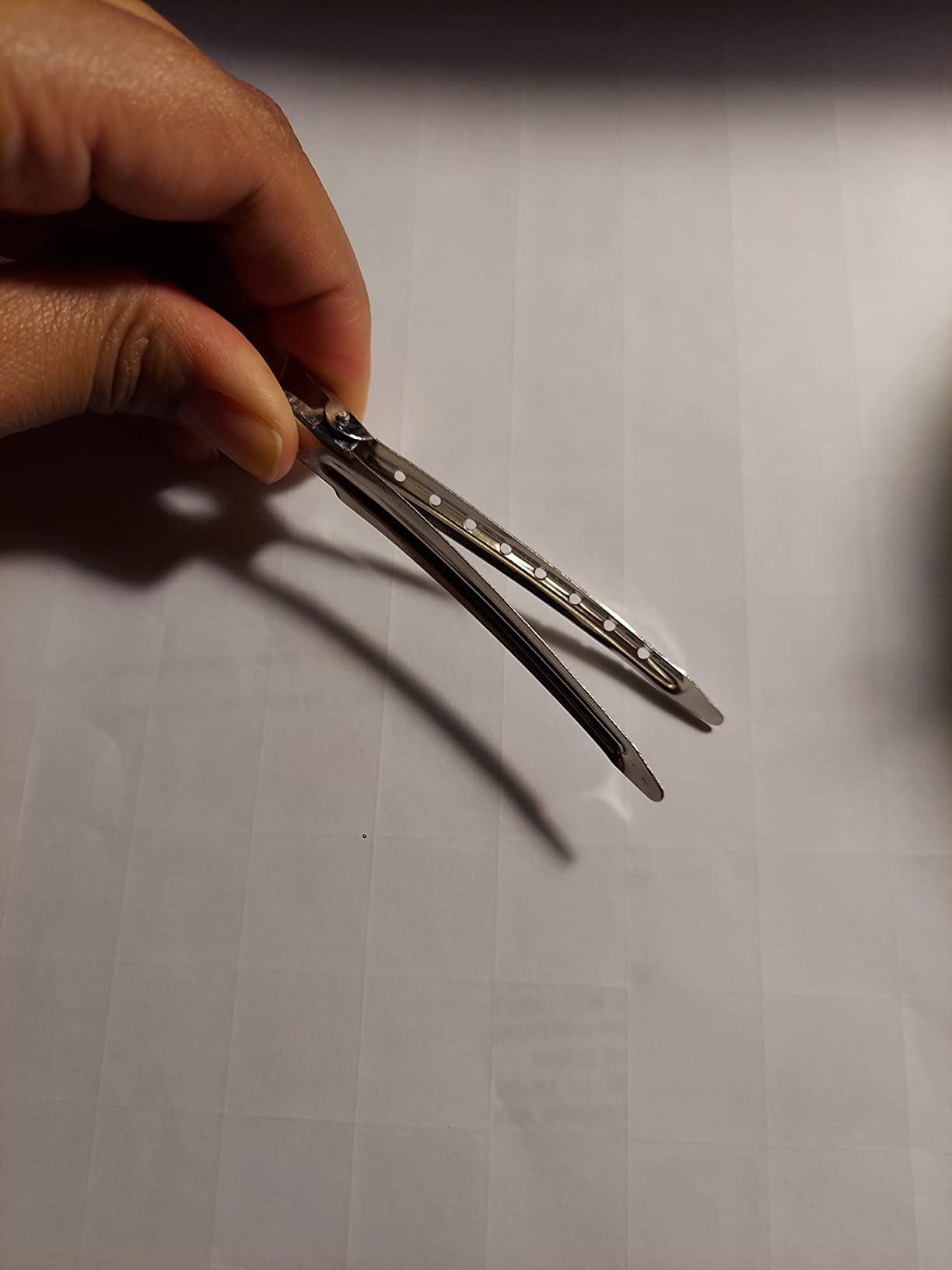
Duckbill clips have two long, flat prongs that taper to a point. The shape resembles a duck's open bill. A metal spring holds the prongs together with moderate pressure. These clips create minimal creasing compared to alligator clips.
Stylists use duckbill clips to section hair during blow-drying or flat ironing. The flat prongs lie flush against your head. They hold hair flat and taut while you work on other sections. The lack of teeth means no ridges or dents in your dried style.
Duckbill clips are temporary tools, not daily accessories. Wear them only while styling. Remove them once your hair is dry or finished. Leaving them in for hours can cause discomfort or headaches.
For home blowouts, duckbill clips are invaluable. Section your damp hair into four or five clips. Dry one section at a time. The clips keep the rest of your hair clean and separated. Your results will look much more professional.
Choosing the Right Clip for Your Hair Type
Thick or heavy hair needs strong clips with deep gripping teeth. Claw clips, banana clips, and French pins work best. Avoid snap clips, small barrettes, or bobby pins alone. Those will fail under the weight.
Fine or thin hair needs gentle clips with rubber grips. Snap clips, small barrettes with silicone strips, and lightweight claw clips work well. Avoid heavy metal clips or tight alligator clips. Those can slip out or damage delicate strands.
Curly or textured hair needs wide openings and smooth interiors. Look for clips labeled for thick or curly hair. Smooth acetate or metal prevents snagging. Avoid plastic clips with rough seams. Those will catch on curls and cause breakage.
Short hair needs small clips that won't overwhelm your strands. Snap clips, mini claws, and small barrettes are your best options. Avoid banana clips or large claw clips. Those require length to function properly.
Maintaining Your Hair Clips
Store clips in a dry drawer or container away from humidity. Moisture rusts metal springs and hinges. It also weakens plastic over time. A simple makeup bag or pencil case works perfectly.
Clean metal clips with a damp cloth and mild soap. Wipe away hairspray, oil, and product buildup. Dry thoroughly before storing. Dirty clips transfer residue back to your clean hair.
Replace clips with bent hinges or broken teeth immediately. Damaged clips will snag and break your hair. They also won't hold properly, leading to frustration. Cheap plastic claws are worth replacing yearly.
Check bobby pins for loose or bent ends before each use. A bent pin will poke your scalp. It also won't grip correctly. Discard any pins that feel weak or misshapen. A fresh pack costs very little.
Wrapping Up
The right hair clip saves time, prevents damage, and elevates your style. Keep a variety of sizes for different occasions. Use claw clips for quick daily updos. Rely on bobby pins and French pins for secure formal styles.
Experiment with one new clip type this week. Try a banana clip if you usually wear claws. Test French pins if you rely on bobby pins. You might discover a faster, more comfortable way to style your hair.
Remember: no single clip works for every situation. Build a small collection of two or three types. Match the clip to your hair's thickness, length, and the occasion. Your hair will look better and feel healthier.