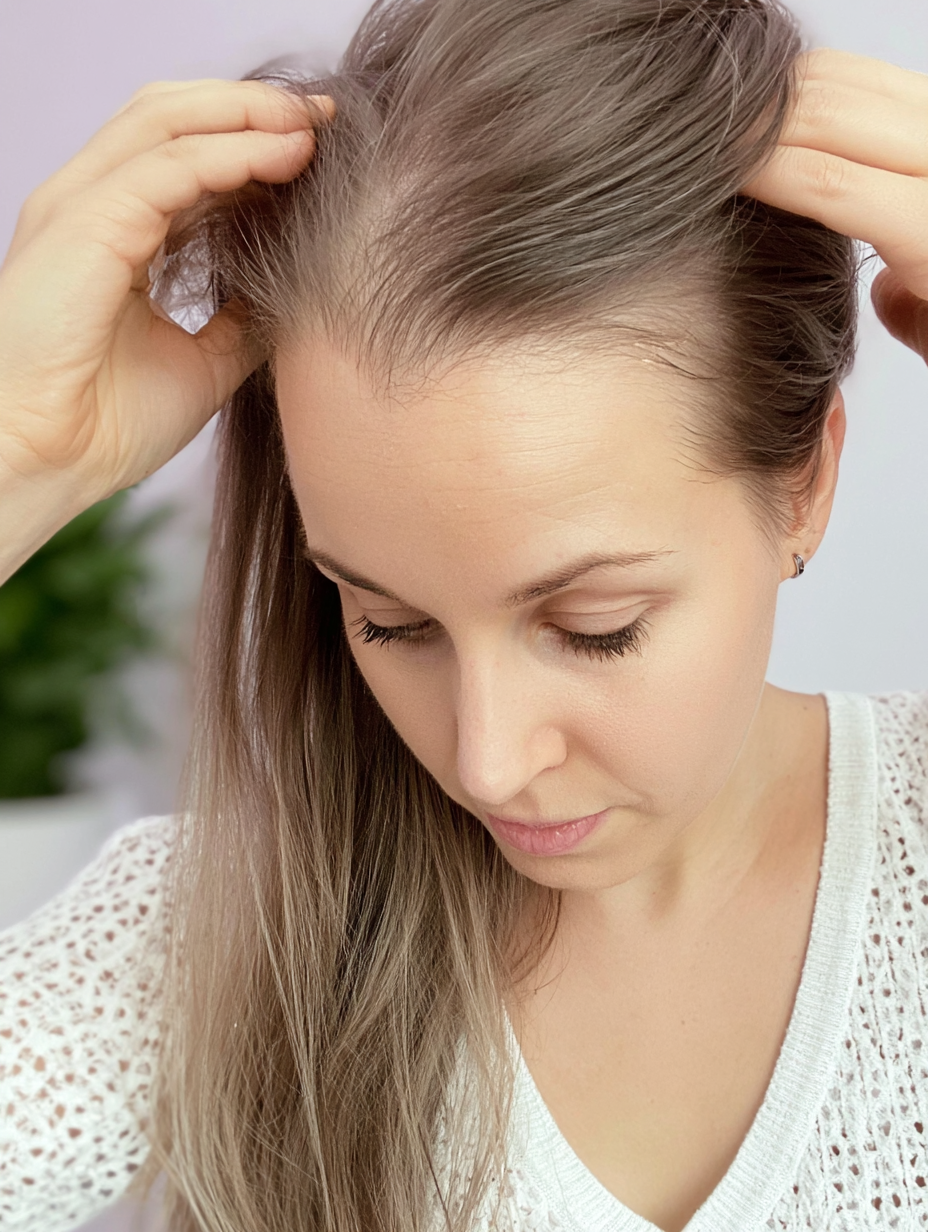
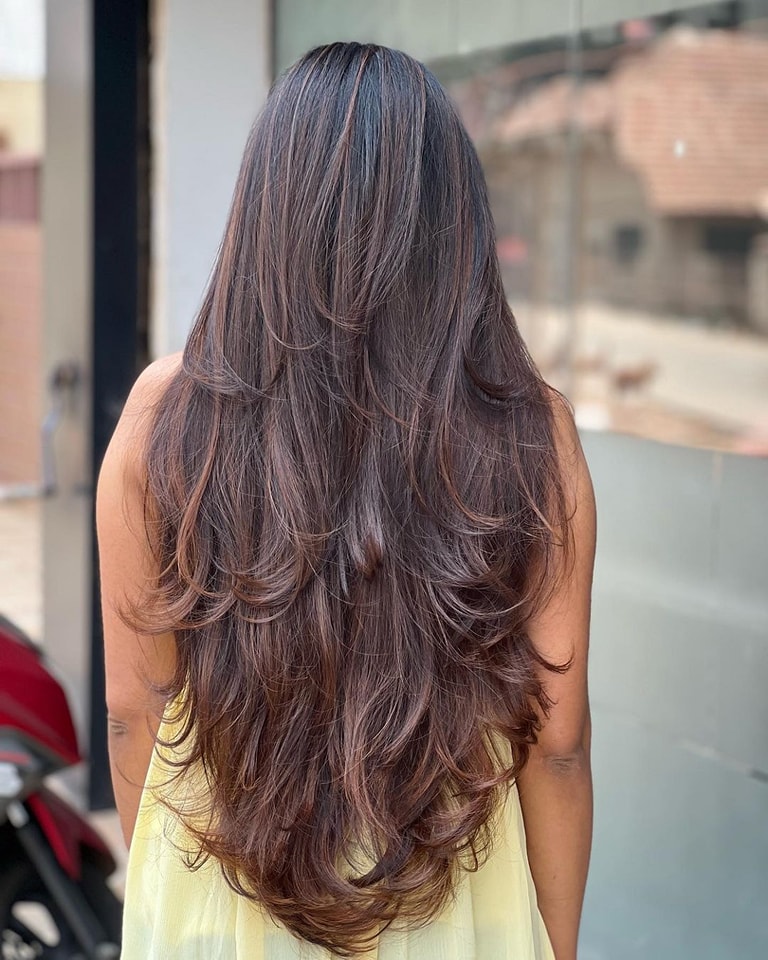
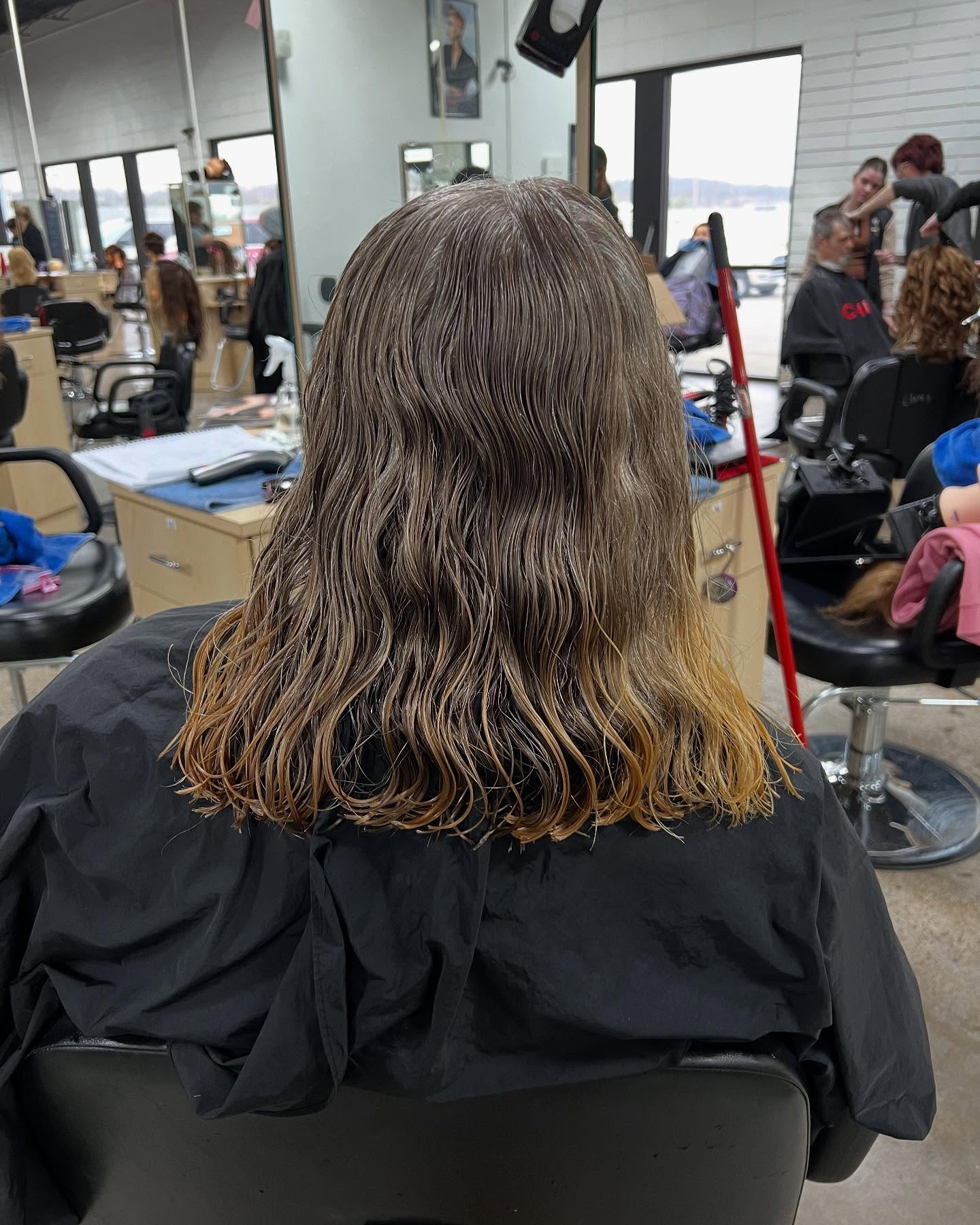
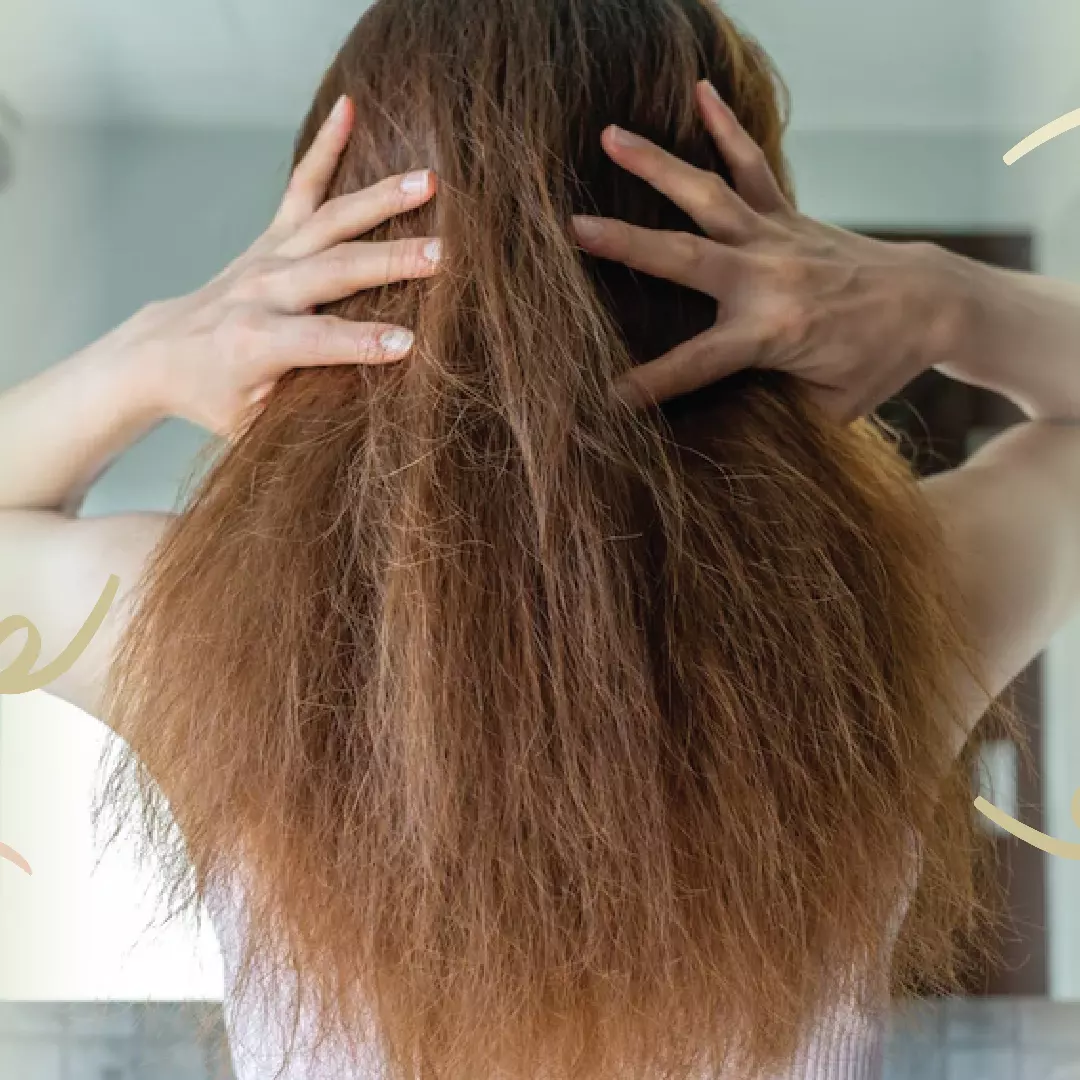
You have seen impossibly shiny, frizz-free hair on social media. The secret often is a keratin treatment. But what does that actually mean for your own hair?
Here is the truth about frizzy hair. Humidity makes it puff up. Morning styling becomes a twenty-minute battle. It feels unfair when other people wake up with perfect strands.
A keratin treatment changes that reality. It restores protein to your hair. The results last for months. But the process also has real risks and costs hundreds of dollars.
This guide walks you through everything you need to know. You will learn how the treatment works, what results to expect, and whether it makes sense for your specific hair.
What Exactly Is Keratin?
Keratin is a natural protein. Your body produces it in your hair, skin, and nails. Think of keratin as the structural foundation of each hair strand. It gives your hair strength, elasticity, and resistance to damage.
Over time, your natural keratin breaks down. Heat styling accelerates this process. Chemical treatments strip it away. Sun exposure and pollution also cause damage. Even brushing your hair creates friction that wears down the protein.
When keratin degrades, the hair cuticle lifts. This creates gaps in the protective outer layer. Moisture escapes from inside the strand. Humidity rushes in to replace it. The result is frizz, dullness, and breakage.
A keratin treatment replenishes what you have lost. It fills those gaps with new protein. The treatment smooths the cuticle back down. Your hair becomes stronger, shinier, and more manageable.
How Does a Keratin Treatment Work?
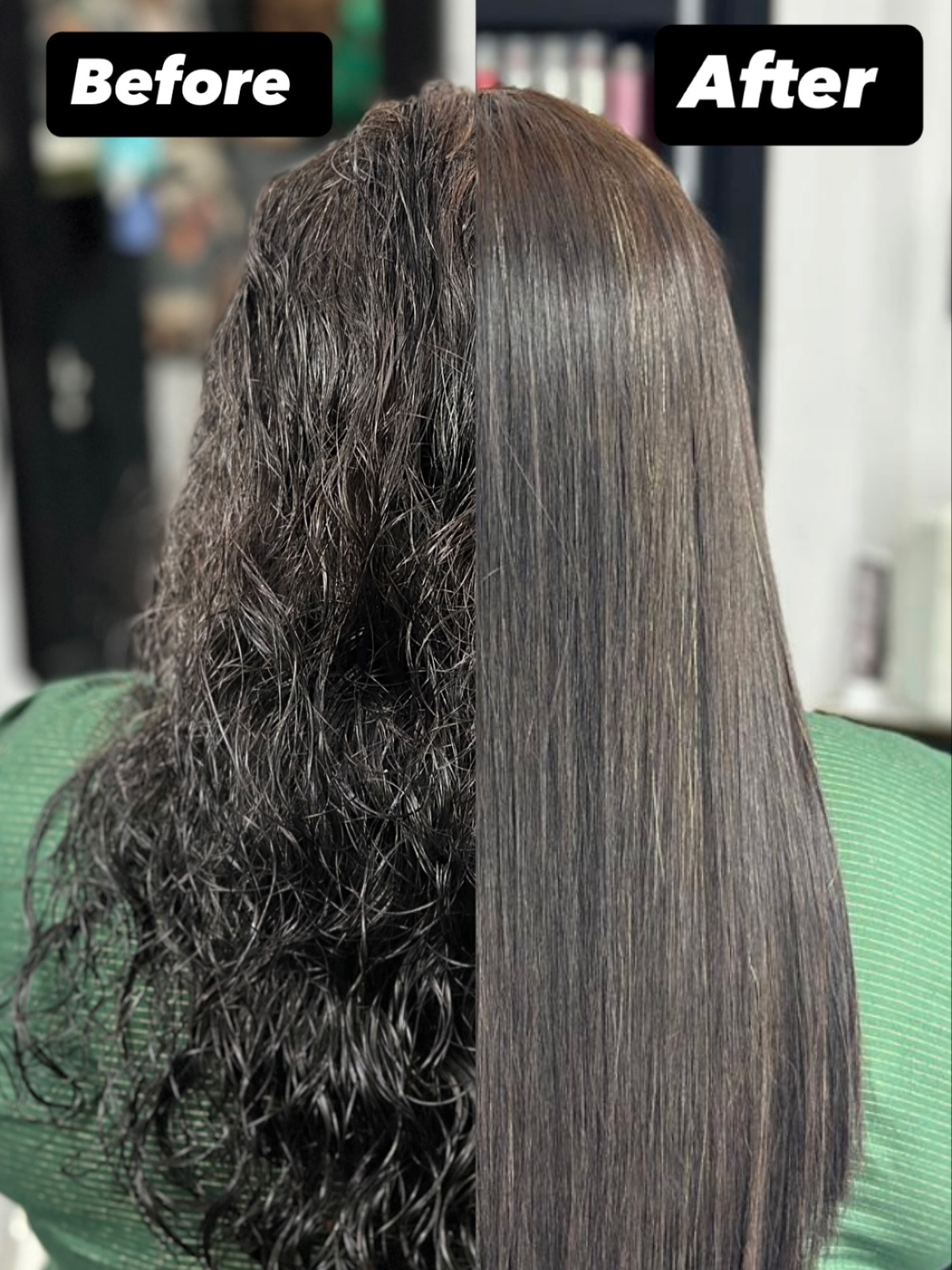
The process happens in a salon chair. Plan to spend about three hours there. Here is exactly what your stylist will do.
Step one is clarifying. Your stylist washes your hair with a special shampoo. This removes buildup from products, oils, and minerals. It also opens the hair cuticle so the treatment can penetrate deeper.
Step two is application. The stylist applies the keratin solution to your damp hair. They work in small sections from root to tip. The solution sits on your hair for 15 to 30 minutes. This allows the protein to absorb into each strand.
Step three is drying. Your stylist blows your hair completely dry. This removes moisture and prepares the hair for sealing.
Step four is the most important part. The stylist uses a flat iron set to high heat. They pass the iron over each small section multiple times. This heat activates the keratin. It bonds the protein to your hair shaft. The result is a smooth, protective layer around every strand.
Some salons then rinse and re-dry the hair. Others leave the treatment in place. The specific steps vary by brand. But the core process remains the same. Heat seals keratin into your hair.
What Benefits Can You Expect?
The results go far beyond just looking nice. Here are the real changes people notice after a keratin treatment.
Frizz disappears almost completely. This is the number one reason people get the treatment. Even in high humidity, your hair stays smooth. Rain or sweat will not make it puff up.
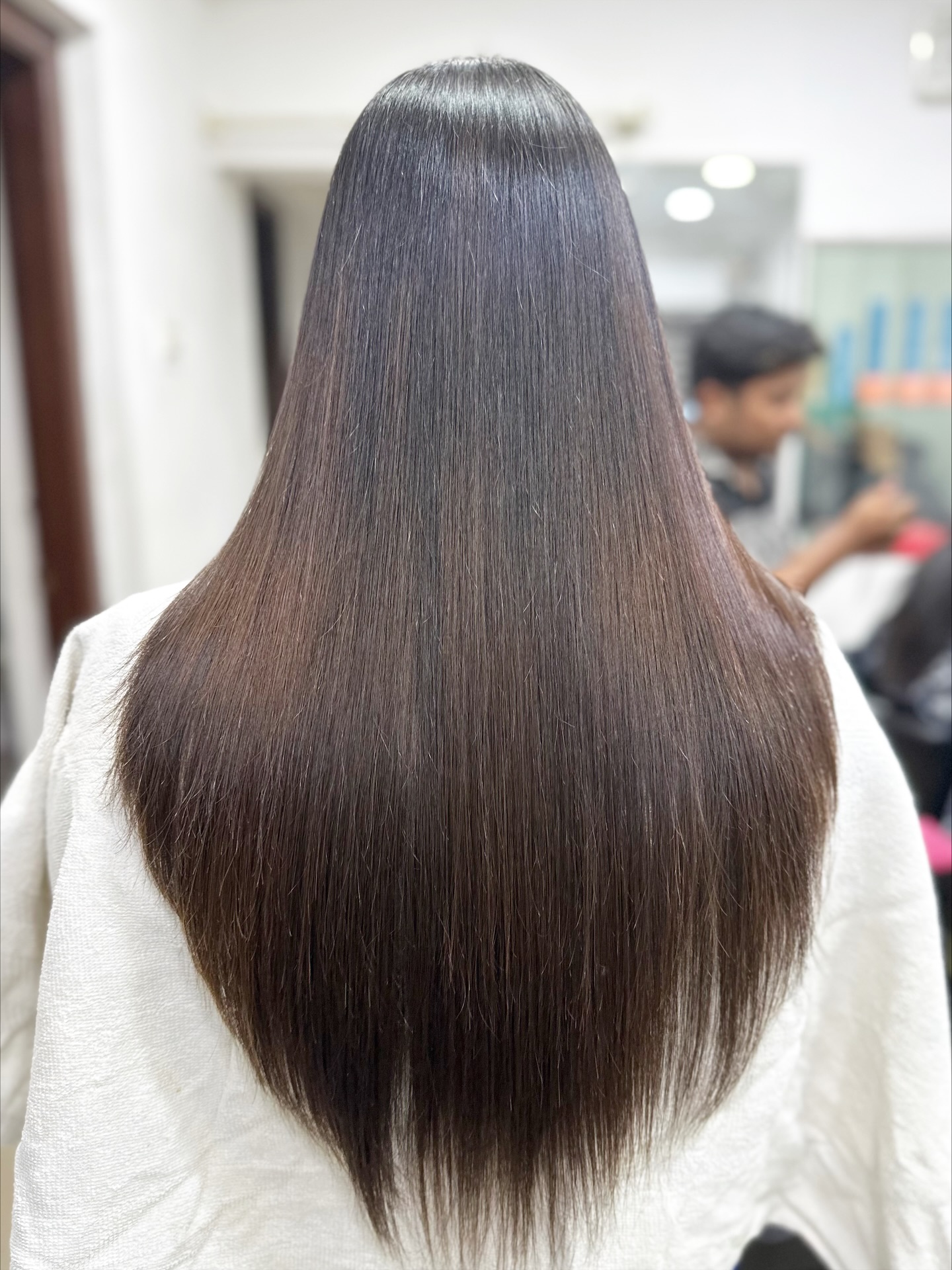
Shine increases dramatically. Light reflects better off a smooth cuticle. Your hair will look healthier and more vibrant. This effect shows up in person and in photos.
Styling time drops by half or more. Many people go from forty-five minutes to fifteen. Some can even air dry without frizz taking over. That extra time in the morning adds up fast.
Manageability improves every single day. Brushes glide through without snagging. Ponytails and buns look sleek instead of bumpy. Your hair simply behaves the way you want it to.
Split ends appear sealed temporarily. The treatment coats damaged areas. This makes your hair look healthier right away. But it does not repair the damage permanently. You will still need trims.
Strength increases against daily wear. The keratin layer protects against friction. Your hair will break less from brushing and sleeping. This helps you maintain length over time.
How Long Does a Keratin Treatment Last?
Most treatments last between three and six months. The exact duration depends on several factors.
Your hair type plays a big role. Thick, coarse hair holds the treatment longer. Fine hair may see results fade faster. Your washing habits also matter. Shampooing every day strips the treatment quickly. Washing twice a week extends its life.
The products you use make a huge difference. Sulfates strip keratin away with each wash. Sodium chloride has the same effect. Using sulfate-free, sodium-free shampoo is essential. Many brands make specific lines for treated hair.
Your lifestyle affects longevity too. Swimming in chlorine breaks down the treatment. Saltwater does the same thing. Hot yoga or heavy sweating can shorten results. Protecting your hair from these elements helps it last.
When the treatment fades, it happens gradually. You will not wake up with suddenly frizzy hair. Instead, your natural texture slowly returns. Most people schedule a repeat treatment every four to six months.
Is a Keratin Treatment Right for Your Hair Type?
Keratin treatments work best on certain hair types. They are not a universal solution.
Frizzy, wavy, or curly hair sees the biggest improvement. The treatment transforms unruly textures into smooth, manageable strands. You can keep some wave or go almost straight. Your stylist can adjust the technique to match your goals.
Thick or coarse hair responds very well. These textures have plenty of structural strength. The treatment smooths without causing damage. Results often last toward the six-month mark.
Fine or brittle hair requires caution. The high heat and chemicals can cause breakage. Your strands may not withstand the process. Some stylists offer lighter formulas for fine hair. But even those carry risks.
Color-treated hair needs special planning. Keratin can lighten your hair by one or two shades. Do your color at least two weeks before the treatment. Or wait two weeks after. This prevents the keratin from interfering with your pigments.
Chemically damaged hair may not be a good candidate. If your hair feels mushy when wet or snaps easily, skip the treatment. Focus on repairing it first. A keratin treatment on damaged hair can make things worse.
Pregnant women should avoid keratin treatments. The chemical exposure poses potential risks. Most salons will not perform the service on pregnant clients. Wait until after you give birth.
What Are the Safety Concerns You Need to Know?
This is the most important section of this guide. Keratin treatments have real safety issues. You deserve to know them before booking an appointment.
Formaldehyde is the main concern. Some keratin formulas contain ingredients that release formaldehyde when heated. This includes methylene glycol, aldehyde, and formalin. When your stylist flat-irons your hair, those chemicals turn into formaldehyde gas.
What does formaldehyde exposure feel like? Watery eyes are common. Your throat may burn or feel scratchy. Some people start coughing. Others experience nosebleeds or skin rashes. The smell is sharp and chemical.
Long-term risks are still being studied. Formaldehyde is a known carcinogen. High exposure over many years may increase cancer risk. One treatment probably will not cause harm. But repeated exposures add up over a lifetime.
Formaldehyde-free options exist but work less well. Many brands now offer alternative formulas. They use different chemicals to achieve smoothing effects. These treatments are safer for you and your stylist. But they typically last two to three months instead of six. The smoothing effect is also less dramatic.
Ventilation matters enormously. A good salon will have strong air circulation. Some have special exhaust systems over the styling chair. If the salon smells strongly of chemicals, consider leaving.
Your stylist's safety matters too. They breathe these fumes all day every day. Ask if your stylist wears a mask during treatments. Do they use a fan or open windows? A salon that protects its staff will protect you too.
How Do You Care for Your Hair After the Treatment?
The first 72 hours determine your results. Follow these rules strictly.
Do not get your hair wet. This means no washing, no rain, and no sweat. Cover your hair with a shower cap when bathing. Postpone your workout for three days.
Do not put your hair behind your ears. This creates a dent that can become permanent. Avoid clips, ponytails, and headbands. Do not tuck your hair back. Let it hang loose and free.
Do not sleep on cotton pillowcases. Cotton creates friction that roughs up the cuticle. Buy a silk or satin pillowcase instead. Your hair will glide across the surface smoothly.
After the 72 hours pass, switch to sulfate-free shampoo. Read every label carefully. Sodium lauryl sulfate and sodium chloride will strip your treatment. Many drugstore brands contain both. Look for products labeled keratin-safe or smoothing.
Wash your hair less often overall. Twice a week is plenty for most people. Dry shampoo can help extend between washes. The less you wash, the longer your treatment lasts.
Use heat protection every single time. The keratin layer is not invincible. Blow dryers, flat irons, and curling wands can still cause damage. Spray on a protectant before applying any heat.
Avoid chlorine and saltwater when possible. Both break down keratin quickly. If you swim, wet your hair with fresh water first. Wear a tight swim cap. Rinse immediately after getting out of the pool or ocean.
Keratin vs. Other Smoothing Treatments: What Is the Difference?
Brazilian blowouts, Japanese straightening, and keratin treatments all smooth hair. But they work very differently.
A Brazilian blowout focuses on frizz elimination. It uses a liquid formula that bonds to the hair. The results are very smooth but not completely straight. Most Brazilian blowouts last about three months. They work on all hair types including fine hair.
Japanese straightening permanently alters your curl pattern. This treatment breaks the internal bonds of your hair. Then it reforms them into a straight shape. The results last until your hair grows out completely. But you cannot color your hair afterward. And new growth creates a visible line.
Keratin treatments fall in the middle. They smooth without fully straightening. Your natural wave may soften but not disappear. Results last three to six months. You can still color your hair. And there is no harsh line as the treatment fades.
Here is a simple way to choose. Want pin-straight hair permanently? Choose Japanese straightening. Want to eliminate frizz while keeping some body? Choose a Brazilian blowout. Want stronger, shinier hair that behaves better? Choose a keratin treatment.
Can You Get Similar Results at Home?
At-home keratin kits exist. You can find them at drugstores and online. They cost forty to eighty dollars instead of three hundred. But do they actually work?
The honest answer is sort of. Home kits use lower concentrations of active ingredients. They cannot apply the same high heat as professional flat irons. The results are noticeable but not dramatic.
A home treatment might reduce frizz by thirty percent. It might add some shine and softness. Your hair will feel nicer. But it will not transform the way a salon treatment does.
Where home products really shine is maintenance. Keratin-infused shampoos and conditioners extend your salon results. Leave-in keratin sprays refresh the treatment between appointments. These products cost less than another full salon visit. And they actually work well.
For best results, do both. Get a professional treatment every four to six months. Use keratin home products in between. This combination gives you the biggest bang for your buck.
What Should You Ask Before Booking an Appointment?
Walk into any salon informed. Ask these specific questions before handing over your credit card.
What brand of keratin do you use? Research the brand online. Look for independent safety reviews. Avoid anything with formaldehyde-releasing ingredients if you are concerned about exposure.
Is your formula truly formaldehyde-free? Some salons say yes when the answer is technically no. Ask to see the ingredients list. Look for methylene glycol, aldehyde, formalin, or methanal. Those are all formaldehyde by another name.
How many treatments have you performed? Experience matters enormously with keratin. A stylist who does ten treatments a week is safer than one who does two a month. Ask to see before and after photos of their work.
What is your ventilation system like? Good salons take this seriously. They should have exhaust fans or open windows. The air should not feel heavy with chemical smell.
Do you offer a consultation first? A responsible stylist will examine your hair before booking. They should tell you if your hair is too damaged for treatment. If they say yes to everyone, find another salon.
Wrapping Up
A keratin treatment transforms frizzy hair into smooth, shiny strands.
Results last for months. But the treatment costs $300 or more. Some formulas release formaldehyde. And it can damage fine hair.
Say yes if you have thick or curly hair.
Say no if your hair is fine, brittle, or damaged.
For many people, the trade-off is worth it. Just know the risks first. Then decide for yourself.