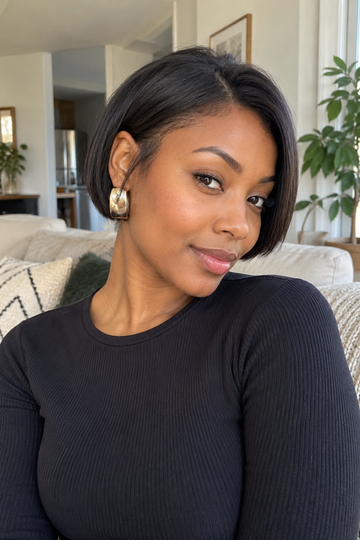
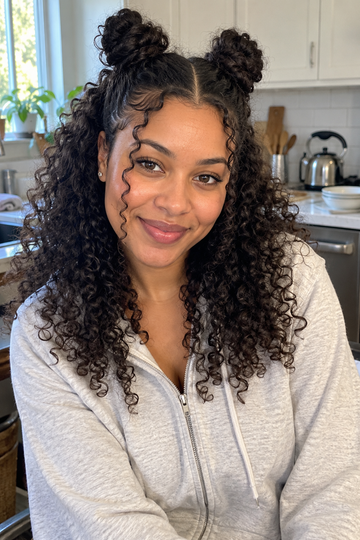
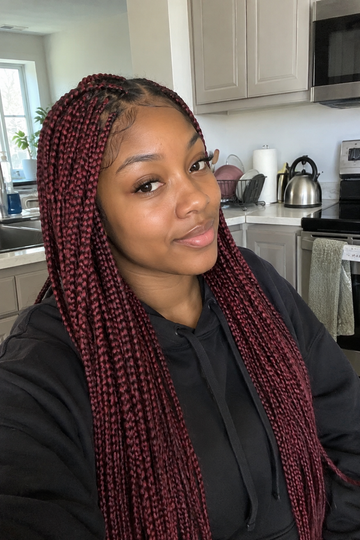
Copper sits in a strange sweet spot in the color world. It reads warmer than auburn, brighter than red, and richer than strawberry blonde, which is exactly why colorists call it the hardest shade to nail. The undertone has to match your skin or it goes brassy fast. The good news is that copper now lives on a wide spectrum, from soft peachy whispers to molten penny, so there's a version that works for almost everyone. These 24 ideas cover the full range, from low-commitment money pieces to all-over saturation.
Jump to:
- Bright Penny Copper
- Soft Strawberry Copper
- Deep Auburn Copper
- Copper Money Piece
- Copper Balayage on Brunette
- Molten Copper
- Rose Copper
- Cinnamon Copper
- Peachy Copper
- Copper Ombré
- Burnt Copper
- Copper Highlights on Red
- Champagne Copper
- Copper Peekaboo
- Dark Copper
- Copper Babylights
- Ginger Copper
- Copper Caramel Blend
- Mahogany Copper
- Bronze Copper
- Pumpkin Spice Copper
- Copper Root Smudge
- Vivid Copper
- Copper Tortoiseshell
Bright Penny Copper
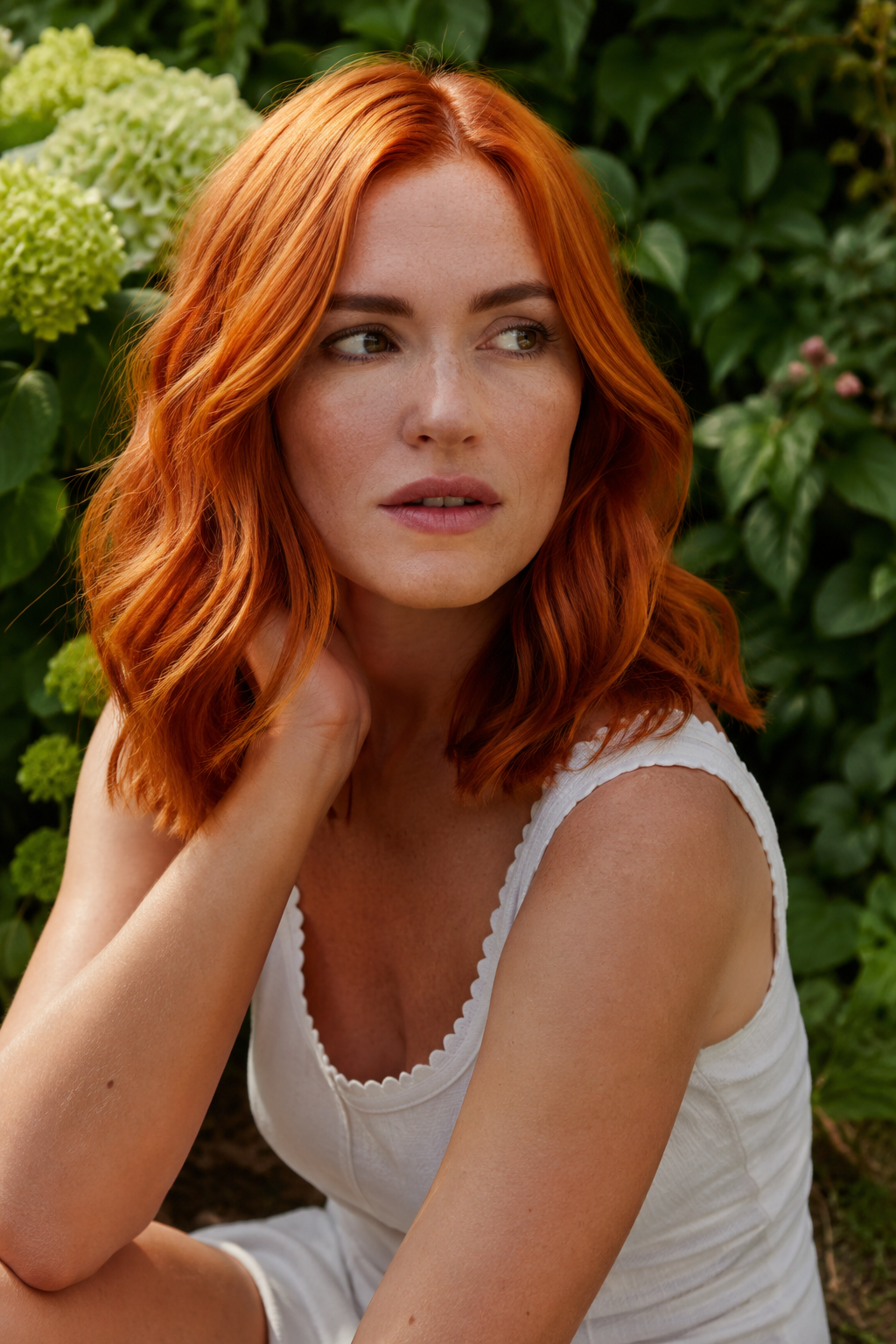
Saturated, glossy, and unmistakable. Bright penny copper is the shade that turns heads in grocery stores and prompts strangers to ask who your colorist is. Ask for a vivid orange-red base with no muddy brown underneath, then commit to a color-safe sulfate-free shampoo to keep the pigment from fading into a sad apricot. A weekly bonding mask helps the cuticle stay sealed, which is what gives copper that wet-look shine you see in salon photos.
Soft Strawberry Copper
Think of this as copper's softer cousin, where pink and peach blend into the warmth instead of fighting it. Soft strawberry copper flatters fair skin with pink undertones and looks especially pretty on naturally light brown or dark blonde hair. The processing is gentler than going full red, so it's a good entry point if you've never been a redhead. Pair it with subtle face-framing highlights to keep the dimension from going flat.
Deep Auburn Copper
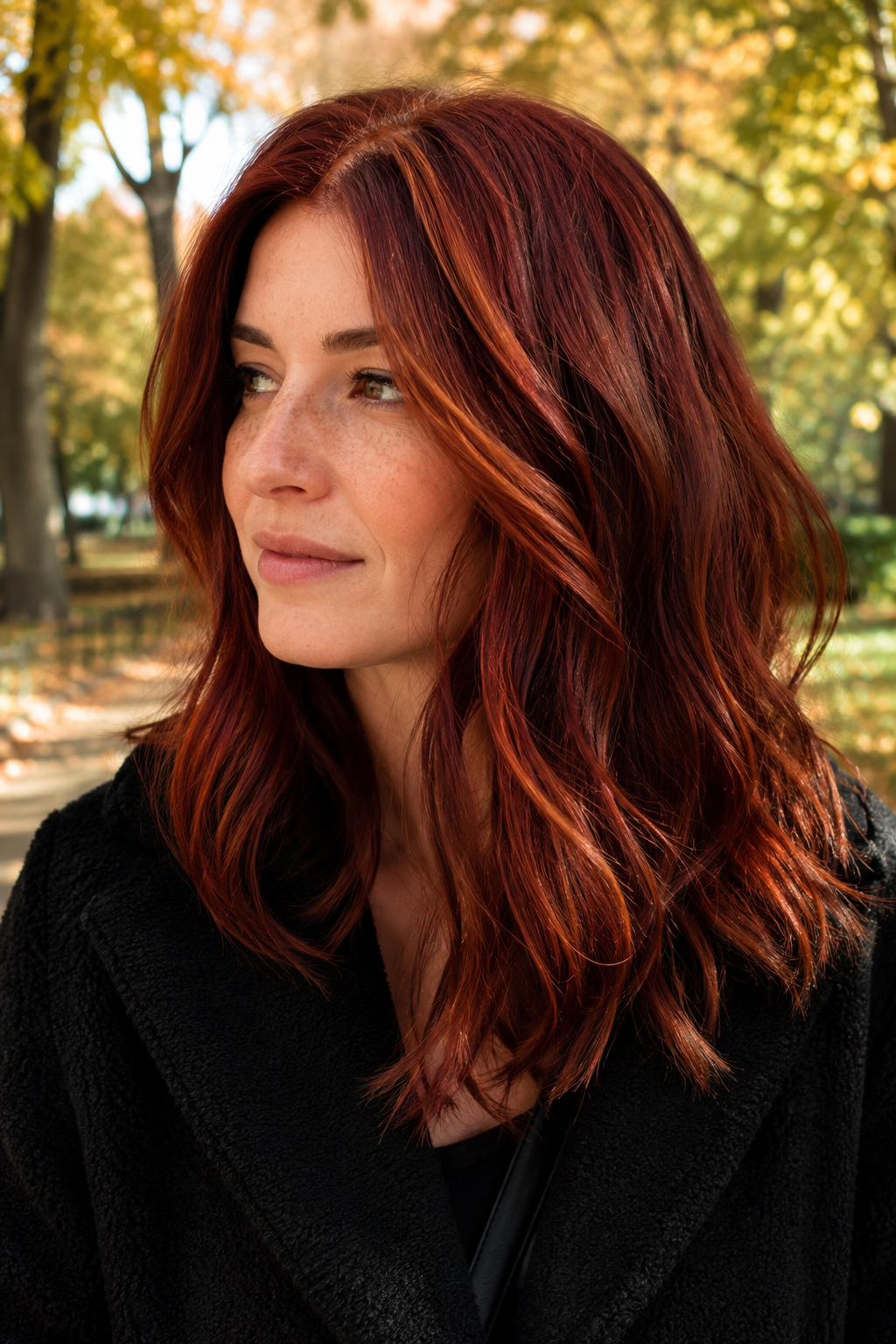
A richer, moodier take that leans into burgundy without ever crossing into purple territory. Deep auburn copper works beautifully on olive and warm-medium skin tones because the depth balances out any potential for brassiness. Stylists often build this shade with a base of dark copper-brown and weave in finer copper ribbons throughout. The result has movement even when your hair is pulled back, which is the mark of a well-executed color.
Copper Money Piece

The lowest-commitment way to try copper without overhauling your whole head. Two thick face-framing pieces in bright copper, set against your natural base, instantly brighten the complexion and add an editorial edge. This works on any base color, though it pops hardest on dark brown and black hair. Keep the rest of your color untouched so the contrast does the heavy lifting, and refresh the copper sections every six to eight weeks.
Copper Balayage on Brunette
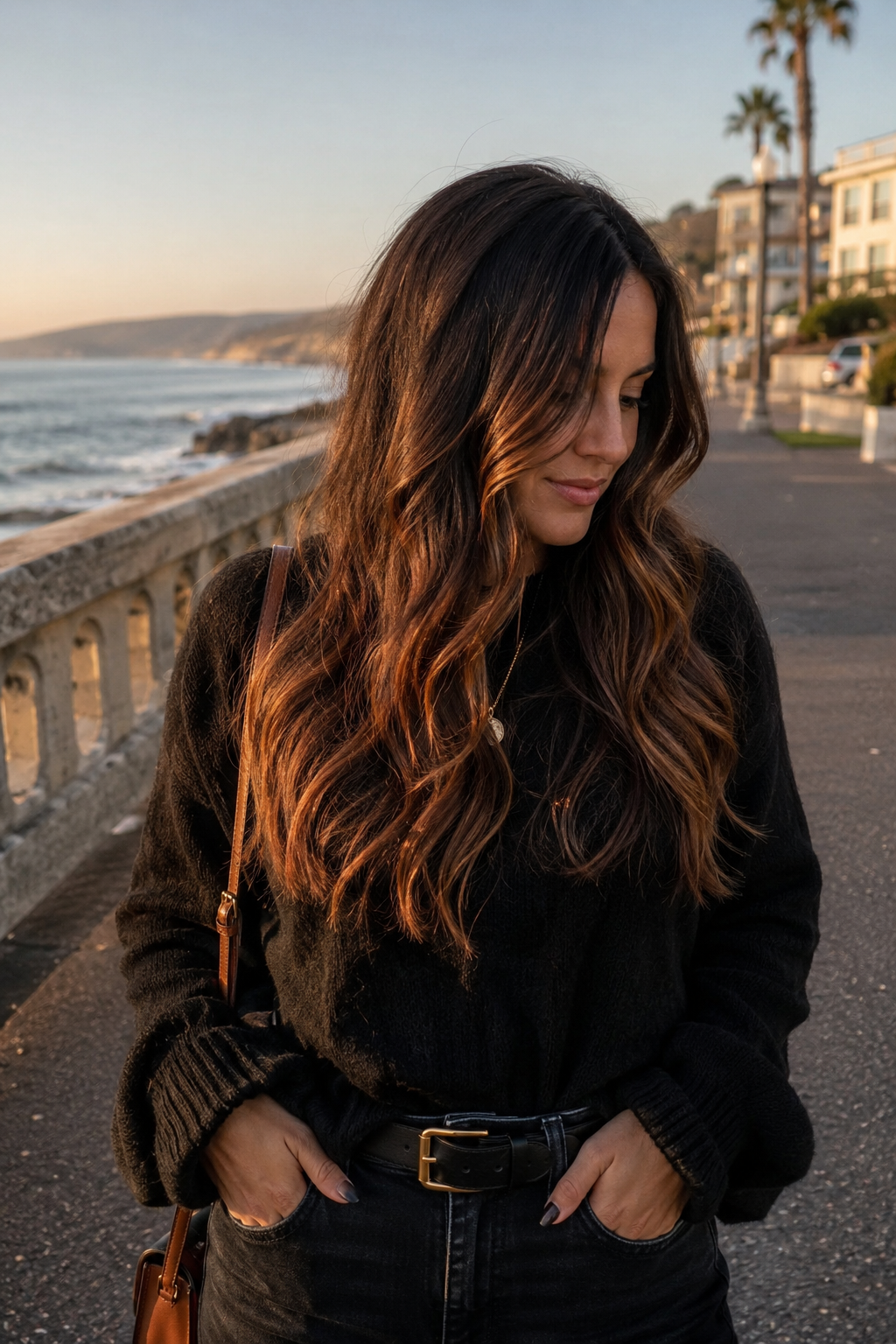
Hand-painted copper ribbons through dark brown hair give you that lit-from-within glow without committing to an all-over shift. Ask your colorist for a sun-kissed placement, brighter around the face and through the mid-lengths, with the roots left untouched for low maintenance. Copper balayage on brunette grows out beautifully because there's no harsh demarcation line. It's the closest thing to set-and-forget redhead hair.
Molten Copper

Imagine melted copper coins poured over your head and you've got the idea. Molten copper is a single saturated tone, slightly deeper than penny but just as glossy, with a liquid quality that comes from a high-shine gloss applied after the color processes. This shade demands healthy hair to look its best because any frizz or dryness will dull the metallic effect. Schedule a salon gloss treatment every four weeks to maintain the wet-look finish.
Rose Copper

Where copper meets dusty rose, you get this pink-leaning warm tone that flatters cool and neutral undertones better than traditional copper. Rose copper is gorgeous on pale skin with pink cheeks, and it photographs beautifully in natural light. The pink layer also helps neutralize any unwanted brassiness as the color fades. Ask for a copper base with a pink toner glazed on top for the most dimensional version.
Cinnamon Copper

Warm, spiced, and grounded with a hint of brown. Cinnamon copper is what you ask for when you want copper that doesn't scream. It's softer than penny, deeper than strawberry, and reads expensive in a quiet way. This shade suits warm-toned skin in every depth, from porcelain to deep brown. It also has the benefit of being one of the easiest copper variants to maintain because the brown undertone helps mask fading.
Peachy Copper
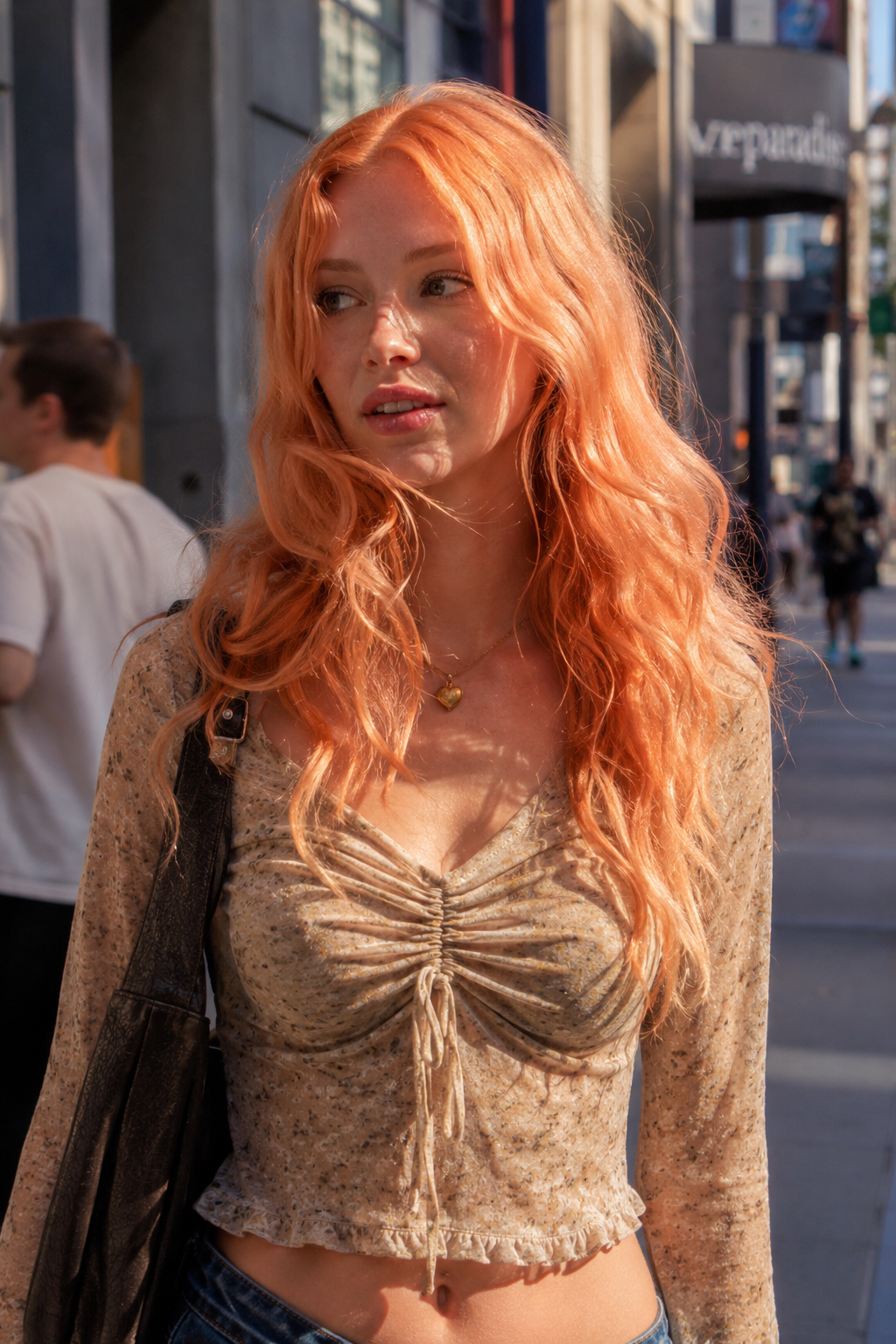
A pastel-leaning interpretation that's lighter, softer, and almost translucent in sunlight. Peachy copper works best on hair that's already light blonde or has been pre-lightened, since the pigment is delicate and shows up cleanest on a pale canvas. Pair with a daily heat protectant because peach fades faster than deeper copper shades. The trade-off is a color that looks ethereal and fresh in a way traditional red just can't.
Copper Ombré
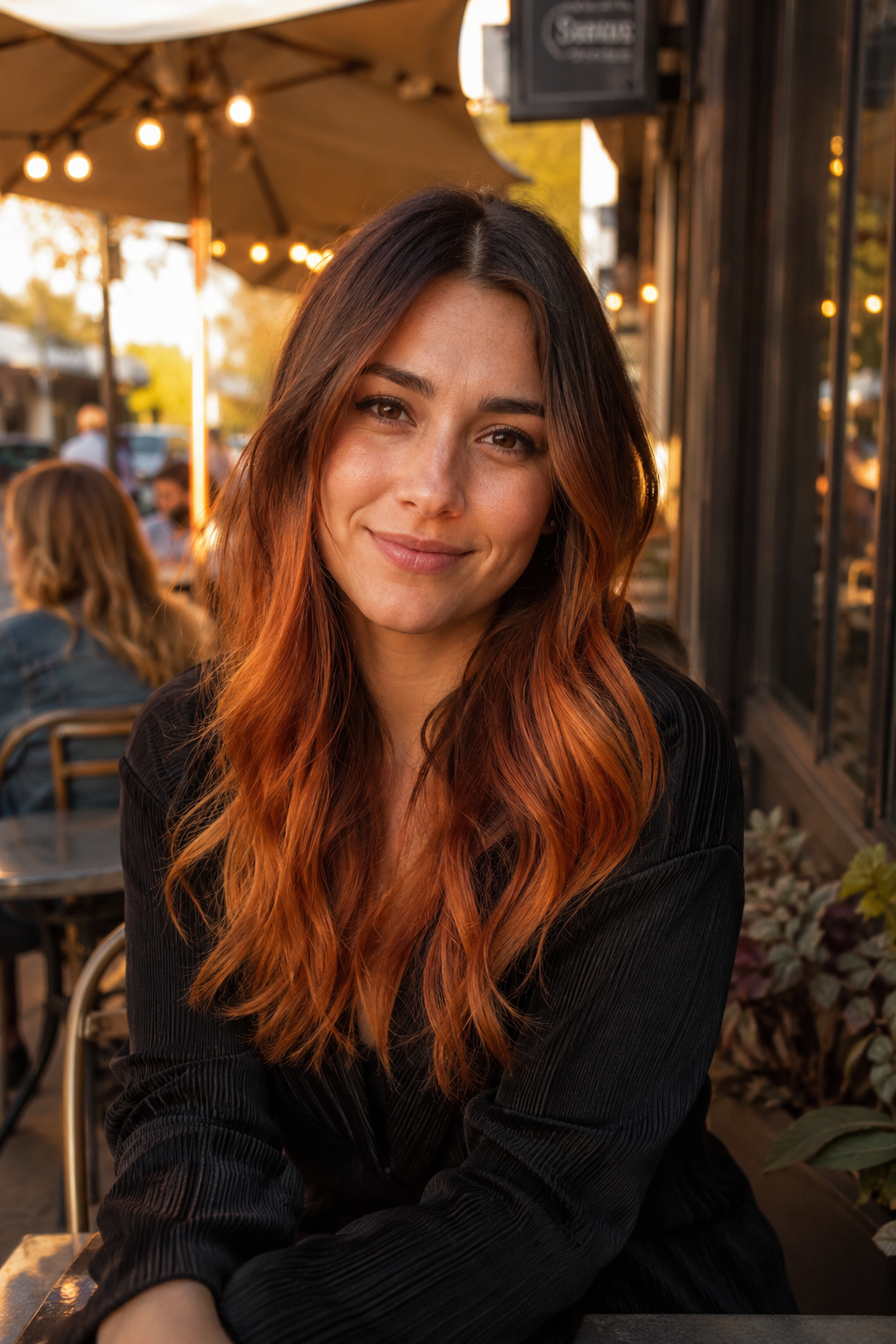
Classic ombré technique with a copper twist, where dark roots melt gradually into bright copper ends. Copper ombré flatters anyone wanting a low-maintenance grow-out, since the dark roots are part of the design rather than something to hide. Position the brightest copper around the chin or collarbone for the most flattering effect. A weekly color-depositing mask will keep the ends from dulling between salon visits.
Burnt Copper

Smoky, slightly muted, and sophisticated. Burnt copper has just a touch of ash mixed into the warm base, which tones down the brightness without losing the red-orange identity. This shade is a great choice for anyone whose skin is on the cooler side but who still wants to play with warm tones. Burnt copper also tends to read more polished and editorial than its brighter siblings, making it a strong pick for professional settings.
Copper Highlights on Red
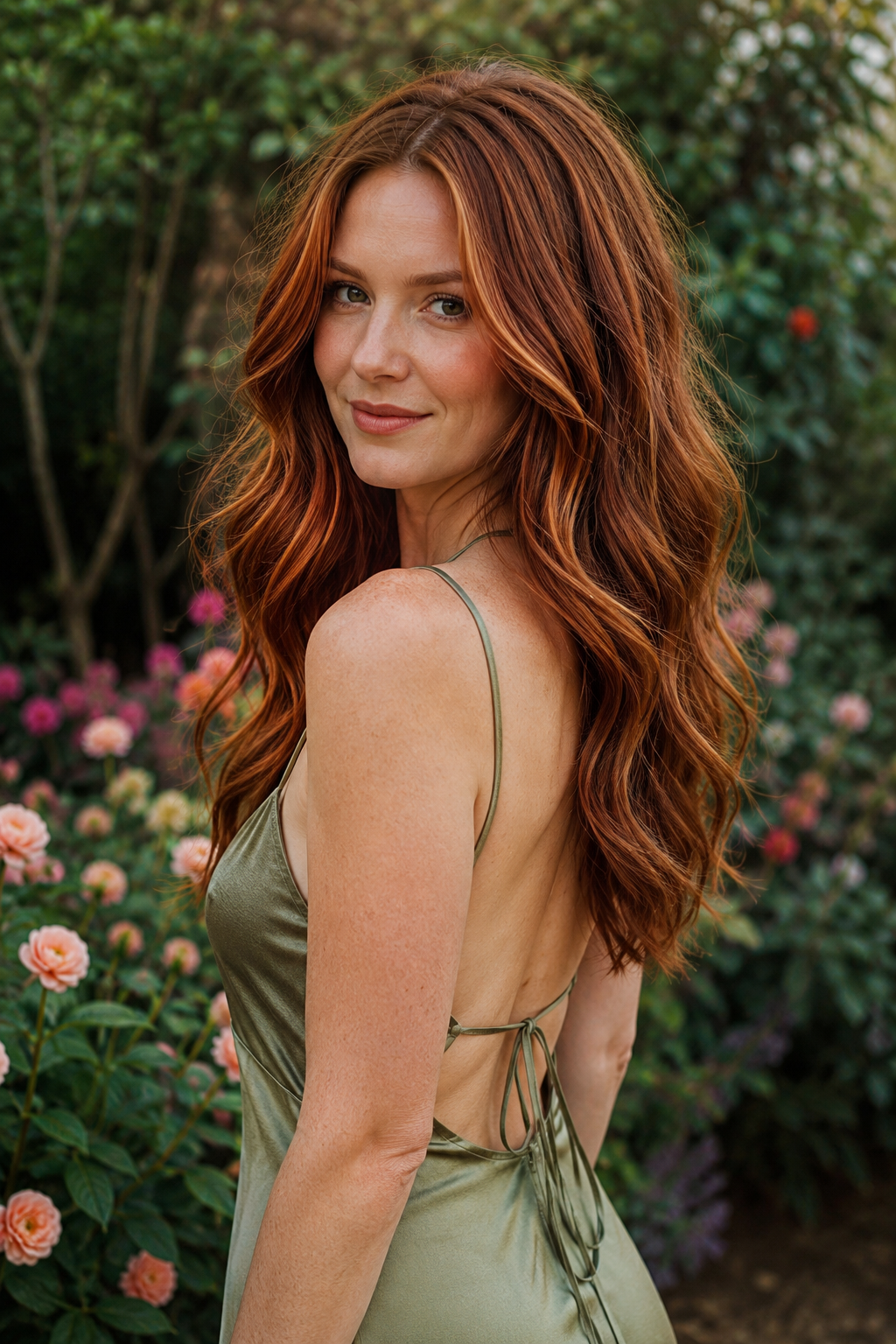
Layering brighter copper over an existing red base creates dimension that flat single-process color simply can't deliver. Copper highlights on red are placed strategically, brighter around the face and along the parting, deeper underneath. The effect is sun-kissed even in winter. Existing redheads, both natural and color-treated, benefit most from this technique because the base provides the perfect canvas for the brighter ribbons to pop.
Champagne Copper

A blonde-leaning variant where copper meets champagne for a soft, expensive-looking finish. Champagne copper sits between light copper and dark strawberry blonde, with neither tone fully dominating. This is the shade celebrities and editorial models tend to wear because it photographs as warm without ever going orange. Maintenance involves regular toning to keep the champagne layer from yellowing or the copper from overpowering.
Copper Peekaboo
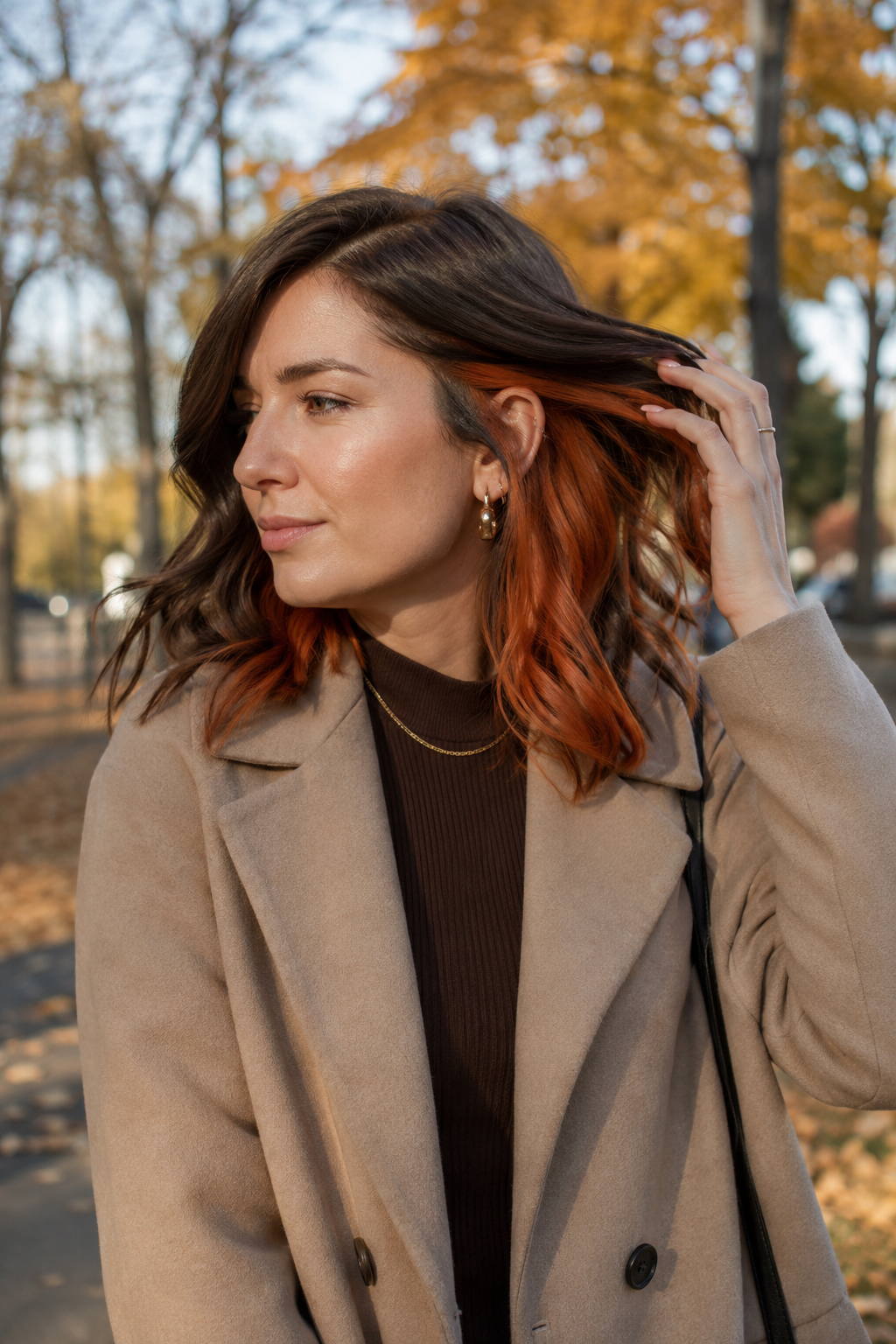
Hidden copper panels placed underneath the top layer of hair create a surprise that only shows when your hair moves. Copper peekaboo is ideal for anyone in a workplace that doesn't love bold color, since the surface stays your natural shade. Updos and ponytails reveal the brightness. Ask your colorist to place the panels where you naturally part or pull your hair back, depending on how subtle or visible you want the effect.
Dark Copper

Deeper, richer, and almost mahogany at first glance. Dark copper is the answer for anyone who loves warm tones but doesn't want to commit to the brightness of penny or molten shades. It works beautifully on naturally dark hair because less lifting is required, which means less damage. Dark copper also fades more gracefully than lighter coppers, settling into a warm chestnut rather than going brassy or flat.
Copper Babylights

The finest, most delicate version of highlights, designed to mimic the natural sun-lightening pattern you'd get as a child. Copper babylights create a soft glow that looks almost airbrushed when done well. The placement is everywhere but subtle, with hundreds of thin ribbons woven through the base. This technique is labor-intensive and pricey, but the grow-out is essentially invisible, which makes it cost-effective long-term.
Ginger Copper

The classic redhead shade, straight out of every storybook illustration of a freckled heroine. Ginger copper is warm, vivid, and unapologetically orange-leaning in the best possible way. It looks especially striking against pale skin and green or blue eyes. If your natural hair is medium to dark brown, your colorist will need to lift before depositing the ginger, so plan for a longer appointment and consistent toning to keep the shade true.
Copper Caramel Blend

Two of the warmest colors in the spectrum, blended through balayage placement for maximum dimension. Copper caramel blend is forgiving, low-maintenance, and flatters almost every skin tone because the two pigments together create a balanced warmth that's neither too red nor too gold. The grow-out is seamless, and the color reads as expensive because no single tone dominates. Ideal for first-time copper clients.
Mahogany Copper

A wine-tinged copper with deep burgundy undertones, perfect for fall and winter wardrobes. Mahogany copper has more depth than traditional copper and a slight purple-red shimmer in low light that catches attention without being loud. This shade complements warm autumn palettes and looks especially beautiful on medium to deep skin tones. Pair with a glossing treatment every six weeks to maintain the multi-tonal richness.
Bronze Copper
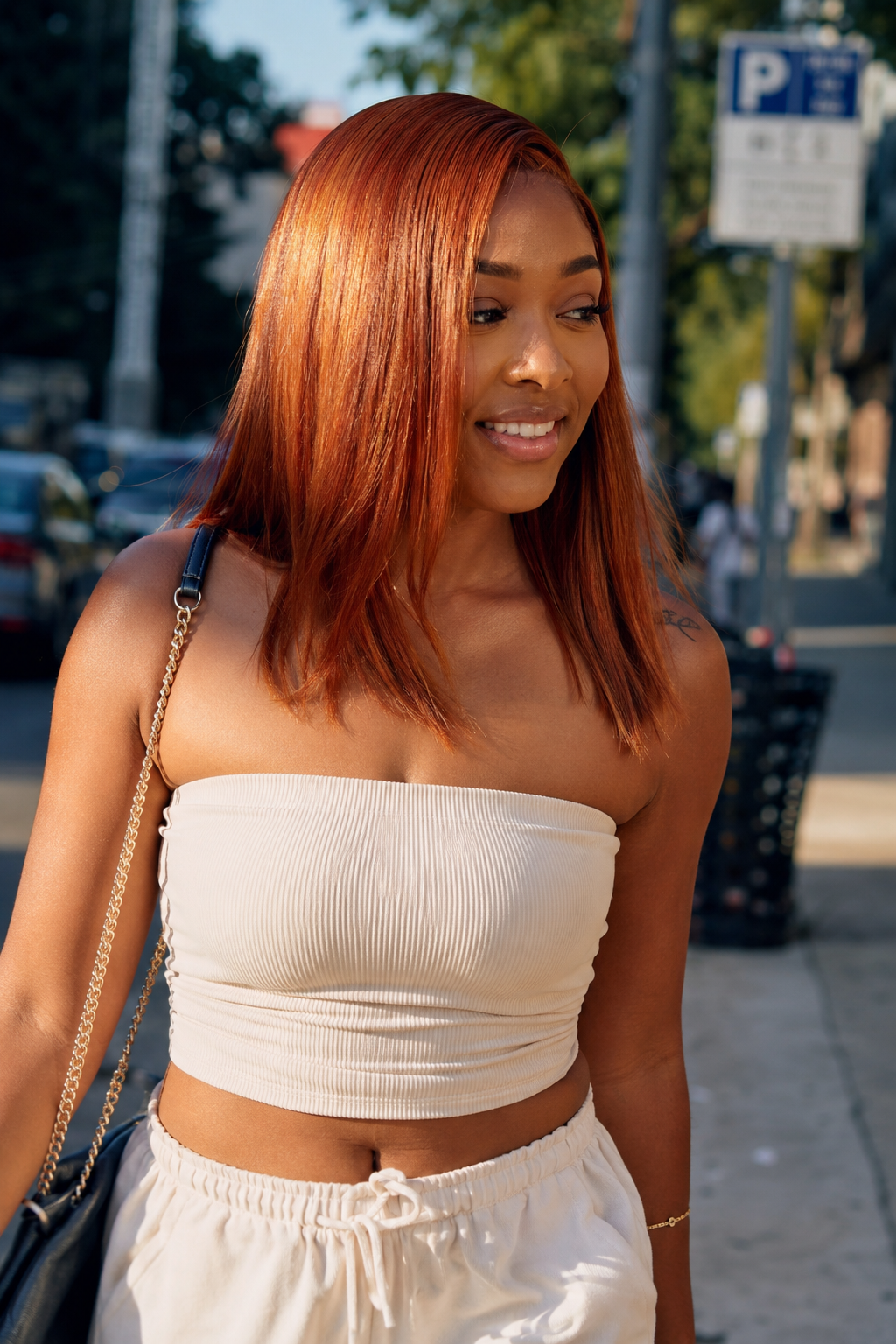
Where copper meets bronze, you get a metallic, almost iridescent finish that looks like it shifts between gold, red, and brown depending on the light. Bronze copper is achieved by glazing a gold-toned gloss over a copper base. The result is dimensional in a way single-tone color can't match. This shade flatters warm and neutral skin tones and has the added benefit of camouflaging fading by transitioning into softer tones.
Pumpkin Spice Copper

Yes, it's a name. Pumpkin spice copper is a warm, gourd-inspired shade that mixes orange, cinnamon, and a touch of golden brown. Despite the seasonal name, it works year-round on warm skin tones and has the dimension you'd expect from a balayage-style application. Stylists often pair it with subtle caramel ribbons through the ends for extra depth. It's especially flattering on hazel and brown eyes.
Copper Root Smudge

A technique where a slightly darker copper shadow is painted at the roots to soften the grow-out of an all-over copper color. Copper root smudge extends the time between salon visits significantly, sometimes from six weeks to twelve or more. The effect is intentional and modern, not lazy. Ask for the smudge to be one to two shades deeper than your overall color for the most natural-looking transition.
Vivid Copper

The brightest, most saturated version possible. Vivid copper is the shade you see on fashion week runways and in beauty editorials, the one that looks almost unreal in its intensity. Achieving vivid copper requires healthy hair, professional-grade pigment, and serious commitment to color maintenance. Expect to invest in color-safe products, regular gloss treatments, and quick rinses with cool water rather than hot. The payoff is a color that genuinely stops people in their tracks.
Copper Tortoiseshell
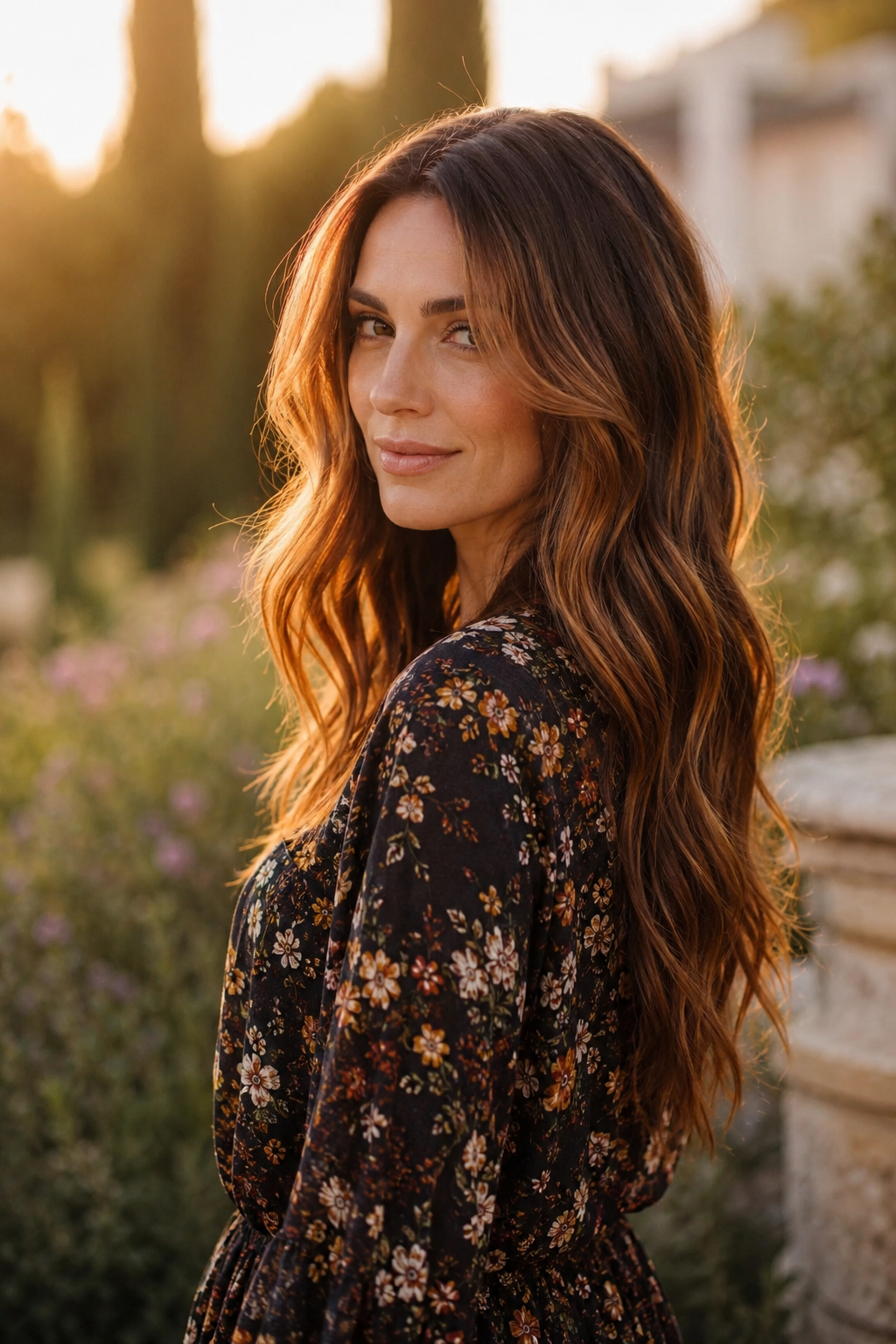
The newest evolution of tortoiseshell hair, where copper, caramel, brunette, and warm gold are woven together to mimic actual tortoiseshell patterning. Copper tortoiseshell is dimensional, expensive-looking, and flatters virtually every skin tone because the multi-tonal blend means at least one of the colors will harmonize with your complexion. The technique requires a skilled colorist who understands hair painting, so research portfolios before booking.