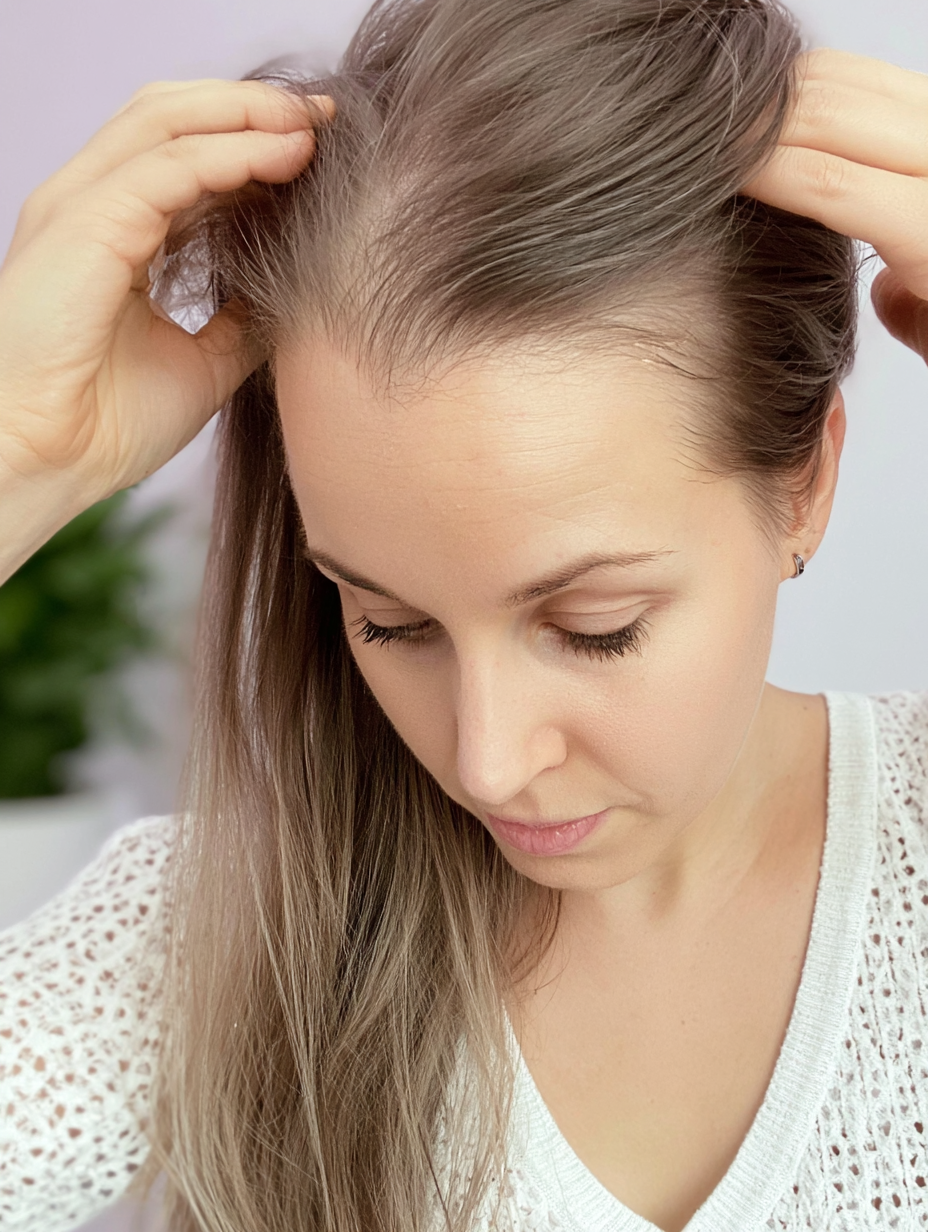
Walk into any hair salon, and you will hear a common claim. "Braids will make your hair grow long and fast." It sounds convincing, right? But that's not how it works in real life.
Let's set the record straight today.
Many people believe braids make hair grow faster. That idea is mostly a myth. Braids do not speed up growth from your scalp. Your genetics and diet control that rate. But braids offer real benefits for hair length.
Think of braids as a protective shield. They guard your hair against daily damage. This protection helps you keep the length you grow. So your hair looks like it is growing faster.
How Braids Protect Your Hair
Braids reduce breakage significantly. Natural curls and coils are beautiful but fragile. They can tangle and snap easily during daily routines. Braiding keeps those strands tucked away safely. Less friction against pillows or clothes means less breakage.
You also avoid daily heat styling with braids. No more constant brushing, combing, or blow-drying. Less handling equals less stress on your hair. This simple math leads to healthier strands over time.
Braids lock in moisture very well. They help retain your scalp's natural oils. This prevents your hair from becoming dry and brittle. Hydrated hair is strong hair that resists breaking.
The Right Way to Braid
Not all braiding methods help your hair. Bad braiding habits can cause major damage. Tiny braids often lead to breakage and hair loss. Very tight braids pull on your scalp forcefully. This tension can cause a condition called traction alopecia.
You must treat braided hair just as well. Wash and deep condition your hair every 7-10 days. Spritz your braids with water twice daily. This keeps your hair from drying out completely.
Give your hair a break between braid styles. Two weeks is a decent amount of rest time. This lets you assess your hair's true condition. Jumping from braids to braids invites trouble.
Choosing the Best Braid Style
Some braid styles offer better protection than others. Box braids safeguard your hair ends effectively. They also help reduce those annoying split ends. Cornrows stay close to the scalp for max protection. Two-strand twists are gentler than many other styles.
Avoid using heavy extensions on small hair sections. The pulling impact can lead to serious breakage. Consider braiding without extensions when possible. Cornrows or single plaits using only your own hair work great.
Check out our article on types of braids.
How Long to Keep Braids
Keeping braids too long causes problems. Most styles should stay in for 3-6 weeks. Box braids can last 4-6 weeks comfortably. Cornrows do best with a 3-5 week timeline. Two-strand twists work well for 3-6 weeks.
Never leave braids for months without care. Your hair needs to breathe and recover. After removing braids, wash and condition thoroughly. Assess your ends for any damage or split ends.
See this article on How to Make Your Braids Last Longer.
Braiding at Night, Does it Help?
Braiding your hair every night can help. It prevents tangles and knots while you sleep. It also helps retain moisture in your strands. But you must braid loosely every single night.
Tight nightly braiding causes tension damage over time. That repeated pulling can lead to breakage. A loose, gentle braid is the way to go. Balance is truly the key here.
Wrapping Up
Braids do not directly make hair grow faster. But they create an environment for healthy retention. Less breakage means you keep the length you gain. This makes your hair appear longer over months.
The key is braiding correctly and with care. Avoid tight styles that pull on your scalp. Maintain moisture and cleanliness even in braids.
Give your hair rest periods between styles. Follow these rules, and braids become a true ally. They help you win the battle against breakage and damage.