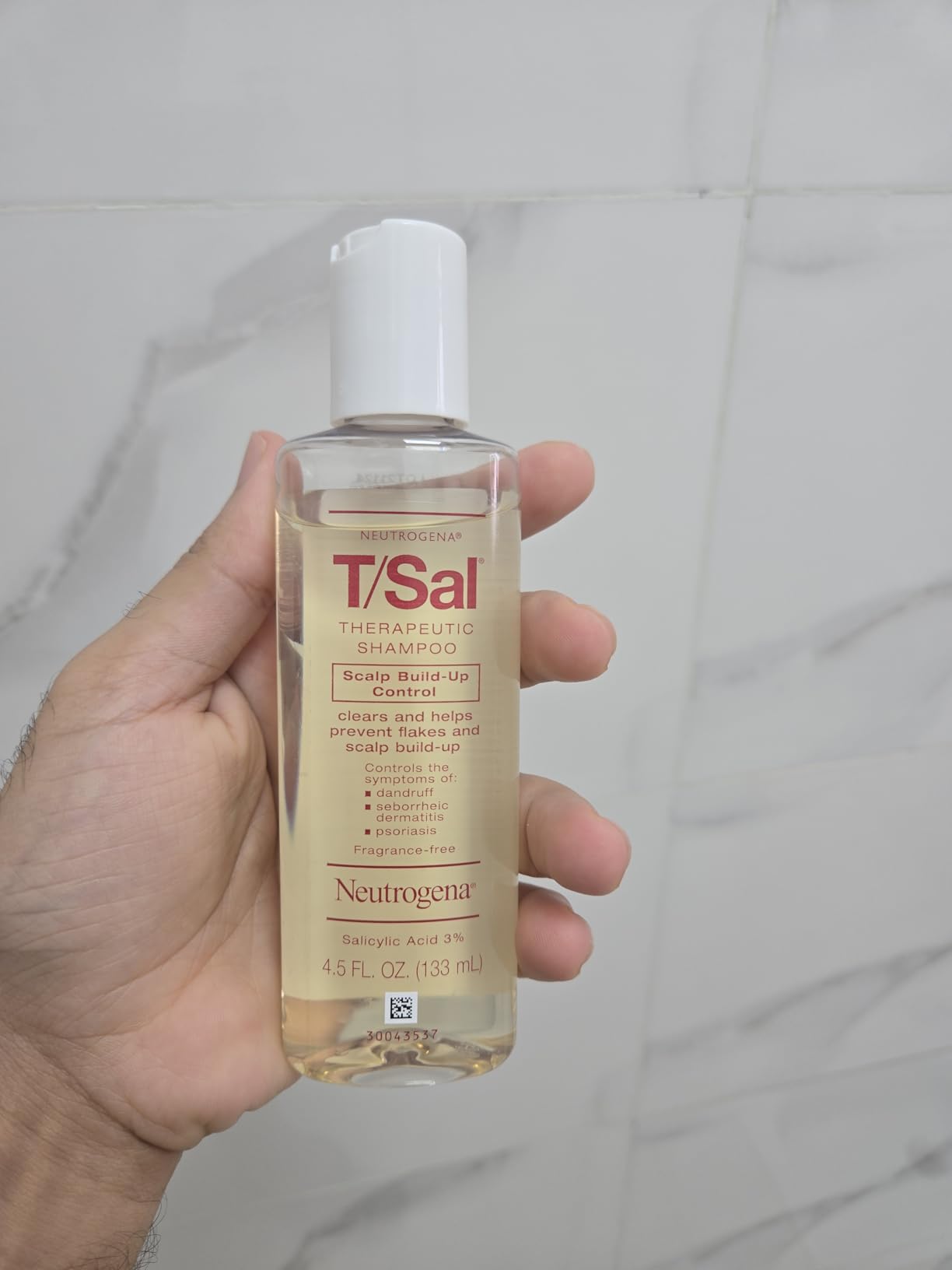
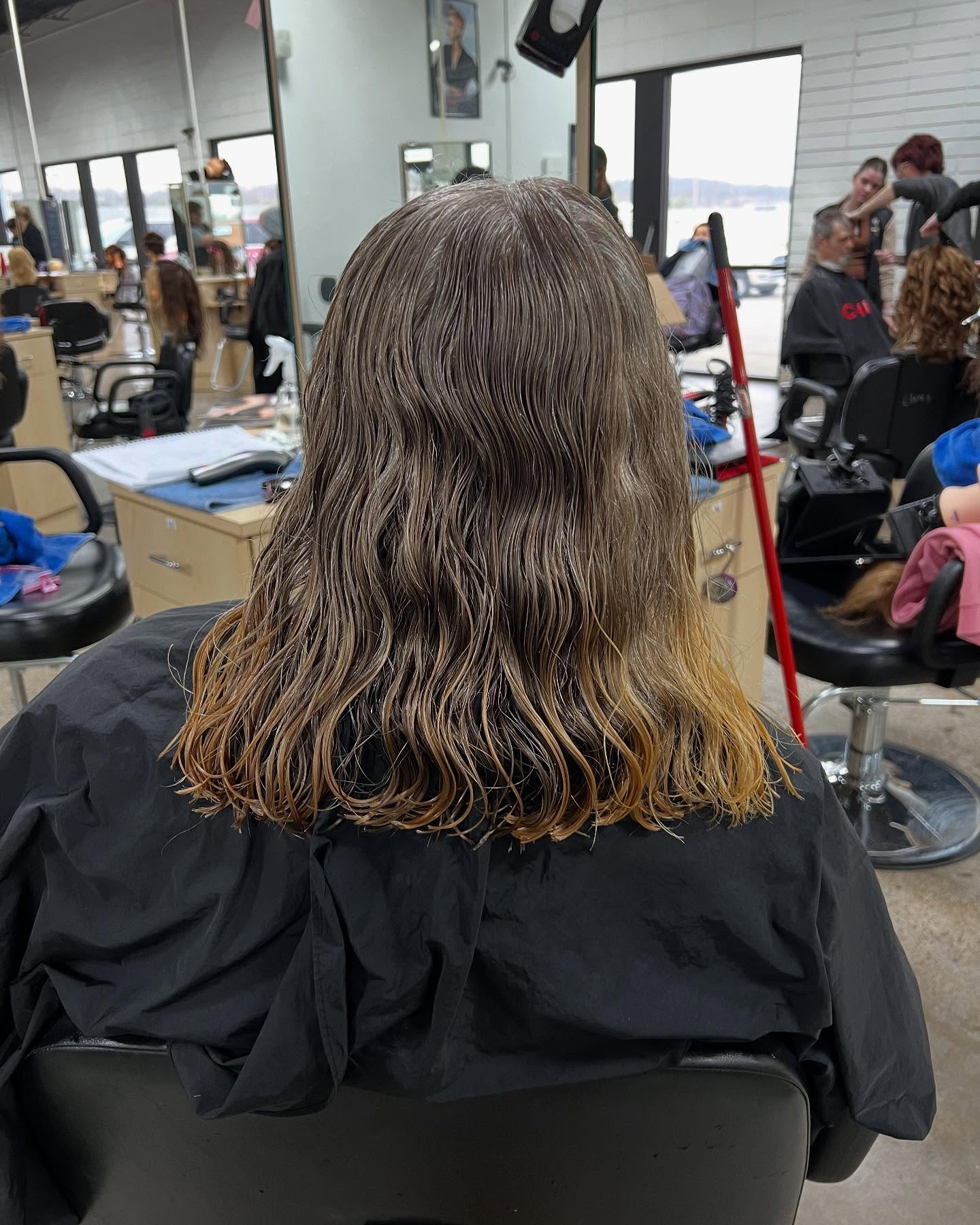
Hair products can make your hair look smooth, shiny, or defined fast. That does not mean the formula is gentle.
Some ingredients can dry out your strands, irritate your scalp, create buildup, or raise broader health concerns.
Recent guidance from EWG also warns that problem ingredients still show up in a lot of shampoos, especially under vague label terms like fragrance.
If you want healthier hair, read the ingredient list before you buy. You do not need to fear every chemical name. But it helps to know which ones deserve a closer look.
Here are 10 ingredients worth avoiding, or at least limiting, in hair products.
1. Sulfates
Sulfates are strong cleansing agents that create a rich lather. You will usually see names like sodium lauryl sulfate or sodium laureth sulfate.
They can strip away oil so well that they also leave hair dry, rough, and harder to manage. That matters even more if your hair is curly, color treated, damaged, or already dry.
A strong cleanser is not always bad. Some people like sulfates for heavy buildup. But regular use can leave the scalp tight and the hair brittle. If your hair feels squeaky clean after washing, that may be the problem.
Check out our article on reasons to use sulphate-free shampoo.
2. Undisclosed Fragrance
Fragrance sounds harmless, but the label often hides a mix of many chemicals.
EWG says undisclosed fragrance is the most common problematic ingredient in shampoo in its Skin Deep database. That makes it one of the biggest label terms to watch.
Fragrance can irritate sensitive skin and scalp. It can also hide other concerning ingredients, including phthalates in some formulas. If your scalp gets itchy for no clear reason, fragrance is a smart place to start.
3. Phthalates
Phthalates help fragrances last longer and can show up in other personal care products too.
The problem is that you may not see the word phthalates on the label if they are tucked under fragrance. That makes them very easy to miss.
Several sources flag phthalates because of concerns about hormone disruption and long term health effects. Even if you are mostly focused on hair quality, avoiding them can help you cut back on unnecessary exposure.
4. Parabens
Parabens are preservatives that help products last longer on the shelf.
You may spot them as methylparaben, propylparaben, butylparaben, or similar names. They are common because they work well and cost little.
The concern is not usually instant hair damage. It is the broader debate around hormone disruption and repeated exposure.
If you want to simplify your routine, paraben free products are now much easier to find than they were a few years ago.
5. Formaldehyde and Formaldehyde Releasers
Formaldehyde is one of the clearest ingredients to avoid, especially in hair smoothing treatments.
The FDA warns that exposure during hair smoothing can be dangerous and may lead to short and long term health effects.
Sometimes the label does not say formaldehyde outright. Instead, a product may contain preservatives that release it over time.
Consumer Notice and other sources flag both formaldehyde and formaldehyde releasing preservatives as ingredients worth avoiding in hair care.
6. Short Chain Drying Alcohols
Not every alcohol is bad in hair care. Fatty alcohols can actually soften hair.
The bigger issue is short chain alcohols, like isopropyl alcohol, which can dry out the scalp and hair fast.
These alcohols often show up in styling products because they help formulas dry quickly and feel light.
That may sound useful, but over time they can make hair feel crisp, fragile, and more likely to break.
7. Silicones
Silicones coat the hair and create a smooth, shiny feel. At first, that sounds like a good thing.
The catch is that some silicones build up over time and can weigh hair down, especially if you do not use a stronger cleanser often.
That coating can also hide what your hair actually needs. Hair may look sleek on the surface while staying dry underneath. If your strands feel limp, coated, or dull between washes, heavy silicone buildup may be part of the issue.
8. Mineral Oil and Petroleum Based Ingredients
Mineral oil and petroleum based ingredients can sit on the hair instead of truly helping it.
Some sources note that they can make hair look smoother for a while, but they may also create buildup and block moisture from getting where it needs to go.
This does not mean every product with these ingredients will ruin your hair. But if your hair feels coated, greasy, or hard to hydrate, these heavy ingredients may be making the problem worse instead of better.
9. DEA and TEA Compounds
DEA and TEA compounds help adjust pH and stabilize formulas.
NaturAll Club lists diethanolamine and triethanolamine among ingredients to avoid in natural hair products, noting their link to irritation and allergy concerns.
These ingredients may not get as much attention as sulfates or parabens. Still, if you have a sensitive scalp, it makes sense to watch for them. Hair care works better when it does not leave your scalp angry.
10. Benzene Contamination Risk
Benzene is not a routine ingredient you should expect on a shampoo label.
It matters because contamination has turned up in some personal care products, including certain spray products in broader beauty categories. Benzene is a known carcinogen, which is why it gets serious attention when found.
This is less about memorizing another label name and more about being careful with recalls and safety alerts.
For aerosol or dry shampoo products, it is worth checking whether the brand has had contamination issues before.
Wrapping Up
You do not need to throw out every product in your bathroom today.
Start by checking the labels on the products you use most often. Then swap out the ones that leave your hair dry, coated, irritated, or hard to manage.
The goal is not perfection. The goal is fewer problem ingredients and better results over time. That is usually enough to make your hair routine feel a lot smarter.