You want that effortless, sun-kissed glow. Everyone does. Balayage delivers exactly that without the harsh lines of traditional highlights.
But here’s where people get stuck: partial or full? Walk into any salon, and you’ll hear those two terms thrown around. They sound similar. They are not the same.
This guide breaks down every difference that actually matters for your decision. Read this before you book that appointment.
What Is Partial Balayage?
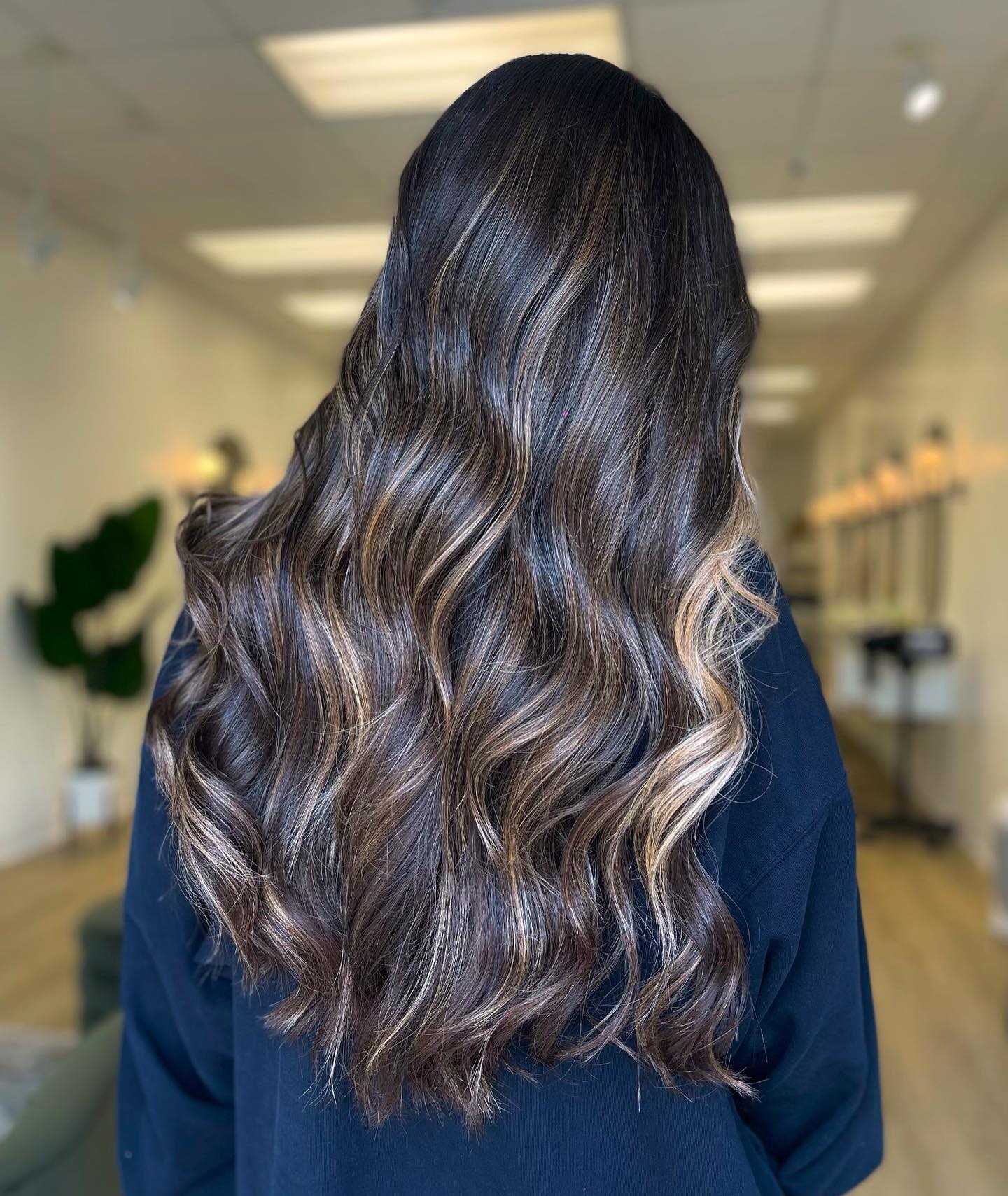
Your stylist paints color only on specific sections of your hair.
Think top layers and face-framing pieces. This approach creates a subtle, natural-looking brightness.
It enhances what you already have rather than transforming everything.
Partial balayage takes less time in the salon. That’s a quick lunch break, not an entire afternoon.
What Is Full Balayage?
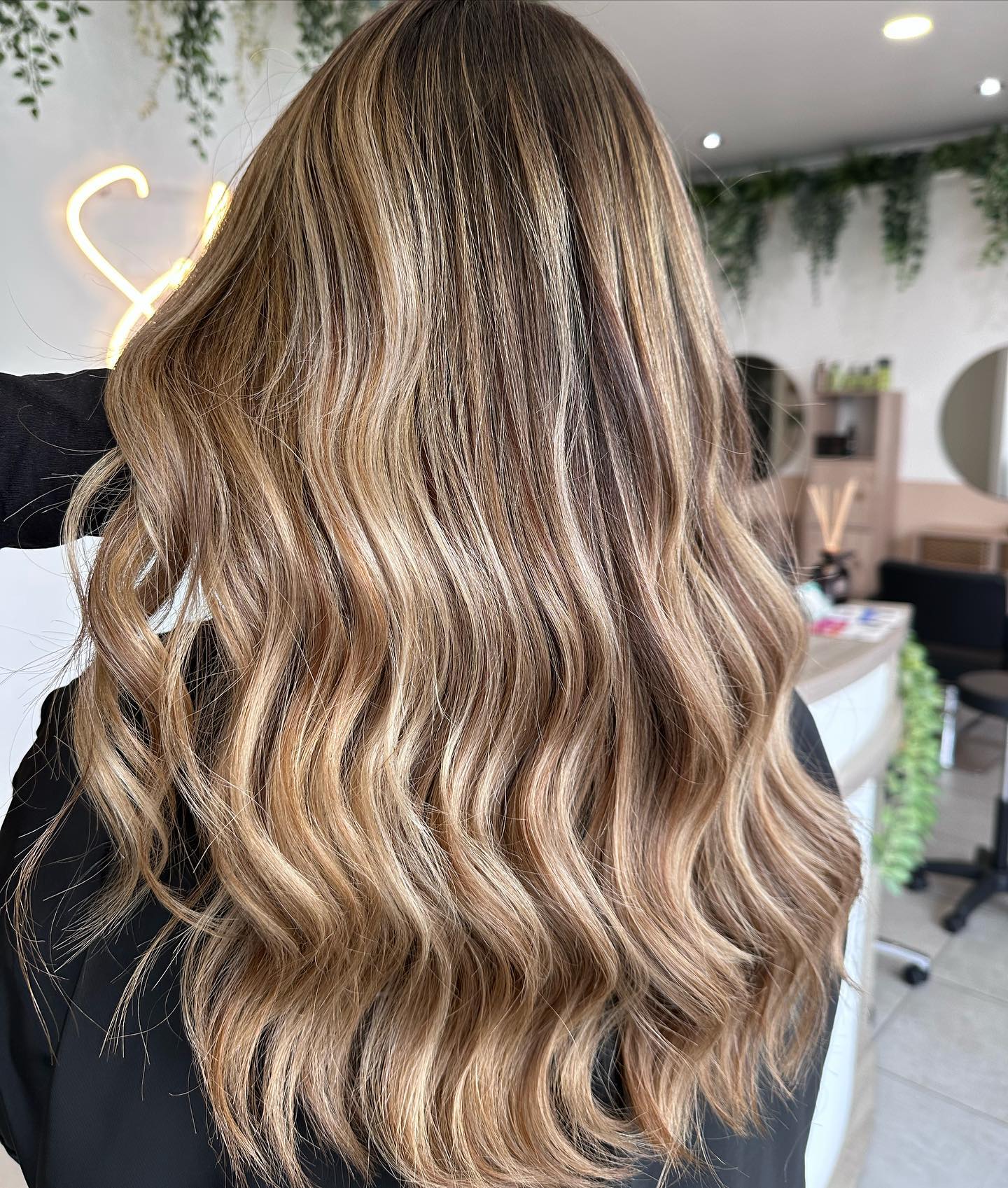
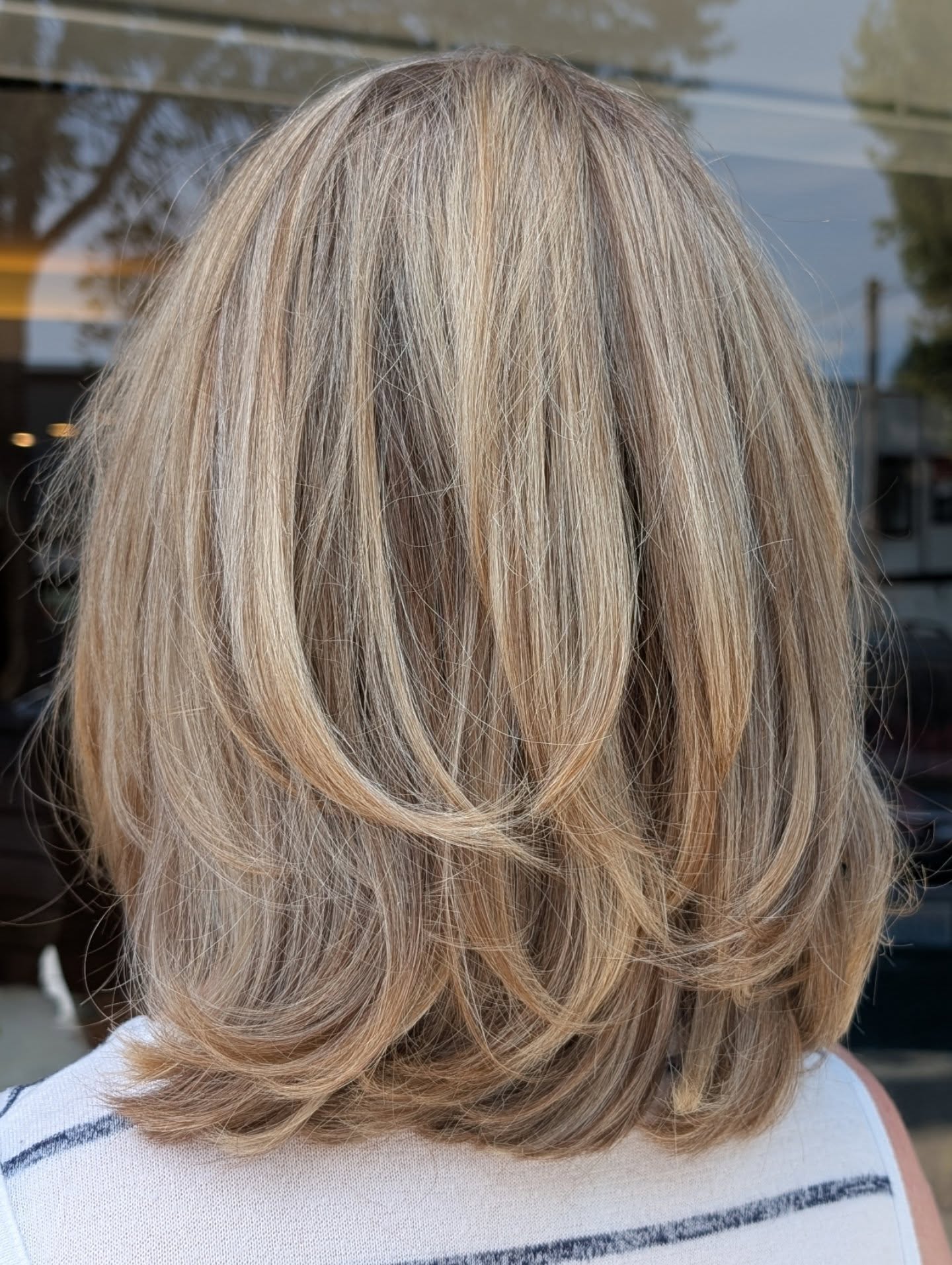
Full balayage covers your entire head from top to bottom.
Your colorist paints lighter strands throughout every section. The result is a dramatic, all-over brighter appearance.
This technique works especially well for darker hair if you want noticeable contrast.
Lastly, full balayage takes more time. Plan for a longer appointment.
Partial vs. Full Balayage
1. Brightness and Contrast
Partial balayage keeps your natural color dominant. The lighter pieces act like accents, not the main event. Your hair still looks mostly like your hair. Just better.
Full balayage shifts your overall appearance lighter. The contrast between light and dark softens because everything lifts together. You end up with a more uniform, sunnier look from root to tip.
Think of it this way. Partial is like adding a few streaks of sunlight through your windows. Full is like opening all the blinds.
2. Maintenance and Longevity
Here’s the good news. Both styles grow out gracefully. That’s the whole point of balayage. No harsh regrowth lines appear. But the timelines differ significantly.
Partial balayage needs touch-ups every four to six months. Some people push it to eight months. The color sits mostly on top layers and face-framing sections.
When your roots grow in, nobody notices. The contrast between lightened and natural hair stays minimal. You can literally forget about your hair for half a year and still look fine.
Full balayage needs touch-ups every three to four months. The lighter your full balayage, the more maintenance it requires.
High-contrast blonde needs toning every four to six weeks. That purple shampoo becomes your new best friend. Skip it, and you’ll see yellow and orange creeping in. Full balayage looks incredible when maintained. It looks tired when neglected.
3. Cost Differences
Partial balayage costs less. Sometimes much less. The average price ranges from $100 to $220.
Your exact cost depends on your location, stylist experience, and hair length. Short hair costs the least. Long hair costs more because placement takes extra time.
Full balayage costs more. Expect to pay between $150 and $450. The national average sits around $193. Long, thick, or dark hair pushes that number higher. Some high-end salons in major cities charge $500 or more.
Partial saves you 15 to 20 percent compared to full. That’s real money. Put it toward good shampoo instead.
4. Damage and Hair Health
Let’s be real. Bleach damages hair. That’s just chemistry. The lightener opens your hair cuticle and removes natural pigment.
Partial balayage lightens fewer sections. Less surface area means less overall damage.
Full balayage lightens your entire head. More bleach equals more potential breakage.
But here’s what salons won’t always tell you. A skilled stylist using bond builders changes the game. Your hair comes out stronger than traditional bleach would allow. Ask your stylist if they use bond-building products. If they say no, think twice.
Your at-home routine matters just as much. Use a bonding shampoo and conditioner. Apply a leave-in repair treatment weekly. Skip the hot tools when you can. Heat accelerates damage and fades color. Air dry when possible.
5. Visibility and Styling
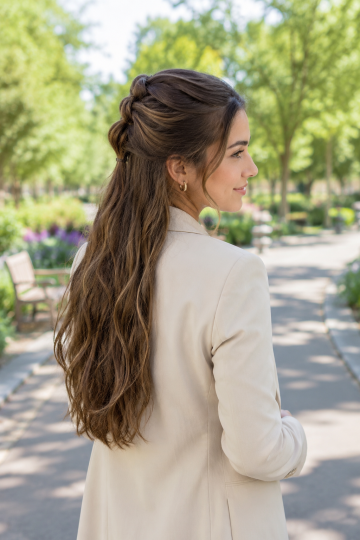
Partial balayage lives mostly on your top layer and around your face. The underneath sections stay natural. If you wear your hair down most days, you’ll see the brightness just fine.
But if you love updos, braids, or ponytails, partial balayage hides. Those natural underneath pieces become front and center when you pull your hair up.
Full balayage shows from every angle. Down, up, braided, twisted, or bunned. Your color looks intentional and complete no matter how you style it.
That matters more than people think. Nothing feels worse than spending money on color that disappears the second you throw your hair in a ponytail.
6. Natural Hair Color Matters
Your starting shade influences everything. Dark brown or black hair needs full balayage to see noticeable results.
Partial just won’t give enough contrast. The lightener has to lift through many levels of pigment. That requires saturation across your whole head.
Medium brown hair can go either way. Partial gives you subtle, warm accents. Full gives you a true transformation. Look at photos of people with your same base color. See what speaks to you.
Light brown to dark blonde hair works beautifully with partial balayage. Your natural color is already light. You don’t need full coverage to see brightness. A few well-placed pieces do the job.
Blonde hair confuses people. You can get partial balayage to add dimension and break up solid color. Or you can get full balayage to shift your overall tone. Talk to your stylist about your specific goals.
7. Your Lifestyle Matters More Than You Think
Be honest with yourself.
Do you book hair appointments on time? Or do you cancel and reschedule for six months? Do you own purple shampoo? Or do you use whatever bottle is in the shower? Do you deep condition weekly? Or does that mask sit in your cabinet collecting dust?
If you’re low-effort, choose partial balayage. It forgives neglect. The grow-out looks intentional. The brassiness stays minimal. You can ignore it for months and still look fine.
If you’re high-effort, choose full balayage. But commit to the upkeep. Book your next appointment before you leave the salon. Set calendar reminders for toner visits. Stock up on purple shampoo and bonding treatments.
Partial vs Full Balayage, Which to Choose?
Choosing between partial and full balayage comes down to how bold you want your change to feel, and how much time and upkeep you’re comfortable with. Both techniques create dimension and movement, but they serve very different lifestyles and expectations.
Partial balayage works best if you want a soft, natural update. It enhances your existing color without overwhelming it.
This is a great starting point if it’s your first time coloring your hair or if you prefer something low commitment. It’s also a smart option for fine or thin hair, since it uses less lightener and reduces the risk of damage.
If you usually wear your hair down and don’t want frequent salon visits, partial balayage keeps things easy and forgiving.
Full balayage is for when you’re ready for a noticeable transformation.
It brightens your entire head and creates stronger contrast, especially on darker hair. If you like that sunlit, beachy blonde look or want your color to stand out in braids and updos, this option delivers.
It does require more upkeep, both in time and cost, so it suits someone who doesn’t mind regular appointments and maintenance.
To make the decision clearer, ask yourself a few honest questions:
- How bright do you want to go? Subtle points to partial, dramatic points to full.
- What’s your yearly hair budget? Lower budgets lean partial, higher budgets can support full.
- How often do you visit the salon? Infrequent visits suit partial, regular visits suit full.
- What’s your natural color? Darker hair often benefits more from full for visible contrast.
- Do you wear your hair up often? If yes, full balayage ensures color shows from every angle.
In the end, neither option is better, it just depends on your lifestyle, your hair goals, and how much change you’re ready to see in the mirror.
Wrapping Up
Partial balayage gives you natural, low-maintenance brightness at a lower cost.
Full balayage delivers dramatic, all-over transformation with higher upkeep.
Neither is better. They’re just different. Pick the one that fits your lifestyle, budget, and goals. Then book that appointment. Your sun-kissed hair is waiting.