Balayage. Highlights. You hear both everywhere. Social feeds show stunning hair transformations, but the difference stays unclear. It is easy to sit in the salon, nod, and hope for the best.
That confusion can cost you. A wrong choice leads to expensive fixes and months of waiting. You deserve clarity before committing.
Balayage and highlights use different techniques, create different looks, and need different upkeep. One may suit your routine perfectly, while the other may not.
This guide breaks it all down. You will learn how each works, what they cost, and which one fits your lifestyle.
What Is Balayage?
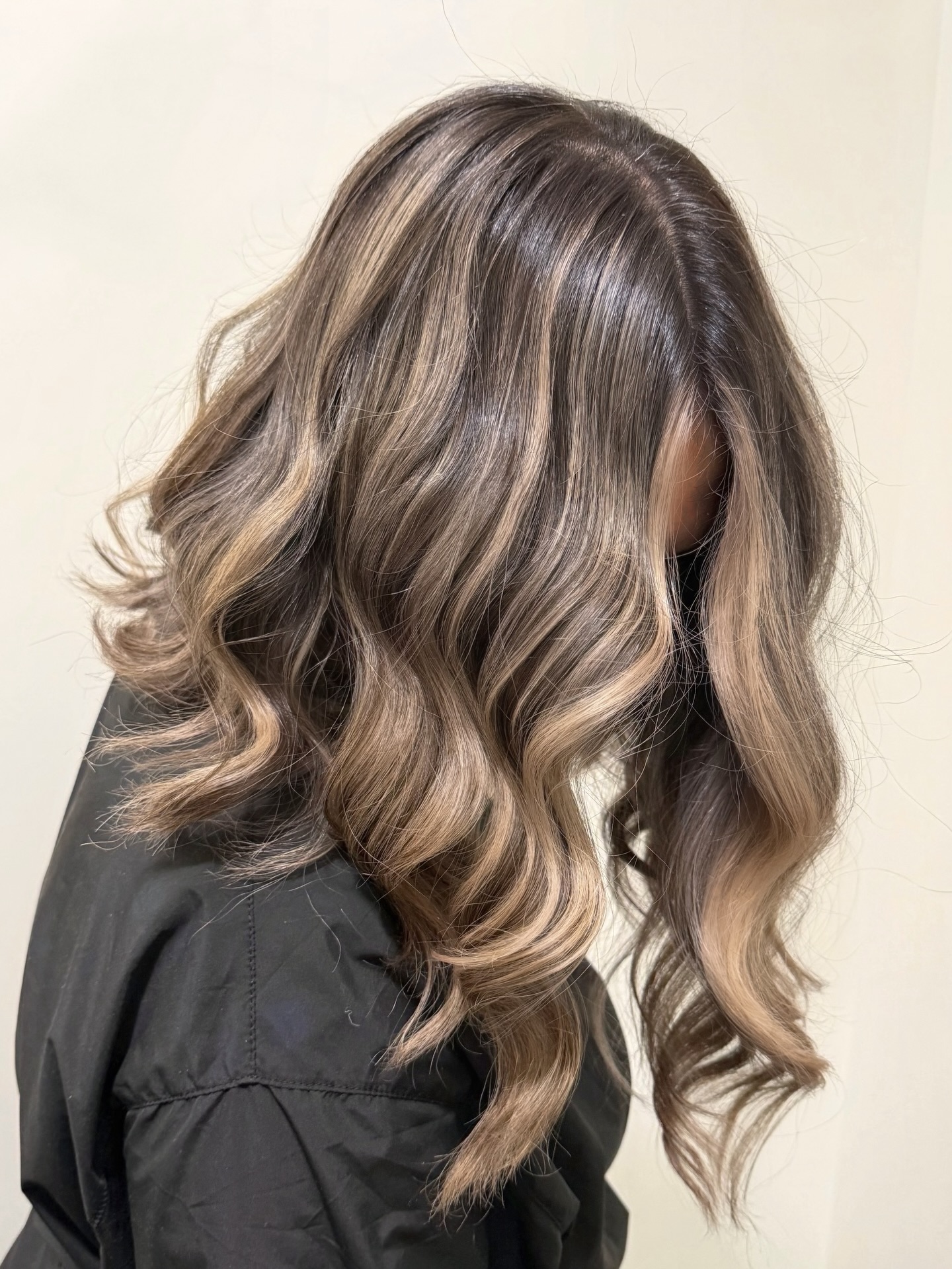
Balayage comes from the French word meaning "to sweep." Colorists paint the dye directly onto your hair. They use a freehand technique without any foils.
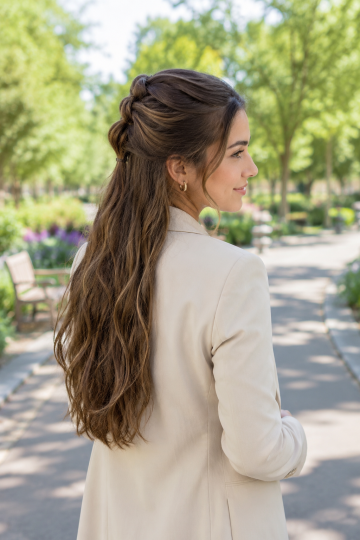
The result creates a natural, sun-kissed look. Color gets heavier toward your ends. Your roots stay darker and more natural.
Think about kids playing outside all summer. Their hair lightens gradually from sun exposure. Balayage mimics that exact effect. The transition from dark to light looks soft and seamless. No harsh lines appear as your hair grows.
Check out our article on Partial Balayage vs. Full Balayage
What Are Traditional Highlights?
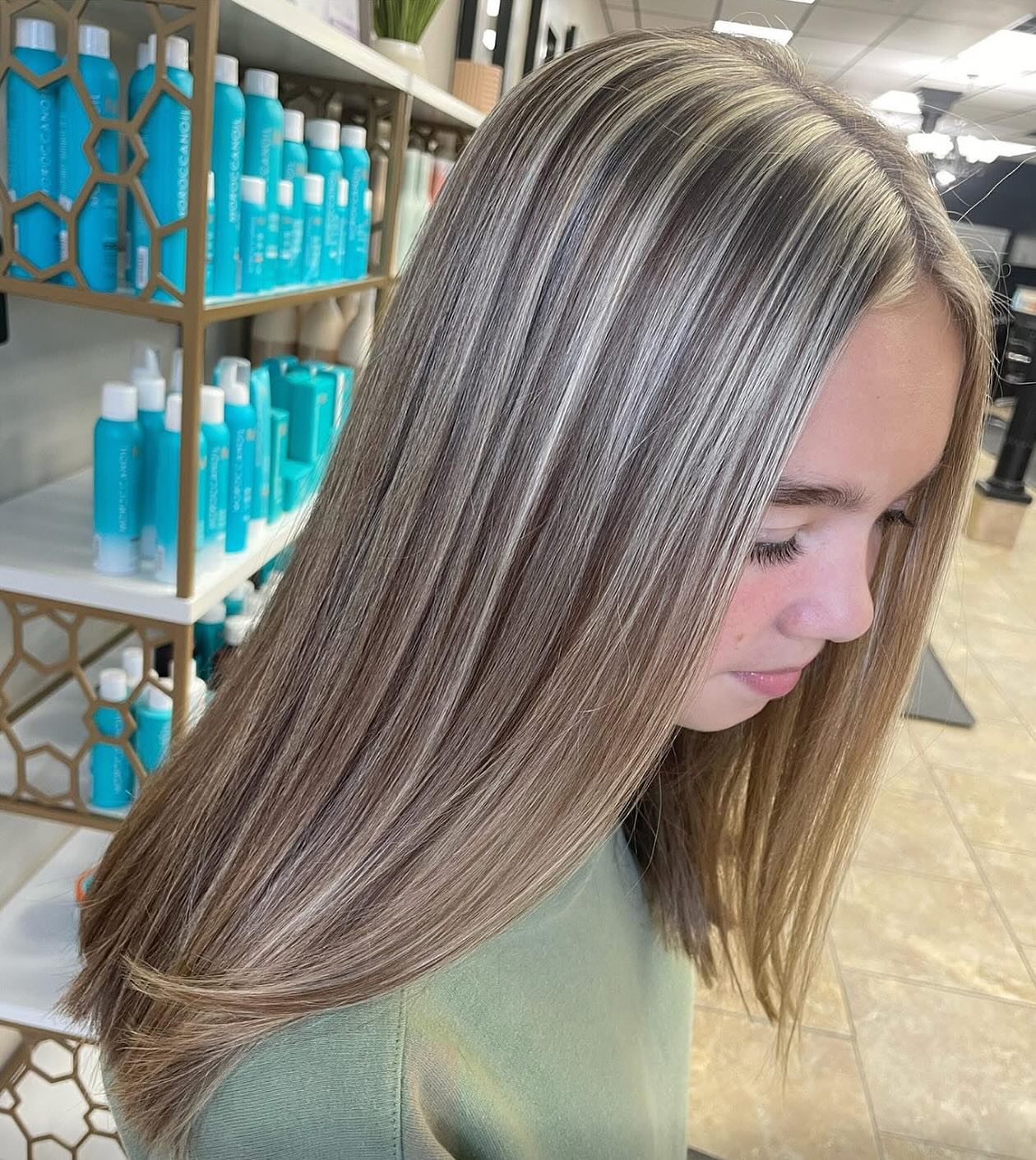
Highlights use a completely different application method. Your colorist separates small sections of hair.
They place these sections into foils or a cap. Each foil gets treated with a lightening agent. The color runs evenly from root to tip.
This technique creates structured, noticeable lightness. You see distinct lighter pieces throughout your hair. The contrast between your base color and highlights is clear.
Think of early 2000s celebrity hair for a bold example. Modern highlights can look much more subtle though.
Check out our article on Partial vs. Full Highlights.
Key Differences Between Balayage and Highlights
1. Application Technique
Balayage uses an open-air, hand-painted method. Your colorist sweeps color onto the hair's surface. They never use foils or caps during this process. The painterly approach allows for lots of creativity.
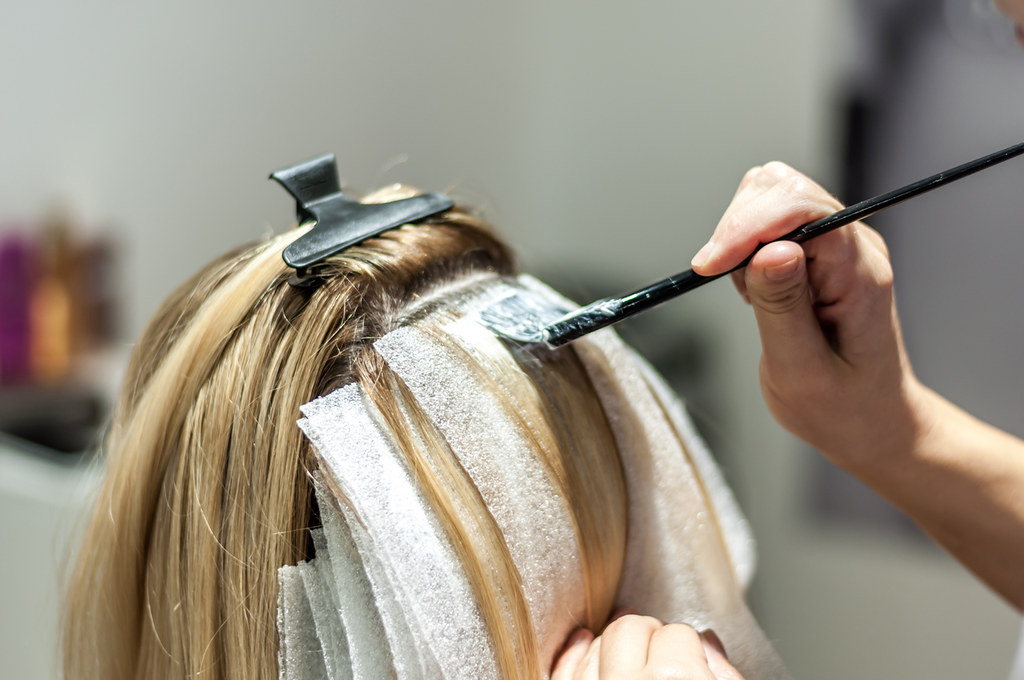
Highlights rely on foils to isolate small hair sections. Your colorist places each section onto a foil sheet. Then they apply lightener before folding the foil closed.
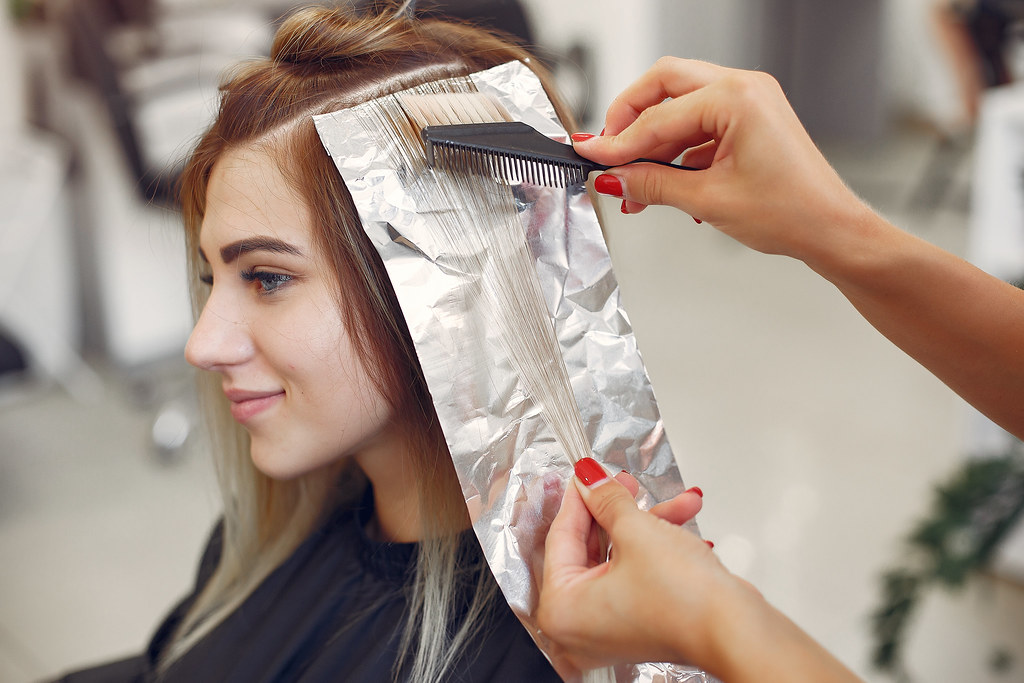
The foil traps heat, which accelerates the lightening process. This structured method creates predictable, repeatable results.
2. Final Look and Dimension
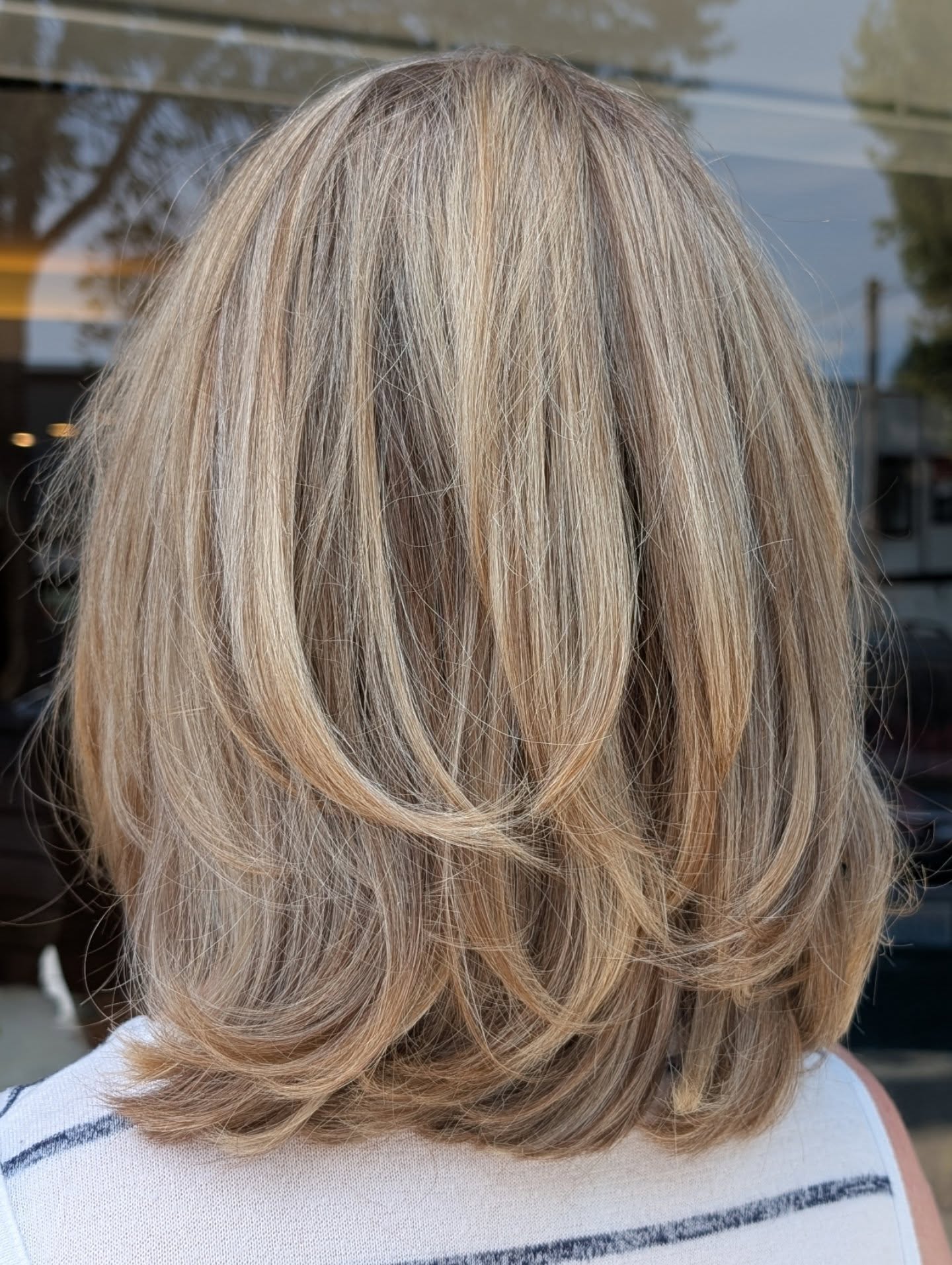
Balayage gives you a soft, blended, sun-kissed effect. The color transitions gradually from dark roots to lighter ends. Some strands catch more light than others do. This creates incredible multi-dimensional movement throughout your hair.
Highlights produce brighter, more uniform lightness across your head. You see distinct lighter pieces alternating with your base color. The contrast appears more obvious and structured. This technique brightens your entire hairstyle significantly.
3. Maintenance and Upkeep
Balayage requires very little maintenance over time. You can wait three to six months between salon visits. Some people wait even longer without issues. The dark roots blend naturally into the lighter ends. No one can tell exactly when you last colored your hair.
Highlights demand frequent salon visits to look their best. Most people need touch-ups every six to twelve weeks. Your roots will show a distinct line as your hair grows. That line looks obvious against the lightened pieces. Plan your schedule around regular appointments.
4. Cost Over Time
Balayage typically costs more upfront for the initial service. Expect to pay $200 or more for quality work. The price reflects the technical skill and time required. However, you need fewer appointments each year. The long-term cost often ends up lower than highlights.
Highlights usually range from $75 to $150 initially. This lower price tag attracts many first-time clients. But look at the full year of maintenance instead. You might need four to eight touch-up sessions annually. Those extra visits add up quickly over time.
5. Hair Health Considerations
Balayage exposes less hair to chemical lightener overall. The color sits mainly on your mid-lengths and ends. Your roots avoid chemical processing entirely. This targeted approach can be gentler for some hair types.
Highlights process more hair from root to tip each session. The foils trap body heat, which accelerates lightening. This can cause more damage if done aggressively or too often. A skilled colorist will protect your hair regardless of the method.
Who Looks Best with Balayage?
Balayage flatters almost everyone, but certain people love it most. Long hair showcases the sweeping technique beautifully. Wavy or curly textures enhance the dimensional effect.
You will adore balayage if you hate frequent salon visits. Busy professionals and parents appreciate the low maintenance. Natural-looking color seekers prefer this approach too.
Dark hair requires special consideration though. Balayage may not lift dark hair enough in one session. You might need multiple appointments to reach your goal. Foils help achieve more lift on resistant dark hair.
Who Should Choose Highlights?
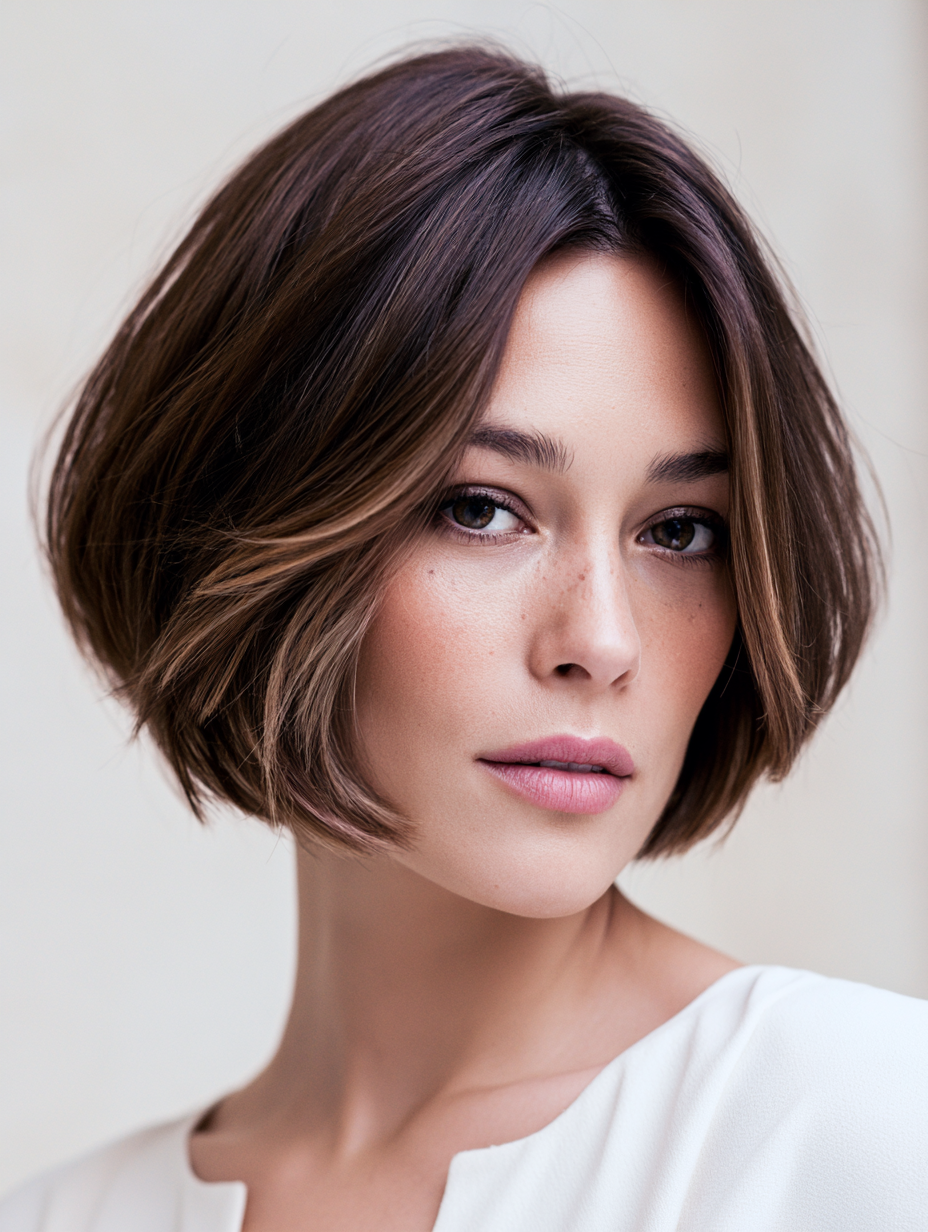
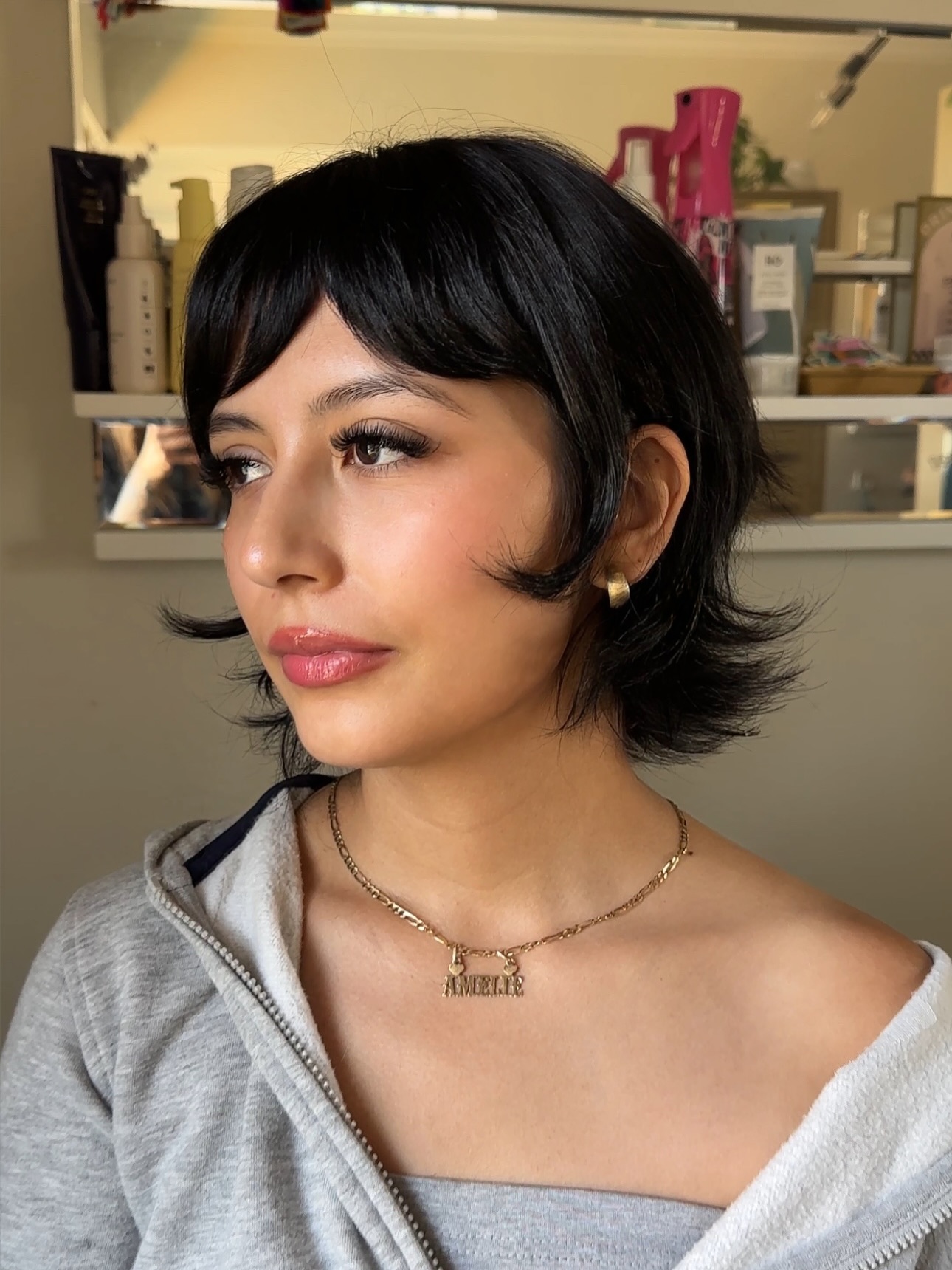
Highlights work wonderfully for specific situations. Short hair benefits from the structured application. The technique ensures even lightness throughout shorter styles.
You need full gray coverage? Choose highlights instead of balayage. Highlights lighten hair directly at the root area. Balayage starts lower and leaves roots untouched.
Dramatic, high-contrast looks require highlights too. Want to go significantly lighter overall? Foils deliver more predictable results. The structured process ensures consistent lift and tone.
Can You Combine Both Techniques?
Yes, and many salons recommend this hybrid approach. The combination gives you the best of both worlds. Colorists call this "foilyage" or "teasy lights."
Here is how the hybrid method works. Your stylist paints balayage strokes onto your hair. Then they wrap some sections in foils. The foils boost brightness and lift. The painted areas maintain that soft, blended look.
This approach creates incredible dimension. You get noticeable brightness without harsh grow-out lines. Many celebrities wear this combination style. Ask your colorist about mixing techniques during your consultation.
Making Your Final Decision
Consider your daily routine before booking an appointment. Do you style your hair every single day? Or do you prefer wash-and-go simplicity? Balayage suits the low-effort crowd better.
Think about your budget for the entire year. Can you afford salon visits every six to eight weeks? Highlights require that commitment to look their best. Balayage fits tighter schedules and budgets.
Look at photos of both styles on your hair length. Save images that appeal to you. Show these to your colorist during the consultation. Professional advice matters more than internet research alone.
Talk honestly about your hair history too. Box dye and previous colors affect your options. Your colorist needs this information for safe application.
Wrapping Up
Choosing between balayage and highlights is simpler than it seems. Think about your routine and budget.
Balayage offers softer, low maintenance color.
Highlights bring brighter, more structured results with regular upkeep.
What matters most is the person doing your hair. Choose someone with strong reviews and a style you like. Book a consultation, ask questions, and bring inspiration photos.
Start small if you are unsure. You can always add more later. The right choice fits your lifestyle, not just current trends.