Shampoo and conditioner are both basic parts of hair care, but they do very different jobs.
Shampoo cleans the scalp and hair by removing oil, sweat, dirt, and product buildup. Conditioner helps replace softness, smooth the hair cuticle, and reduce dryness, tangles, and breakage.
Knowing when to use each one, and how to use them properly, can make a noticeable difference in how your hair looks and feels.
Here is a simple guide to what shampoo and conditioner do, how they differ, and how to choose the right routine for your hair type.
What Shampoo Does
Shampoo is made to cleanse your scalp and hair. Your scalp produces natural oil, called sebum, which helps protect it. Over time, that oil mixes with sweat, dust, and styling products. Water alone usually is not enough to remove all of that buildup, which is where shampoo comes in.
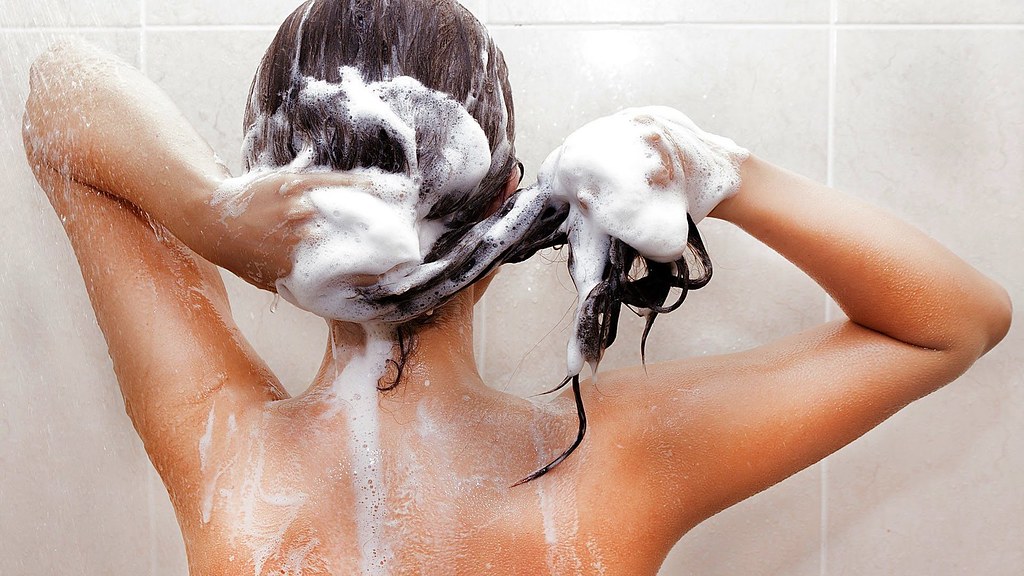
Most shampoos contain cleansing ingredients called surfactants. These help lift oil and debris away so they can be rinsed out with water. Some shampoos clean gently, while others are stronger and better for heavy buildup.
Common Types of Shampoo
- Everyday shampoo - This is a gentle option made for regular use. It works well for hair that gets oily quickly or for anyone who washes often.
- Volumizing shampoo - This type helps remove excess oil and gives hair a lighter, fuller look. It is often a good choice for fine or flat hair.
- Clarifying shampoo - Clarifying shampoo is stronger than regular shampoo and is meant for occasional use. It helps remove stubborn buildup from styling products, dry shampoo, and silicones.
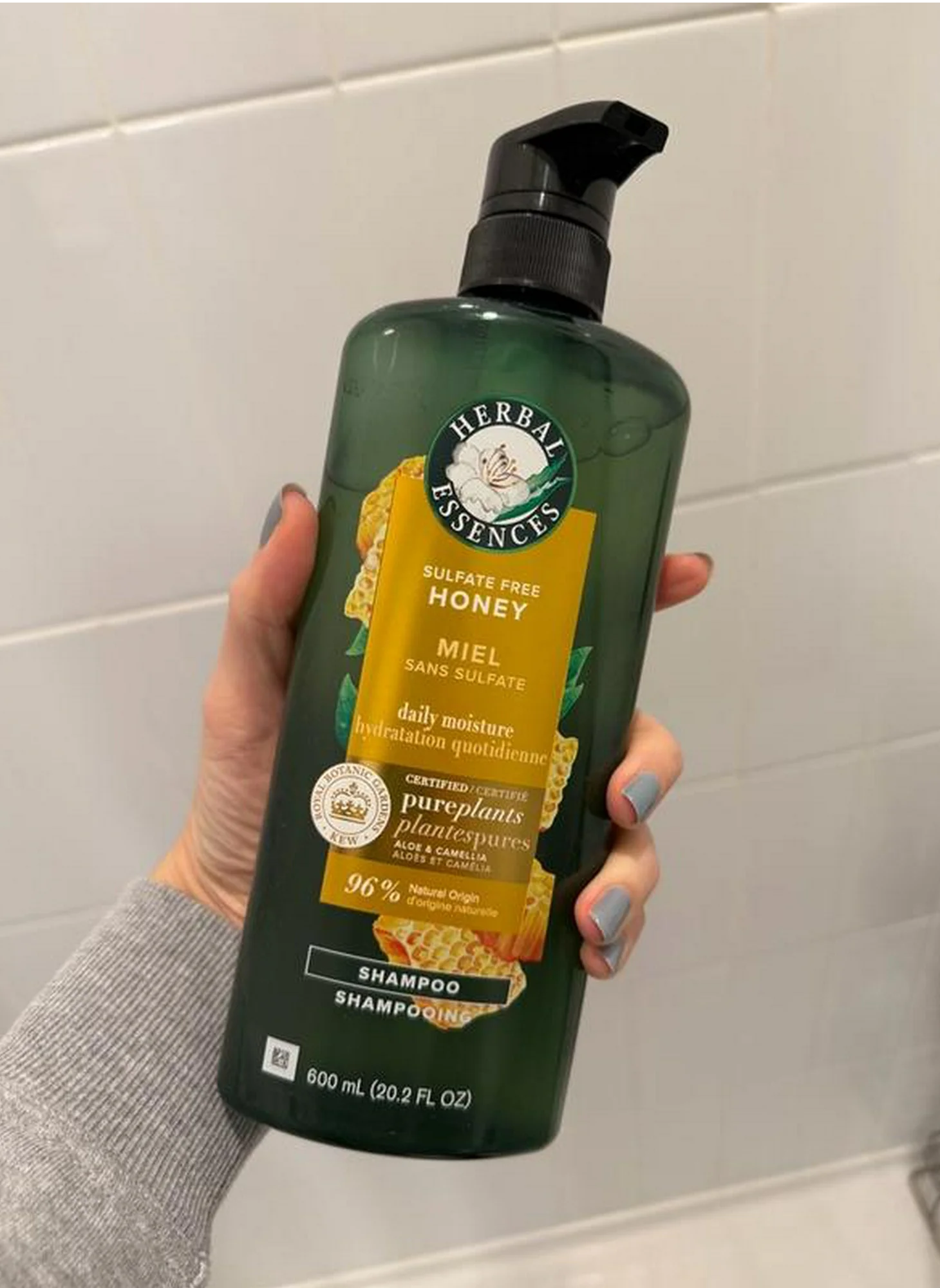
- Sulfate free shampoo
This option cleans more gently and is often better for dry, color treated, or easily irritated hair. - Dry shampoo - Dry shampoo does not replace washing, but it can help absorb oil at the roots between wash days.
- Color safe shampoo - This is usually made with gentler cleansers that help keep hair color from fading too quickly.
How to Use Shampoo Properly
Start with thoroughly wet hair. Apply shampoo mainly to the scalp, not the lengths. Use your fingertips to massage it in gently, then rinse well. As the shampoo rinses through, it will lightly clean the rest of your hair.
You usually do not need a large amount. Too much shampoo can make hair feel stripped, especially if you wash often. A second wash is only needed when hair is very oily or has a lot of buildup.
What Conditioner Does
Conditioner is meant to soften, smooth, and protect the hair after shampooing. While shampoo removes buildup, conditioner helps put moisture and slip back into the hair. It can also help reduce frizz, improve shine, and make detangling easier.
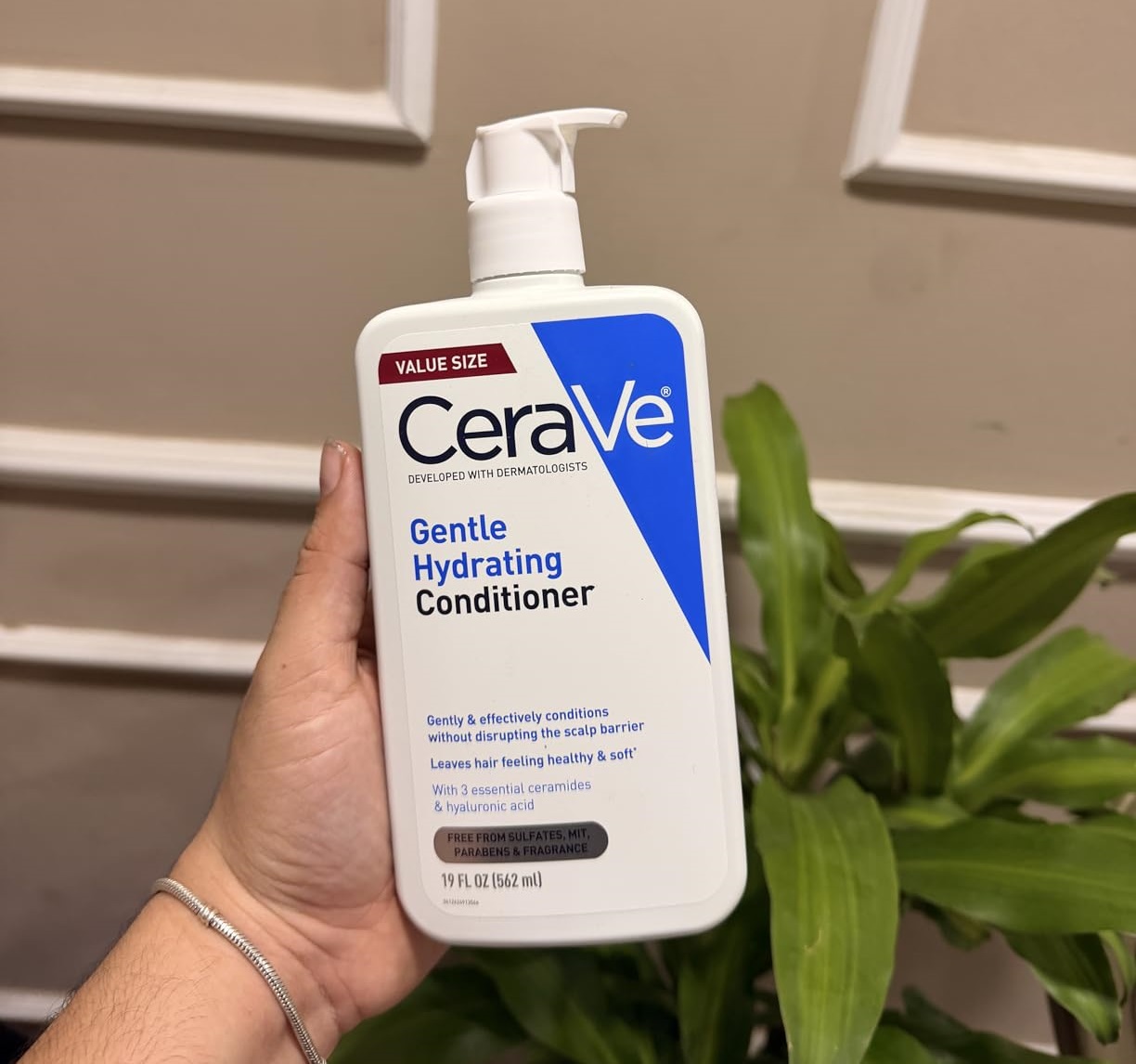
Hair tends to feel rougher and more tangled when the cuticle is lifted. Conditioner helps smooth that outer layer so strands feel softer and look shinier. It also reduces friction, which can help limit breakage.
Common Types of Conditioner
- Rinse out conditioner - This is the standard conditioner used after shampoo. It gives moisture, softness, and easier detangling.
- Leave in conditioner - Leave in conditioner stays on the hair after washing. It adds lasting moisture and can also help with frizz and heat styling.
- Deep conditioner - This is a richer treatment used less often, usually once a week or as needed. It is useful for dry, damaged, or overprocessed hair.
- Toning conditioner - Toning conditioners contain pigment to help balance unwanted tones, such as yellow in blonde hair or brassiness in brunette shades.
- Protein conditioner -Protein based formulas can help strengthen weak or damaged hair, but using them too often may leave hair feeling stiff.
How to Use Conditioner Properly
Conditioner should usually go on the mid lengths and ends, not the scalp. Those areas are older, drier, and more likely to need moisture.
Applying conditioner to the roots can leave hair flat or greasy, especially if your scalp gets oily easily.
After shampooing, squeeze out excess water, then apply conditioner evenly through the lengths and ends. Leave it on for a few minutes before rinsing. A wide tooth comb can help spread it through the hair more evenly.
Shampoo vs. Conditioner: The Main Difference
The simplest way to think about it is this:
- Shampoo cleans
- Conditioner softens and protects
Shampoo focuses on the scalp and removes buildup. Conditioner focuses on the hair itself and helps improve texture, softness, and manageability.
They are not interchangeable, and one does not replace the other in most routines. Using shampoo without conditioner can leave hair dry, rough, or harder to manage. Using conditioner without proper cleansing can lead to buildup over time.
Which Order Should You Use?
For most people, the best order is:
- Shampoo first
- Conditioner second
This works because cleansing first removes oil and buildup, which allows conditioner to coat the hair more evenly afterward.
Reverse Washing
Some people use conditioner before shampoo. This is called reverse washing.
It can work well for very fine hair that gets weighed down easily, because it gives some softness without leaving as much residue behind.
It is not necessary for everyone, but it can be worth trying if regular conditioning makes your hair feel flat.
Co Washing
Co washing means washing with conditioner instead of shampoo. This is usually better suited to very dry, curly, or coily hair, where preserving moisture matters more than strong cleansing.
Still, co washing is not a full replacement for shampoo forever. The scalp still needs occasional cleansing to remove buildup.
How Often Should You Wash Your Hair?
There is no single routine that works for everyone. The right schedule depends on your scalp, hair texture, styling habits, and how much buildup you get.
General Guidelines
- Oily hair - Hair that gets greasy quickly may need washing every day or every other day.
- Normal hair - Hair that stays balanced usually does well with washing two or three times a week.
- Dry hair - Dry hair often needs less washing, sometimes once or twice a week.
- Curly or coily hair - These textures often do better with less frequent washing because natural oils do not travel down the hair shaft as easily.
- Fine hair - Fine hair can look oily faster, so lighter products and more regular washing may work better.
- Thick or coarse hair - This hair type can often go longer between wash days and may benefit from richer conditioners.
Should You Spend More on Shampoo or Conditioner?
If you are trying to be selective with your budget, conditioner is often where spending a little more can make a bigger difference.
Shampoo is usually rinsed away quickly, while conditioner stays on the hair long enough to affect softness, shine, and manageability.
That does not mean shampoo does not matter. A better shampoo can be worth it if you have dandruff, a sensitive scalp, color treated hair, or hard water buildup. But in a basic routine, upgrading your conditioner often gives more noticeable results.
Common Mistakes to Avoid
- Using too much shampoo - More product does not always mean a better clean. It can leave hair feeling dry or stripped.
- Putting conditioner on the scalp - This often causes flat roots or a greasy feel, especially on finer hair.
- Rinsing conditioner out too quickly - Conditioner needs a little time to soften and smooth the hair properly.
- Using water that is too hot - Very hot water can dry out both the scalp and hair.
- Washing too often - Overwashing can strip natural oils and leave hair harder to manage.
- Skipping conditioner completely - Even hair that gets oily can still need moisture through the lengths and ends.
- Using products that do not match your hair type - Fine hair, curly hair, dry hair, and color treated hair all benefit from different formulas.
Ingredients to Watch For
You do not need to memorize every ingredient on a label, but it helps to know a few basics.
Ingredients That Can Be Helpful
- Aloe vera for soothing moisture
- Coconut oil for dry or damaged hair
- Argan oil for lightweight softness and shine
- Shea butter for richer moisture
- Keratin or proteins for strengthening damaged hair
- Panthenol for added moisture and smoothness
Ingredients to Be Cautious With
- Strong sulfates if your hair is dry, color treated, or easily irritated
- Heavy silicones if your hair builds up easily
- Drying alcohols in leave in products
- Heavy fragrance if your scalp is sensitive
This does not mean every ingredient in these groups is always bad. It just means the formula should match your hair needs. Check out this in-depth article on ingredients to avoid.
Choosing the Right Routine for Your Hair
The best shampoo and conditioner routine is the one that fits your scalp, hair texture, and daily habits.
- If your scalp gets oily quickly, focus on gentle cleansing and keep conditioner light.
- If your hair feels dry or rough, wash less often and use richer conditioning products.
- If your hair is fine, avoid heavy formulas near the roots.
- If your hair is curly or coily, prioritize moisture and do not over wash.
- If your hair is color treated, look for gentler shampoos and more nourishing conditioners.
You may need to adjust your routine with the seasons, your styling habits, or changes in your hair over time.
Wrapping Up
Shampoo and conditioner are not competing products, they do different jobs and work best together. Shampoo keeps the scalp and hair clean, while conditioner helps keep hair soft, smooth, and easier to manage.
Once you understand that difference, building a better routine becomes much simpler.
Choose products that match your hair type, apply them in the right places, and avoid overcomplicating the process. A basic routine done well usually works better than a shelf full of products that do not suit your hair.