Hair length changes how you look and how your mornings run.
It frames your face, shapes your silhouette, and quietly dictates how much of your day belongs to a blow dryer.
Most advice on the topic drowns in adjectives. This one sticks to what matters: measurements, face shape, texture, and the routine you actually live.
First, Define Your Terms
People use "short" and "long" loosely. A stylist means one thing, your friend means another, and that gap is how you end up at the salon trying to undo a misunderstanding. Clear definitions first.
- Short hair sits above the chin, anywhere from a 2-inch pixie to a 10-inch chin-grazing bob. On straight hair, that's typically up to around 12 inches.
- Medium hair lives between chin and shoulders: roughly 13 to 17 inches. Shoulder-length, collarbone-length, and the lob (long bob) all fall here.
- Long hair is anything past the shoulders. There's no single number because it depends on your height and torso, but 18 inches is a reasonable floor, and most people picturing "long hair" are thinking armpit-length to mid-back.
One caveat that catches people out: texture changes how length reads. Curly hair can appear 2 to 4 inches shorter than its actual stretched length; tight coils can hide 6 inches or more.
If you want an accurate number, measure your hair pulled straight, not as it sits.
Short Hair
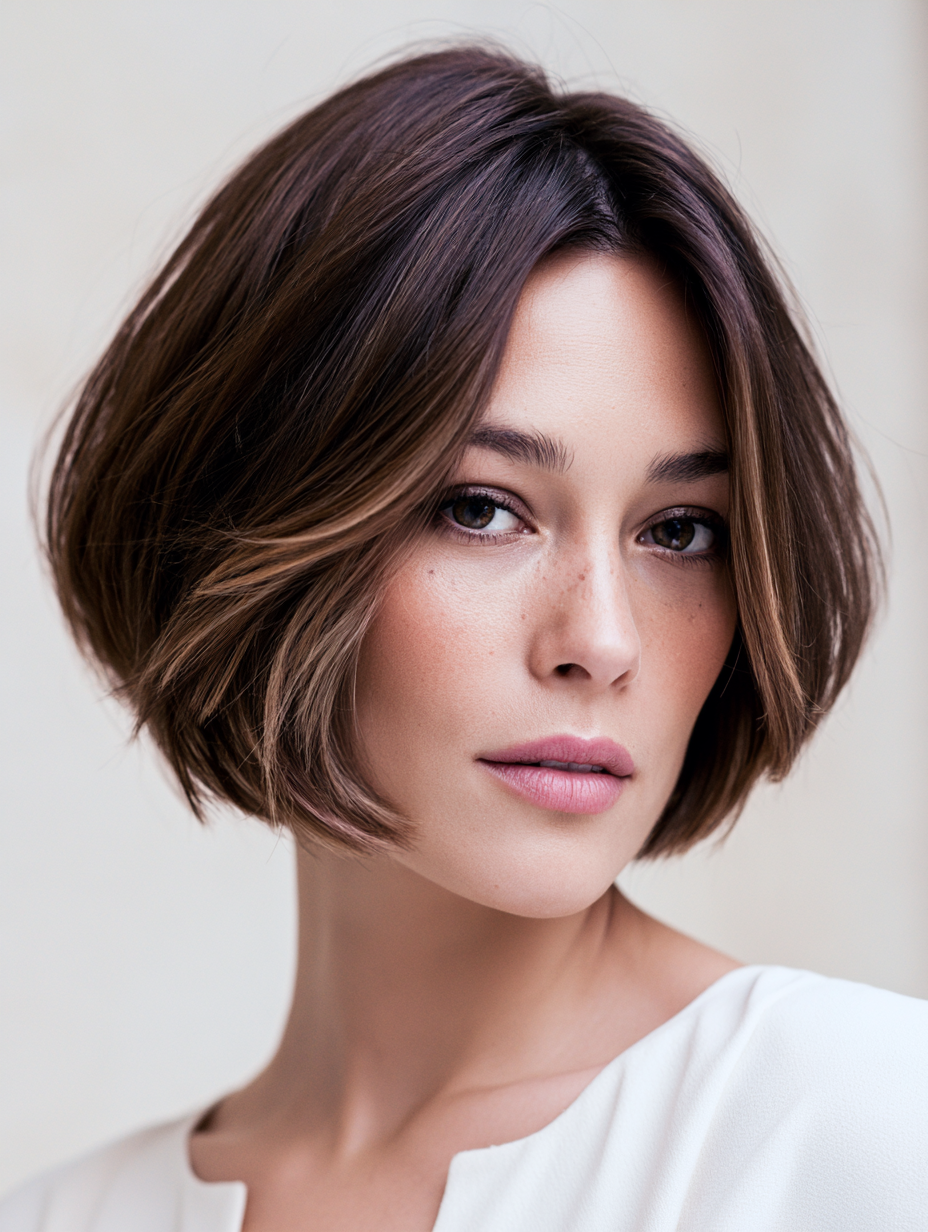
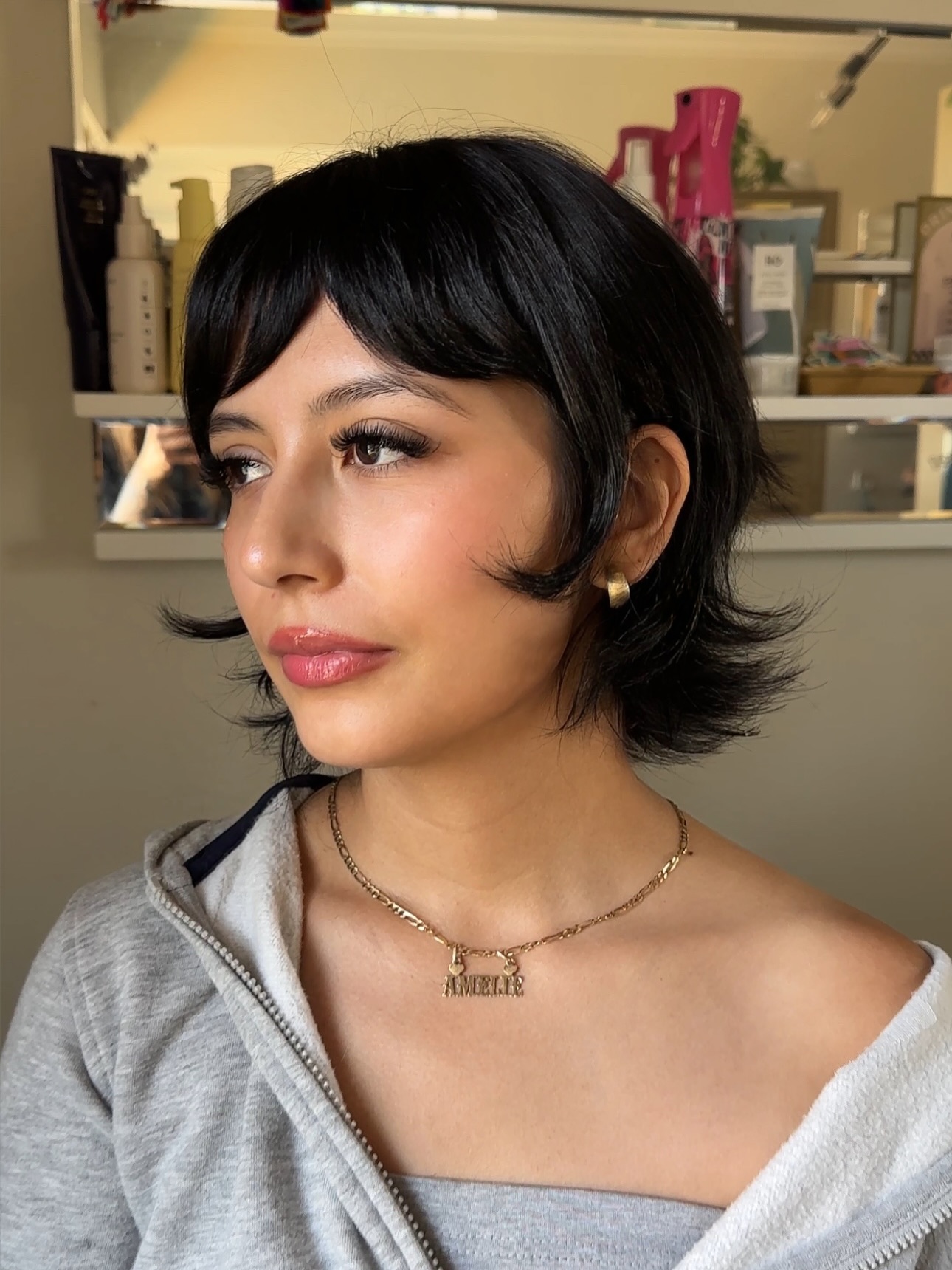
Short hair puts your face front and center. Eyes, cheekbones, jawline, there's nowhere for them to hide, which is the appeal and the risk.
The upsides are concrete. You wash less, dry faster, and use a fraction of the product. Regular trims mean damaged ends rarely accumulate, so the hair you have tends to look healthy. Fine hair gets a real volume boost without length pulling it flat. And the cut itself reads as intentional, modern, sharp, or polished depending on the shape.
The trade-offs are concrete too. Short hair has to be styled most days; there is no throw-it-in-a-bun escape hatch.
Maintenance visits run every 4 to 8 weeks to keep the shape, which adds up in time and money. Your styling vocabulary shrinks, no braids, no high ponytail, no top knot worth the name. And if you decide to grow it out, you'll spend months in awkward in-between lengths.
Short cuts suit people who want low daily product time but accept frequent salon visits, anyone with fine hair chasing volume, and faces strong enough, or framed enough, to carry the spotlight.
Long Hair
Long hair is what short hair isn't: forgiving. You can wear it down today and pulled up tomorrow, and the same haircut handles both.
That versatility is the headline benefit. A ponytail or bun takes seconds. Trims stretch to every 8 to 12 weeks. Braids, half-ups, waves, and elaborate updos are all on the menu. Length can soften angular features and add a romantic frame to the face.
It costs you in other ways. Blow-drying takes longer. Shampoo and conditioner disappear faster. Shedding becomes visible, on the floor, in the brush, on every dark shirt you own.
Without trims, ends get straggly. Heat damage accumulates on the oldest sections, which are also the ones strangers see first. And some people, honestly, end up hiding behind their hair rather than wearing it.
Long hair rewards patience and conditioner. It suits people who prize styling options, don't mind a longer shower, and prefer fewer salon appointments.
Medium Hair
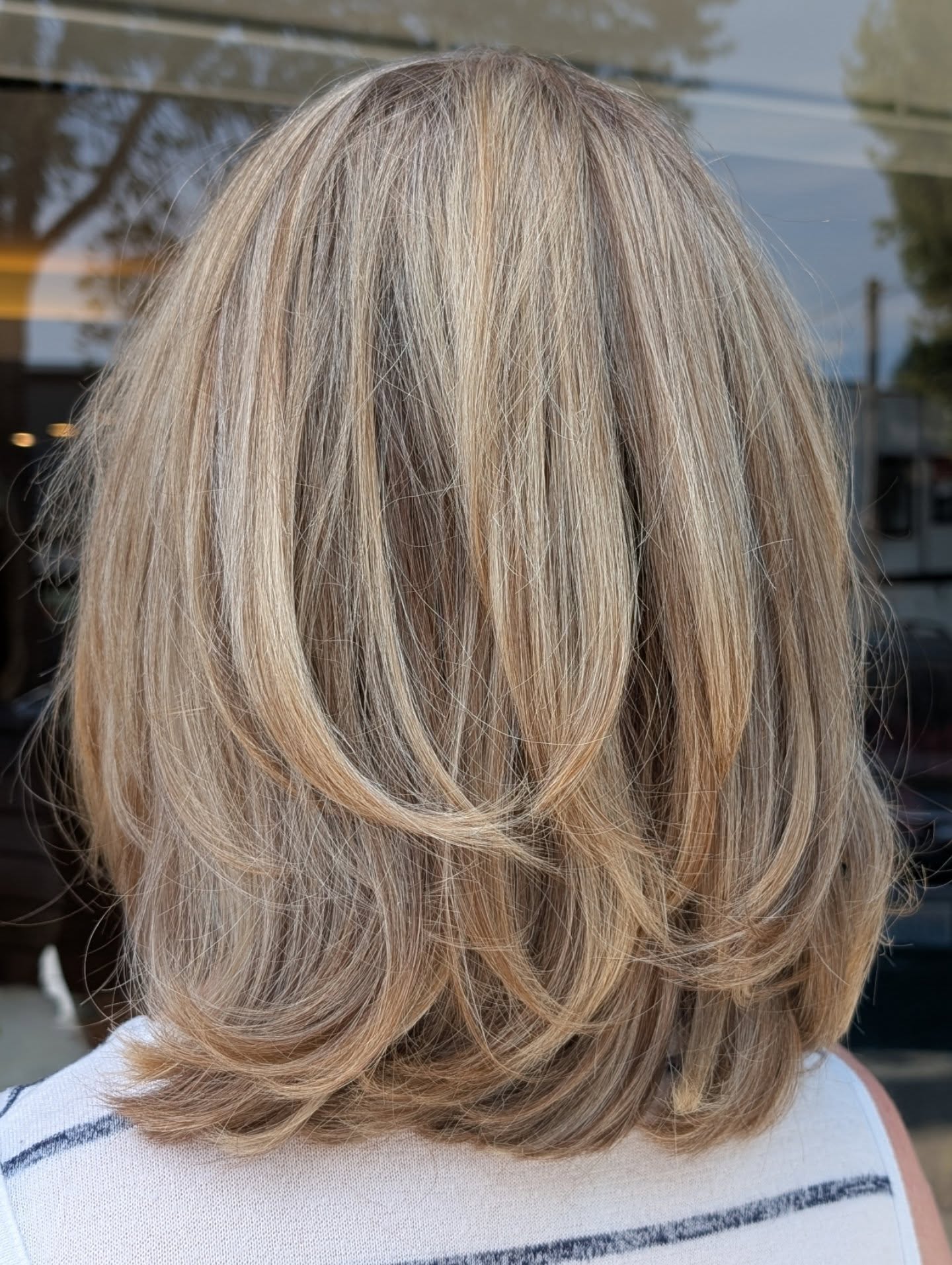
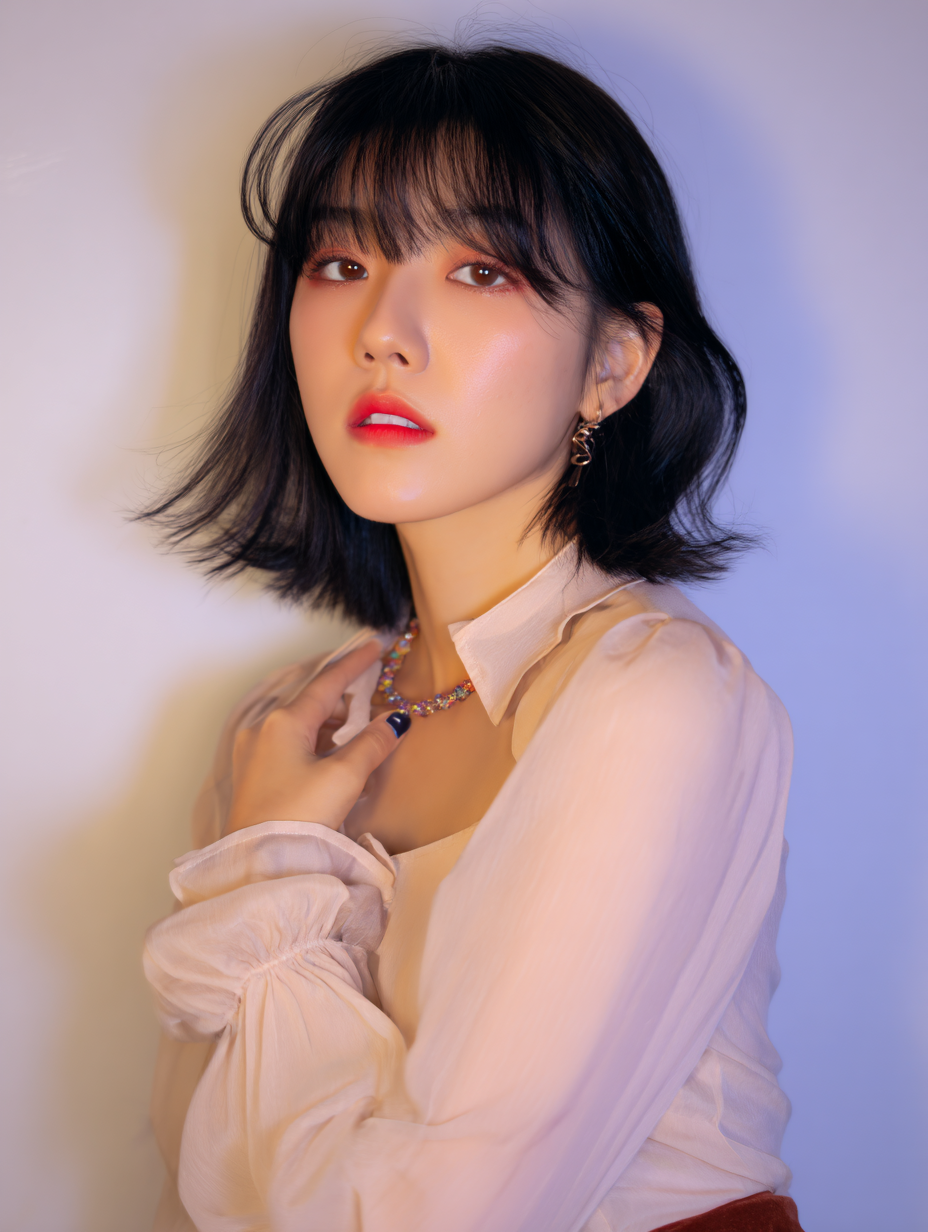
Medium length, that shoulder-to-collarbone zone, is where most people land when they stop chasing extremes. Long enough to pull back, short enough to style quickly, flattering on nearly every face shape.
The lob has become a default for good reason. It moves, holds waves well, takes clips and half-ups, and looks deliberate without demanding much.
If you're transitioning between short and long in either direction, medium is the resting point where you can actually live for a while.
What Actually Determines Your Best Length
Trends rotate. The three things that stay constant are your face, your hair, and your life.
Face shape. Short cuts with volume up top elongate a round face. Soft, textured short styles balance a strong jaw. Oval faces can wear almost anything. Heart-shaped faces, wider at the forehead, narrower at the chin, benefit from volume around the jawline. Long hair flatters angular features but can drag down rounder faces unless layered. Medium length, well cut, suits most face shapes by default, which is why stylists recommend it so often.
Texture and density. Fine hair often looks fullest when it's shorter, there's no weight working against it. Thick hair handles length but needs strategic layering to avoid the helmet effect. Curly and coily hair behaves on its own terms: a cut that looks shoulder-length straight will sit several inches higher curly, so plan the cut around how you actually wear it.
Lifestyle. Be honest about your mornings. Thirty minutes for a blowout, or thirty seconds for a ponytail? Workouts that need hair off your neck? A workplace where certain lengths read differently? The haircut has to serve the life, not the other way around.
At a Glance
| Factor | Short | Medium | Long |
|---|---|---|---|
| Daily styling time | Low - but styling is required | Low to medium | Low if worn up, longer if styled |
| Salon frequency | Every 4-8 weeks | Every 8-10 weeks | Every 10-12 weeks |
| Styling versatility | Limited | Good | Excellent |
| Volume on fine hair | Best | Good | Can fall flat |
| Heat damage risk | Lower - ends cut often | Moderate | Higher on older ends |
| Product use | Lowest | Moderate | Highest |
| Growing-out difficulty | High - awkward stages | Low to moderate | Low |
Test Before You Commit
Before any drastic change, simulate it. Try a wig in the length and shape you're considering. Use a hairstyle app to overlay cuts on your own photo.
Pin your hair up to fake a shorter look from the front. None of these are perfect, but they catch the big regrets early.
The right stylist also helps you avoid them. A good consultation asks about your routine, your texture, and how often you'll realistically come back, then tells you honestly whether the cut you want will work. A stylist who reaches for the scissors before asking those questions is not the stylist you want.
Wrapping Up
Short hair frees you but asks for daily styling. Long hair offers options but asks for time and care. Medium hair splits the difference.
There is no universally best length. The right one harmonizes your face shape, works with your texture, and fits the life you actually live, not the one in your stylist's portfolio. Know your measurements, understand your texture, be honest about your routine, then choose.
Hair grows back. Pick something, see how it wears, and adjust from there.